

Jan . 27, 2026 20:26
In today's demanding environments, safety is paramount. Cutting toughened safety glass offers superior protection and resilience for a vast array of applications. This article will delve into the benefits, manufacturing process, applications, and key considerations when choosing this crucial material. We’ll cover the advantages over standard glass, ensuring you understand why it’s a vital component for numerous industries. Choosing the right glass can significantly enhance safety and minimize risks in various environments.
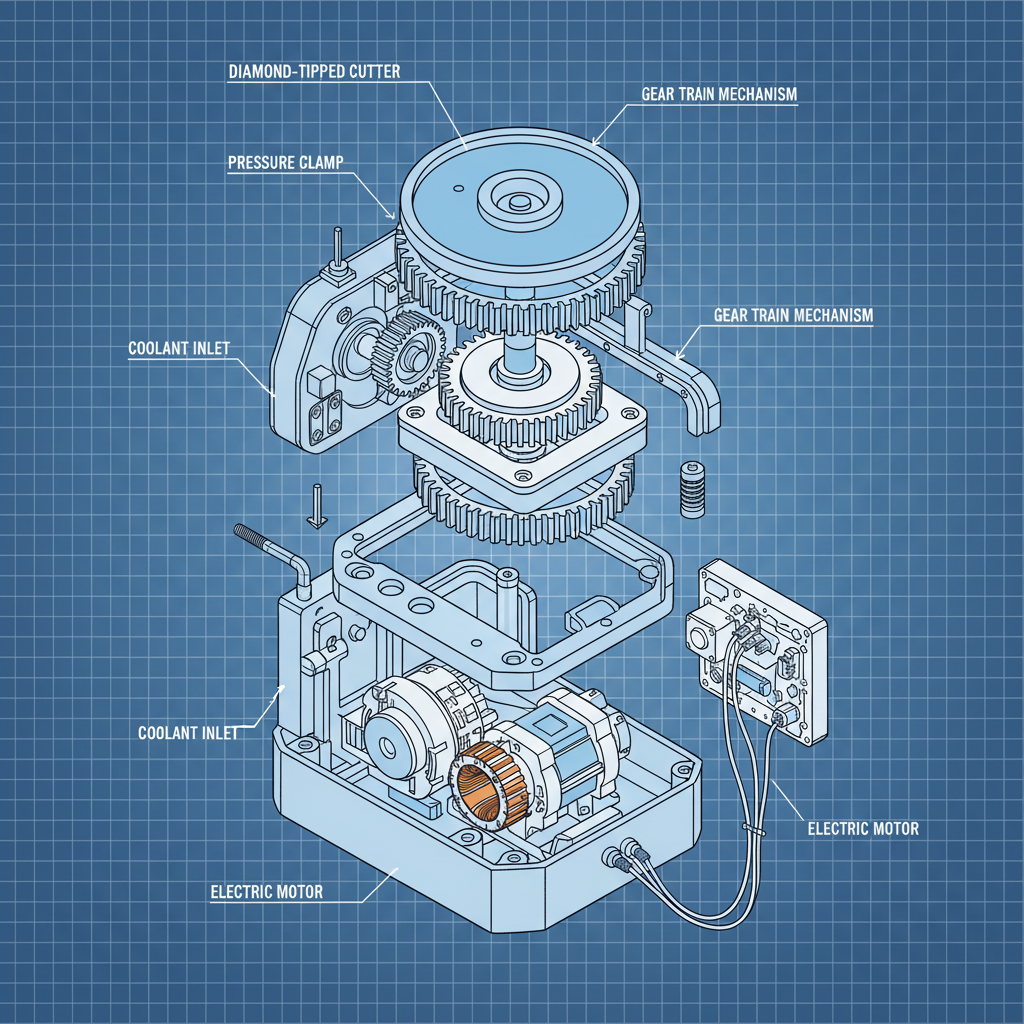
The creation of cutting toughened safety glass is a precise and carefully controlled process. It begins with high-quality glass, which undergoes a process called thermal tempering. This involves heating the glass to a temperature close to its softening point and then rapidly cooling it. This rapid cooling creates a compressive stress on the surface and tensile stress within the glass, making it significantly stronger than standard glass. When broken, it fractures into small, relatively harmless pieces, minimizing the risk of serious injury. The process is strictly regulated to ensure consistent quality and adherence to safety standards. SZGlass is dedicated to providing high-quality glass products.
Compared to annealed glass, toughened safety glass exhibits several crucial advantages. Its strength is approximately four to five times greater, making it resistant to breakage from impact. Critically, when it does break, it shatters into small, dull-edged fragments, significantly reducing the risk of severe lacerations. It’s also capable of withstanding significant temperature fluctuations without cracking, making it suitable for a diverse range of applications.
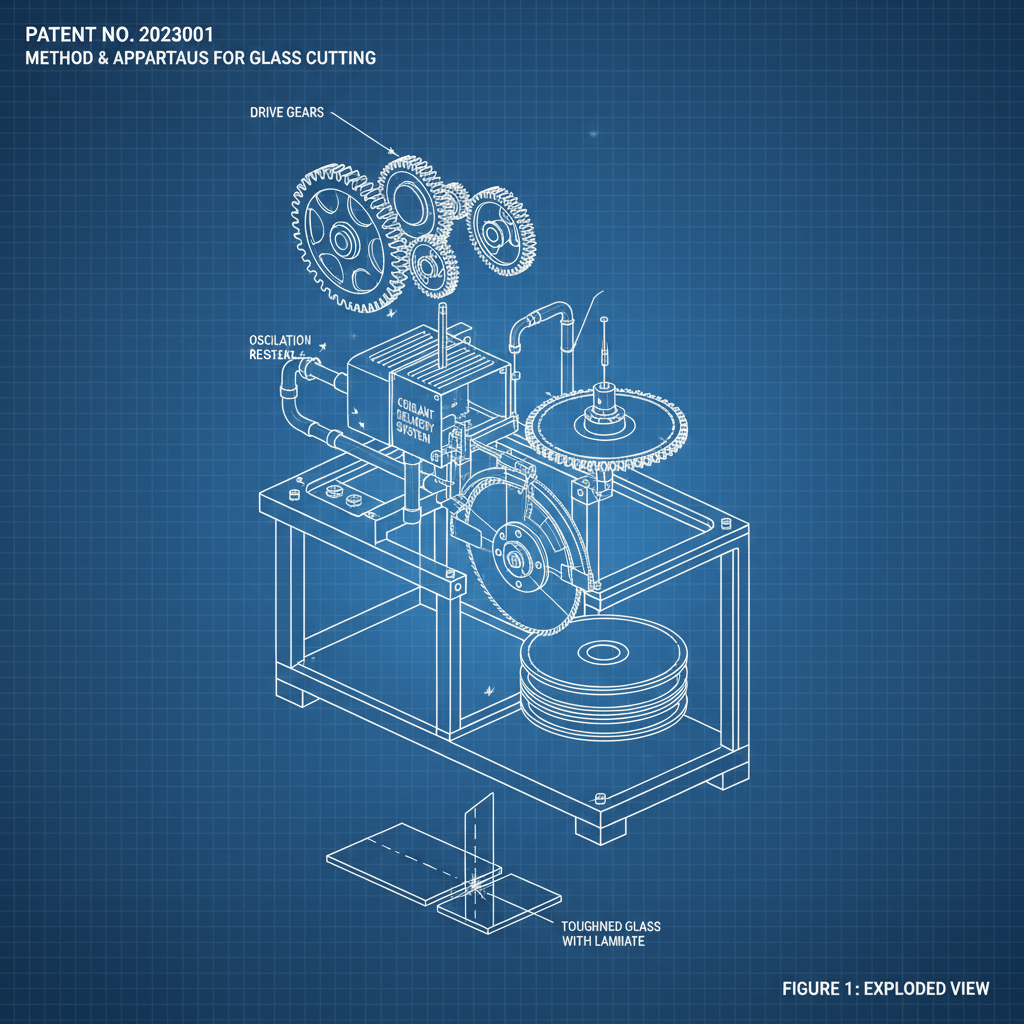
Key Benefits: Increased strength, reduced injury risk from breakage, temperature resistance, and durability. These make it ideal for demanding applications.
The versatility of cutting toughened safety glass lends itself to a wide range of applications. Common uses include automotive windows, shower doors, architectural glazing (such as storefronts and skylights), furniture glass (tabletops, shelving), appliance doors (ovens, refrigerators), and protective barriers. Its ability to withstand high stresses makes it particularly valuable in situations where safety is a primary concern. It also sees application in rail and marine industries for its superior durability.
While both toughened and laminated glass are considered safety glass, they offer different protective characteristics. Toughened glass, as discussed, breaks into small, relatively harmless pieces. Laminated glass, on the other hand, consists of two or more layers of glass bonded together with a plastic interlayer. When broken, the glass fragments adhere to the interlayer, reducing the risk of scattering and maintaining structural integrity. The best choice depends on the specific application and the level of protection required.
Choosing the appropriate type of cutting toughened safety glass requires careful consideration of the intended application, safety requirements, and environmental factors. Factors like thickness, size, and any necessary coatings should be evaluated in relation to the specific demands of the project. Partnering with a reputable glass manufacturer like SZGlass ensures you receive a high-quality product tailored to your exact specifications.
Investing in cutting toughened safety glass is a proactive step towards creating a safer environment. Its superior strength, safety features, and versatility make it a crucial component in countless applications. By choosing a reliable supplier and understanding the specific requirements of your project, you can ensure optimal performance and peace of mind.
Lead times can vary depending on the complexity of the order, the size of the project, and current production schedules. Generally, standard cuts can be completed within 3-5 business days. More intricate designs or large orders may require a longer lead time, typically between 7-14 business days. SZGlass provides detailed lead time estimates with every quote, ensuring transparency and realistic expectations.
No, once glass has been toughened, it cannot be cut, drilled, or altered in any way. The tempering process creates significant internal stresses. Any attempt to modify the glass after tempering will cause it to shatter. Therefore, all cutting, drilling, and other modifications must be completed before the glass undergoes the toughening process. Precise measurements and careful planning are crucial to ensure accurate fabrication.
SZGlass adheres to stringent international quality standards, including ISO 9001 and relevant national standards such as AS/NZS 2208 (Australia/New Zealand) and EN 12150 (Europe). We conduct rigorous quality control checks throughout the manufacturing process, from raw material selection to final product inspection, to ensure consistent quality and performance.
Yes, toughened safety glass is typically more expensive than standard annealed glass. This is due to the additional manufacturing processes involved, which require specialized equipment and strict quality control measures. However, the increased safety, durability, and reduced risk of injury make it a worthwhile investment, especially in applications where safety is a paramount concern.
Premium Custom Bathroom Mirrors for Modern Home Interior Design
NewsApr.16,2026
Professional Mirror Glass Cut to Size for Modern Interior Design
NewsApr.09,2026
Discover the Benefits of Custom Size Mirrors for Your Home or Business
NewsApr.07,2026
Custom Cut Mirror Solutions for Perfectly Sized Reflections and Design
NewsApr.04,2026
Enhance Your Space with Beautifully Crafted Custom Mirrors by SHZR Glass
NewsMar.31,2026
Is Mirror Glass Expensive A Detailed Cost Guide and Considerations
NewsMar.28,2026