

Mar . 24, 2026 01:55
In the world of modern design, mirror glass design is a compelling trend, seamlessly blending sophistication with practical applications. From architectural marvels to captivating interior elements, the reflective qualities and visual impact of mirror glass are increasingly sought after. This article will explore the diverse applications of mirror glass, its manufacturing processes, benefits, and the key considerations for incorporating it into your next project. We will delve into the details of mirror glass designs, helping you understand its potential and how to select the right options for your needs.

Mirror glass isn't a single entity; it encompasses various types tailored to specific applications. Traditional silvered glass utilizes a silver coating applied to the back of the glass, providing excellent reflectivity. Aluminum mirror glass is another common option, offering a more cost-effective solution, though generally with slightly reduced reflectivity. More advanced options include tinted mirror glass, adding color and reducing light transmission, and antique mirror glass, designed with deliberately distressed effects for a vintage aesthetic. The manufacturing process typically involves meticulous cleaning of the glass substrate, followed by the deposition of the reflective coating using methods like chemical deposition or sputtering. SHZR Glass specializes in producing high-quality mirror glass using cutting-edge technology.
Key Highlights: Different types of mirror glass are available, including silvered, aluminum, tinted, and antique. Manufacturing processes include chemical deposition and sputtering, ensuring high-quality reflective coatings.
The applications of mirror glass are remarkably diverse. In architecture, it's utilized for building facades, creating visually striking exteriors and enhancing energy efficiency by reducing heat gain. Interior design embraces mirror glass for wall panels, decorative accents, furniture surfaces, and even lighting fixtures. The use of mirror glass can dramatically expand the perceived space within a room, amplify natural light, and create a sense of luxury. Beyond aesthetics, mirror glass offers functional benefits like privacy in bathrooms and dressing rooms, and safety in areas requiring increased visibility. From modern skyscrapers to chic residential interiors, mirror glass design continues to redefine contemporary spaces.
Application Benefits:
• Enhances aesthetics and creates a modern look
• Expands perceived space and amplifies light
• Offers privacy and increases safety
• Improves energy efficiency in building facades
Choosing the right type of mirror glass for your project is critical. The following table provides a comparison of common options, highlighting their key characteristics and suitability for various applications. Factors to consider include reflectivity, durability, cost, and aesthetic preferences. Understanding these differences will ensure you select the optimal mirror glass design for your needs.
When sourcing mirror glass, it's paramount to prioritize quality and safety. Reputable manufacturers like SHZR Glass adhere to stringent quality control measures throughout the production process, ensuring the glass meets industry standards for reflectivity, durability, and safety. Look for certifications like ISO 9001, demonstrating a commitment to quality management. Additionally, ensure the glass is properly tempered or laminated to enhance its strength and minimize the risk of breakage. Proper handling and installation are also crucial to maintain the integrity of the glass and ensure its long-term performance.
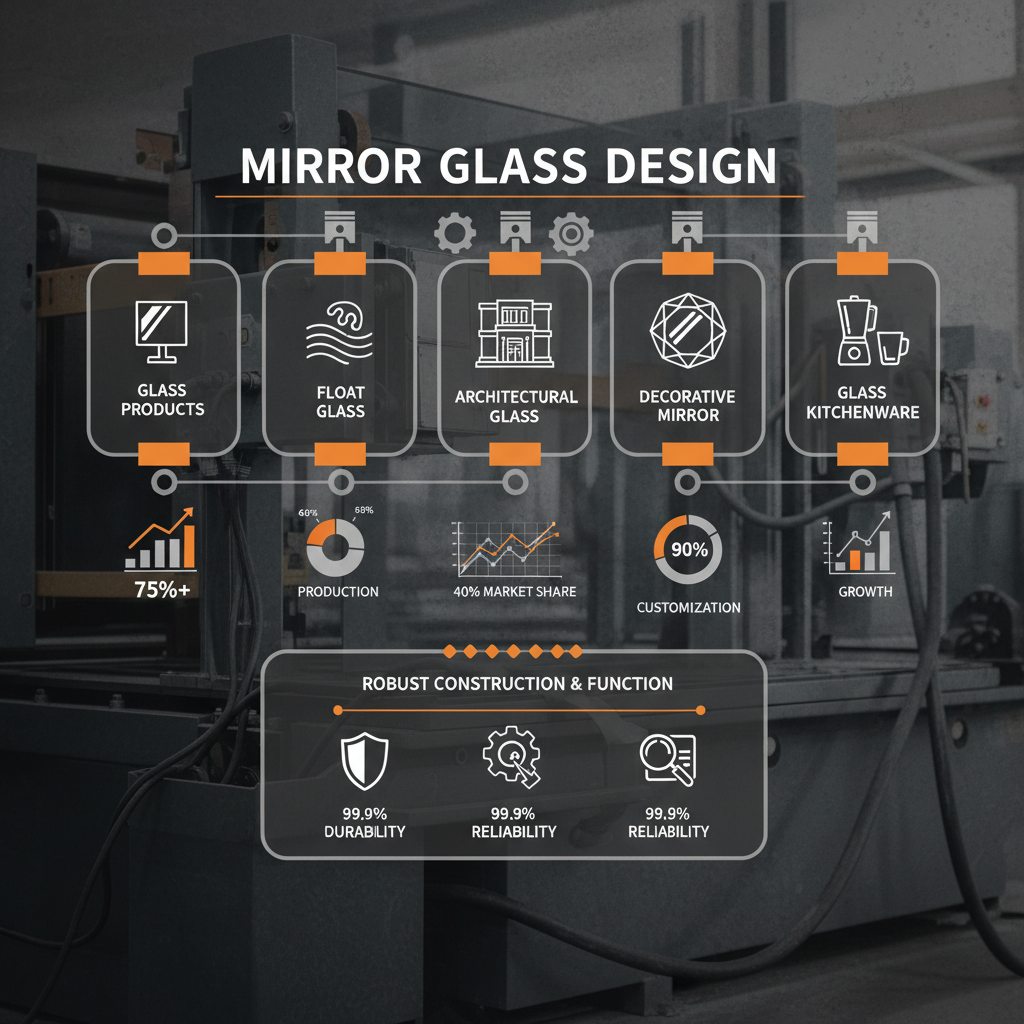
Mirror glass continues to be a transformative element in both architecture and interior design. Its ability to enhance aesthetics, amplify light, and create a sense of spaciousness makes it a highly sought-after material. By selecting high-quality mirror glass from a reputable supplier like SHZR Glass, you can ensure a stunning and durable result. Embrace the power of reflection and elevate your next project with the timeless appeal of mirror glass.
When selecting mirror glass for a bathroom, moisture resistance is crucial. Opt for silvered glass with a high-quality backing paint to prevent corrosion. Consider using laminated mirror glass for added safety, as it will hold together if broken. Anti-fog coatings can also be beneficial to reduce condensation. The size and placement of the mirror should be carefully planned to maximize light and create a functional and aesthetically pleasing space. Ensuring the mirror is properly sealed around the edges will further protect it from moisture damage.
Yes, mirror glass can typically be cut to custom sizes to meet specific project requirements. However, it’s important to engage a professional glass cutter with the appropriate tools and expertise. Cutting mirror glass requires precision and care to avoid breakage and ensure clean edges. SHZR Glass offers custom cutting services to provide mirror glass tailored to your exact specifications.
The primary difference lies in the reflective coating. Silvered mirror glass offers superior reflectivity and image clarity, making it the premium choice for applications where visual quality is paramount. Aluminum mirror glass is more cost-effective but has slightly lower reflectivity. Silvered glass is also more susceptible to corrosion in humid environments if the backing paint is compromised. Aluminum mirror glass is generally more durable and resistant to corrosion.
To clean mirror glass, use a mild glass cleaner and a soft, lint-free cloth. Avoid abrasive cleaners or scouring pads, as these can scratch the surface. Spray the cleaner onto the cloth rather than directly onto the mirror to prevent overspray. Wipe the mirror in a circular motion and then buff it dry with a clean, dry cloth. Regularly cleaning the mirror will help maintain its clarity and prevent the buildup of grime and streaks.
Premium Custom Bathroom Mirrors for Modern Home Interior Design
NewsApr.16,2026
Professional Mirror Glass Cut to Size for Modern Interior Design
NewsApr.09,2026
Discover the Benefits of Custom Size Mirrors for Your Home or Business
NewsApr.07,2026
Custom Cut Mirror Solutions for Perfectly Sized Reflections and Design
NewsApr.04,2026
Enhance Your Space with Beautifully Crafted Custom Mirrors by SHZR Glass
NewsMar.31,2026
Is Mirror Glass Expensive A Detailed Cost Guide and Considerations
NewsMar.28,2026