

Mar . 21, 2026 01:45
Mirror glass, also known as reflective glass, is a versatile material used in a wide range of applications, from architectural design to safety features. It’s created by applying a metallic coating to one side of a glass sheet, allowing it to reflect light and create a mirrored effect. This article will explore the different types of mirror glass, their applications, benefits, and provide guidance on selecting a reliable supplier like SHZR Glass. Understanding the nuances of mirror glass is crucial for projects demanding both aesthetic appeal and functional performance.
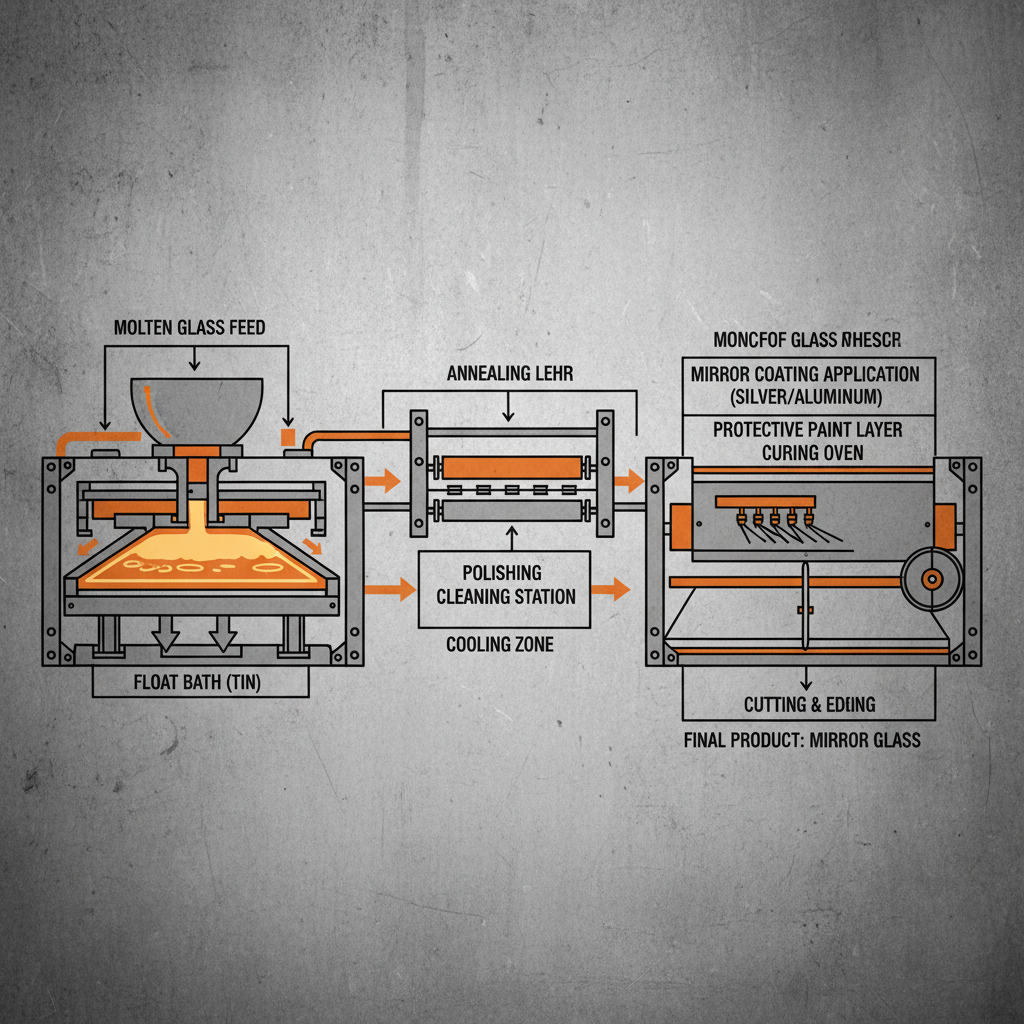
Mirror glass isn't a one-size-fits-all product. Different types cater to specific needs. Silver mirror glass is the most common, offering excellent reflectivity and clarity. Aluminum mirror glass is a more cost-effective option, though it may have slightly lower reflectivity. Beyond the coating material, variations include: Float glass mirror (made from high-quality float glass for distortion-free reflection), Safety mirror glass (tempered or laminated for increased durability and safety), and Antique mirror glass (with a distressed, vintage look). Selecting the right type depends on the application and desired aesthetic.
Key Takeaway: The quality of the underlying glass and the coating material significantly impact the reflectivity, durability, and overall performance of mirror glass.
The applications of mirror glass are incredibly diverse. In architecture, it's used for building facades, interior walls, and decorative elements, enhancing aesthetics and creating a sense of spaciousness. Furniture manufacturers utilize it for mirrors, cabinet doors, and table tops. Automotive industry employs it for rearview mirrors, ensuring driver safety. Decorative purposes include wall mirrors, vanity mirrors, and artistic installations. Moreover, safety applications, such as one-way mirrors for security purposes and anti-theft mirrors in retail environments, are increasingly prevalent. SHZR Glass provides solutions for all these industries.
Common Applications:
• Architectural Facades
• Interior Design (Mirrors, Walls)
• Automotive Rearview Mirrors
• Furniture Components
Using mirror glass offers numerous advantages. It enhances the visual appeal of spaces, making them appear larger and brighter. It provides functional benefits, like improving visibility and creating a sense of depth. High-quality mirror glass offers excellent reflectivity, ensuring a clear and accurate reflection. Furthermore, safety mirror glass provides added protection against breakage and injury. Proper installation also increases property value. Choosing the right type of mirror glass contributes to energy efficiency by reflecting sunlight and reducing the need for artificial lighting.
Selecting a reliable supplier is crucial for obtaining high-quality mirror glass. Consider factors like product range, quality control measures, pricing, and delivery times. A reputable supplier will offer a diverse selection of mirror glass types to meet your specific needs. They should also have stringent quality control processes to ensure consistent product quality. Look for a supplier with a proven track record of on-time delivery and competitive pricing. SHZR Glass is a leading manufacturer and exporter of mirror glass, committed to providing exceptional products and customer service.
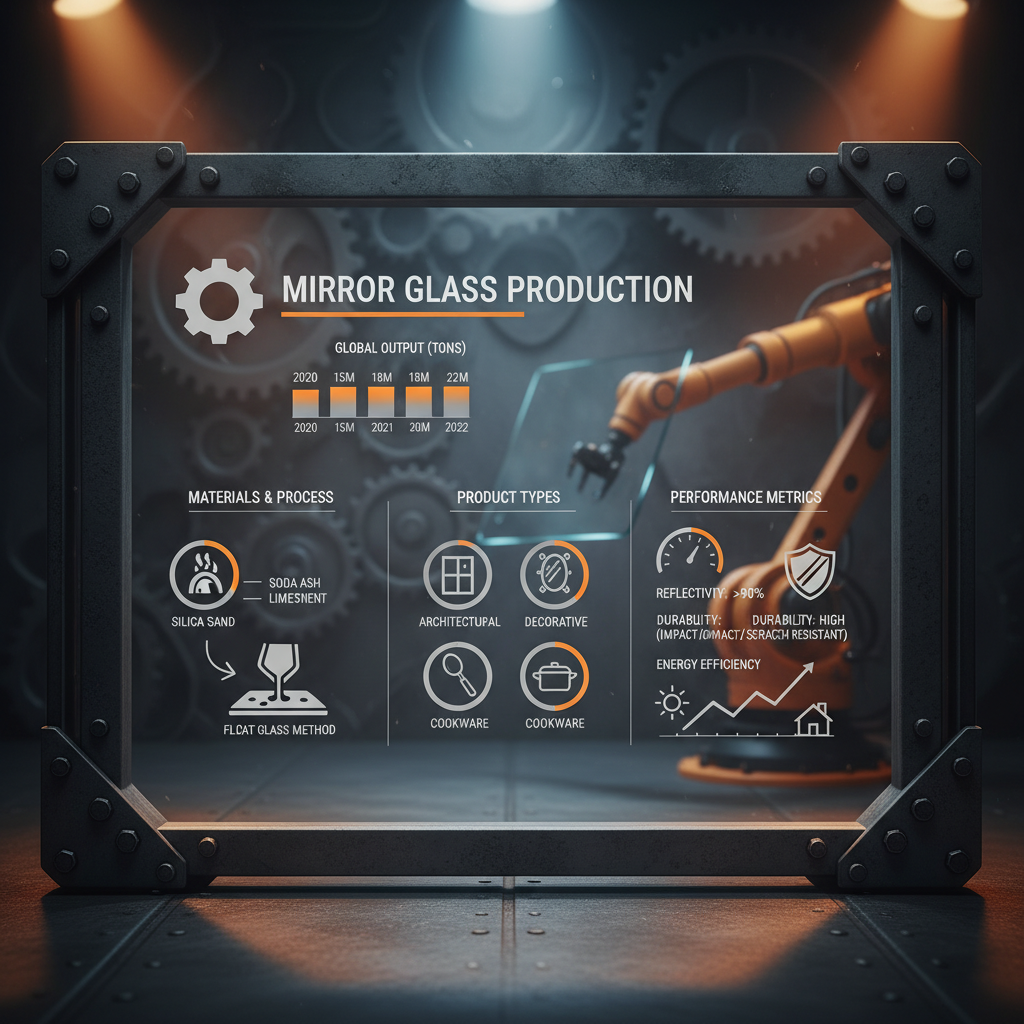
Mirror glass must adhere to specific industry standards to ensure safety and performance. Common standards include EN 1036 for glass quality and EN 12150 for thermal toughening. Thickness typically ranges from 3mm to 19mm, depending on the application. The reflectivity of the coating should be as high as possible for optimal performance. Proper edge finishing is also crucial to prevent chipping and ensure safe handling. SHZR Glass provides detailed specifications and certifications for all its mirror glass products.
Investing in high-quality mirror glass from a reputable supplier like SHZR Glass ensures superior performance, durability, and aesthetics. By understanding the different types, applications, and standards, you can make informed decisions that meet your specific project requirements. Don’t compromise on quality – choose mirror glass that delivers both beauty and functionality.
Silver mirror glass provides superior reflectivity and clarity compared to aluminum mirror glass. However, it's also more expensive. Aluminum mirror glass is a more budget-friendly option, but its reflectivity might be slightly lower. Silver mirror glass is generally preferred for applications where high-quality reflection is critical, such as decorative mirrors and architectural features. The choice depends on the balance between cost and performance.
No, safety mirror glass isn’t entirely shatterproof, but it's designed to break into small, relatively harmless pieces. Tempered glass, a type of safety glass, is heat-treated to increase its strength. When it breaks, it shatters into small, cubical fragments instead of sharp, jagged pieces. Laminated glass, another type of safety glass, consists of two layers of glass bonded together with an interlayer, preventing the glass from shattering completely.
The best way to clean mirror glass is with a mixture of equal parts white vinegar and water. Spray the solution onto the surface and wipe clean with a microfiber cloth. Avoid using abrasive cleaners or harsh chemicals, as they can damage the reflective coating. Always wipe in a circular motion to prevent streaking. For stubborn stains, you can add a small amount of dish soap to the vinegar and water mixture.
Yes, mirror glass can be cut to custom sizes. However, it requires specialized tools and expertise. It is best to have it cut by a professional glass supplier like SHZR Glass to ensure accurate cuts and avoid damage. Cutting mirror glass yourself can be dangerous and may result in breakage.
Professional Mirror Glass Cut to Size for Modern Interior Design
NewsApr.09,2026
Discover the Benefits of Custom Size Mirrors for Your Home or Business
NewsApr.07,2026
Custom Cut Mirror Solutions for Perfectly Sized Reflections and Design
NewsApr.04,2026
Enhance Your Space with Beautifully Crafted Custom Mirrors by SHZR Glass
NewsMar.31,2026
Is Mirror Glass Expensive A Detailed Cost Guide and Considerations
NewsMar.28,2026
Comprehensive Guide to Mirror Glass Price Quality and Factors Affecting Cost
NewsMar.26,2026