

Mar . 04, 2026 01:55
Decorative stained glass has captivated audiences for centuries with its vibrant colors, intricate designs, and ability to transform light into breathtaking artistry. From majestic cathedral windows to stunning residential features, this enduring craft adds beauty and sophistication to any space. This article explores the history, techniques, applications, and modern trends in decorative stained glass, providing a comprehensive overview for enthusiasts and potential clients. Whether you're considering a custom installation or simply appreciating the art form, understanding the nuances of stained glass will enhance your appreciation of its lasting appeal.
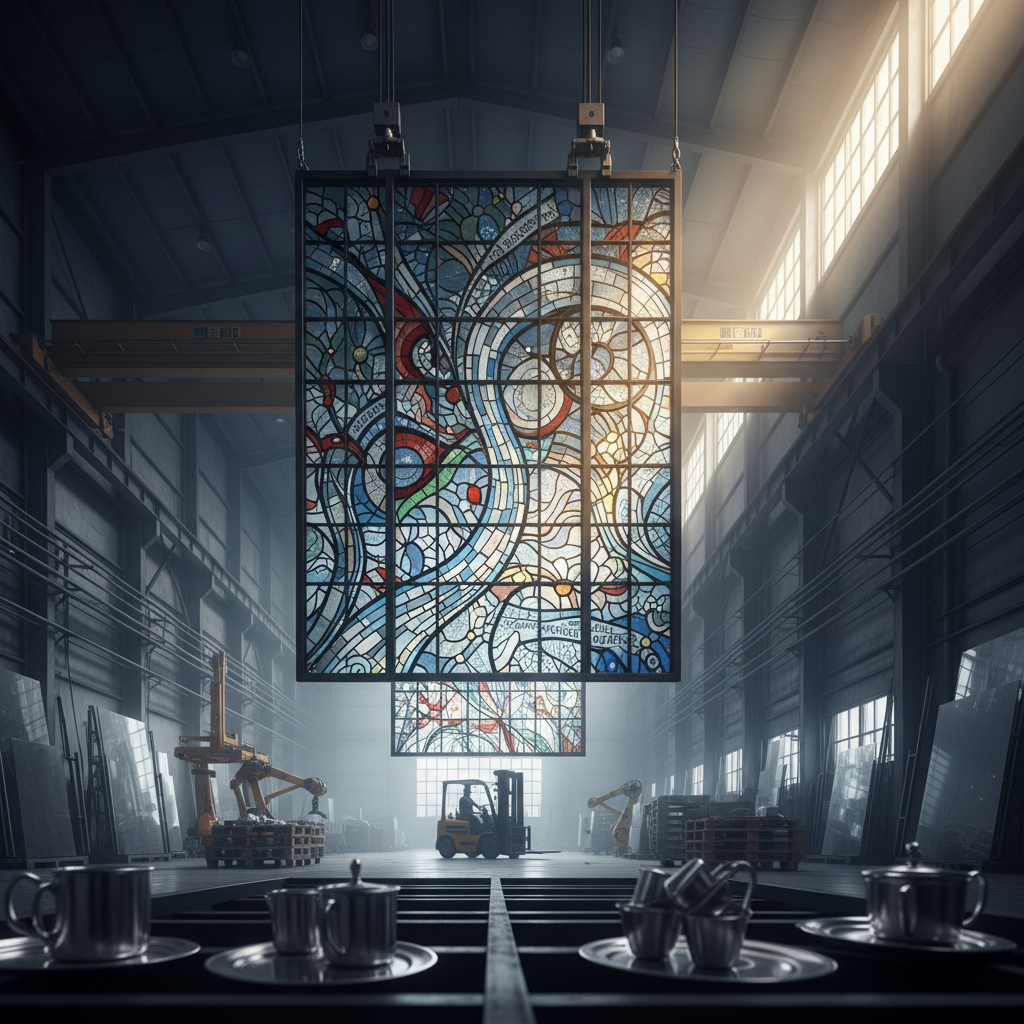
The origins of stained glass can be traced back to ancient Rome, where colored glass was used for decorative purposes. However, it was during the medieval period, particularly in the Gothic era, that stained glass reached its zenith. Cathedrals like Chartres and Notre Dame became renowned for their spectacular stained glass windows, which served not only as artistic masterpieces but also as visual narratives, teaching biblical stories to a largely illiterate population. The techniques developed during this time – the cutting, painting, and leading of glass – continue to be foundational to the craft today. Over the centuries, stained glass has experienced revivals, with the Art Nouveau and Victorian periods seeing a renewed interest in its decorative possibilities.
Key Highlights: The craft's origins date back to ancient Rome, with its golden age during the medieval Gothic period, and subsequent revivals in Art Nouveau and Victorian eras.
The creation of decorative stained glass is a meticulous process that combines artistry and technical skill. It typically begins with the design phase, where a full-scale drawing, known as a cartoon, is created. Glass sheets are then carefully cut to match the shapes in the cartoon. These pieces are painted with specialized glass paints, often containing metallic oxides to achieve different colors and effects. Once the paint is fired in a kiln, it permanently fuses to the glass surface. Finally, the individual glass pieces are assembled using lead came – strips of lead that hold the glass together – and then soldered to create a strong and durable panel.
Stained Glass Creation Process:
• Design Creation (Cartoon)
• Glass Cutting
• Glass Painting & Firing
• Assembly with Lead Came & Soldering
While historically associated with religious buildings, decorative stained glass now finds a wide range of applications in both residential and commercial settings. It’s frequently used in entryways, sidelights, windows, doors, and skylights to add a touch of elegance and privacy. Beyond traditional panels, stained glass can be incorporated into lamps, mosaics, and even fused glass artwork. Custom designs allow homeowners and architects to create truly unique pieces that complement their specific aesthetic preferences. Furthermore, stained glass can enhance a property's value and curb appeal.
The world of decorative stained glass offers a diverse array of styles, from traditional Gothic and Victorian to contemporary abstract designs. The choice depends largely on the architectural style of the space and personal preferences. The type of glass used also plays a crucial role. Cathedral glass provides a smooth, even color, while textured glass adds depth and visual interest. Opalescent glass creates a milky, translucent effect. The quality of the glass and the skill of the artist significantly impact the final product’s beauty and longevity.
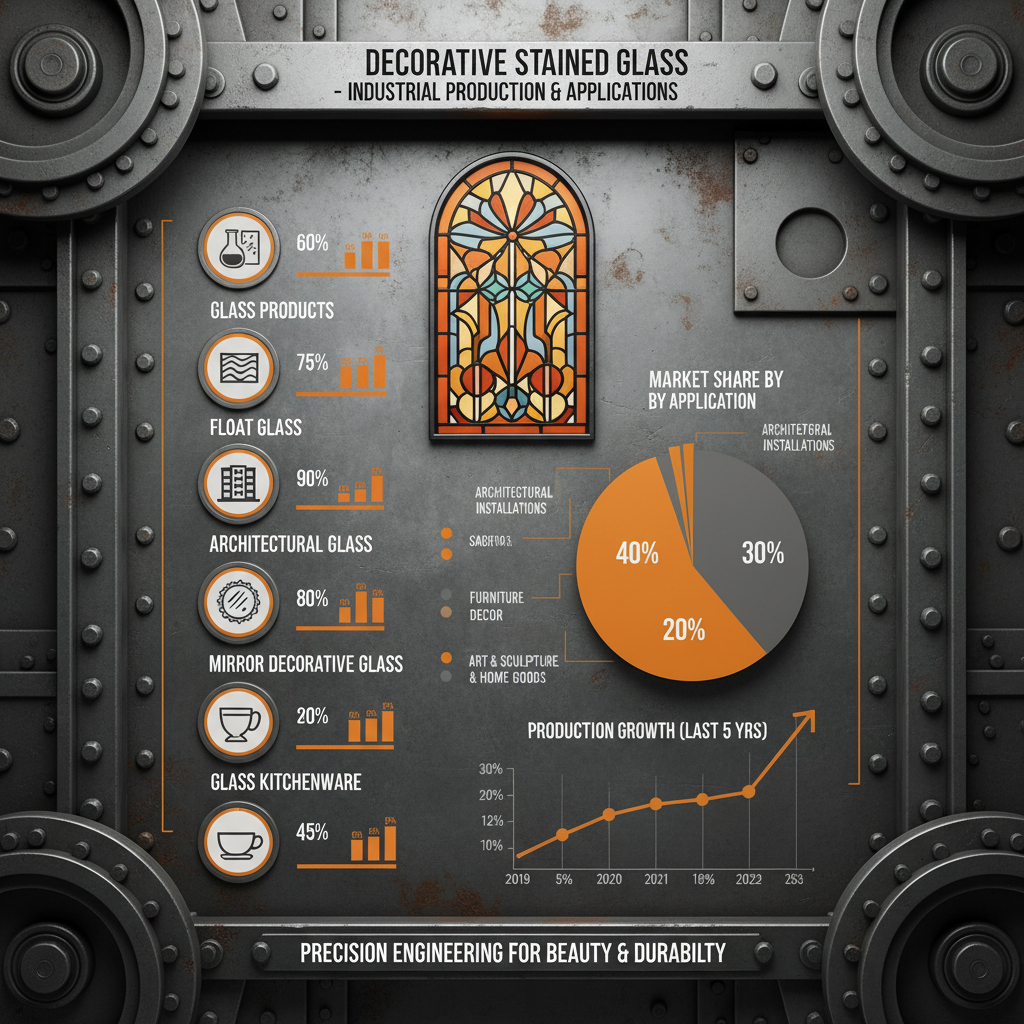
Proper care will ensure that your stained glass artwork remains beautiful for generations. Regular cleaning with a soft cloth and mild soap and water is usually sufficient. Avoid harsh chemicals or abrasive cleaners, which can damage the glass and the lead came. If the lead came becomes loose, it should be re-soldered by a qualified professional. Protect stained glass from extreme temperatures and direct sunlight, which can cause fading or cracking.
Decorative stained glass is more than just an art form; it's a legacy of craftsmanship and beauty. Whether you're looking to enhance your home or create a unique commercial space, SHZR Glass offers a wide range of stunning stained glass options to suit your needs. Invest in a piece of art that will bring joy and inspiration for years to come.
The turnaround time for a custom stained glass project varies depending on the complexity of the design and the current workload. Smaller pieces, like panels for doors or sidelights, may take 4-8 weeks. Larger, more intricate installations, such as windows or skylights, can take 8-12 weeks or longer. It’s best to discuss your project timeline with the artist during the initial consultation. Factors such as glass availability and lead times for materials can also affect the schedule.
To clean your stained glass panel safely, use a soft cloth dampened with a mild soap and water solution. Gently wipe the surface, avoiding harsh scrubbing. Rinse with clean water and dry with another soft cloth. Avoid using abrasive cleaners, scouring pads, or ammonia-based products, as they can damage the glass and lead came. For stubborn dirt, you can use a specialized stained glass cleaner, but always test it on an inconspicuous area first.
Yes, stained glass can often be repaired, even if it's significantly damaged. Minor cracks or broken pieces can be replaced by a skilled artisan. If the lead came is damaged, it can be re-soldered or replaced. The cost of repair will depend on the extent of the damage and the complexity of the restoration work. It's important to consult with a professional stained glass restorer to assess the damage and get a quote.
The cost of a custom stained glass design varies greatly depending on factors like size, complexity, glass type, and the artist’s experience. Generally, you can expect to pay for both the design process and the fabrication of the piece. A simple design may cost a few hundred dollars, while a large, intricate design can easily reach several thousand. It's best to request a quote from SHZR Glass outlining the costs involved based on your specific requirements.
Premium Custom Bathroom Mirrors for Modern Home Interior Design
NewsApr.16,2026
Professional Mirror Glass Cut to Size for Modern Interior Design
NewsApr.09,2026
Discover the Benefits of Custom Size Mirrors for Your Home or Business
NewsApr.07,2026
Custom Cut Mirror Solutions for Perfectly Sized Reflections and Design
NewsApr.04,2026
Enhance Your Space with Beautifully Crafted Custom Mirrors by SHZR Glass
NewsMar.31,2026
Is Mirror Glass Expensive A Detailed Cost Guide and Considerations
NewsMar.28,2026