

Oct . 20, 2025 10:50
If you’ve ever stood in a boutique shower room and wondered how the space feels bright yet private—yep, that’s the Nashiji effect. Made in Shahe, Hebei (origin: 800 meters south of Provincial Road 329, Economic Development Zone, Shahe City), this patterned glass has been quietly taking market share from plain frosted sheets. To be honest, the mix of light transmission and image diffusion is hard to beat for bathrooms, partitions, and appliance panels.
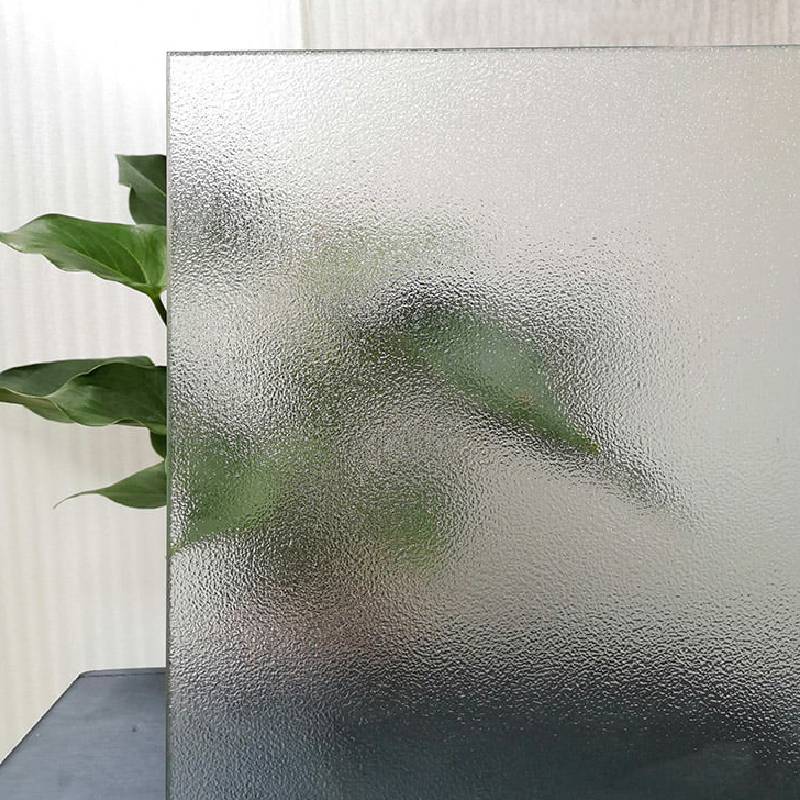
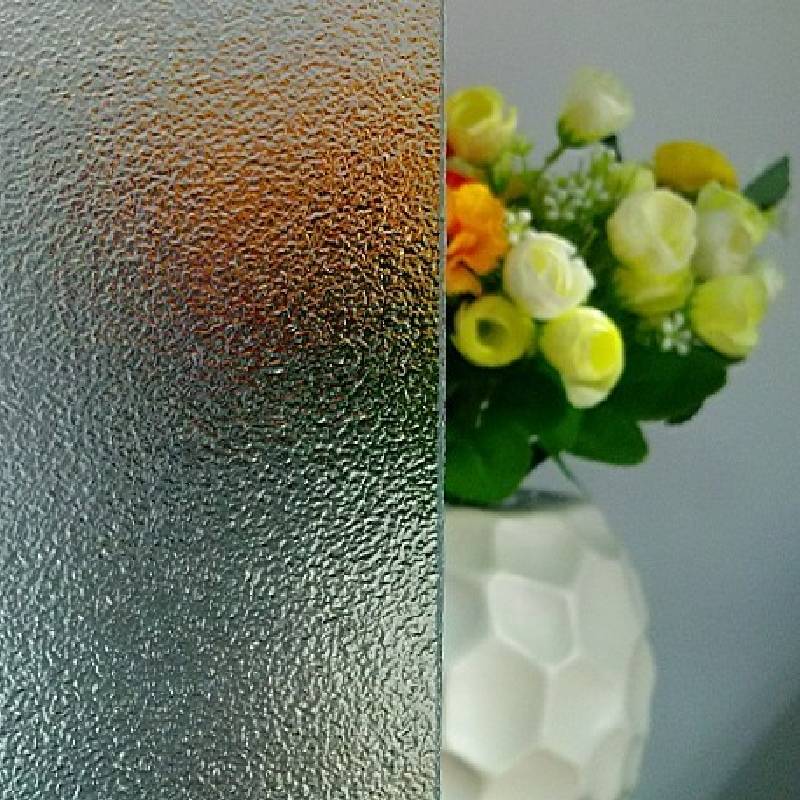
It’s a rolled patterned glass: molten soda‑lime float is passed through engraved rollers that imprint a pebbled “pear-skin” texture. The result: it transmits light but not detailed images. Standard thickness runs 3–6 mm (sometimes 8–10 mm for doors). Many customers say it “feels softer” than sandblasted glass, with fewer fingerprints in daily use.
| Property | Spec/Range | Notes |
|---|---|---|
| Thickness | 3 mm, 4 mm (also 5–6 mm; 8–10 mm on request) | Measured per ASTM C1036 / GB/T 9963 |
| Light transmittance | ≈72–85% (varies by thickness/pattern depth) | Real-world use may vary with lighting |
| Obscuration (privacy) | Medium–High | No clear imaging at 0.5–1 m |
| Standard sizes | 1830×2440 mm; 2140×3300 mm | Cut-to-size available |
| Processing | Annealed; tempering/laminating optional | Safety glazing per EN 12150 / ANSI Z97.1 |
| Edges | Seamed, flat-polish, arrised | CNC cuts for tight tolerances |
Materials: premium soda‑lime float.
Process: melting → rolling through Nashiji pattern rollers → controlled cooling (anneal) → cutting/edging → optional tempering or PVB/EVA lamination → cleaning/packing.
QA & testing: dimensional tolerance (ASTM C1036), surface quality (GB/T 9963), safety impact where tempered (EN 12600/ANSI Z97.1), fragmentation for tempered (EN 12150). Service life: ≈20–30 years indoors; ≈10–20 years outdoors with proper sealing and hardware.
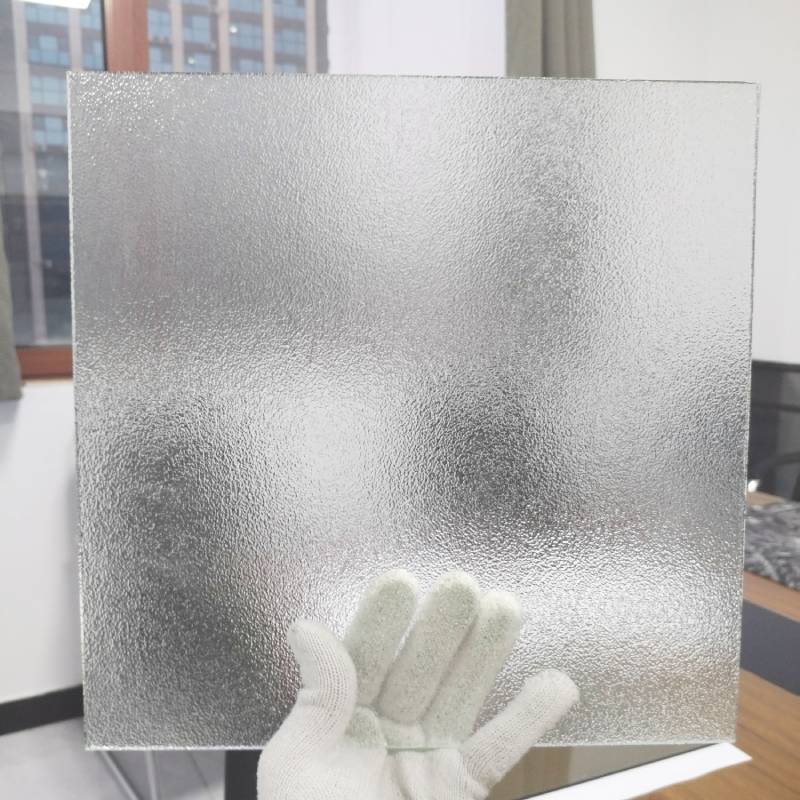
Installers tell me 4 mm is a sweet spot for partitions, while 3 mm wins in appliance panels for weight savings. Surprisingly durable in daily cleaning; the pattern helps disguise smudges.
| Vendor | Thickness | MOQ | Lead time | Certifications | Notes |
|---|---|---|---|---|---|
| ZR Glass (Hebei) | 3–10 mm | ≈100 m² | 10–18 days | ISO 9001, CCC; CE on tempered | Strong cut-to-size; stable color |
| Local fabricator A | 4–6 mm | Small lot | 5–12 days | Varies | Fast for small jobs |
| Import brand B | 3–8 mm | Full crate | 4–6 weeks | CE, EN | Consistent but pricier |
Finish options include tempering for safety, PVB/EVA lamination for acoustic/impact, polished or arrised edges, drilled holes, and hardware cutouts. Color tints and acid-etched post-treatment possible (ask for sample swatches). If you need 3mm 4mm Nashiji obscure pattern glass in curved panels—possible, but lead time extends.
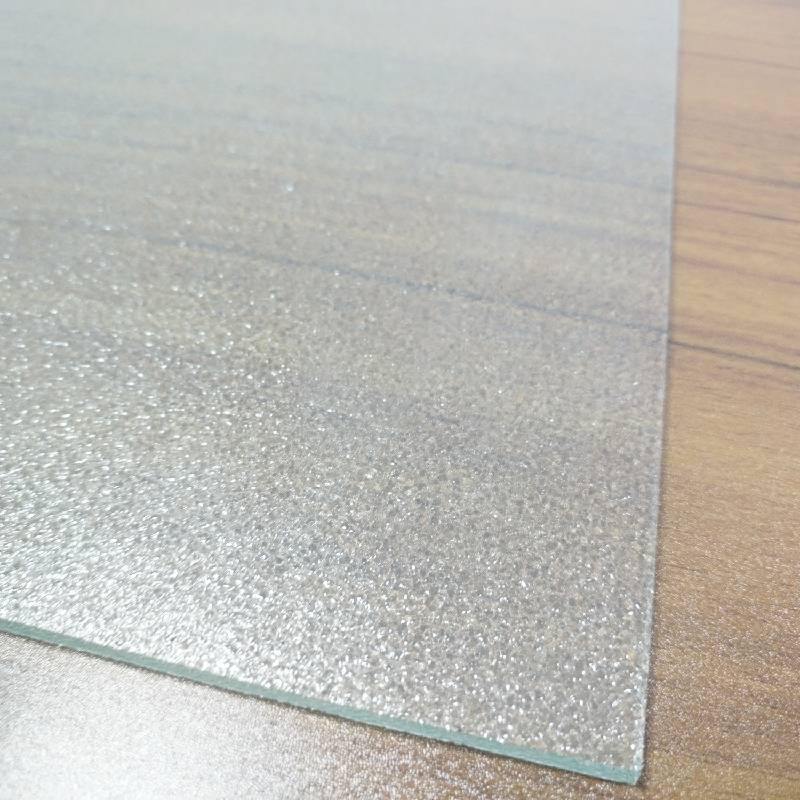
Standards you’ll likely specify: ASTM C1036/C1048, EN 12150 & EN 12600 for safety glazing, ANSI Z97.1 for North America, and GB/T 9963 for patterned glass. For public spaces, I’d always pick tempered or laminated 3mm 4mm Nashiji obscure pattern glass, even if the base sheet passes visual QA—safety first.
Factory lots typically ship with ISO 9001 QA traceability, CCC (China Compulsory Certification) where applicable, and CE DoP for tempered variants. Typical light transmittance (4 mm) comes in around 72–78% per lab cards, with haze high enough to obscure faces at ≈0.7 m. Always request current test reports with your PO—conditions change.
Professional Mirror Glass Cut to Size for Modern Interior Design
NewsApr.09,2026
Discover the Benefits of Custom Size Mirrors for Your Home or Business
NewsApr.07,2026
Custom Cut Mirror Solutions for Perfectly Sized Reflections and Design
NewsApr.04,2026
Enhance Your Space with Beautifully Crafted Custom Mirrors by SHZR Glass
NewsMar.31,2026
Is Mirror Glass Expensive A Detailed Cost Guide and Considerations
NewsMar.28,2026
Comprehensive Guide to Mirror Glass Price Quality and Factors Affecting Cost
NewsMar.26,2026