

Dec . 18, 2024 01:20
The Versatility and Impact of Architectural Glass Products
Architectural glass products play a pivotal role in modern construction and design, offering both aesthetic appeal and functional advantages. As urban landscapes evolve, the demand for innovative and sustainable materials has increased significantly. Architectural glass, known for its versatility, has emerged as a vital component in contemporary architecture, enhancing both the beauty and efficiency of buildings.
Types of Architectural Glass Products
Architectural glass encompasses a wide range of products, each tailored to serve specific purposes
. Common types include tempered glass, laminated glass, insulated glass units (IGUs), and decorative glass.1. Tempered Glass This type of glass is heat-treated to increase its strength and safety. It is often used in facades and windows, providing enhanced durability and resistance to breakage. In the event of shattering, tempered glass breaks into small, blunt pieces, minimizing the risk of injury.
2. Laminated Glass Composed of two or more layers of glass held together by an interlayer, laminated glass offers superior sound insulation and UV protection. This glass is particularly popular in skylights, glass floors, and areas where safety and noise reduction are priorities.
3. Insulated Glass Units (IGUs) These consist of two or more panes of glass separated by a spacer and sealed together, creating an insulating barrier that improves energy efficiency. They help control indoor temperatures and reduce heating and cooling costs, making them an excellent choice for windows in commercial and residential buildings.
4. Decorative Glass This category includes etched, frosted, and colored glass, which can enhance the visual appeal of a space. Decorative glass is often used in interior partitions, doors, and facades to create stunning designs that personalize architectural environments.
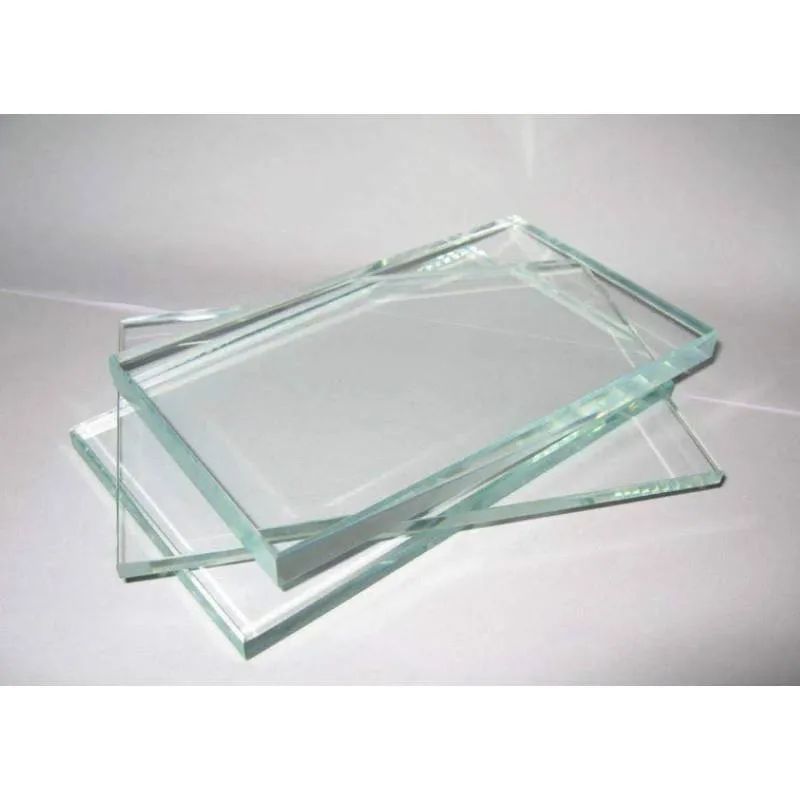
Advantages of Architectural Glass
Architectural glass products come with a multitude of benefits that elevate their importance in modern architecture.
1. Aesthetic Appeal One of the most striking advantages of architectural glass is its aesthetic versatility. Glass can transform a structure's appearance, making it more contemporary and inviting. With the ability to incorporate various colors, patterns, and textures, architects can create visually stunning designs that resonate with both functionality and art.
2. Natural Light and Views Glass is unparalleled when it comes to maximizing natural light within a space. Large glass panels or entire glass walls allow sunlight to flood interiors, reducing the need for artificial lighting and creating a more inviting atmosphere. Additionally, well-placed glass elements can frame outdoor views, enhancing the connection between indoor and outdoor spaces.
3. Energy Efficiency Architectural glass products have made significant strides in energy efficiency. Advanced coatings and double or triple glazing technologies reduce heat transfer, ensuring that indoor environments remain comfortable year-round. This not only benefits the occupants but also contributes to lower energy bills and a reduced carbon footprint.
4. Safety and Security With advancements in glass technology, safety features have improved dramatically. Laminated and tempered glass provides the necessary strength and security against accidental breakage while also offering protection against intruders. Furthermore, fire-rated glass products are available to comply with safety regulations, ensuring that architectural designs meet stringent safety standards.
Conclusion
Architectural glass products have revolutionized the field of construction and design by combining functionality, safety, and beauty. Their adaptability allows architects and designers to push boundaries and explore new possibilities in building design. As sustainability continues to be a priority in the construction industry, the innovation surrounding architectural glass will undoubtedly play a crucial role in creating efficient, beautiful, and enduring structures. The future of architecture lies in the seamless integration of these products, reflecting an ever-evolving understanding of design and environmental responsibility.
Premium Custom Bathroom Mirrors for Modern Home Interior Design
NewsApr.16,2026
Professional Mirror Glass Cut to Size for Modern Interior Design
NewsApr.09,2026
Discover the Benefits of Custom Size Mirrors for Your Home or Business
NewsApr.07,2026
Custom Cut Mirror Solutions for Perfectly Sized Reflections and Design
NewsApr.04,2026
Enhance Your Space with Beautifully Crafted Custom Mirrors by SHZR Glass
NewsMar.31,2026
Is Mirror Glass Expensive A Detailed Cost Guide and Considerations
NewsMar.28,2026