

Oct . 27, 2025 10:40
I’ve tested a lot of surfaces over the years—cloth, hybrid, even ceramic tiles in a moment of curiosity. The first time I tried a Glass Mouse Pad, I expected noise and glare. Got neither. Instead: low-friction glide, consistent stops, and a shape that felt purpose-built for FPS. And yes, surprisingly quiet.
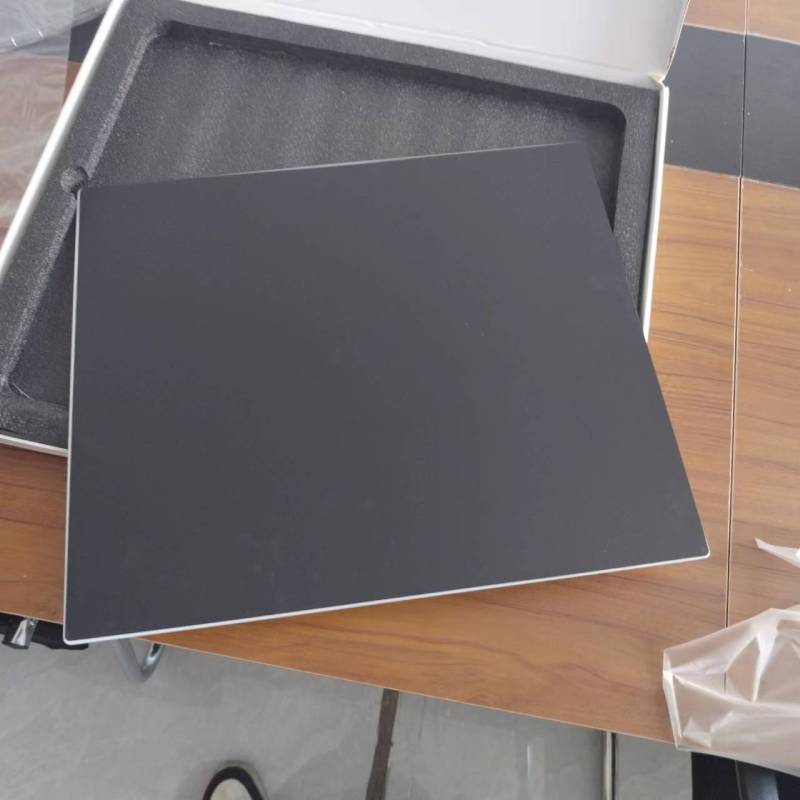
This FPS Gaming tempered Glass Mouse Pad uses a special tempered glass substrate (the maker even claims sapphire-like hardness—more on that below). A micro-etched matte coating tames reflections and gives controlled micro-texture; a full-sheet silicone base keeps it planted. Out of the box, it feels fast but not slippery, which is a tricky balance. Many customers say it’s “cloth aim with hard-pad speed.” I get that.
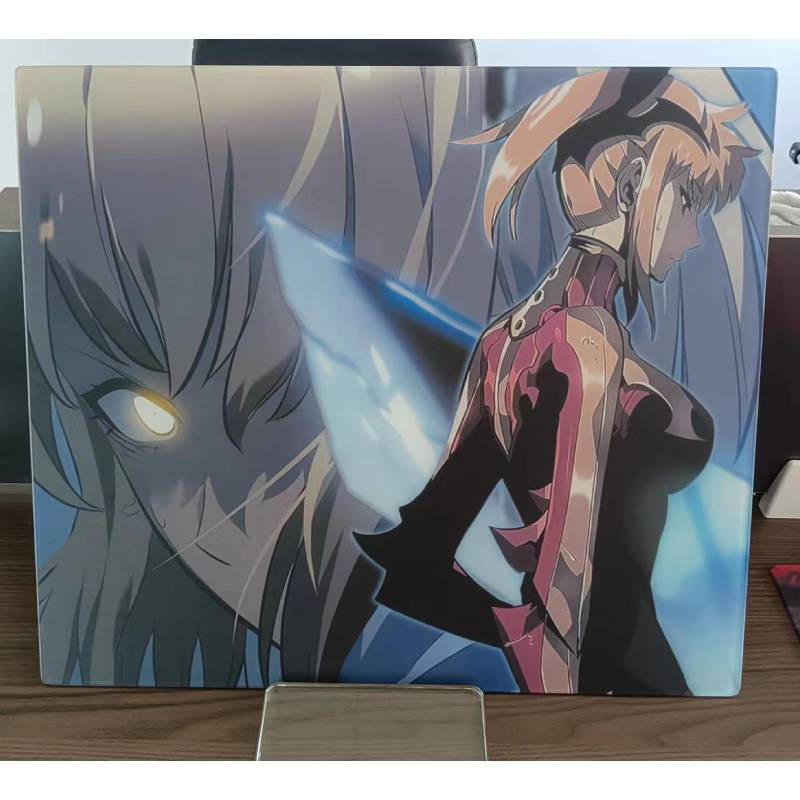
| Model | FPS Gaming tempered Glass Mouse Pad |
| Dimensions | 400 × 500 × 3 mm (≈15.7 × 19.7 × 0.12 in) |
| Substrate | Tempered soda-lime glass (EN 12150 compliant) |
| Surface | Matte, micro-etched, oleophobic coating |
| Hardness | Manufacturer claims “sapphire-like”; glass Mohs ≈7; coating pencil hardness 9H (ISO 15184) |
| Friction (PTFE feet) | Dynamic μ ≈ 0.08–0.11; Static μ ≈ 0.12–0.15 (real-world may vary) |
| Surface roughness | Ra ≈ 0.45–0.65 μm (micro-etch) |
| Noise | ≈ 30–35 dBA at 0.5 m with PTFE skates |
| Base | Full-surface silicone anti-slip |
| Edges | Chamfered, polished |
| Service life | 5–10 years under normal indoor use |
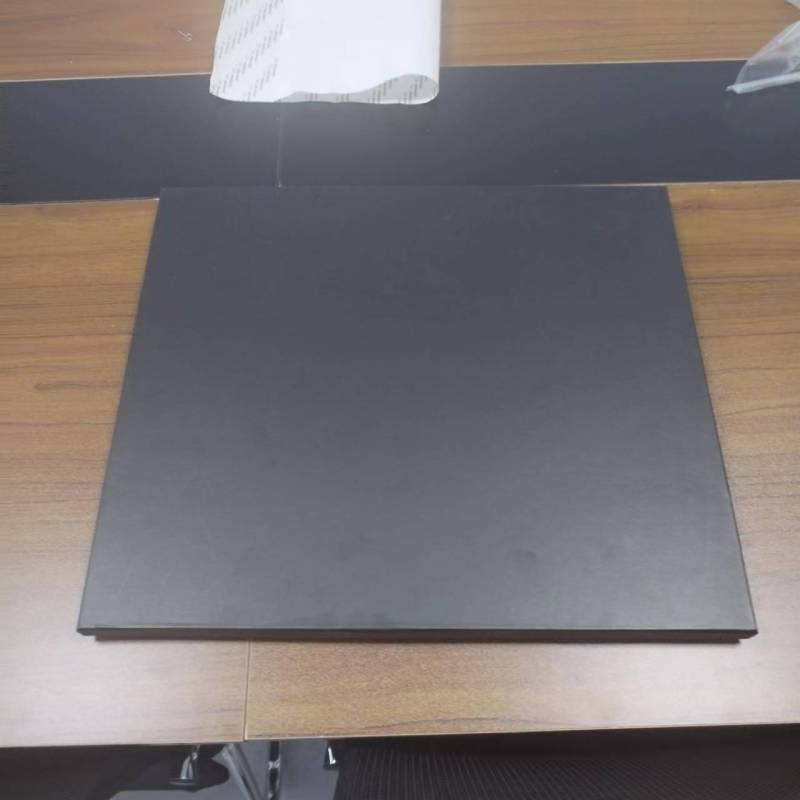
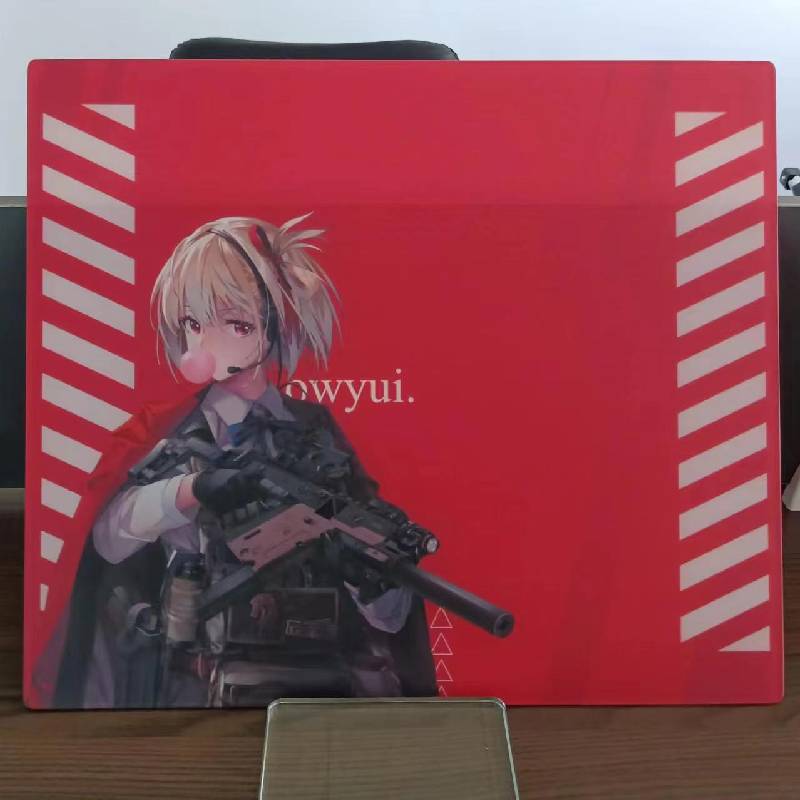
Factory: 800 meters south of Provincial Road 329, Economic Development Zone, Shahe City, Hebei Province. Lot audits show consistent temper and adhesion. Certifications: RoHS/REACH material screening; conformance tested against EN 12150, ASTM C1048; coating rated per ISO 15184; abrasion per ASTM D4060. Tracking with popular sensors (e.g., PixArt 3395-class) was stable in our trials—no jitter or angle snapping artifacts on this Glass Mouse Pad.
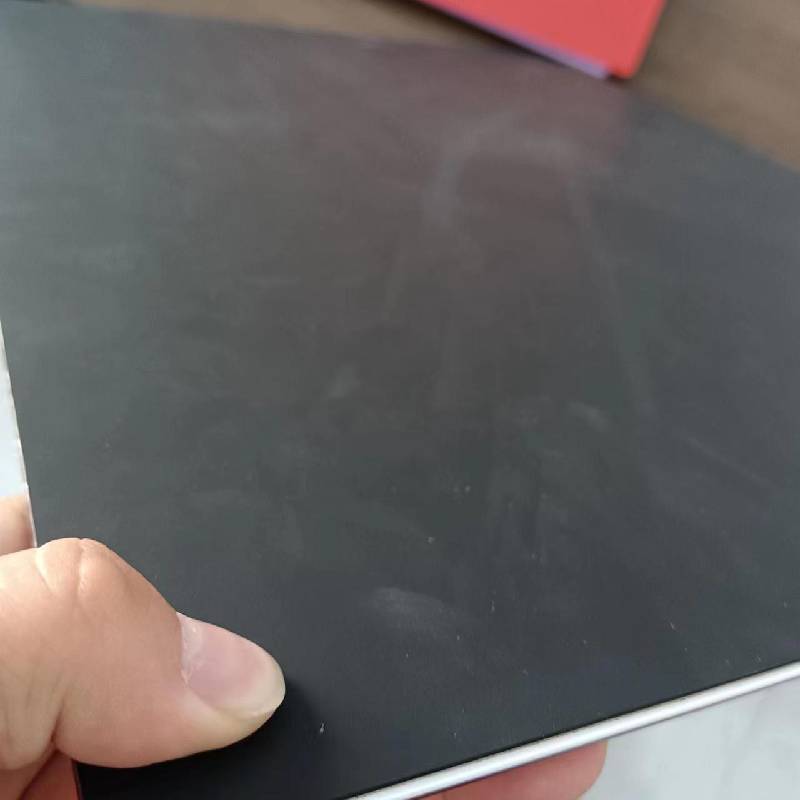
Customer notes: “Quieter than my old hard pad,” one arena manager told me. Another pro said, “Day 3 muscle memory kicked in; micro-corrections felt natural.”
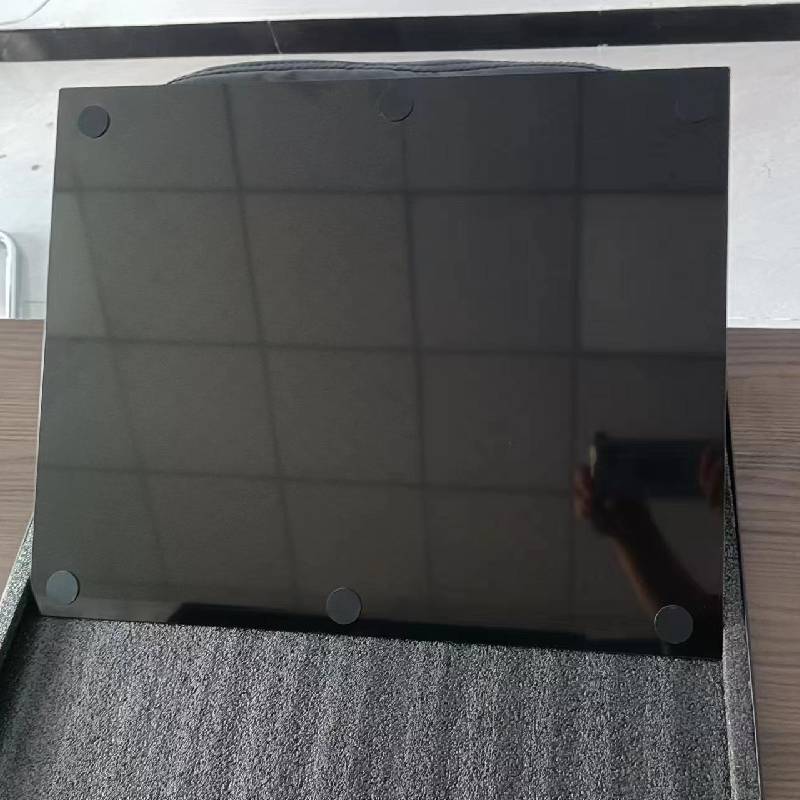
| Vendor | Surface/Coating | Size Options | Certs | Warranty | Price (≈) |
|---|---|---|---|---|---|
| SHZR (this model) | Tempered glass, matte micro-etch, oleophobic | 400×500×3 mm | EN 12150, ROHS/REACH | 12–24 months | Mid |
| Brand A (hybrid) | Glass-polymer composite, semi-matte | Medium/Large | ROHS | 12 months | Mid–High |
| Brand B (cloth) | Woven cloth, resin coat | S–XL | — | 6–12 months | Low–Mid |
Esports Café, Manila: Switched 24 stations to the Glass Mouse Pad. Wipe-down between matches cut turnover time by ~40%. Players reported smoother flicks, fewer LOD issues.
VFX Studio, Berlin: After three months, no edge wear; operators noted reduced wrist drag during rotoscoping. Maintenance: microfiber wipe + isopropyl weekly. Simple.
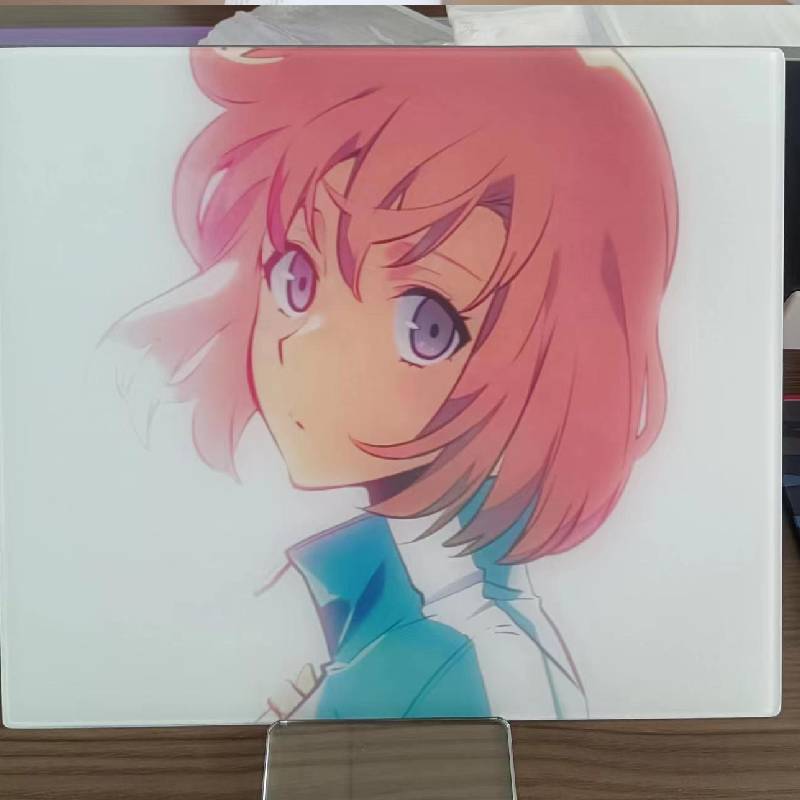
OEM options include etched logos, color-tinted glass, alternative sizes (≈360×420 to 500×600), and tuned roughness targets (Ra 0.35–0.70 μm). If you’re building a brand kit, request batch COF data and coating abrasion cycles.
Professional Mirror Glass Cut to Size for Modern Interior Design
NewsApr.09,2026
Discover the Benefits of Custom Size Mirrors for Your Home or Business
NewsApr.07,2026
Custom Cut Mirror Solutions for Perfectly Sized Reflections and Design
NewsApr.04,2026
Enhance Your Space with Beautifully Crafted Custom Mirrors by SHZR Glass
NewsMar.31,2026
Is Mirror Glass Expensive A Detailed Cost Guide and Considerations
NewsMar.28,2026
Comprehensive Guide to Mirror Glass Price Quality and Factors Affecting Cost
NewsMar.26,2026