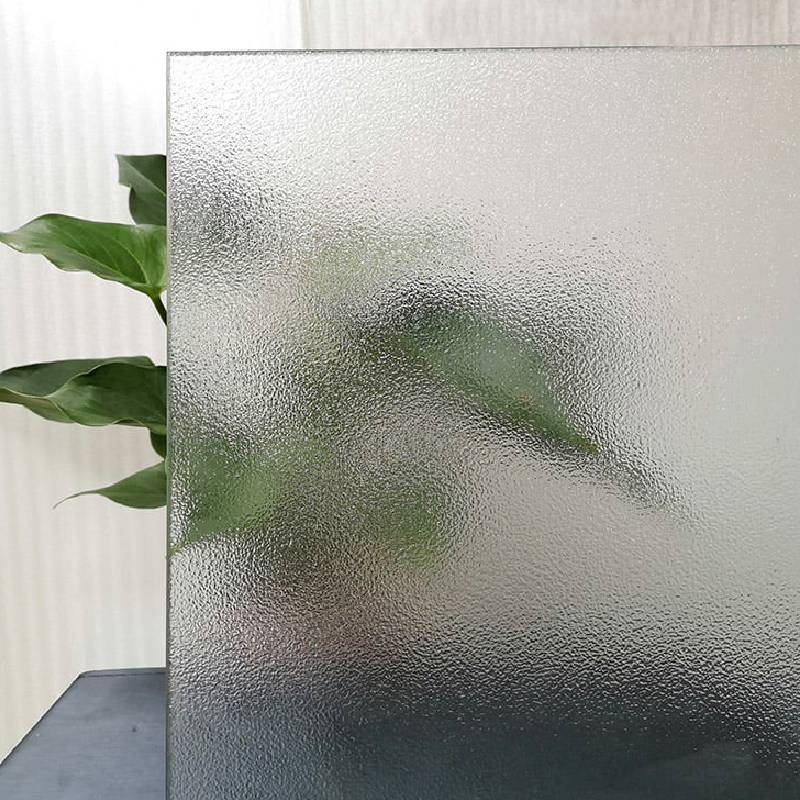
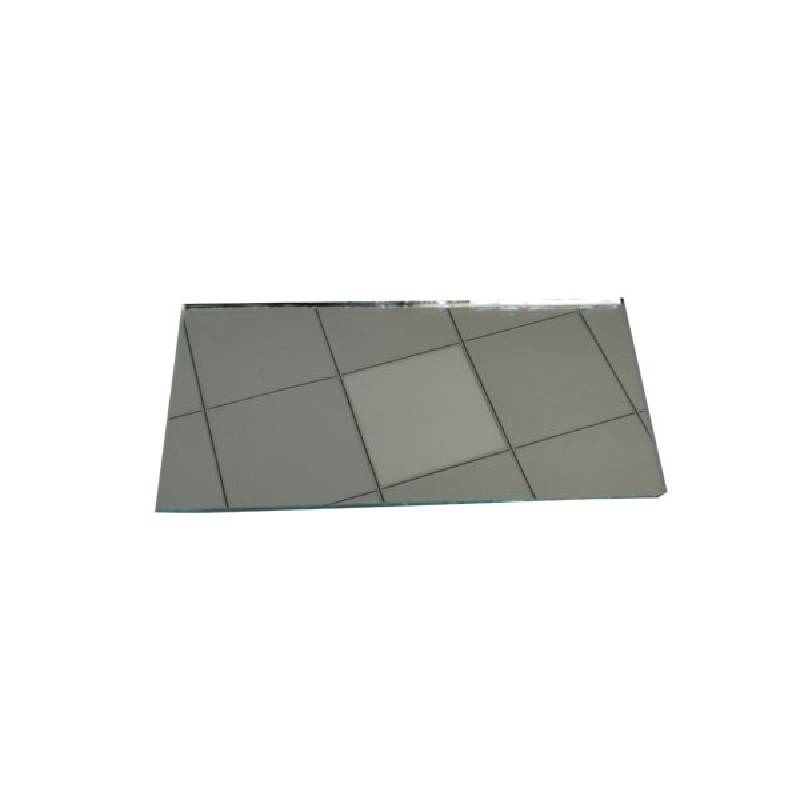
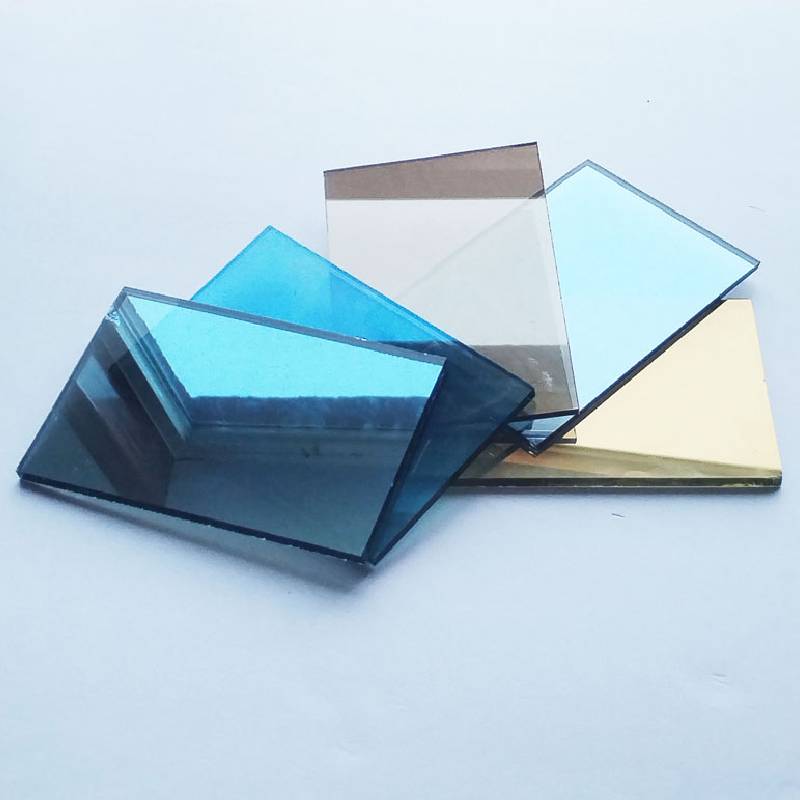
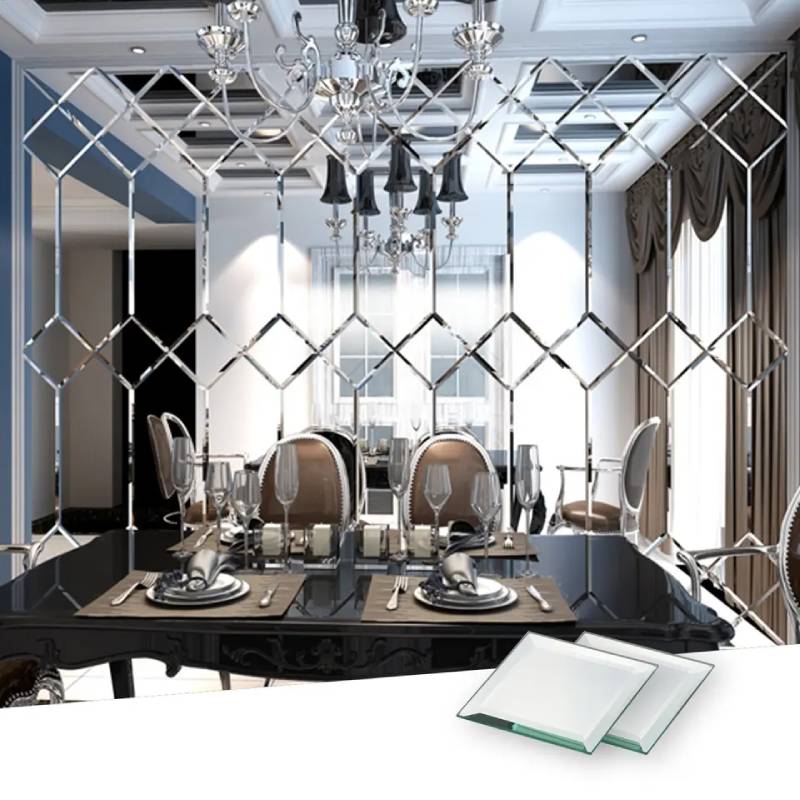
High-Performance grey float glass Solutions for Central African Republic

Premium architectural glass engineering designed to withstand tropical climates and enhance urban infrastructure in the heart of Africa.

High-Performance grey float glass Solutions for Central African Republic

Integrating advanced material science with architectural needs to provide durable, energy-efficient glass sheets for the Central African Republic market.

Current Glass Market Landscape in Central African Republic

Analyzing the intersection of infrastructure growth and environmental challenges.

The construction sector in the Central African Republic is currently characterized by a heavy reliance on imported materials. Due to the intense equatorial sun and high humidity, there is a growing demand for float glass that can manage heat gain and provide structural integrity for burgeoning commercial hubs in Bangui.

Logistical complexities often lead to a shortage of specialized glass. While clear glass remains the standard for basic residential needs, the shift toward modern office complexes has sparked a need for tinted options to reduce air conditioning costs in the tropical heat.

Furthermore, the local market is transitioning from fragmented, low-quality imports to standardized, certified products. This evolution emphasizes the need for a consistent supply of plain glass sheet that meets international safety and thickness tolerances for safer urban development.
Evolution and Trajectory of Architectural Glass

From traditional glazing to high-efficiency thermal barriers.

Market Development History

In the early 2000s, the Central African Republic primarily utilized basic hand-cut glass for residential projects, which lacked uniformity and thermal efficiency, often leading to high energy costs.

By 2010-2015, the introduction of industrial-grade transparent glass allowed for the development of larger storefronts and government buildings, improving natural lighting and aesthetic value.

From 2018 to the present, the market has seen a surge in "Green Building" concepts, where specialized coatings and tinted glasses are used to combat the extreme UV radiation characteristic of the region.

Future Development Trends

Smart Solar Integration

The adoption of photovoltaic-integrated glass is expected to rise, turning building envelopes into energy generators to support the local power grid.

Enhanced Thermal Insulation

A shift toward double-glazed units using low-iron glass will likely dominate the high-end commercial sector to ensure indoor climate stability.

Sustainable Sourcing

Increasing pressure for LEED-certified materials will drive the demand for glass manufactured through carbon-reduced smelting processes.

Industry Trends and Future Outlook

Strategic foresight into the non-metallic mineral products sector.


UV Radiation Control
Development of high-absorbance tints to protect interiors from extreme equatorial sunlight.

Modular Installation
Increasing use of prefabricated glass panels to reduce on-site labor and installation errors.

Impact Resistance
Growth in toughened and laminated glass to enhance safety in high-traffic urban areas.

Energy Certification
Compliance with global energy-saving standards to attract foreign investment in real estate.

Industry Outlook

Google search trends indicate a significant rise in queries related to "energy-efficient building materials" and "heat-reducing glass" across Central Africa. This suggests that developers are moving away from simple transparency toward functional performance.

Over the next 3-5 years, we expect the integration of smart-glass technologies that adjust opacity based on light intensity, directly addressing the extreme sunlight levels of the region while maintaining the elegance of modern architecture.

Localized Application Scenarios in Central African Republic

Practical implementations of our glass solutions in real-world environments.

1. Commercial Office Hubs in Bangui

Utilizing grey float glass for exterior curtain walls to reduce glare and cooling costs while maintaining a professional corporate aesthetic.

2. Residential Luxury Villas

Application of high-clarity transparent glass for floor-to-ceiling windows that blend indoor living spaces with the lush tropical outdoors.

3. Government Administrative Buildings

Installation of thick, reinforced plain glass sheet for secure partitioning and durable entryways that withstand heavy daily usage.

4. Retail Shopping Centers

Deployment of large-format clear glass storefronts to maximize product visibility and invite pedestrian traffic in urban markets.

5. Industrial Greenhouse Projects

Using specialized float glass with high light transmission for agricultural research centers, ensuring optimal crop growth under managed sunlight.

Brand Story

Global Development Process of Shahe Zhuirui Glass Products Co., Ltd.

Foundation of Quality

Established with a vision to solve the inconsistency of architectural glass, focusing on precision manufacturing and raw material purity.

Technological Breakthrough

Invested in advanced floating processes to eliminate distortions, ensuring that every sheet meets the strictest international flatness standards.

Global Expansion

Expanded our supply chain to reach emerging markets in Africa, overcoming logistical barriers to provide high-quality glass to remote regions.

Eco-Friendly Innovation

Launched a series of energy-saving glass products specifically designed for tropical climates to reduce the global carbon footprint of buildings.

Industry Leadership

Today, we stand as a trusted partner for architects worldwide, bridging the gap between industrial capability and architectural creativity.

Comprehensive Glass Portfolio for Central African Republic

A curated selection of high-performance glass products for every construction need.

Frequently Asked Questions in the Local Market

Expert answers to common technical and logistical queries.

How does grey float glass help in reducing indoor temperatures?

Grey float glass contains specific metal oxides that absorb a portion of the solar energy, significantly reducing the amount of heat transferred into the building compared to standard clear glass.

What is the best thickness for plain glass sheet in commercial windows?

For commercial applications in the Central African Republic, we typically recommend a thickness of 6mm to 10mm to ensure structural stability against wind loads and environmental pressure.

Is transparent glass suitable for high-UV equatorial regions?

While transparent glass offers maximum light, for equatorial regions, we suggest combining it with UV-resistant coatings or using it in double-glazed units to prevent interior fading.

How do you ensure the safety of clear glass during long-distance shipping to Bangui?

We utilize reinforced wooden crates and moisture-proof packaging, with specialized spacers between sheets to prevent friction and breakage during transit.

What are the maintenance requirements for float glass in humid climates?

Regular cleaning with non-abrasive agents is recommended to prevent the buildup of tropical pollutants and mineral deposits from rainwater.

Can float glass be customized for specific architectural shapes?

Yes, our float glass can be precisely cut and edge-processed to meet specific architectural blueprints, ensuring a seamless fit for modern design projects.

Get Professional Glass Consultation

Ready to elevate your construction project in Central African Republic? Our technical team is here to provide tailored glass solutions.

Contact Us Now
Copyright © 2026 All Rights Reserved. Sitemap | Privacy Policy | Top Blog | Global Service | Hot Products

If you are interested in our products, you can choose to leave your information here, and we will be in touch with you shortly.