

Oct . 17, 2025 07:50
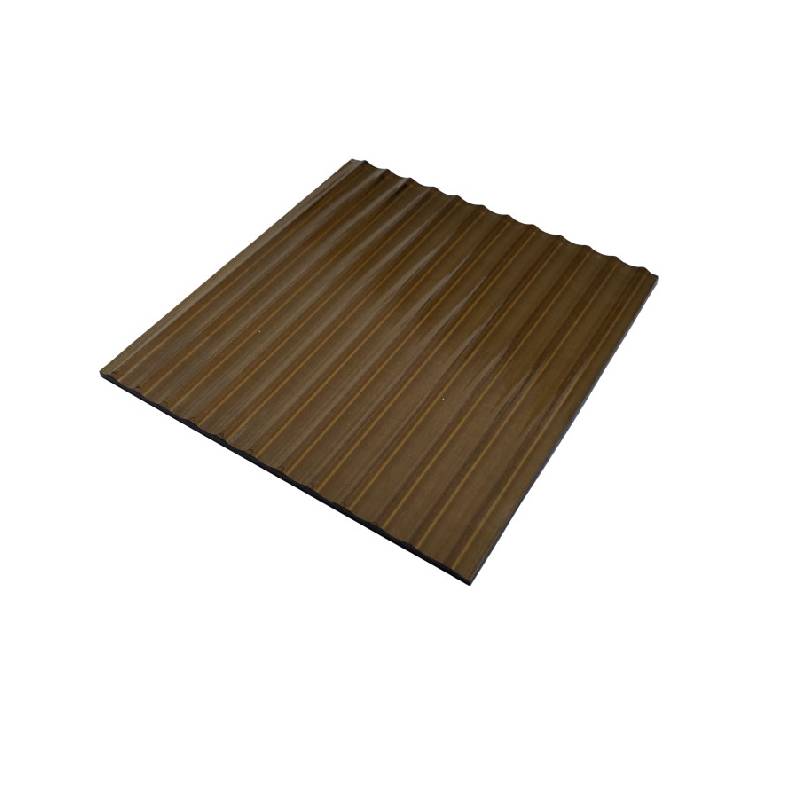
If you’ve been walking through boutique hotels or minimalist cafés lately, you’ve seen it: the softly ribbed partition that glows without giving everything away. That’s moru glass texture—sometimes called reeded or fluted—and it’s having a real moment. To be honest, the comeback surprised even long-time glaziers I spoke to; privacy glass was supposed to be utilitarian. Yet here we are, specifying it for premium retail, wellness, and residential projects because it filters light in a way that feels calm and intentional.
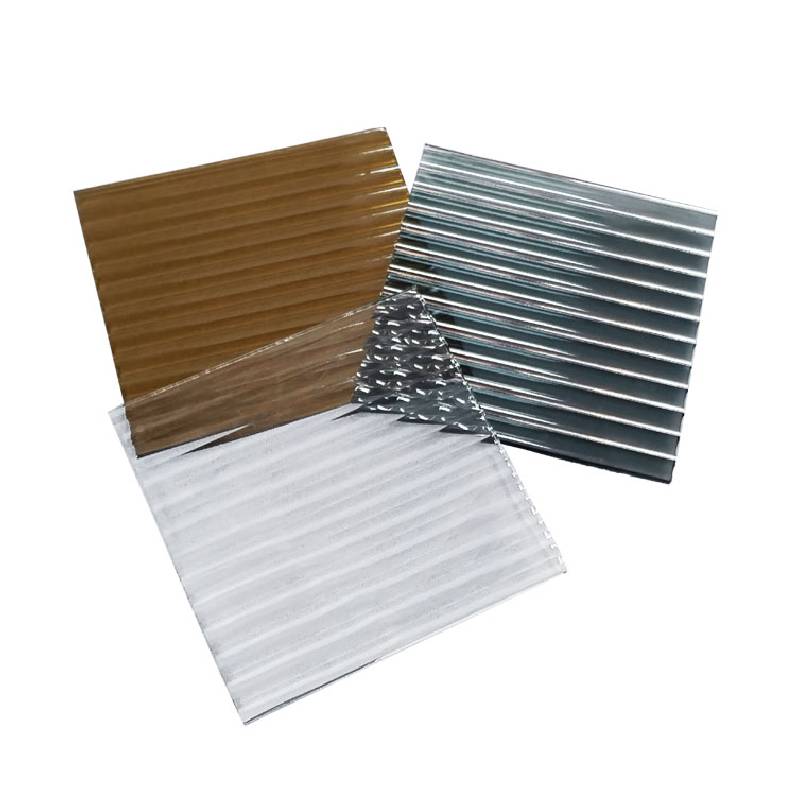
Three forces converge: the “quiet luxury” interior mood, energy-conscious daylighting, and the need for zones without walls. Many customers say moru glass texture strikes the balance—light-transmissive yet non–see-through. In hospitality and F&B, it’s a go-to for screening prep areas while keeping the vibe open. In homes, it’s a polite way to hide the laundry nook (we’ve all been there) without killing light.
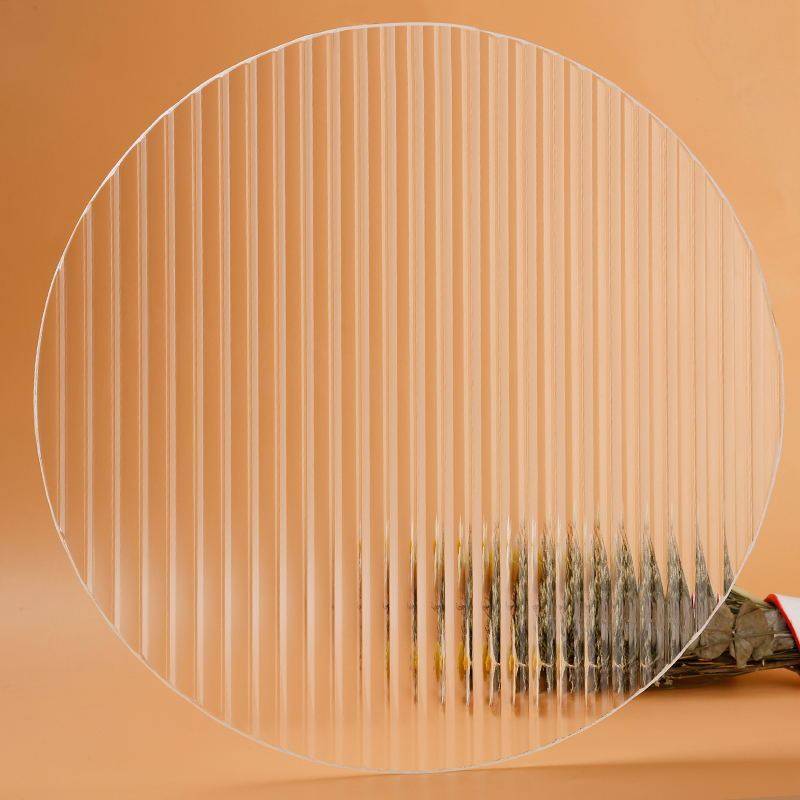
| Product | 4mm Moru pattern fluted glass |
| Pattern/orientation | Vertical striped ribs; install vertical or horizontal |
| Visible light transmittance (VLT) | ≈ 70–85% (real-world use may vary with tint/lamination) |
| Obscuration/privacy | High; objects appear softly out of focus |
| Standard size | Up to 1830 × 2440 mm; cut-to-size available |
| Options | Tempered, laminated (PVB/EVA), IGU, edge seaming, tint |
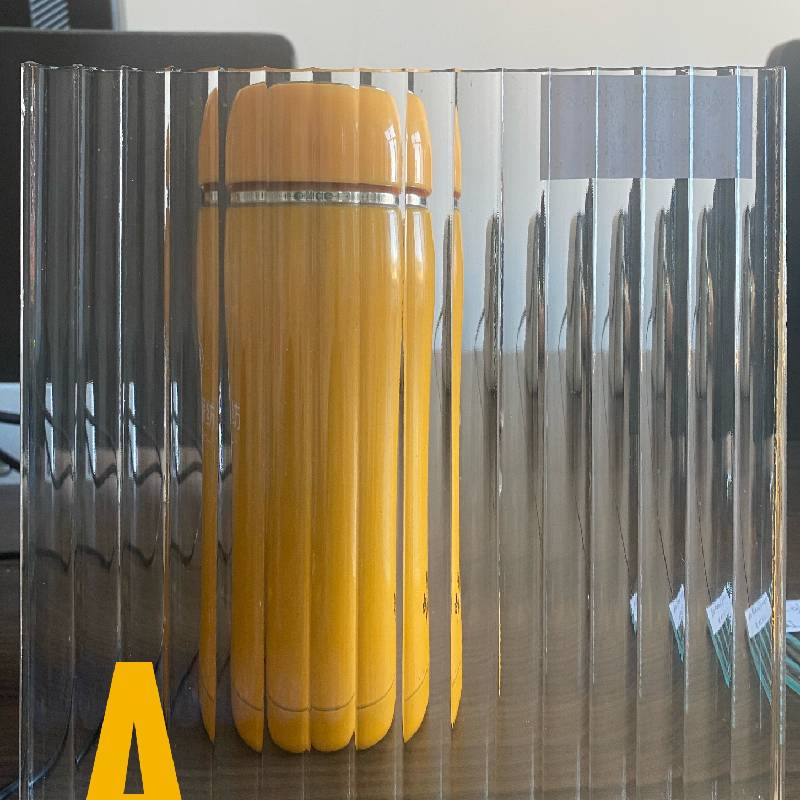
The glass begins as float—silica sand, soda ash, limestone—then, during cooling, it’s rolled through a vertical ribbed roller that forms the iconic surface. The result is that blurred matte effect designers love. After annealing and cutting, it can be tempered or laminated when safety glazing is required.
Testing and standards typically referenced: EN 572-5 for patterned glass; EN 12600 and ANSI Z97.1 for safety glazing when tempered/laminated; ISO 9050 for optical data; ASTM C1048 for heat-treated glass. Service life? Around 25–35 years in architectural interiors with basic care; edges and hardware selection matter more than most admit.
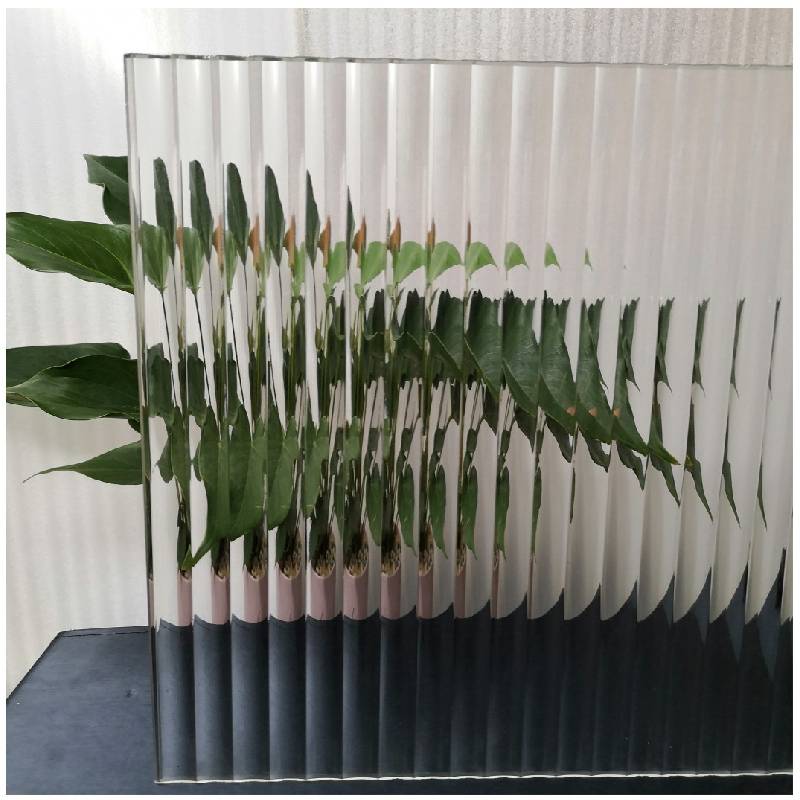
Advantages: glare control, fingerprint friendliness, and—surprisingly—better concealment of minor surface wear than planar clear glass. Many customers report moru glass texture feels “calmer” in bright rooms.
| Vendor | Typical MOQ | Lead time | Certs | Customization |
|---|---|---|---|---|
| SHZR Glass (Shahe, Hebei) | ≈ 50–80 m² | 7–15 days | ISO 9001; EN/ANSI tested | Cut-to-size, tint, temper, laminate |
| Vendor B (Regional) | ≈ 100 m² | 15–25 days | ISO 9001 | Limited tint; temper |
| Vendor C (Boutique) | ≈ 30 m² | 20–30 days | Project-based | Custom patterns on request |
Note: real-world lead times shift with tempering queues and lamination backlogs.
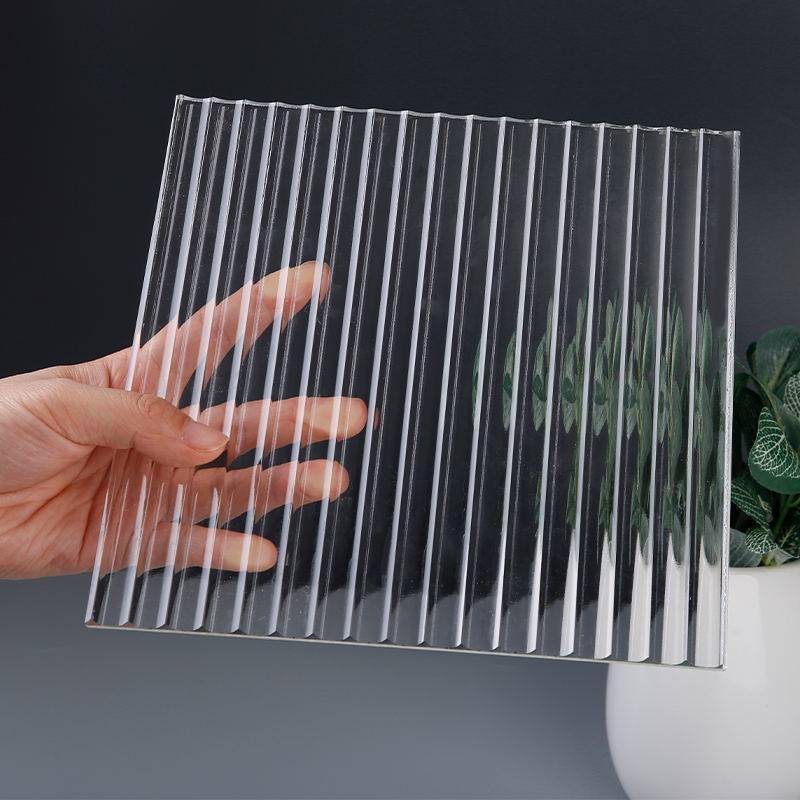
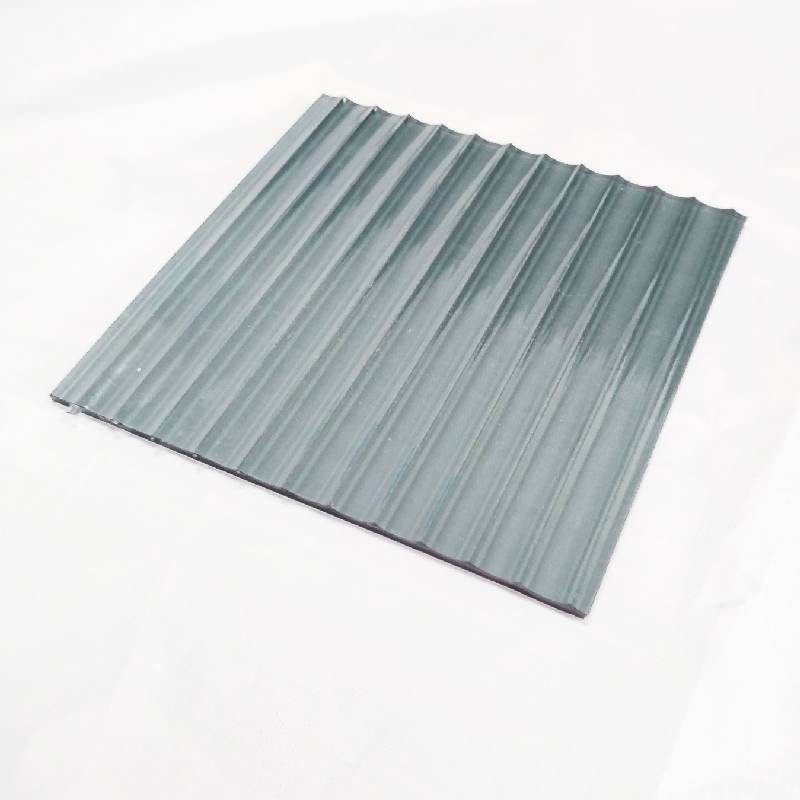
Tints (bronze, gray, green), acid-etched faces, and orientation tweaks keep moru glass texture fresh across collections. From SHZR’s site at “800 meters south of Provincial Road 329, Economic Development Zone, Shahe City, Hebei Province,” crates ship with paper interleaves and corner guards—small detail, big reduction in rub marks.
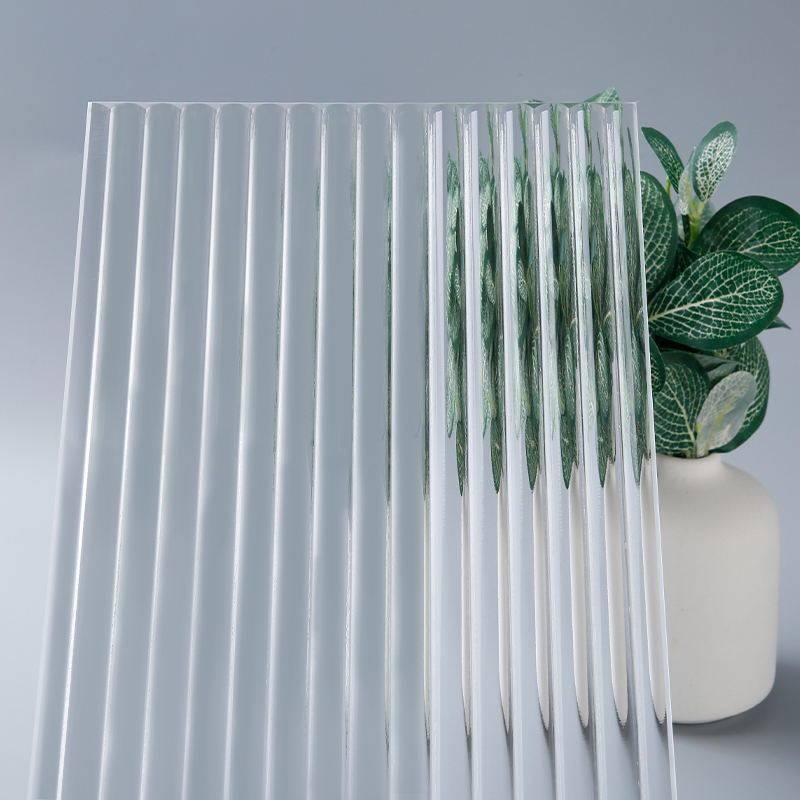
Hospitality lobby, Chengdu: 10 mm laminated fluted screens cut glare near the bar. Operator feedback: “Day-to-night transitions are smoother; guests don’t feel on display.”
Co-working pods, Shenzhen: 4 mm fluted + 4 mm clear laminated. Users say moru glass texture “feels private but not boxed in.” Acoustic bump measured ≈ +3–5 dB over monolithic.
References
Premium Custom Bathroom Mirrors for Modern Home Interior Design
NewsApr.16,2026
Professional Mirror Glass Cut to Size for Modern Interior Design
NewsApr.09,2026
Discover the Benefits of Custom Size Mirrors for Your Home or Business
NewsApr.07,2026
Custom Cut Mirror Solutions for Perfectly Sized Reflections and Design
NewsApr.04,2026
Enhance Your Space with Beautifully Crafted Custom Mirrors by SHZR Glass
NewsMar.31,2026
Is Mirror Glass Expensive A Detailed Cost Guide and Considerations
NewsMar.28,2026