

Sep . 30, 2025 10:05
If you’ve ever looked at moru glass texture in a lobby or a café window and thought “why does this feel both vintage and sharp?”, you’re not alone. Designers keep asking for fluted stripes that transmit light but blur outlines—privacy without the gloom. The 4mm Moru pattern glass from Shahe, Hebei, sits right in that sweet spot; to be honest, it’s become a go-to in my project notes.
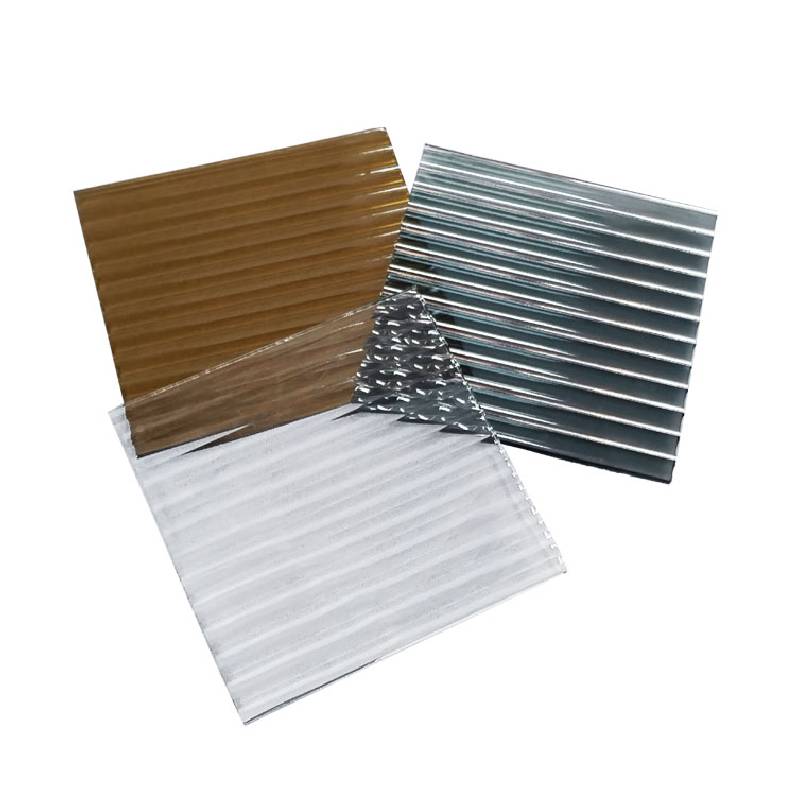
The fluted look is having a moment—hospitality and retail want warmth without mirrors, residential wants privacy without curtains. Many customers say it “softens the mess” of busy spaces; specifiers like that it tames glare through diffuse reflection. And yes, TikTok kitchens have helped—surprisingly.
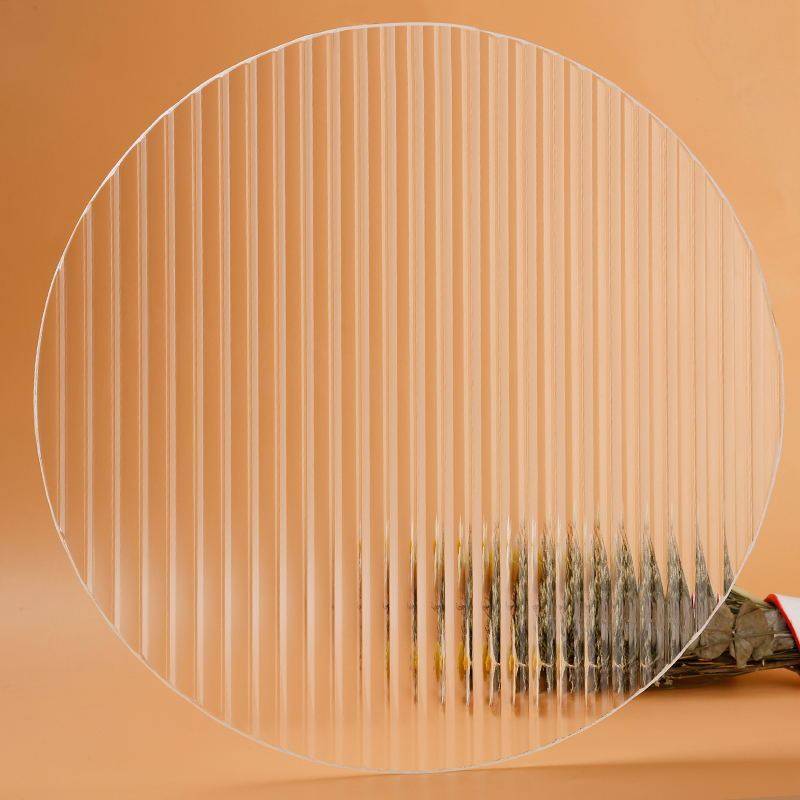
Base materials—silica sand, soda ash, limestone—are melted ≈1500°C. The molten ribbon passes under a precision roller engraved with vertical flutes; that imprint creates the moru glass texture. Then it’s annealed in a lehr to relieve stress, cut to size, edges finished. Optional: tempering (for safety glazing), lamination (PVB/EVA), or assembling into IGUs.
Quality teams usually check roller alignment (±0.2 mm typical), pattern depth uniformity, seeds/bubbles per m², and visual distortion per EN 572-5. Safety variants are validated to EN 12150/EN 12600 or ANSI Z97.1; solar properties can follow ISO 9050. Real-world durability? Interiors often see 20–30 years if edges are protected from moisture and cleaners are pH-neutral.
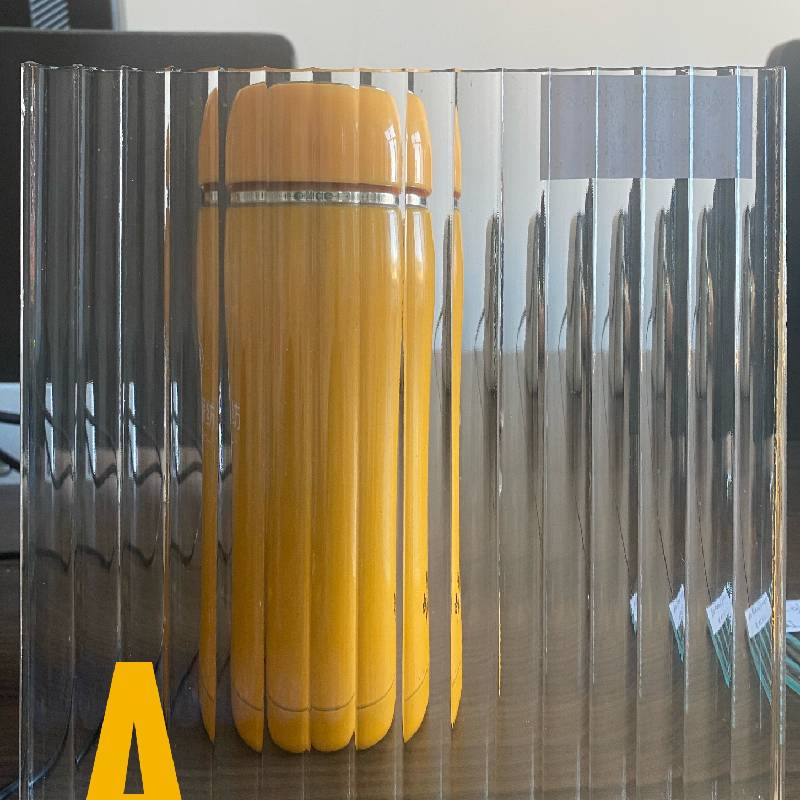
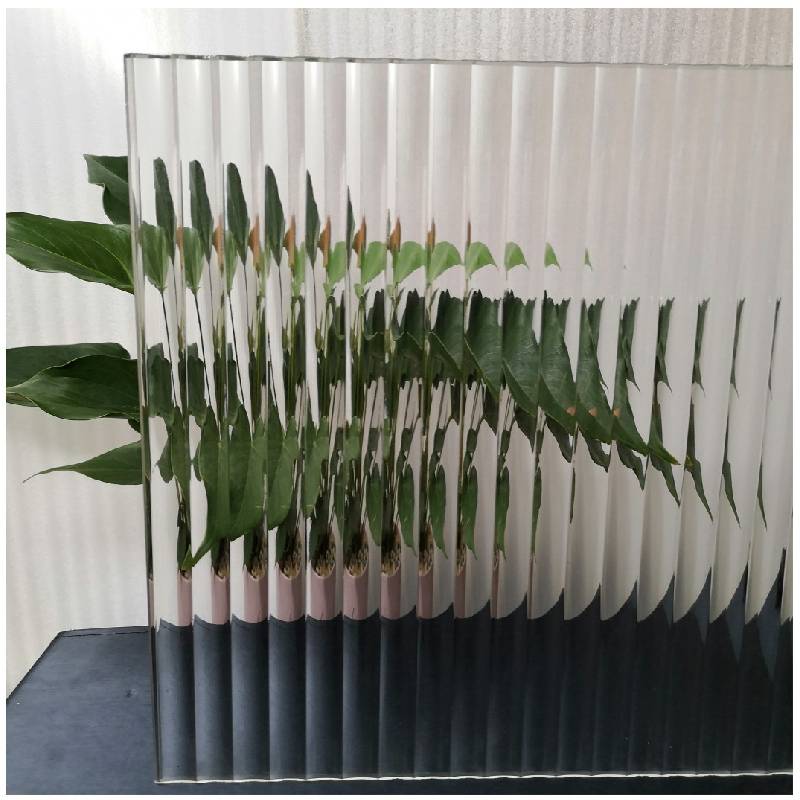
| Product | 4mm Moru pattern fluted glass |
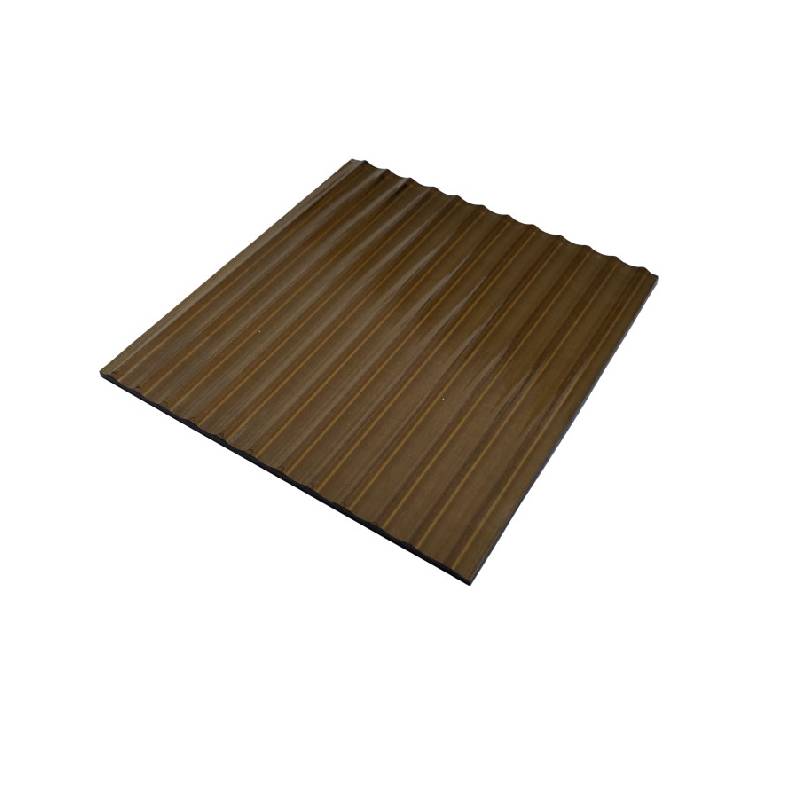
| Pattern | Vertical stripes, diffuse matte appearance |
| Visible Light Transmittance | ≈70–80% (internal tests; real-world use may vary) |
| Privacy/Haze | High; outlines blurred at >20–30 cm distance |
| Pattern depth | ≈1.5–2.0 mm at 4 mm thickness |
| Safety options | Tempered (EN 12150/ANSI Z97.1), laminated PVB/EVA |
| Edgework | Seamed, flat-polished, or arrised |
| Service life | ≈25 years interior with proper maintenance |
| Vendor | Lead time | Certs (on request) | Customization | Notes |
|---|---|---|---|---|
| SHZR Glass (Shahe, Hebei) | ≈10–20 days | EN 572-5, EN 12150/12600, ANSI Z97.1 | Cut-to-size, temper, laminate, IGU | Origin: 800 m S of Prov. Rd 329, Shahe |
| Vendor A (Guangdong) | ≈15–25 days | Similar | Limited stripe variants | Competitive on high volumes |
| Vendor B (EU importer) | Stock + 2–3 weeks | CE marking | Primarily stock sizes | Higher landed cost |
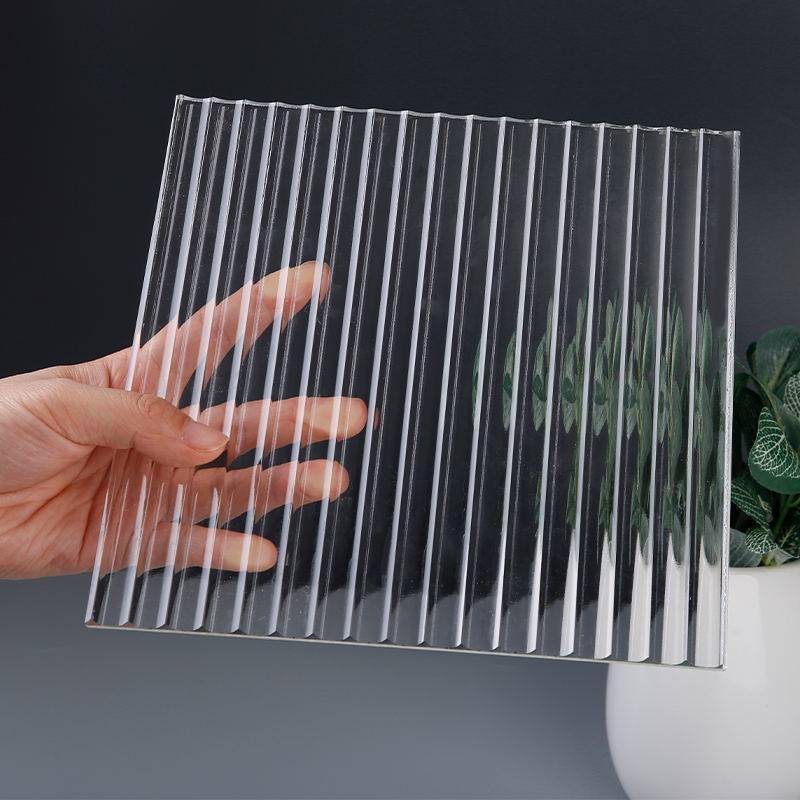
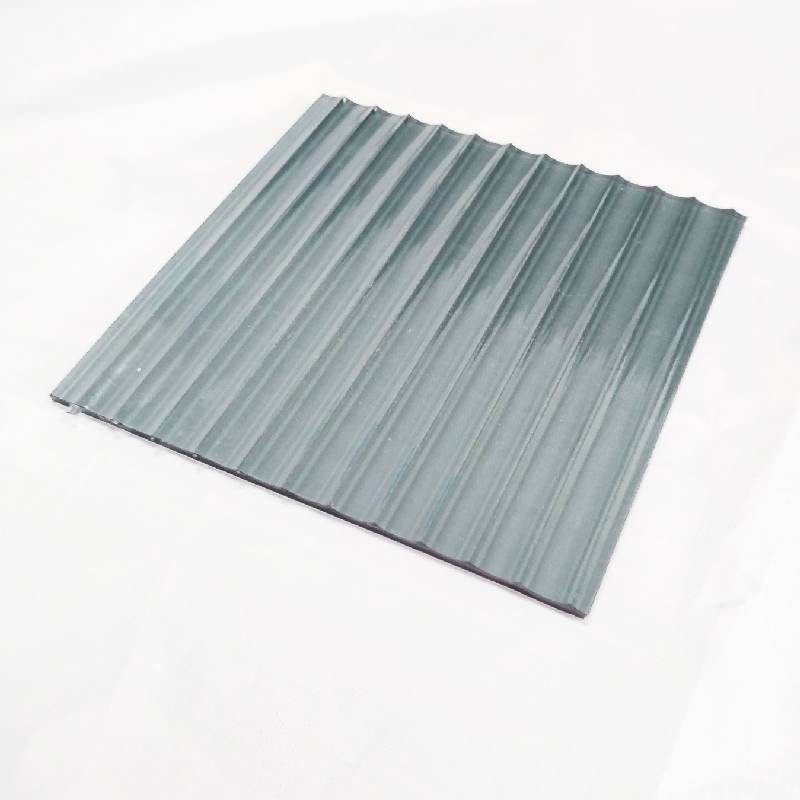
Ask about flute direction (vertical vs horizontal), tint (clear, grey, bronze), laminate interlayers, and edge prep. For wet zones, I’d specify tempered or laminated with sealed edges and silicone compatible with the moru glass texture surface.
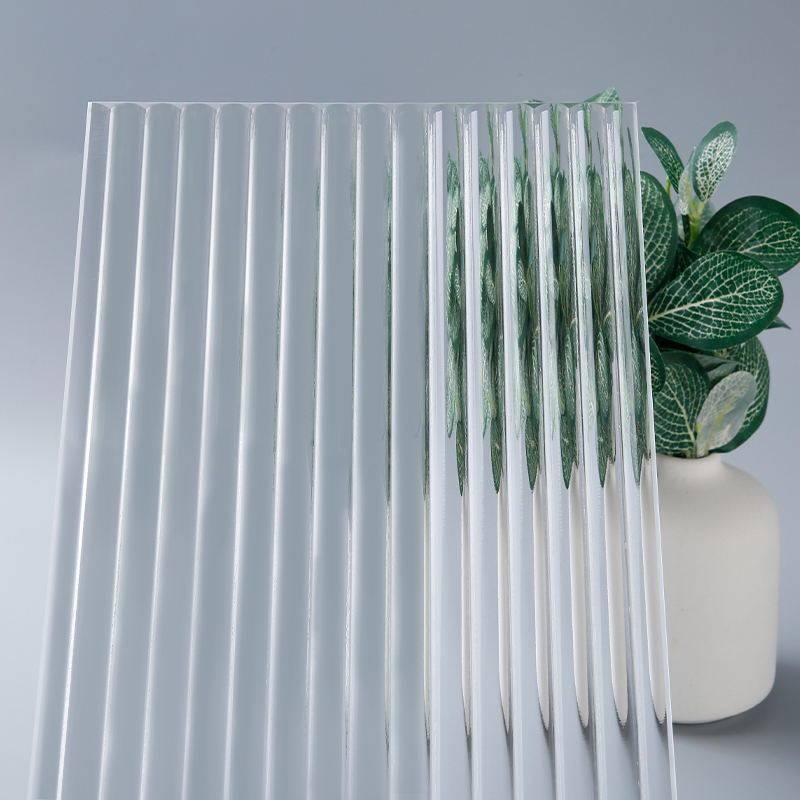
Boutique café, Seoul: 4mm fluted partitions cut the glare on a south-facing facade; staff said the soft blur “made clutter disappear.”
Residential ensuite, Melbourne: tempered 4mm in a laminated make-up for code; client feedback—“light stays airy, but I don’t feel on display.”
Fashion retail, Paris: cabinet doors with the moru glass texture hide back-stock; security liked that silhouettes read but SKU labels don’t.
Patterned glass falls under EN 572-5 and ASTM C1036 for quality. Safety variants should meet EN 12150/EN 12600 or ANSI Z97.1, with optical/solar data modeled per ISO 9050. Internal lab snapshots I’ve seen for 4mm show VLT ≈78% ±3 and haze ≈95% at normal incidence. Always confirm with project-specific mockups—finish, lighting, and background colors change everything.
Premium Custom Bathroom Mirrors for Modern Home Interior Design
NewsApr.16,2026
Professional Mirror Glass Cut to Size for Modern Interior Design
NewsApr.09,2026
Discover the Benefits of Custom Size Mirrors for Your Home or Business
NewsApr.07,2026
Custom Cut Mirror Solutions for Perfectly Sized Reflections and Design
NewsApr.04,2026
Enhance Your Space with Beautifully Crafted Custom Mirrors by SHZR Glass
NewsMar.31,2026
Is Mirror Glass Expensive A Detailed Cost Guide and Considerations
NewsMar.28,2026