

Sep . 22, 2025 13:25
In the dynamic world of architectural and interior design, material selection plays a pivotal role in defining ambiance and functionality. Among the myriad of choices, antique mirror wall panels have emerged as a sophisticated and versatile solution, offering a unique blend of vintage charm and contemporary elegance. These specialized glass products are not merely reflective surfaces; they are meticulously crafted design elements that introduce texture, depth, and a timeless aesthetic to diverse spaces. Their increasing popularity stems from their ability to evoke a sense of history and luxury, while simultaneously enhancing light and expanding perceived spatial dimensions. This article delves into the technical specifications, manufacturing processes, application scenarios, and key advantages that position these panels as a premium choice for discerning B2B clients, including interior designers, architects, hospitality developers, and luxury retail brands.
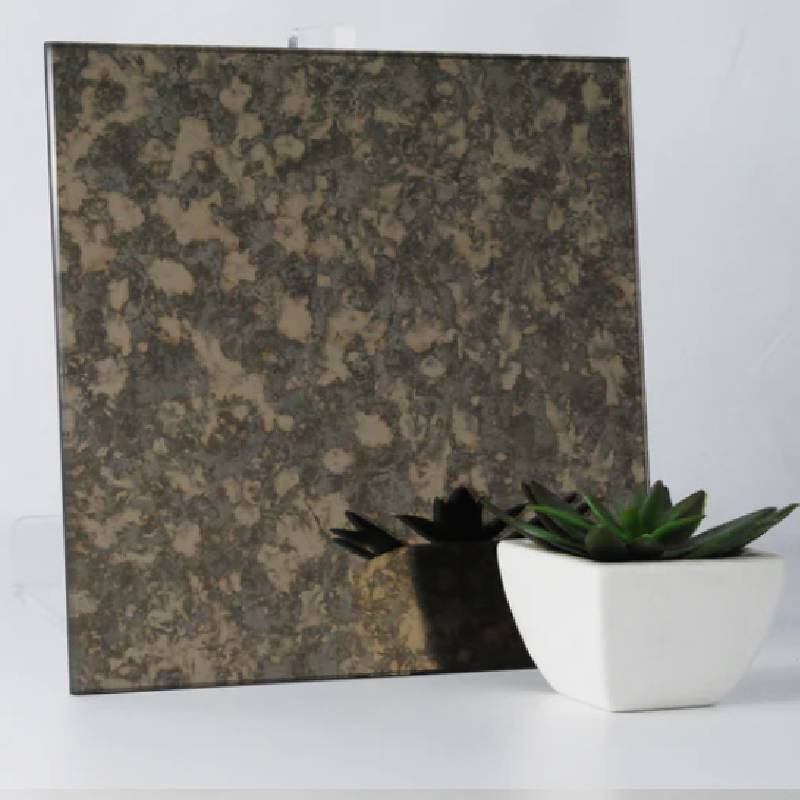
The demand for differentiated interior finishes has propelled antique mirrors into the forefront of high-end design. Unlike conventional clear mirrors, these panels feature a distressed, aged appearance, often characterized by subtle imperfections, mottled patinas, and varied reflective qualities. This deliberate "aging" process is achieved through specialized chemical treatments and coating techniques, resulting in patterns that range from softly clouded to heavily oxidized, replicating the wear and tear of centuries. The aesthetic versatility allows them to integrate seamlessly into both classic and ultra-modern environments, providing a focal point or a subtle background element that captivates attention.
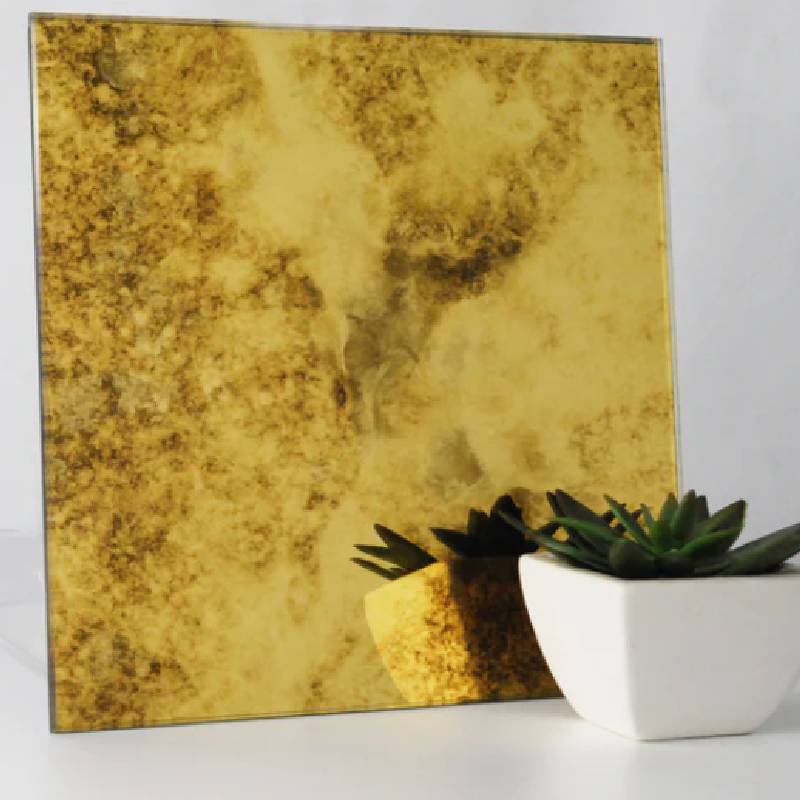
Current industry trends highlight a significant shift towards bespoke and experiential design, where unique material finishes are highly valued. The market for decorative glass, including antique mirror wall panels, is experiencing robust growth driven by demand in the hospitality, luxury residential, and high-end retail sectors. Architects and interior designers are increasingly specifying materials that offer both visual appeal and a narrative quality. Antique mirrors fulfill this need by adding character and warmth, transforming sterile environments into inviting spaces. The trend extends beyond purely aesthetic considerations to functional integration, where these panels can enhance lighting schemes, create optical illusions of space, and serve as durable, low-maintenance surfaces in high-traffic areas.
From an architectural perspective, the integration of antique mirrors offers profound opportunities for daylight management and interior illumination. Their unique reflectivity scatters light in a softer, more diffused manner compared to standard mirrors, reducing harsh glare while still brightening spaces. This characteristic is particularly advantageous in commercial settings like hotel lobbies or retail showrooms, where a sophisticated, welcoming glow is desired. Furthermore, the inherent durability and ease of cleaning for glass make antique mirror wall panels a practical choice for environments requiring longevity and minimal upkeep, adhering to the stringent demands of B2B applications.
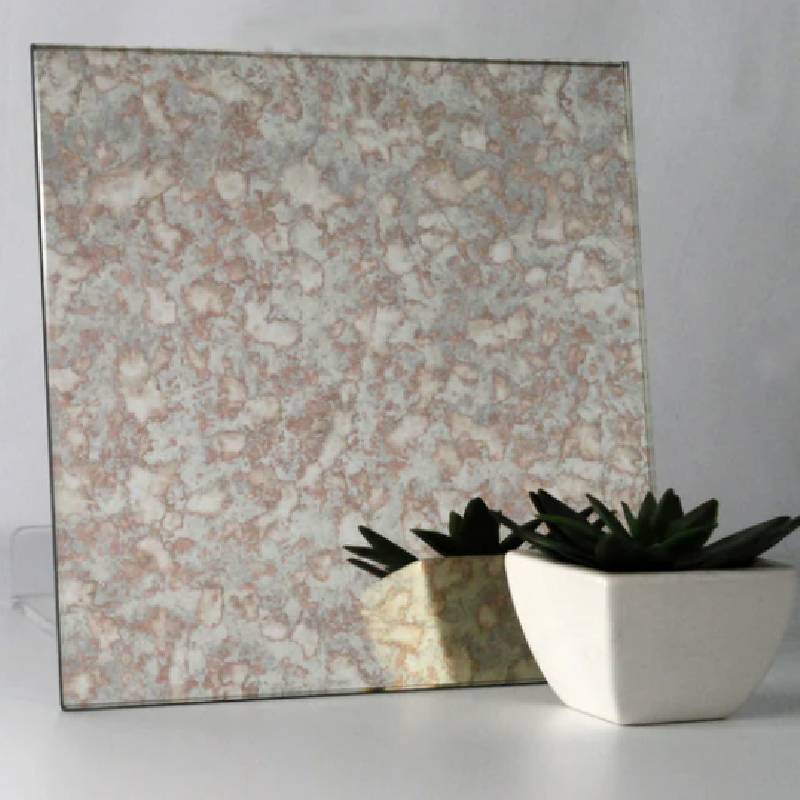
The production of antique mirror wall panels is a complex, multi-stage process that requires precision engineering and specialized chemical expertise. It begins with high-quality substrate glass, typically float glass, which is known for its exceptional flatness and optical clarity. The typical thickness ranges from 5mm to 6mm, providing adequate structural integrity for various applications.
The target industries for these panels span high-end interior design, hospitality (hotels, restaurants), luxury retail showrooms, residential projects, and commercial spaces requiring a unique aesthetic. The key advantages demonstrated in typical application scenarios include enhanced aesthetic appeal, superior light diffusion compared to standard mirrors, robust durability due to advanced protective coatings, and exceptional design flexibility for bespoke installations. The estimated service life of well-manufactured antique mirror wall panels can exceed 15-20 years in indoor environments, given proper installation and care.

Understanding the technical specifications of antique mirror wall panels is crucial for architects and designers to ensure optimal performance and aesthetic integration. The following table outlines typical parameters for high-quality antique mirror glass:
| Parameter | Specification | Standard/Notes |
|---|---|---|
| Substrate Material | High-quality Clear Float Glass | ASTM C1036, EN 572-2 |
| Standard Thickness | 5mm, 6mm | Custom thicknesses available upon request |
| Maximum Panel Size | Typically 2440mm x 3660mm (96" x 144") | Varies by manufacturer and pattern |
| Reflective Layer | Silver (Ag) or Aluminum (Al) | Applied via chemical deposition |
| Protective Coatings | Dual layer, lead-free, moisture-resistant paint | Ensures longevity and corrosion resistance |
| Average Reflectivity Index | 60-75% (varies by antique pattern) | Standard mirrors >85% |
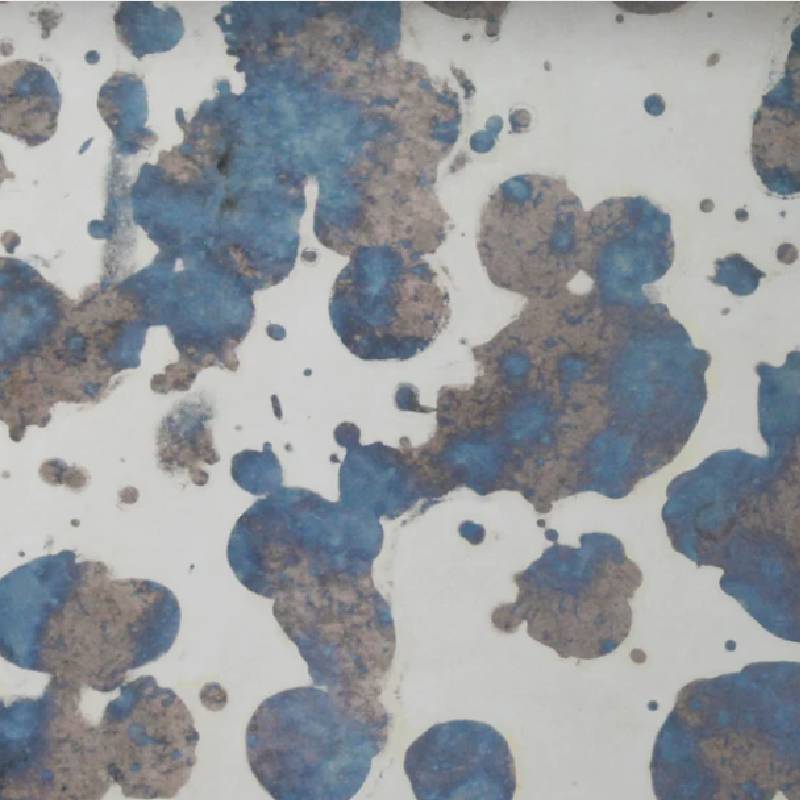
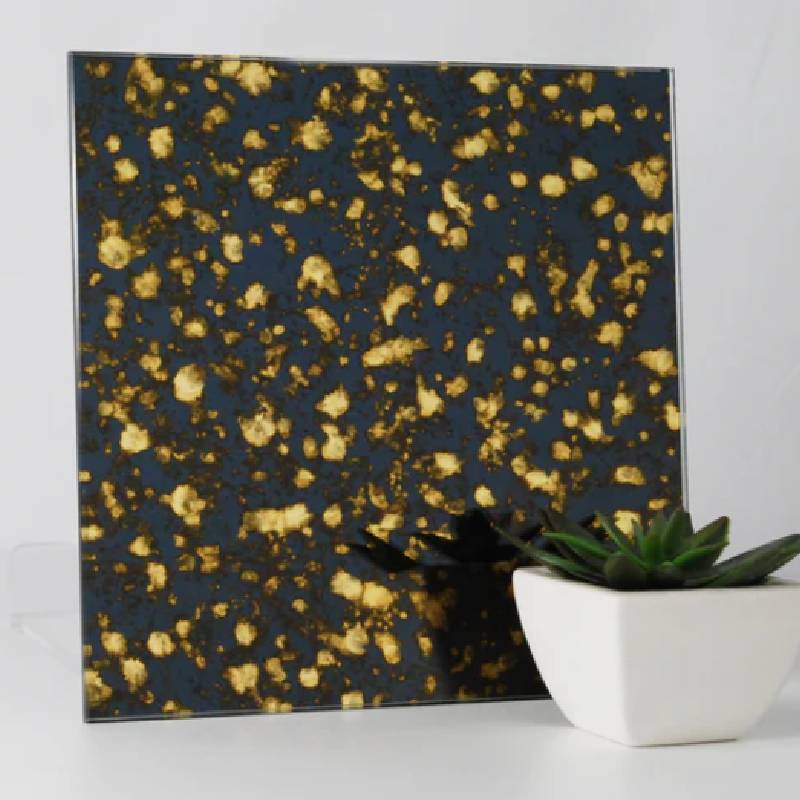
| Antique Pattern Styles | Light Patina, Heavy Distress, Speckled, Oxidized, Venetian | Custom patterns often achievable |
| Edge Finish Options | Polished, Beveled, Rough (for framing) | As per project requirements |
| Safety Backing Options | CAT II safety film (vinyl film) | Optional, recommended for public areas, conforms to ANSI Z97.1 |
These specifications ensure that the panels are not only aesthetically pleasing but also meet rigorous performance criteria for safety, durability, and optical quality, aligning with the expectations of B2B procurement and installation.
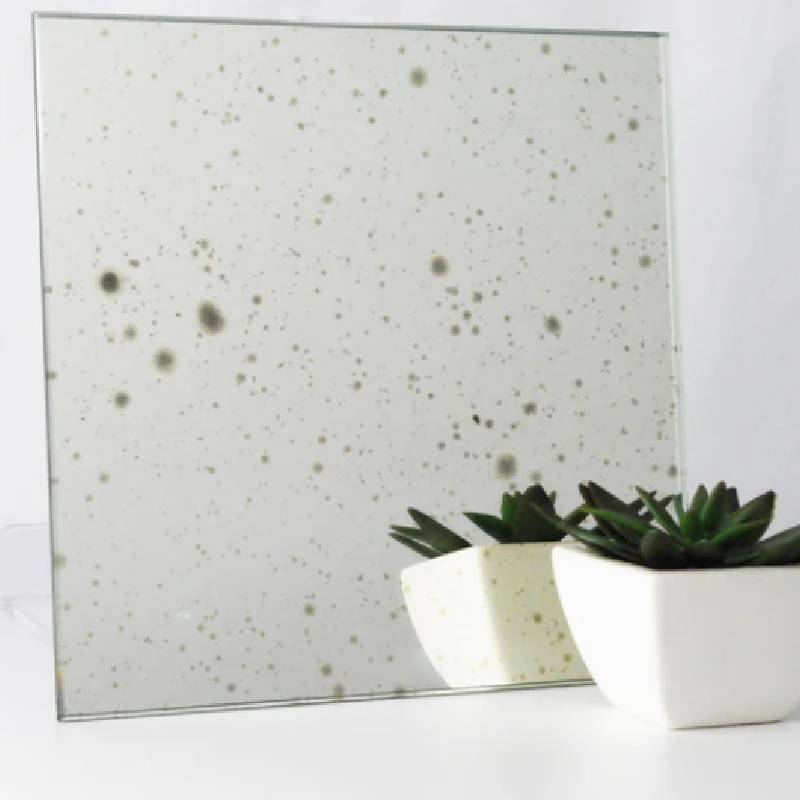
The versatility of antique mirror wall panels allows them to be incorporated into a wide array of design schemes, from opulent classical interiors to minimalist modern spaces. Their unique aesthetic quality offers designers a powerful tool to manipulate light, space, and texture.
The adaptability of antique mirror patterns—from subtly speckled to heavily distressed—allows for precise mood-setting. A lightly antiqued finish might complement a contemporary space with a hint of retro flair, while a heavily mottled panel would be perfectly at home in a traditional or industrial design. This versatility underscores their value as a premium decorative material.
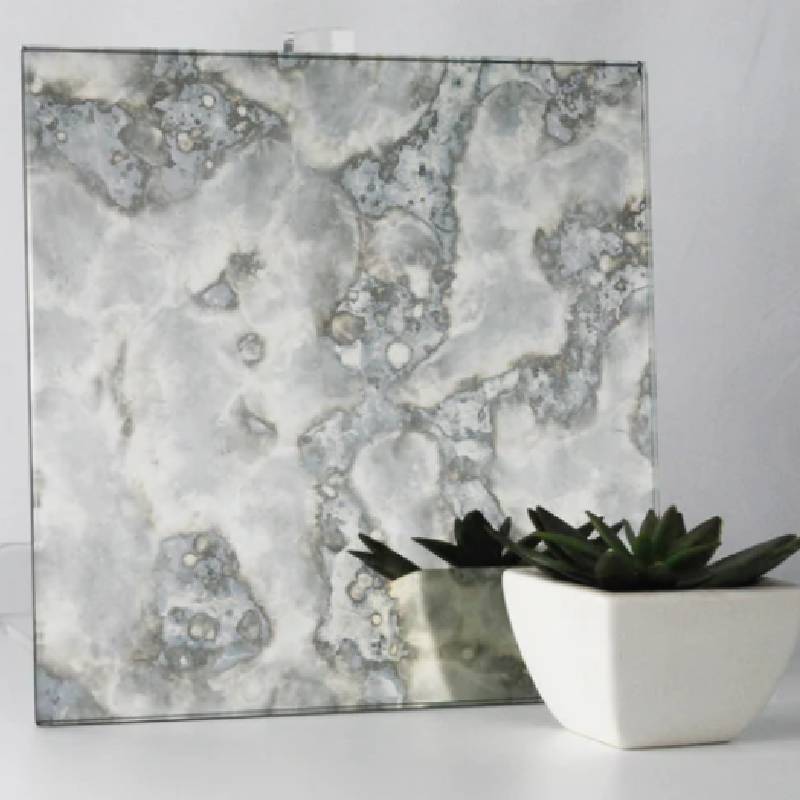
The technical advantages of employing high-quality antique mirror wall panels extend beyond mere aesthetics, offering tangible benefits that contribute to a project's long-term value and operational efficiency.
These technical advantages underscore why antique mirrors represent a superior investment for B2B applications seeking both aesthetic excellence and functional longevity.
Selecting the right vendor for antique mirror wall panels is critical to ensuring product quality, consistency, and project success. B2B decision-makers should evaluate potential suppliers based on several key criteria:
| Feature | Standard Clear Mirror | Antique Mirror Glass |
|---|---|---|
| Aesthetic | Flawless, sharp, high-clarity reflection | Distressed, aged, mottled, vintage appearance |
| Reflectivity | Very high (typically >85%), bright, direct | Moderate (60-75%), soft, diffused |
| Primary Function | Functional reflection, personal grooming | Decorative enhancement, ambiance creation |
| Maintenance | Shows smudges/marks easily, requires frequent cleaning | Camouflages minor marks, lower perceived maintenance |
| Cost | Generally lower due to simpler manufacturing | Higher due to specialized chemical treatment and patterning |
| Application Focus | Bathrooms, wardrobes, functional areas | Feature walls, decorative panels, luxury interiors |
The demand for bespoke interiors means that customization is a key offering for suppliers of antique mirror wall panels. Leading manufacturers provide extensive options to meet unique project requirements. This flexibility ensures that designers and architects are not limited by standard offerings but can create truly unique installations.
These customization capabilities allow for the realization of ambitious design visions, ensuring that each installation of antique mirror panels is a unique work of art.
A prestigious five-star hotel in a major metropolitan area undertook a significant lobby refurbishment. The design brief called for an interior that exuded classic sophistication with a modern twist. The design team opted for large-format antique mirror wall panels with a 'Venetian' distressed pattern for a prominent feature wall behind the reception desk and along key corridors. The 6mm thick panels, chosen for their structural integrity and premium feel, were custom-cut and installed to create a seamless, visually stunning surface. The diffused reflectivity of the antique mirror not only brightened the expansive space but also added a sense of depth and historical grandeur, complementing the hotel's heritage while offering a contemporary appeal. Post-installation feedback from guests and management highlighted the unique ambiance and the panels' ability to elevate the overall luxurious experience. The durable protective coating ensured the panels could withstand the demands of a high-traffic hospitality environment.
A luxury fashion boutique specializing in designer accessories sought to create an intimate yet expansive shopping environment. Working with a glass manufacturer, they commissioned bespoke antique mirror wall panels for accent walls and to line display niches. A 'Light Patina' finish was selected to provide a subtle, elegant backdrop that wouldn't overpower the merchandise but would still add visual interest. The panels were precisely cut to fit intricate architectural details, demonstrating the flexibility of customized solutions. The antique mirrors effectively bounced light throughout the store, making the space feel larger and more inviting, while their unique texture enhanced the perceived exclusivity of the boutique's offerings. The project underscored the power of antique mirrors in crafting an immersive brand experience.
A1: The main difference lies in their aesthetic and manufacturing. Standard mirrors offer a clear, precise reflection. Antique mirrors undergo a specialized chemical treatment to intentionally distress the reflective silver layer, creating varied patterns, mottling, and an aged appearance. This results in a softer, diffused reflection that adds texture and character rather than a perfect image.
A2: Yes, modern antique mirror wall panels are manufactured with multiple layers of moisture-resistant, lead-free protective paint. This enhanced backing significantly improves their resistance to oxidation and corrosion, making them suitable for bathroom installations, provided proper ventilation and installation techniques are observed.
A3: Cleaning is straightforward. Use a soft, lint-free cloth with a mild, non-abrasive glass cleaner or simply warm water. Avoid ammonia-based cleaners or abrasive materials, which can damage the protective backing over time. The distressed nature of the antique finish naturally helps to obscure minor smudges, reducing the perceived need for constant cleaning.
A4: Absolutely. Reputable manufacturers utilize advanced CNC cutting technology to fabricate antique mirror wall panels into virtually any desired shape or size, including intricate designs, arches, and large formats. They can also offer various edge finishes, such as polished, beveled, or custom profiles, to meet specific project requirements.
For B2B clients, predictability in lead times, robust warranty commitments, and dependable after-sales support are paramount for seamless project execution.
Antique mirror wall panels stand as a testament to the blend of traditional artistry and modern manufacturing prowess. They offer a compelling solution for B2B stakeholders seeking to infuse their projects with a distinctive aesthetic, enhanced spatial dynamics, and robust durability. From the meticulous selection of substrate glass to the intricate chemical distressing and advanced protective coatings, every step in their production is geared towards delivering a premium product. As design trends continue to favor unique, high-quality finishes that tell a story, antique mirrors are poised to remain a vital element in creating memorable and sophisticated interior environments across hospitality, retail, and luxury residential sectors.
Premium Custom Bathroom Mirrors for Modern Home Interior Design
NewsApr.16,2026
Professional Mirror Glass Cut to Size for Modern Interior Design
NewsApr.09,2026
Discover the Benefits of Custom Size Mirrors for Your Home or Business
NewsApr.07,2026
Custom Cut Mirror Solutions for Perfectly Sized Reflections and Design
NewsApr.04,2026
Enhance Your Space with Beautifully Crafted Custom Mirrors by SHZR Glass
NewsMar.31,2026
Is Mirror Glass Expensive A Detailed Cost Guide and Considerations
NewsMar.28,2026