

Sep . 14, 2025 07:20
In the demanding landscape of modern architecture, automotive engineering, and solar technology, the material choice for transparent applications is paramount. This article delves into the critical role and sophisticated attributes of clear float glass, a foundational component for countless industries. We will explore its intricate manufacturing process, robust technical specifications, and diverse application scenarios, providing a comprehensive guide for B2B decision-makers and technical professionals.
The global market for clear float glass is experiencing sustained growth, driven primarily by an expanding construction sector, advancements in automotive design, and the escalating demand for renewable energy solutions. Key trends influencing the market include:
According to industry analyses, the global float glass market is projected to reach approximately USD 150 billion by 2028, with a compound annual growth rate (CAGR) of around 6% from 2023. This robust outlook underscores the enduring importance and evolving utility of clear float glass.
The production of clear float glass is a highly sophisticated, continuous process, renowned for yielding glass with exceptional flatness and uniform thickness. This method, pioneered by Sir Alastair Pilkington, involves floating molten glass on a bed of molten tin.
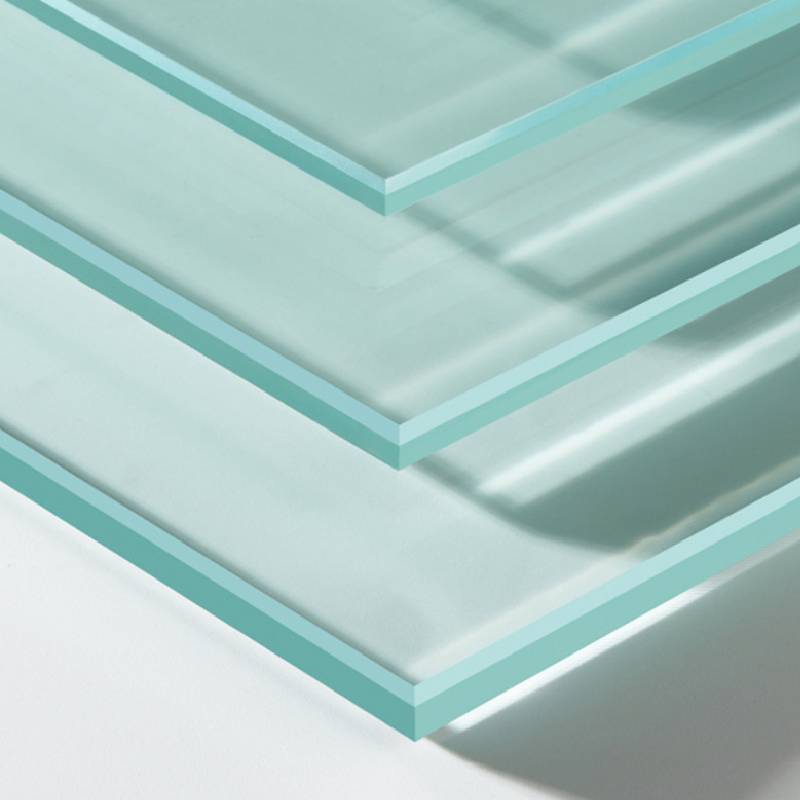
Figure 1: Schematic of the Clear Float Glass Manufacturing Process.
The target industries for clear float glass are vast, including architectural (windows, facades, interior partitions), automotive (windshields, side windows), solar (photovoltaic modules, mirrors), and furniture manufacturing. Its inherent advantages, such as excellent light transmission and energy saving potential when processed into insulating units, make it indispensable. For example, in building facades, its flat, smooth surface provides superior aesthetic appeal and optical quality, while its processability allows for further treatments like tempering or coating to achieve specific performance advantages like corrosion resistance against environmental factors.
The performance and application of clear float glass are defined by a range of critical technical parameters. These specifications are crucial for architects, engineers, and manufacturers to ensure compatibility with project requirements, structural integrity, and desired aesthetic outcomes. The thickness, often a primary determinant of cost, such as 10 mm plain glass price or 10mm clear glass price versus 12mm clear glass price, also significantly impacts its mechanical strength and insulation properties.
| Parameter | Typical Value / Range | Unit |
|---|---|---|
| Thickness Range | 2mm - 19mm | mm |
| Visible Light Transmittance (VLT) | 90-91% (for 4-6mm) | % |
| Density | 2500 | kg/m³ |
| Young's Modulus | ~70 | GPa |
| Thermal Expansion Coefficient | 9 x 10⁻⁶ | /°C |
| Knoop Hardness | 480 | kg/mm² |
| Softening Point | ~720 | °C |
These parameters highlight the robust nature and optical precision of clear float glass, making it suitable for demanding applications where clarity, strength, and processability are essential.
The inherent properties of clear float glass offer significant technical advantages across various industries, making it a preferred choice for numerous applications.
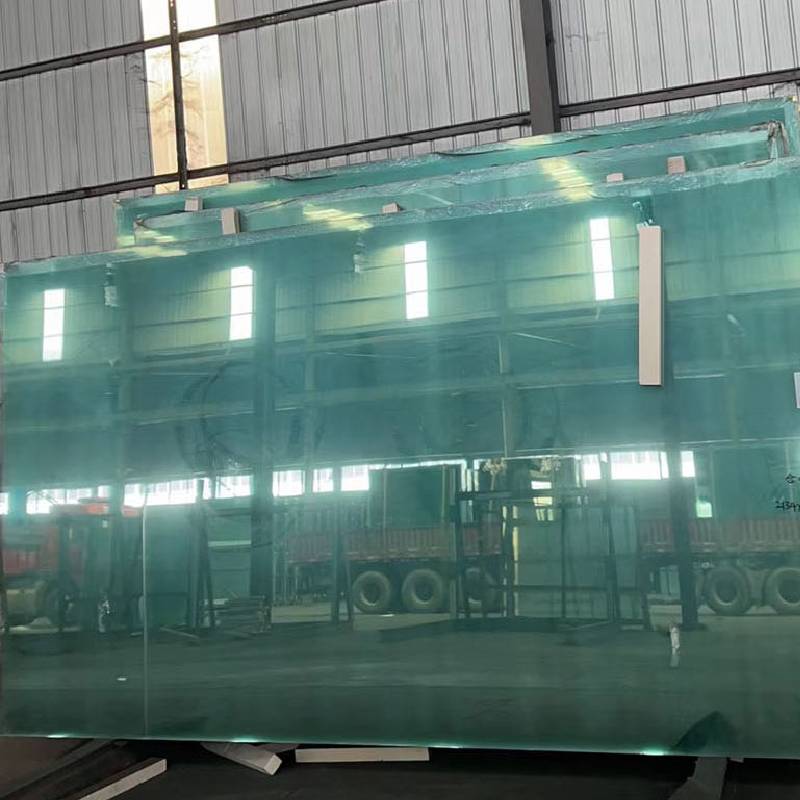
Figure 2: The aesthetic and functional versatility of Clear Float Glass.
The versatility of clear float glass allows its deployment across an extensive range of sectors, each benefiting from its unique properties.
The adaptability of clear float glass, particularly its ability to be further processed into various value-added products, underscores its foundational importance in these diverse application areas.
Choosing the right supplier for clear float glass is critical for project success, impacting quality, lead times, and cost. When evaluating vendors, B2B buyers should consider several key criteria to ensure optimal value and reliability.
| Criterion | Description & Importance |
|---|---|
| Quality Certifications | Adherence to international standards like ISO 9001 (quality management), EN 572-2 (basic float glass), CE marking, and CCC (for China) signifies consistent product quality and reliability. |
| Production Capacity & Scale | A vendor's ability to meet large volume orders and maintain consistent supply is crucial for large-scale projects and tight deadlines. Assesses their production lines and inventory management. |
| Lead Time & Logistics | Efficiency in order fulfillment, manufacturing, and shipping. Reliable logistics reduce project delays and costs. Clarify specific lead times for standard vs. customized orders. |
| Customization Capabilities | The ability to provide glass in specific dimensions, thicknesses (e.g., beyond standard 10 mm plain glass price considerations, into specialized 19mm sheets), with various coatings, edges, or shapes. This is vital for unique architectural or industrial designs. |
| Technical Support & Expertise | Access to experienced technical staff for consultation on product selection, installation guidance, and troubleshooting. A strong technical team can significantly add value. |
| Pricing Structure & Transparency | Competitive pricing, clear quotations, and understanding factors influencing costs like volume, customization, and freight are important. Consider total cost of ownership, not just initial purchase price. |
| After-Sales Service & Warranty | Robust warranty policies and responsive customer service for addressing any post-delivery issues or concerns, ensuring long-term product satisfaction. |
Thorough evaluation against these criteria ensures a partnership that delivers not only high-quality clear float glass but also sustained support and reliability throughout the project lifecycle.
While standard clear float glass offers remarkable versatility, many B2B projects require tailored solutions to meet unique functional, aesthetic, or performance demands. Reputable manufacturers provide extensive customization options, transforming basic float glass into high-performance specialized products.
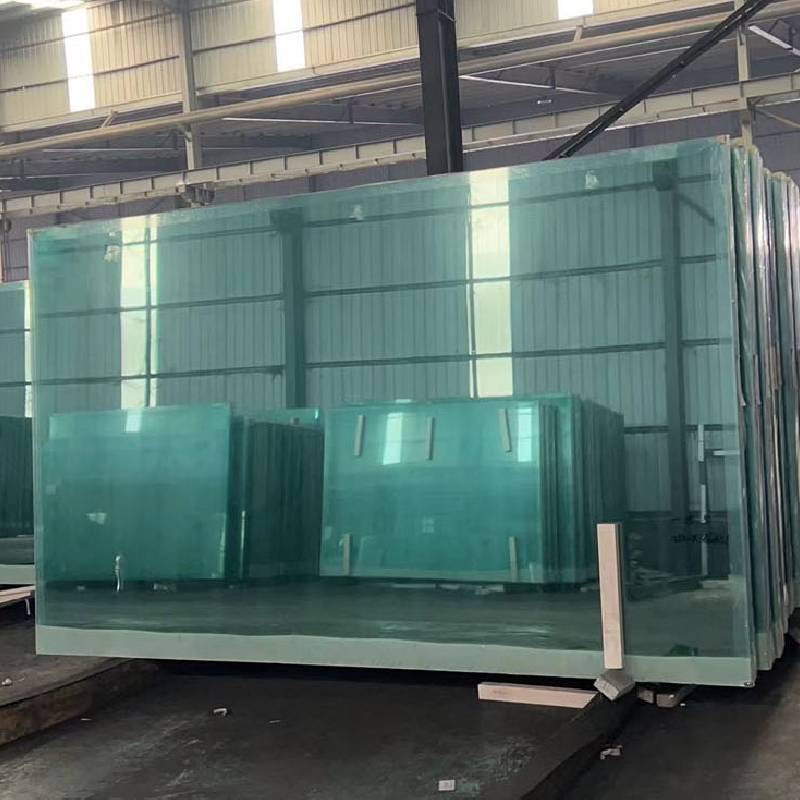
Figure 3: Advanced processing of Clear Float Glass for specific applications.
These customized solutions ensure that clear float glass can be adapted to virtually any project, providing optimal performance and aesthetic integration.
To illustrate the practical advantages and versatility of clear float glass, consider the following real-world application examples:
Challenge: A new landmark commercial tower in a major metropolitan area required a façade system that offered superior natural light penetration, excellent thermal performance, and high aesthetic appeal, while also withstanding significant wind loads. The project demanded large glass panels with minimal distortion.
Solution: The project utilized large format, low-iron clear float glass, further processed into insulated glass units (IGUs) with a high-performance low-e coating. The glass was also tempered for enhanced safety and strength. The inherent flatness and clarity of the float glass ensured a sleek, modern aesthetic and unobstructed views, while the coatings and IGU configuration provided exceptional thermal insulation, reducing the building's energy consumption for heating and cooling.
Result: The building achieved LEED Gold certification, largely due to its energy-efficient envelope. Occupants reported high levels of comfort and satisfaction with the abundant natural light and clear views. The façade's robust construction using customized clear float glass panels ensured structural integrity and long-term performance against urban environmental factors.
Challenge: A utility-scale solar farm aimed to maximize energy generation efficiency in a desert environment, requiring PV module cover glass that offered maximum light transmittance, high durability against sand abrasion, and long-term resistance to UV degradation.
Solution: Specialized ultra-clear clear float glass with anti-reflective and self-cleaning coatings was selected as the front glass for the solar modules. The superior light transmittance of this glass ensured maximum solar radiation reached the PV cells. The anti-reflective coating further reduced light loss, and the self-cleaning properties helped maintain efficiency by minimizing dust accumulation, a significant challenge in desert regions. Its inherent strength and carefully controlled surface properties provided excellent resistance to environmental stressors.
Result: The solar farm demonstrated an average of 3-5% higher energy yield compared to projects using standard PV glass, directly attributable to the advanced optical properties and reduced soiling provided by the specialized clear float glass. The long-term performance and minimal maintenance requirements significantly improved the project's return on investment.
For B2B applications, the reliability and consistent quality of clear float glass are non-negotiable. Reputable manufacturers uphold stringent quality control measures and adhere to international standards to ensure product excellence.
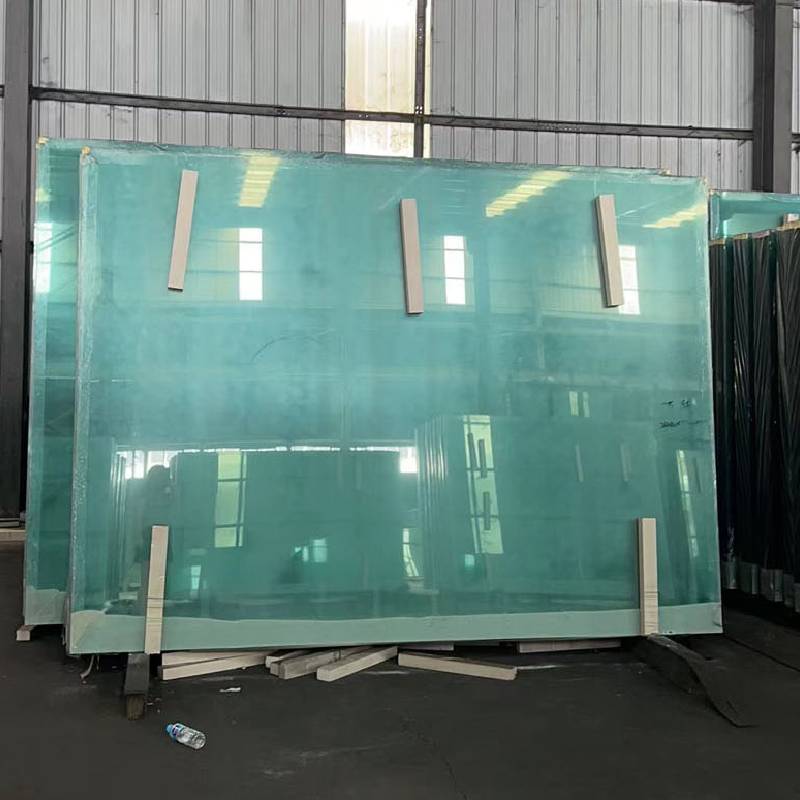
Figure 4: Rigorous quality inspection of Clear Float Glass products.
This commitment to quality assurance is paramount, ensuring that every sheet of clear float glass delivered meets the high performance and durability expectations of industrial and commercial clients.
At the core of any successful B2B partnership is clear communication regarding operational specifics and robust post-sales support. We prioritize transparency and commitment in all our dealings.
Our streamlined manufacturing and logistics processes are designed for efficiency. For standard orders of clear float glass, typical lead times range from 15 to 30 business days from order confirmation to dispatch. This timeframe accounts for production, quality control, and packaging. For highly customized products, specialized coatings, or large-volume projects, lead times will be specifically negotiated and clearly communicated in the project proposal, reflecting the complexity and scale of the requirements. We leverage a robust supply chain to ensure timely delivery, whether by sea, rail, or road freight, tailored to project location and urgency.
We stand by the quality of our clear float glass products. All glass supplied is warranted against manufacturing defects and material failures under normal use and service conditions. The specific warranty period and terms vary by product type and application, typically ranging from 5 to 10 years. This comprehensive warranty covers aspects like delamination for laminated glass, coating integrity for coated products, and general material defects. Full warranty documentation is provided with every order, ensuring peace of mind for our clients.
Our commitment extends beyond delivery. We offer dedicated technical support from experienced glass engineers who can assist with product selection, installation guidance, and performance optimization. Our after-sales service team is readily available to address any inquiries, provide troubleshooting assistance, or manage warranty claims efficiently. We understand the critical nature of our products in your projects and are committed to ensuring continuous operational excellence and client satisfaction. Reach out to us via phone or email for prompt and professional assistance.
Clear float glass remains an indispensable material, continually evolving to meet the complex demands of modern industries. Its foundational properties of optical clarity, uniform thickness, and robust processability make it critical for applications ranging from architectural marvels and high-performance automotive components to cutting-edge solar energy systems. By understanding its manufacturing intricacies, technical specifications, and the vast array of customizable solutions available, B2B stakeholders can make informed decisions that ensure project success, operational efficiency, and long-term value. Partnering with a reputable manufacturer committed to quality, innovation, and comprehensive support is key to harnessing the full potential of this exceptional material.
Premium Custom Bathroom Mirrors for Modern Home Interior Design
NewsApr.16,2026
Professional Mirror Glass Cut to Size for Modern Interior Design
NewsApr.09,2026
Discover the Benefits of Custom Size Mirrors for Your Home or Business
NewsApr.07,2026
Custom Cut Mirror Solutions for Perfectly Sized Reflections and Design
NewsApr.04,2026
Enhance Your Space with Beautifully Crafted Custom Mirrors by SHZR Glass
NewsMar.31,2026
Is Mirror Glass Expensive A Detailed Cost Guide and Considerations
NewsMar.28,2026