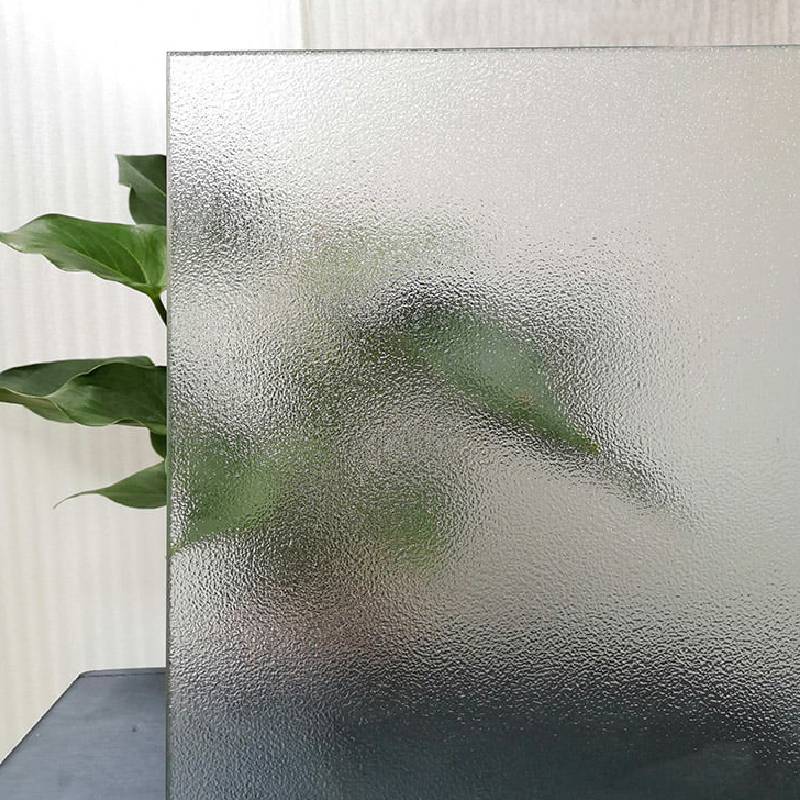
Premium Grey Float Glass Solutions for Bolivia Architecture

Supplying high-performance architectural glass engineered for the diverse climatic demands of the Bolivian highlands and lowlands.

Premium Grey Float Glass Solutions for Bolivia Architecture

Integrating advanced manufacturing techniques to provide Bolivia with durable, energy-efficient, and aesthetically superior float glass for modern urban development.

Glass Industry Landscape in Bolivia

Analyzing the synergy between geographical challenges and material requirements.

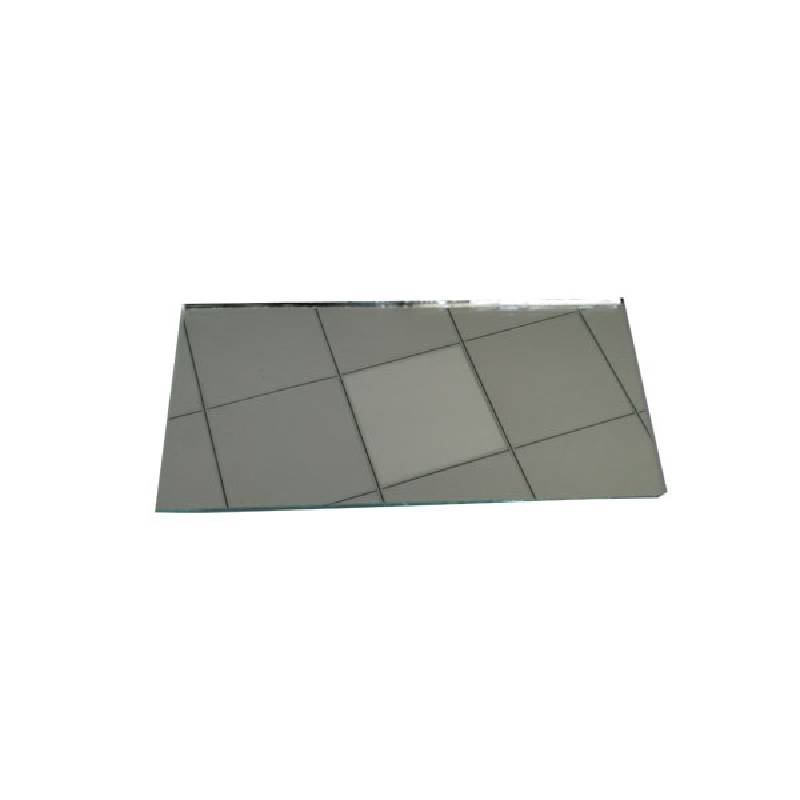
Bolivia's architectural landscape is uniquely divided between the high-altitude Altiplano and the humid tropical lowlands. In cities like La Paz and El Alto, the extreme UV radiation necessitates the use of grey float glass to reduce solar glare and thermal gain, protecting interiors from harsh sunlight.

The construction sector in Santa Cruz is witnessing a boom in commercial skyscrapers and luxury residences. This growth has shifted the demand toward high-clarity transparent glass that allows natural light to penetrate deep into building cores while maintaining structural integrity against tropical humidity.

Due to limited local primary float glass production, Bolivia relies heavily on strategic imports. The market is currently evolving from basic plain glass sheet usage toward specialized tempered and laminated solutions that meet international safety standards for high-density urban areas.
Evolution of Glass Technology in the Andean Region

From traditional glazing to high-tech architectural envelopes.

Market Development History

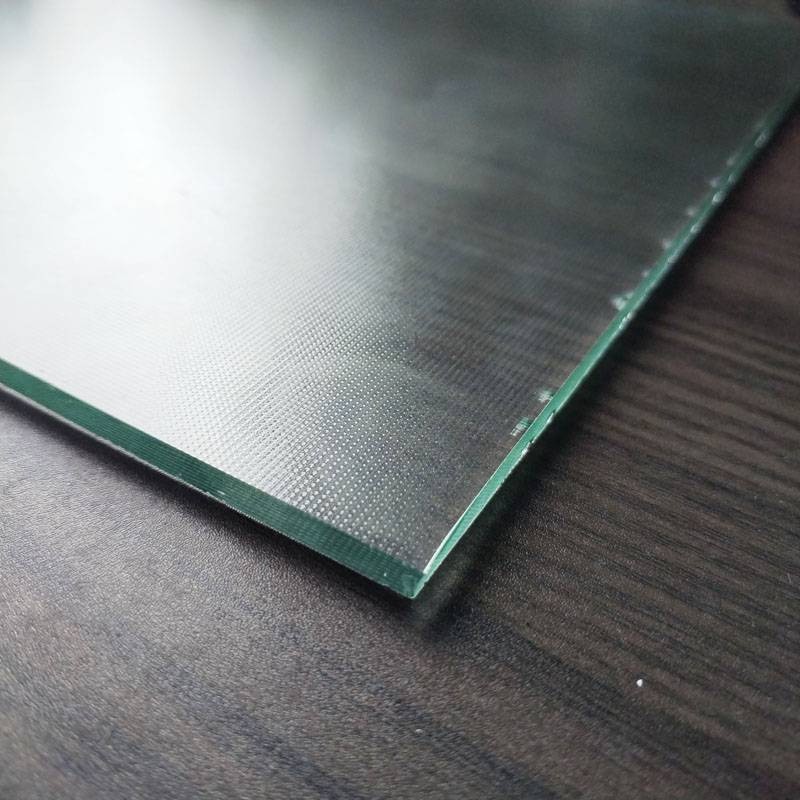
Until the late 1990s, the Bolivian market primarily utilized standard plain glass sheet for simple residential windowing, characterized by lower thermal efficiency and limited size options.

Between 2005 and 2015, a transition occurred as the "Modernist" wave hit the cities. The introduction of high-quality clear glass enabled the creation of expansive curtain walls, allowing architects to experiment with transparency and light.

From 2016 to the present, the focus has shifted toward sustainability and solar control. The adoption of tinted and low-E coatings on float glass has become the gold standard for reducing HVAC energy consumption in Bolivia's varying climates.

Future Development Trends

Smart Glass Integration

We anticipate a surge in electrochromic glass that can change opacity based on the intense sunlight of the Bolivian plateau, reducing the need for mechanical shading.

Eco-friendly Production

Driven by global trends, the demand for glass with higher recycled content and lower carbon footprints in the manufacturing process is expected to grow by 20%.

High-Performance Insulation

The evolution toward triple-glazing systems using ultra-clear transparent glass will be critical for energy conservation in the cold Altiplano regions.

Industry Trends and Future Outlook

Forecasting the next 5 years of architectural glass innovation in Bolivia.

Solar Heat Control
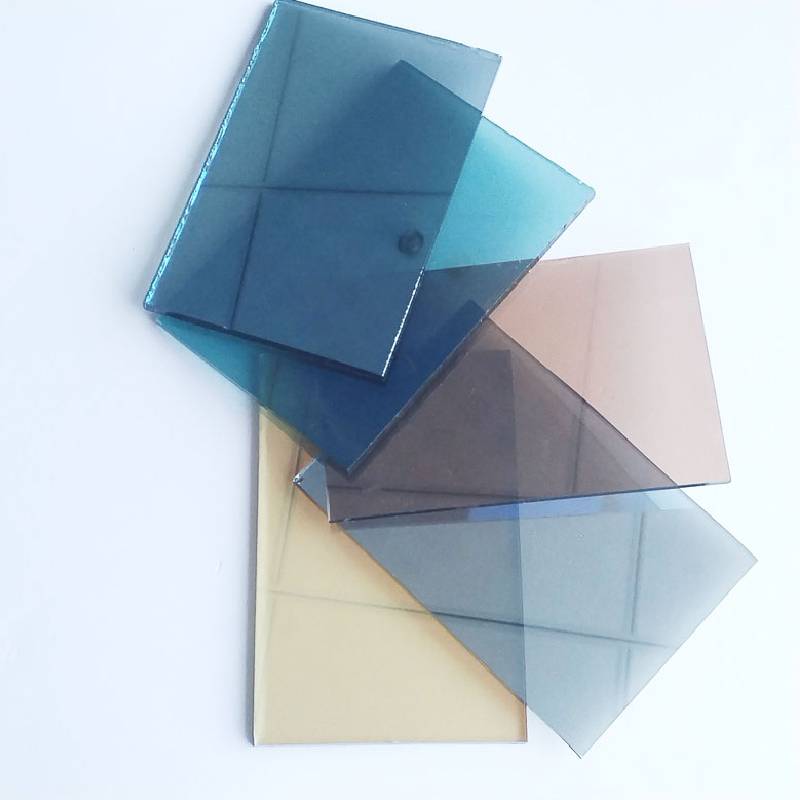
Increased adoption of tinted glass to combat extreme solar radiation in high-altitude urban centers.
Urbanization Speed
Rapid commercial growth in Santa Cruz driving the demand for large-scale clear glass facades.
Structural Safety
Integration of toughened and laminated processes to ensure seismic safety in Andean regions.
Sustainable Design
Shift toward LEED-certified building materials utilizing high-transmittance clear glass.

Industry Outlook

Based on Google search trends for "energy efficient building Bolivia," there is a marked increase in queries regarding thermal insulation. This indicates a strategic shift toward the use of insulated glass units (IGUs) combining float glass with argon gas fillers.

The next 3-5 years will see Bolivia moving away from simple glazing towards "intelligent envelopes," where glass serves not just as a barrier but as an active element of energy management in the built environment.

Localized Applications in Bolivia

Tailored glass solutions for diverse Bolivian environments.

01. High-Altitude Office Complexes in La Paz

Utilizing grey float glass for exterior facades to filter intense UV rays while maintaining a professional, sleek aesthetic for corporate headquarters.

02. Tropical Luxury Villas in Santa Cruz

Implementing large panels of transparent glass to merge indoor living spaces with tropical gardens, maximizing natural light and views.

03. Retail Storefronts in Cochabamba

Using high-strength clear glass for display windows to ensure maximum product visibility and inviting transparency for shoppers.

04. Industrial Warehousing in El Alto

Applying heavy-duty plain glass sheet for reinforced skylights, providing essential natural illumination for manufacturing plants.

05. Government Institutional Buildings

Combining various float glass types to create a balance between privacy (tinted) and openness (clear), reflecting the modern state architecture of Bolivia.

Brand Story

Global Development Journey of Shahe City Zhuorui Glass Products Co., Ltd.

Foundation of Excellence

Established with a mission to redefine glass purity, focusing on the precision manufacturing of base float glass for global industrial needs.

Technical Breakthroughs

Developing proprietary cooling processes that eliminate distortions in plain glass sheet, setting new industry standards for flatness.

Global Market Expansion

Expanding footprints into South America, specifically solving the logistics and durability challenges for the Bolivian construction market.

Sustainability Initiative

Investing in green energy furnaces to reduce the carbon footprint of every square meter of glass produced for our international clients.

Future Vision

Striving to be the leading provider of smart-glass substrates, empowering architects in Bolivia to build more sustainable, light-filled cities.

Comprehensive Glass Portfolio for Bolivia

A full range of float glass products tailored for Andean and Tropical climates.

Frequently Asked Questions - Bolivia Market

Expert answers to the most common technical queries from our Bolivian partners.

Which float glass is best for high UV exposure in La Paz?

For regions with extreme solar radiation like La Paz, we recommend grey float glass. It effectively absorbs a significant portion of UV and IR rays, reducing internal heat and protecting furniture from fading.

What is the difference between transparent glass and clear glass in architectural terms?

While often used interchangeably, transparent glass refers to the visual quality of light transmission, whereas clear glass is the standard grade of float glass without tinting. For luxury projects in Santa Cruz, ultra-clear low-iron glass is preferred.

Can plain glass sheet be used for structural facades in Bolivia?

Standard plain glass sheet is the substrate. For structural facades, it must undergo tempering or lamination to meet safety codes and withstand wind loads common in open Bolivian terrains.

How does the altitude of the Altiplano affect glass installation?

Rapid temperature fluctuations in high altitudes can cause thermal stress. We recommend using insulated units with high-quality float glass to prevent cracking and improve thermal stability.

Is grey float glass suitable for residential use in Bolivia?

Yes, it is highly suitable for residential balconies and large windows to provide privacy and reduce glare without completely blocking the natural light.

What are the typical shipping lead times for float glass to Bolivia?

Lead times vary based on volume and port of entry (typically via Arica or Iquique). Our optimized logistics chain ensures that high-quality architectural glass reaches Bolivian sites efficiently.

Get a Professional Glass Consultation

Ready to elevate your architectural project in Bolivia? Our experts are here to provide technical specifications and quotes tailored to your needs.

Contact Us Now
Copyright © 2026 All Rights Reserved. Sitemap | Privacy Policy | Top Blog | Global Service | Hot Products

If you are interested in our products, you can choose to leave your information here, and we will be in touch with you shortly.