
Premium Grey Float Glass Solutions for Ecuador's Modern Architecture

High-performance architectural glass engineered for the diverse climatic demands of the Ecuadorian market, from Quito's highlands to Guayaquil's coast.

Premium Grey Float Glass Solutions for Ecuador's Modern Architecture

Providing the Ecuadorian construction industry with superior optical clarity and thermal stability through advanced glass manufacturing technology.

The State of Glass Manufacturing in Ecuador

Analyzing the intersection of regional environmental challenges and material requirements.

Ecuador's unique geography, featuring both high-altitude Andean regions and humid tropical coasts, creates a complex demand for float glass. In coastal cities like Guayaquil, the intense solar radiation necessitates materials that can reduce heat gain without sacrificing natural light.

The local market has seen a surge in commercial infrastructure development, shifting away from traditional materials toward transparent glass and reinforced structures. This transition is driven by the need for energy-efficient facades that comply with evolving urban building codes in Quito and Cuenca.

Despite the growth, there is a critical reliance on high-quality imports of plain glass sheet to meet the precision requirements of modern tempering and laminating processes, ensuring safety and durability against seismic activities common in the region.
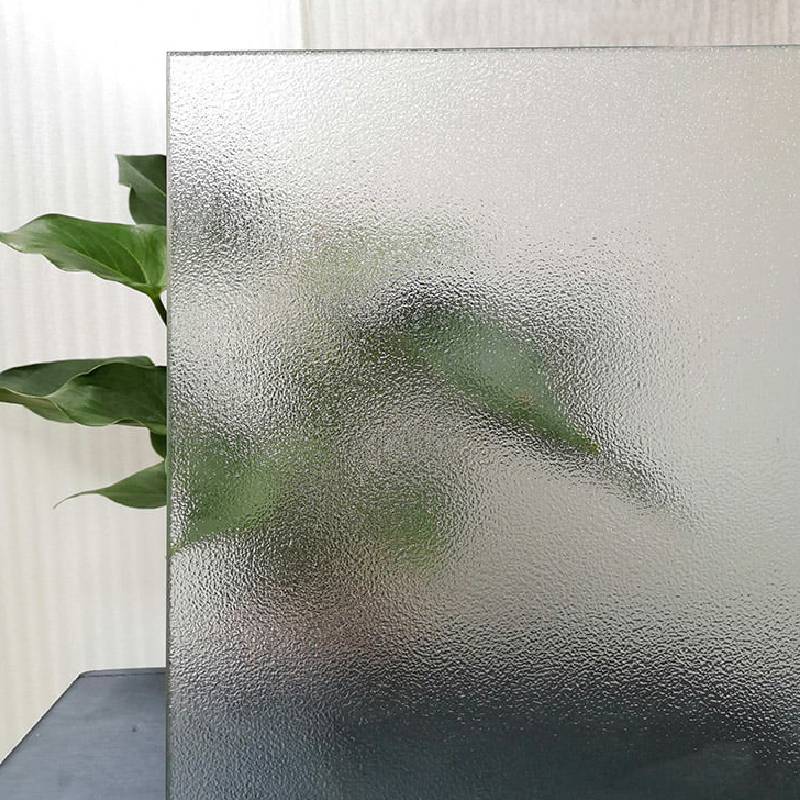
Evolution and Technical Trajectory

From basic glazing to high-performance spectral control.

Market Development History

During the late 20th century, the Ecuadorian market relied heavily on standard clear glass, which provided basic illumination but offered little in terms of thermal insulation or UV protection for the tropical climate.

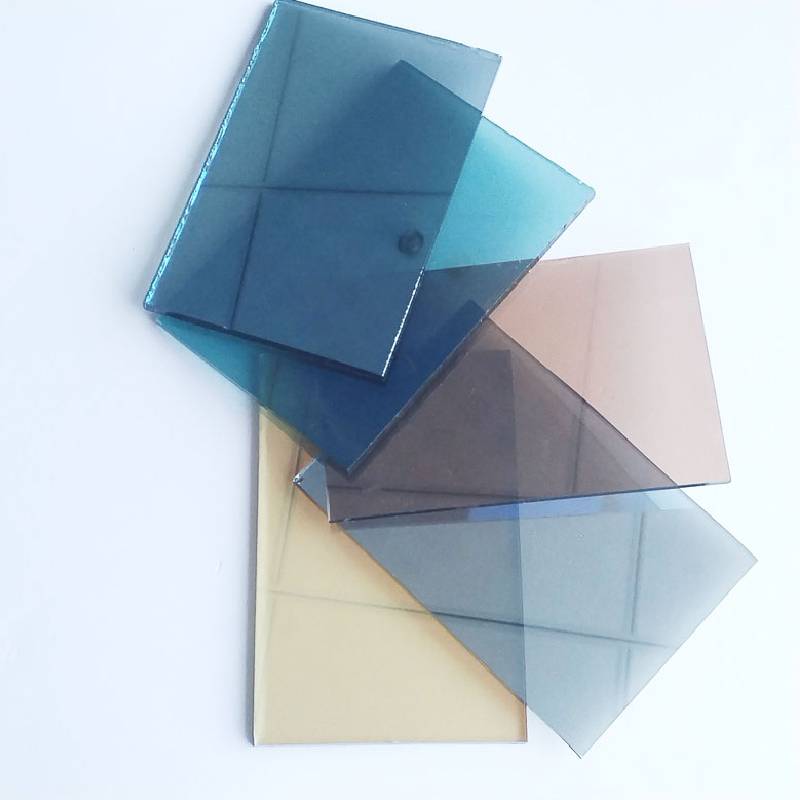
By the 2010s, the introduction of advanced float processes allowed for the widespread adoption of tinted options. This era marked the rise of grey float glass as a primary choice for commercial facades to combat glare and reduce air conditioning costs.

Currently, the industry has moved toward "intelligent glazing," where the focus is on the chemical purity of the plain glass sheet to enable high-performance low-E coatings, optimizing the balance between light transmission and heat rejection.

Future Development Trends

Integration of Smart Tinting

We predict a move toward electrochromic technologies that allow glass to change opacity based on the Ecuadorian sun's intensity.

Sustainability and Recycled Content

Driven by regional environmental policies, there will be a significant increase in the use of cullet-integrated manufacturing to reduce the carbon footprint.

Seismic-Resistant Laminated Systems

Given the tectonic activity in Ecuador, the trend is shifting toward ultra-strong laminated safety glass derived from premium float bases.

Industry Trends and Future Outlook

Strategic forecasting for the non-metallic mineral products sector in South America.

Energy Efficiency Transition
Shifting toward high-spec glass that reduces HVAC energy consumption in tropical Ecuadorian climates.
Urbanization & Aesthetics
Increased demand for sleek, minimalist facades using high-transparency substrates in Quito's business districts.
Eco-Material Certification
Adoption of LEED and EDGE certifications driving the need for sustainable glass sourcing.
Digital Precision Fabrication
Integrating AI-driven cutting and polishing for complex architectural shapes in luxury resorts.

Industry Outlook

Google search trends indicate a growing interest in "sustainable building materials" and "solar control glass" within the Andean region. This suggests that the future of the Ecuadorian market lies in the convergence of aesthetic minimalism and environmental performance.

Over the next 3-5 years, we expect a shift toward integrated photovoltaic glass, where the structural glass itself generates energy, aligning with Ecuador's national goals for renewable energy transition.

Localized Application Scenarios in Ecuador

Real-world implementation of professional glass solutions across various Ecuadorian sectors.

01. Coastal Commercial Facades (Guayaquil)

Utilization of high-performance tinted glass to minimize infrared heat transmission, significantly reducing cooling loads for high-rise office buildings.

02. High-Altitude Residential Glazing (Quito)

Application of double-glazed units using premium substrates to maintain indoor warmth against the chilly Andean nights while maximizing daytime sunlight.

03. Luxury Eco-Resorts (Galápagos & Amazon)

Integration of ultra-clear panels to blend architectural structures with the natural landscape, ensuring minimal visual impact on the environment.

04. Institutional Infrastructure (Government Buildings)

Deploying reinforced safety glass for public spaces, combining transparency with high impact resistance for security and open-concept design.

05. Retail Storefronts (Shopping Malls)

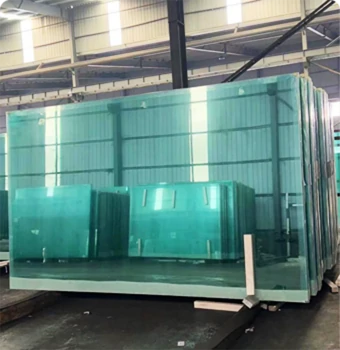
Using oversized architectural sheets to create seamless vistas, enhancing product visibility and foot traffic through maximum transparency.

Brand Story

Global Development History of Shahe City Zhuorui Glass Products Co., Ltd.

Foundational Excellence

Established with a mission to solve the purity issues in basic glass manufacturing, focusing on the production of high-stability float glass.

Technical Diversification

Expanded capabilities to include specialized tints, mastering the chemistry of absorbent oxides for consistent grey and blue tones.

Global Quality Certification

Achieved international standards in flatness and optical distortion, opening doors to the competitive South American markets.

Strategic Market Expansion

Developed a robust logistics network to deliver oversized glass sheets to Ecuador, overcoming the challenges of maritime transport.

Innovation Leadership

Current focus on sustainable manufacturing, reducing energy use while increasing the structural integrity of architectural glass.

Comprehensive Glass Portfolio for the Ecuadorian Market

A full range of architectural solutions from standard clear to specialized tinted glass.

Common Questions for Glass Imports in Ecuador

Expert answers to technical and logistical queries regarding architectural glass.

How does grey float glass perform in high-UV regions like Ecuador?

Grey float glass is specifically designed to absorb a significant portion of solar radiation, reducing glare and heat gain, which is ideal for the equatorial sun intensity found in Ecuador.

What is the difference between clear glass and transparent glass for storefronts?

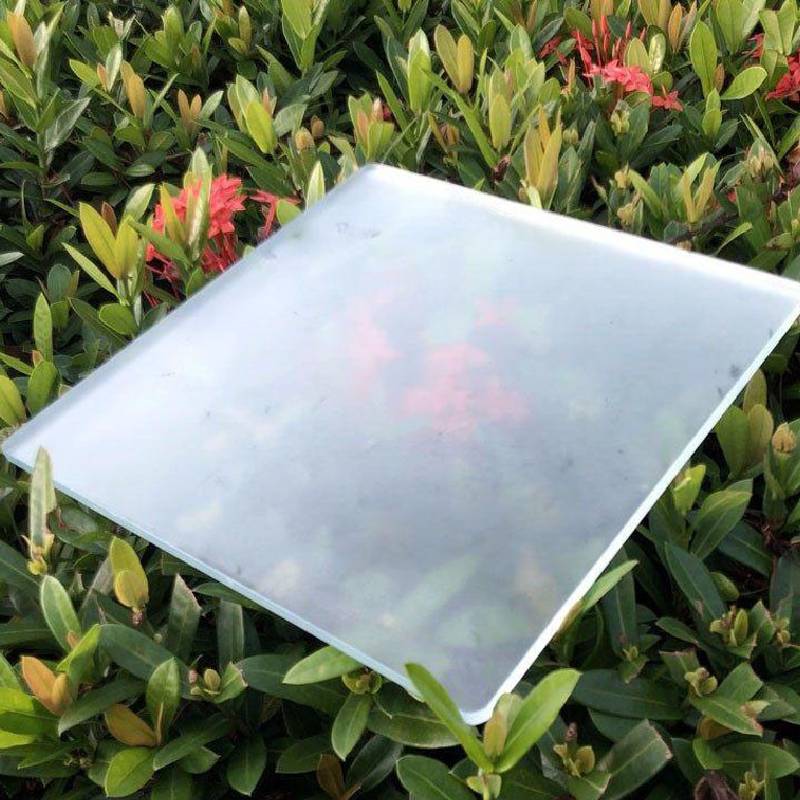
While often used interchangeably, "transparent glass" in architectural terms often refers to low-iron glass which removes the greenish tint of standard clear glass, providing maximum color neutrality.

Can plain glass sheet be used for seismic-resistant installations?

Plain glass sheets are the base material; for seismic resistance in Ecuador, they must be further processed into tempered or laminated safety glass to prevent shattering.

What are the shipping considerations for float glass to Guayaquil port?

We use specialized reinforced A-frame crates and moisture-proof packaging to prevent salt-air corrosion and breakage during the long-haul maritime transit to Ecuador.

Which glass thickness is recommended for commercial facades in Quito?

Depending on wind loads and height, we typically recommend 6mm to 12mm thickness, often processed into Insulated Glass Units (IGUs) for better thermal retention.

How is the quality of exported glass sheets verified?

Every batch undergoes rigorous testing for flatness, light transmission, and bubble-free quality, with certification documents provided before shipment to ensure compliance with Ecuadorian standards.

Ready to Upgrade Your Project?

Contact our specialists for customized glass solutions delivered directly to your site in Ecuador.

Contact Us Now
Copyright © 2026 All Rights Reserved. Sitemap | Privacy Policy | Top Blog | Global Service | Hot Products

If you are interested in our products, you can choose to leave your information here, and we will be in touch with you shortly.