
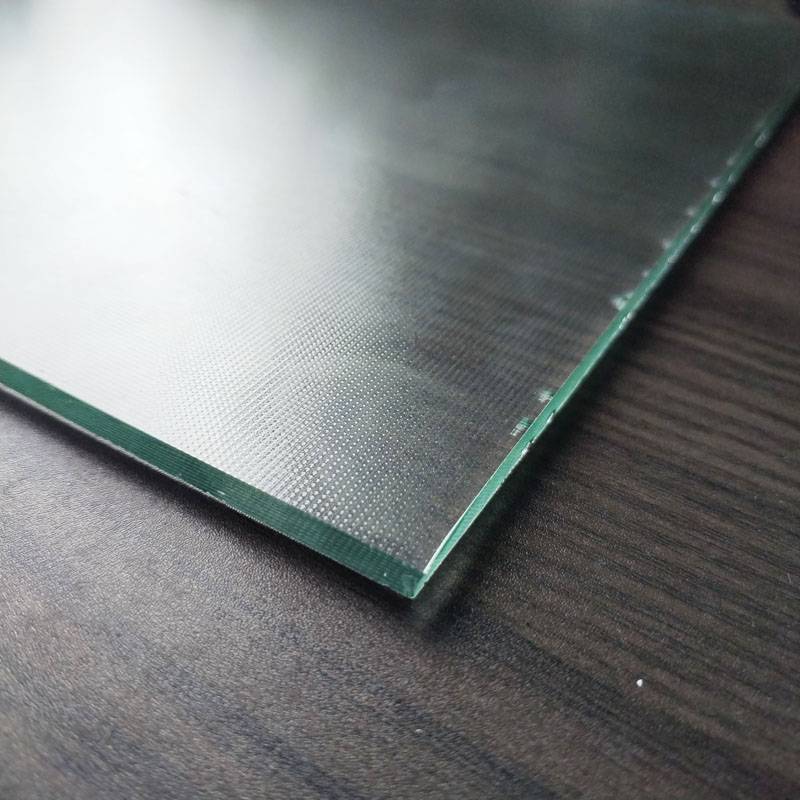
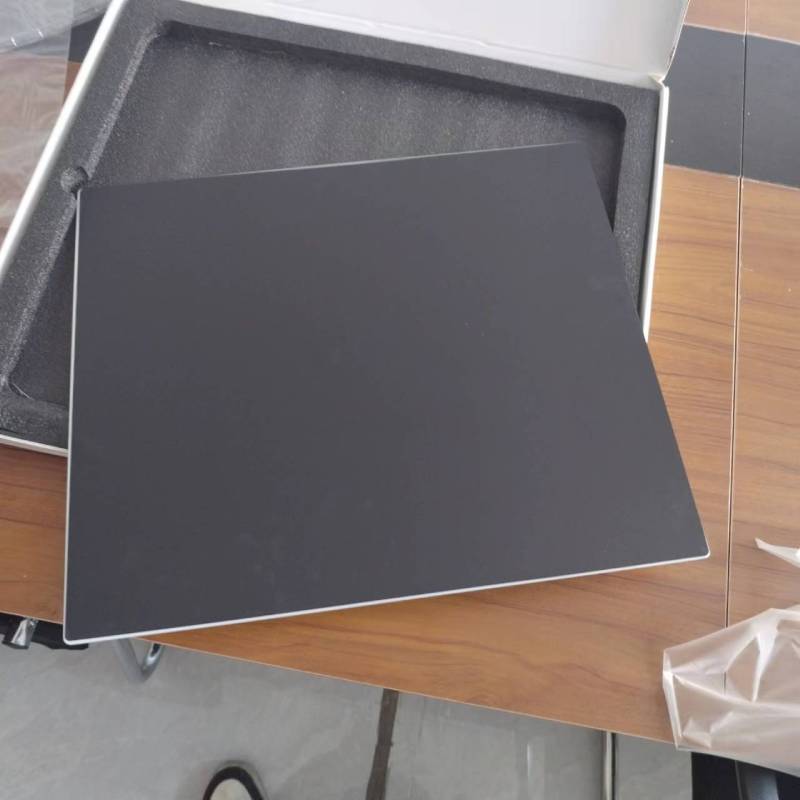
Premium grey float glass Solutions for Greece Architecture

High-performance architectural glass engineered for the unique Mediterranean climate, blending durability with aesthetic excellence.

Premium grey float glass Solutions for Greece Architecture

Providing the Greek construction market with world-class float glass that meets stringent EU energy standards and withstands high UV exposure.

Glass Manufacturing Landscape in Greece

Analyzing the demand for high-clarity and solar-control glass in the Aegean region.

Greece's architectural landscape is characterized by intense sunlight and saline coastal air, creating a high demand for transparent glass that offers both clarity and thermal resistance. The local industry focuses heavily on the renovation of historical urban centers and the expansion of luxury tourism infrastructure along the islands.

There is a growing shift toward solar control solutions. Architects in Athens and Thessaloniki are increasingly specifying grey float glass to reduce glare and solar heat gain, minimizing the reliance on energy-intensive air conditioning during the scorching summer months.

Despite a strong tradition in masonry, the modern Greek market now demands precision-engineered plain glass sheet products that can be easily processed into tempered or laminated safety glass for high-rise developments and storefronts.
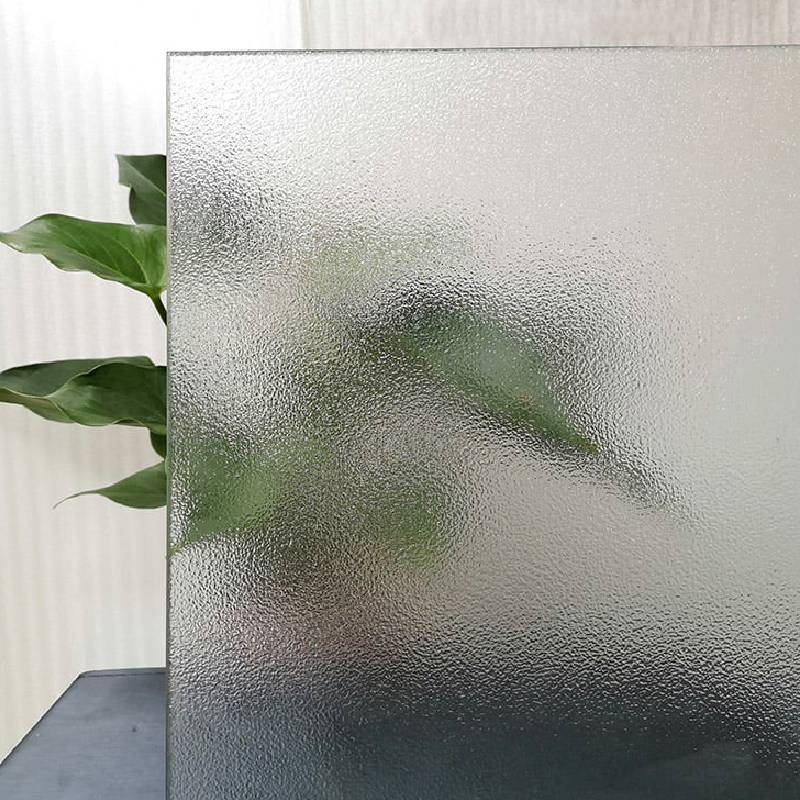
Evolution of Architectural Glass in Greece

From traditional glazing to high-tech energy-saving materials.

Market Development History

In the late 20th century, the Greek market relied primarily on standard clear glass, focusing on basic transparency and weather protection. The technology was limited to simple float processes with minimal thermal considerations.

Between 2005 and 2015, the industry witnessed a transition toward specialized coatings. The introduction of Low-E and solar-tinted options allowed builders to combat the Mediterranean heat while maintaining the visual openness required by local design aesthetics.

Since 2018, the integration of smart manufacturing has enabled the production of ultra-precise plain glass sheet, allowing for larger dimensions and better structural integrity in modern facade engineering.

Future Development Trends

Vacuum Insulated Glass (VIG)

The next shift involves moving beyond double glazing toward vacuum technology to meet the strictest EU "Green Deal" energy ratings in Greek residential buildings.

Dynamic Tinting Technology

Integration of electrochromic layers into transparent glass will allow buildings to adjust transparency based on real-time sunlight intensity.

Sustainable Raw Material Sourcing

A transition toward circular economy models, increasing the percentage of cullet in the production of new float glass to reduce the carbon footprint of manufacturing.

Industry Outlook and Future Prospects

Strategic trajectories for the non-metallic mineral products sector in Southern Europe.

Energy Efficiency Compliance
Stricter Greek building codes are driving the adoption of high-performance clear glass with enhanced thermal breaks.
Urban Regeneration
Modernizing Athens' commercial districts using seamless float glass facades for improved natural lighting.
Tourism Infrastructure
Growth in luxury resorts on Santorini and Mykonos driving demand for high-end architectural glass.
Carbon-Neutral Production
Implementation of hydrogen-fired furnaces to align with the European Green Deal objectives.

Industry Outlook

Based on Google search trends in the EU, there is a significant increase in queries regarding "sustainable glass facade" and "solar heat gain coefficient," suggesting that the Greek market is moving away from basic glazing toward engineered thermal solutions.

The synergy between tourism-led growth and environmental regulation will make high-spec, energy-efficient glass the standard for all new constructions in Greece over the next 3-5 years.

Localized Glass Applications in Greece

Tailored glass solutions for the unique Greek architectural and climatic environment.

01. Luxury Villa Solar Control in Santorini

Utilizing grey float glass in high-end residential projects to maintain interior cool temperatures while offering panoramic views of the caldera.

02. Modern Office Facades in Athens

Implementing large-scale transparent glass curtain walls that maximize natural light in dense urban environments while reducing urban heat island effects.

03. Coastal Storefronts in Thessaloniki

Using reinforced plain glass sheet processed into tempered safety glass to withstand saline corrosion and wind pressure from the Thermaic Gulf.

04. Boutique Hotel Partitions in Mykonos

Applying high-clarity clear glass for interior dividers that maintain the airy, open feel characteristic of Cycladic architecture.

05. Agricultural Greenhouse Glazing in Central Greece

Deploying durable, high-transmission float glass to optimize crop yields through superior light penetration and structural stability.

Brand Story

Global Development History of Shahe City Zhuorui Glass Products Co., Ltd.

Foundational Excellence

Established with a focus on the precision manufacturing of float glass, overcoming early industry challenges in thickness uniformity.

Technological Diversification

Expanded production lines to include specialized tinted and low-iron glass to meet growing global architectural demands.

Global Market Integration

Strategically entered the European market, adapting manufacturing standards to comply with rigorous EU safety and environmental certifications.

Innovation in Sustainability

Implemented advanced recycling systems to reduce raw material waste, positioning the brand as a leader in eco-friendly glass production.

Modern Architectural Partnership

Collaborating with global architects to solve the pain point of balancing thermal insulation with maximum visual transparency.

Comprehensive Glass Portfolio for the Greek Market

A complete range of architectural glass products tailored for Mediterranean specifications.

Common Questions for Glass Procurement in Greece

Expert answers to technical and logistical queries regarding architectural glass.

How does grey float glass help with energy saving in Greek summers?

Grey float glass reduces the amount of solar radiation entering the building, significantly lowering the internal temperature and reducing the energy load on cooling systems.

What is the difference between clear glass and transparent glass in architectural terms?

While often used interchangeably, "transparent glass" refers to the optical property of light transmission, whereas "clear glass" is the standard float product. For maximum clarity, low-iron clear glass is recommended.

Is plain glass sheet suitable for coastal areas like Crete or Rhodes?

Yes, provided the plain glass sheet is further processed into tempered or laminated glass to ensure safety and durability against high wind loads and salty air.

What certifications are required for float glass imports into Greece?

Imports must comply with CE marking standards and EN (European Norm) specifications for glass in building, ensuring safety, thermal performance, and quality.

How to prevent condensation on clear glass in humid Greek coastal regions?

We recommend using Double Glazing Units (DGU) with argon gas filling and warm-edge spacers to minimize the temperature difference at the glass surface.

Can grey float glass be used for structural load-bearing facades?

Float glass is the base material. To make it structural, it must be heat-strengthened or fully tempered, typically as part of a laminated assembly.

Ready to Elevate Your Project?

Contact our technical team for customized architectural glass specifications and logistics support within Greece.

Contact Us Now
Copyright © 2026 All Rights Reserved. Sitemap | Privacy Policy | Top Blog | Global Service | Hot Products

If you are interested in our products, you can choose to leave your information here, and we will be in touch with you shortly.