

Sep . 17, 2025 23:55
The demand for innovative architectural and interior design materials continues to evolve, with patterned glass emerging as a cornerstone for both aesthetic appeal and functional privacy. Among the myriad of options, the moru glass texture stands out for its distinctive fluted appearance, offering a blend of subtle light diffusion and contemporary elegance. This unique texture, characterized by its vertical ridges, provides an elevated design solution for a range of B2B applications, from commercial interiors to specialized product components. Our focus delves into the technical aspects, market relevance, and transformative potential of this versatile material.
Industry trends indicate a significant shift towards materials that offer both visual intrigue and practical benefits. Architects and designers are increasingly specifying textured glass to create dynamic spaces, control light, and ensure visual privacy without sacrificing natural illumination. The global market for decorative and functional glass products is experiencing robust growth, driven by advancements in manufacturing technology and a global emphasis on sophisticated, sustainable building practices. The moru glass texture specifically addresses this need, providing a durable, low-maintenance, and aesthetically pleasing alternative to traditional clear or frosted glass. Its popularity is surging in sectors requiring a balance between openness and seclusion, such as office partitions, hospitality decor, and retail environments, reflecting a broader trend towards biophilic design and optimized interior comfort.
This section sets the stage for a comprehensive exploration of moru glass texture, detailing its manufacturing, technical specifications, diverse applications, and inherent advantages, all while ensuring compliance with stringent industry standards and client expectations.
The creation of the distinct moru glass texture involves a precise and sophisticated manufacturing process, rooted in the principles of patterned rolled glass production. This method ensures both the structural integrity and the consistent aesthetic quality of the final product. Understanding this process is crucial for B2B clients who prioritize material quality and manufacturing excellence.
The foundation of high-quality moru glass texture lies in its raw materials. Primarily, these include high-grade silica sand (SiO₂), soda ash (Na₂CO₃), limestone (CaCO₃), dolomite, and other minor additives, along with recycled glass cullet. These materials are meticulously weighed, mixed in precise ratios, and then transported to the melting furnace. Strict quality control at this initial stage ensures the chemical purity and consistent composition essential for durable and optically clear glass. Impurities, even in trace amounts, can lead to optical distortions or structural weaknesses, emphasizing the criticality of this step.
The prepared batch is fed into a high-temperature furnace, where it is melted at temperatures typically ranging from 1500°C to 1600°C. This intense heat transforms the raw materials into a homogeneous molten glass mass. The molten glass then undergoes a crucial refining process, often involving fining agents and mechanical stirring, to remove any entrapped air bubbles (seeds) and ensure homogeneity. This refining is critical for avoiding defects that could compromise the aesthetic and structural integrity of the final patterned product.
This is the defining stage for creating the moru glass texture. The molten glass, at a carefully controlled temperature and viscosity, flows from the furnace onto a casting table. It then passes between a pair of precisely engineered rollers. One roller is typically smooth, while the other is intricately engraved with the distinctive vertical fluted pattern that defines `moru glass`. As the glass passes through, the pattern is permanently imprinted onto its surface, creating the unique aesthetic and light-diffusing properties. This continuous rolling process ensures uniform thickness and consistent pattern depth across the entire sheet, a key factor in achieving high-quality moru glass texture.
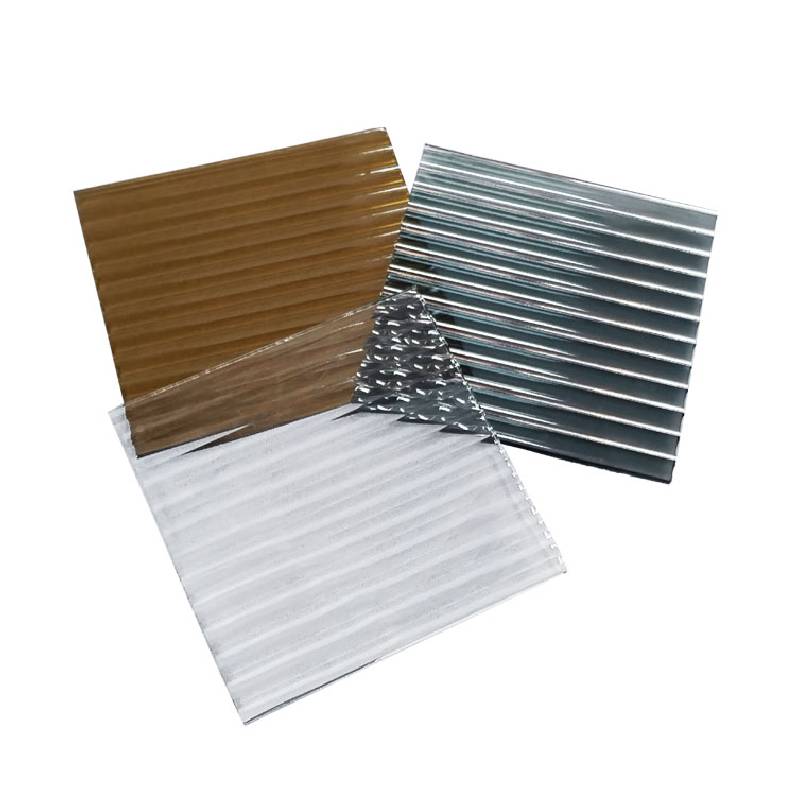
Illustration of the patterned rolling process for moru glass texture, ensuring uniform fluting.
Immediately after patterning, the glass enters a lehr (an annealing oven), where it is gradually cooled under precisely controlled thermal conditions. This annealing process is paramount for relieving internal stresses that develop during the rapid cooling and shaping of the glass. Proper annealing prevents the glass from cracking or shattering prematurely, significantly enhancing its mechanical strength, thermal shock resistance, and overall durability. The cooling profile is meticulously monitored to conform to standards like EN 572-2 or ASTM C1036, ensuring optimal stress relief and long-term stability.
Once annealed, the continuous ribbon of moru glass texture is cut into specific sheet sizes using automated cutting equipment, which can include CNC machining for complex shapes. Edges are often seamed, flat polished, or pencil polished based on customer requirements for both safety and aesthetics. Throughout the entire process, stringent quality control measures are in place. This includes visual inspections for defects, precise measurement of thickness and pattern consistency, and adherence to international standards such as ISO 9001 for quality management systems. For specific applications, further testing might include optical distortion analysis, light transmission assessments, and surface durability tests. The typical service life of properly installed and maintained moru glass texture can extend for many decades, reflecting its inherent durability and high-quality manufacturing.
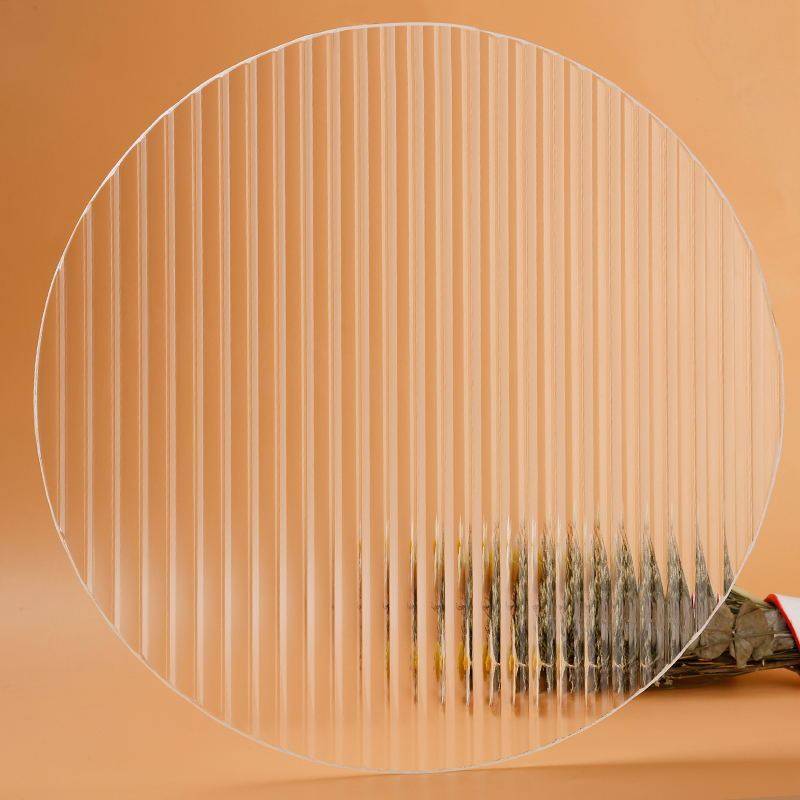
Rigorous quality control protocols ensure the integrity and consistent quality of moru glass texture products.
The performance of moru glass texture is quantified by a range of technical specifications that are critical for architects, engineers, and fabricators. Understanding these parameters ensures the selection of the appropriate glass for specific functional and aesthetic requirements, guaranteeing optimal project outcomes. Below, we detail key specifications relevant to 4mm Moru pattern fluted glass, adhering to widely recognized industry standards.
| Parameter | Specification (4mm Moru Glass) | Standard / Test Method |
|---|---|---|
| Nominal Thickness | 4.0 mm (±0.2 mm) | EN 572-2 / ASTM C1036 |
| Light Transmittance (Diffuse) | 75% - 85% | ISO 9050 / ASTM E1084 |
| Privacy Level (Visual Obscurity) | Medium to High (Excellent visual distortion) | Subjective / Pattern Specific |
| Weight | ~10 kg/m² | Calculated from Density (EN 572-2) |
| Density | 2500 kg/m³ | ISO 1183-1 |
| Modulus of Elasticity | ~70 GPa (Typical for Soda-Lime Glass) | ASTM C158 |
| Thermal Expansion Coefficient | 9 x 10⁻⁶ K⁻¹ | ASTM E228 |
| Max. Panel Size | Customizable, up to 2440 x 3660 mm | Manufacturer Specific / Production Capability |
| Edge Work Options | Seamed, Flat Polish, Pencil Polish, Bevel | Industry Standard Fabrication |
The `moru glass texture` offers excellent light diffusion characteristics, which is a significant advantage in spaces requiring softened illumination without glare. Its patterned surface helps to scatter incident light, reducing direct visibility while allowing ambient light to penetrate deeply into interiors. This contributes to a more comfortable and energy-efficient environment by minimizing the need for artificial lighting during daytime hours and reducing optical fatigue. Furthermore, its smooth flutes are less prone to dirt accumulation compared to deeply textured or etched surfaces, ensuring aesthetic longevity and ease of maintenance.
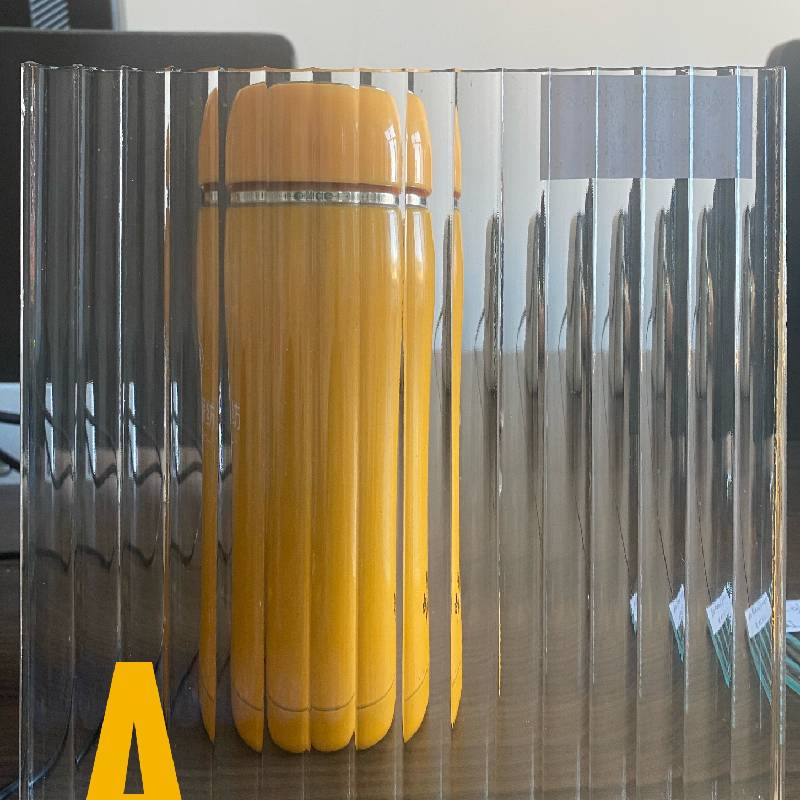
Visualizing the effective light diffusion properties of moru glass texture.
To further illustrate the unique benefits and distinct aesthetic profile of moru glass texture, a comparative analysis with other common patterned glass types is insightful for design and procurement decisions. This helps clients evaluate the best fit for their specific project needs based on both functionality and visual impact.
| Feature | Moru Glass Texture | Reeded Glass | Frosted Glass (Acid-Etched) |
|---|---|---|---|
| Pattern Type | Distinctive, wider, organic vertical flutes (often slightly irregular for natural look) | Uniform, narrower, parallel vertical lines (ridges and valleys) | Homogeneous, smooth, translucent surface with no distinct pattern |
| Privacy Level | Medium to High, excellent visual obscurity through light distortion | Medium, objects appear distorted but shapes are discernible | High, complete obscurity, ideal for maximum privacy |
| Light Diffusion | Excellent, creates a soft, ambient light with minimal glare | Good, slightly directional diffusion along the flutes | Very good, uniform diffusion creating a soft glow |
| Aesthetic Appeal | Organic, flowing, sophisticated, adding sculptural quality | Linear, minimalist, contemporary, precise geometric appeal | Matte, understated, clean, often used for classic elegance |
| Maintenance | Relatively easy to clean, durable surface | Narrow grooves can trap dust, requiring more meticulous cleaning | Porous surface can show fingerprints and oils, requiring specific cleaning agents |
This comparison clearly illustrates that `moru glass texture` strikes an optimal balance between visual privacy, superior light diffusion, and a distinctive aesthetic, making it a preferred choice for projects that aim for both functionality and high design with long-term performance in mind. Its unique visual characteristics can enhance interior dynamics in ways other patterned glass types cannot.
The versatility of moru glass texture extends across numerous industries and applications, providing both sophisticated functional solutions and significant aesthetic enhancements. Its unique optical and physical properties make it an ideal material for environments demanding controlled light, enhanced privacy, and a distinctive modern design aesthetic. The architectural and interior design communities increasingly leverage its capabilities to sculpt spaces that are both inviting and private.
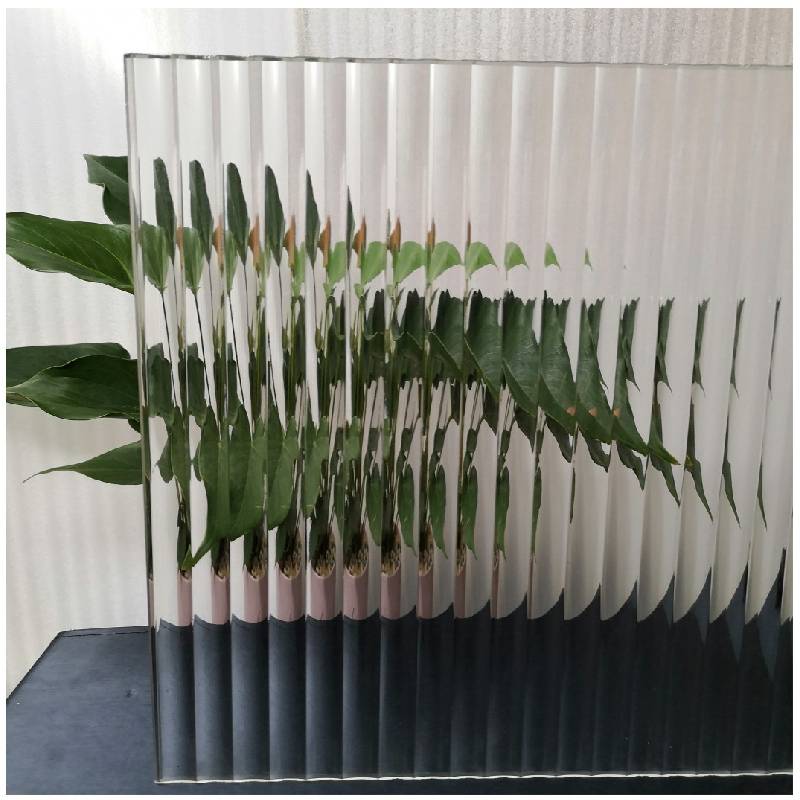
Moru glass elevating modern architectural interiors with diffused light.
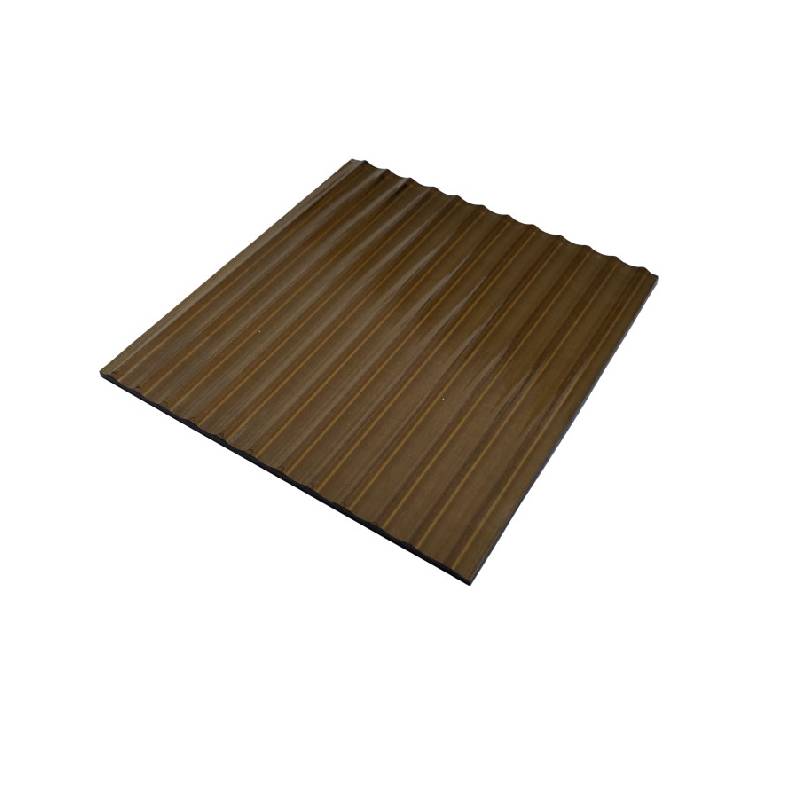
Enhancing residential aesthetics and privacy with moru glass texture.
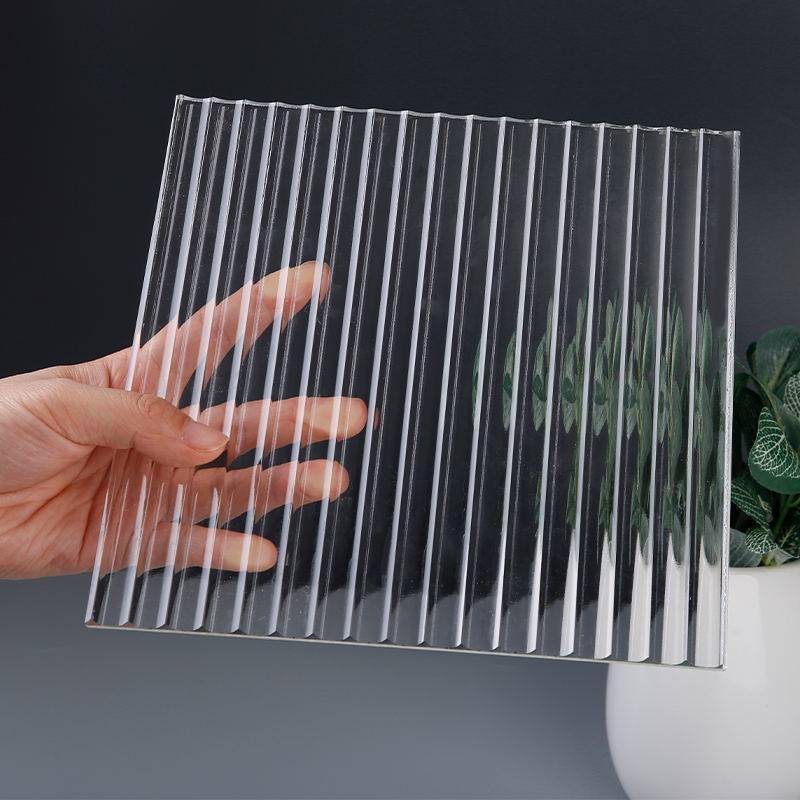
Highlighting the functional and aesthetic benefits of moru glass texture in diverse settings.
Selecting the right supplier for moru glass texture is a critical decision for B2B clients, directly impacting project timelines, budget adherence, and ultimately, the quality and longevity of the final installation. Our commitment to excellence is underpinned by comprehensive service, rigorous quality assurance, and flexible customization options, setting us apart in a competitive market. We offer over a decade of specialization in glass manufacturing and bespoke solutions.
| Feature/Service | Our Offering | Typical Competitor |
|---|---|---|
| Material Quality | Premium optical-grade silica for superior clarity, minimal tint, and enhanced durability. Consistent composition per ASTM C1036. | Standard industrial-grade glass, potentially with slight color variations or minor inclusions. |
| Pattern Consistency | Advanced precision rolling technology ensures uniform flute depth and spacing across entire large sheets, preventing visual distortions. | Minor inconsistencies in pattern definition, depth, or alignment, especially on larger panels. |
| Customization Options | Extensive fabrication capabilities: bespoke sizes, complex shapes (CNC), diverse edge work, safety treatments (tempering, laminating, ceramic frit), custom coatings. | Limited standard sizes and basic edge finishes; restricted options for advanced processing. |
| Lead Time & Reliability | Optimized production workflows and robust logistics for timely delivery (typically 2-4 weeks for standard orders, with expedited options). | Longer, less predictable lead times; potential for delays due to limited capacity. |
| Certifications & Standards | ISO 9001 certified quality management systems, compliance with EN 572-2, ASTM C1036, ANSI Z97.1, CPSC 16 CFR 1201 for safety. | Varies; some may lack comprehensive international certifications or adherence to all safety standards. |
| Customer Support | Dedicated technical support, comprehensive design consultation, proactive project management, extensive after-sales service. | Basic support, limited technical guidance; often reactive rather than proactive. |
Recognizing that every B2B project has unique functional, aesthetic, and budgetary requirements, we specialize in offering meticulously tailored solutions for moru glass texture. Our advanced manufacturing and fabrication capabilities allow for unparalleled flexibility:
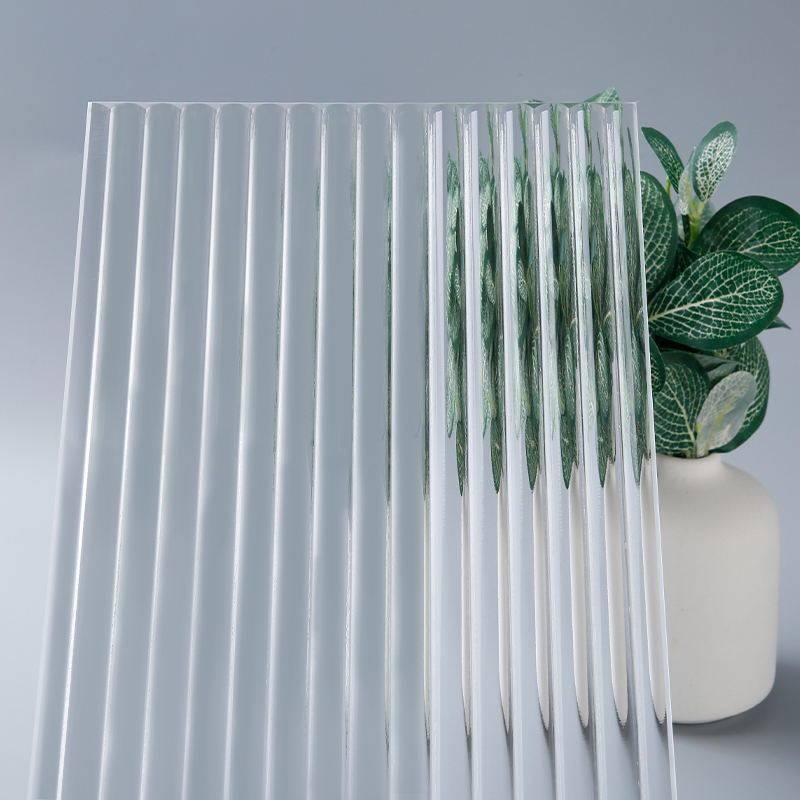
Showcasing customized moru glass texture solutions tailored to unique project demands.
Our dedicated team of engineers and design consultants works closely with clients from conceptualization through detailed engineering to final installation, ensuring that every order of moru glass texture precisely matches project specifications and delivers exceptional value and performance. Our collaborative approach guarantees a seamless process from design intent to physical realization.
Our long-standing experience in the glass industry, spanning over a decade, is evidenced by a robust portfolio of successful projects and trusted partnerships with leading architectural firms, interior designers, and contractors worldwide. We pride ourselves on the demonstrable value that our moru glass texture products bring to diverse architectural and interior design endeavors, consistently exceeding expectations in both aesthetics and performance.
Client: A prominent international technology firm located in a major urban hub. Challenge: The client sought to create semi-private meeting rooms and executive offices within an expansive open-plan layout. The key requirements were to maintain abundant natural light flow, ensure visual privacy without creating a sense of enclosure, and contribute to a contemporary, high-tech aesthetic. Traditional frosted glass was deemed too opaque and lacking dynamism, while clear glass offered insufficient privacy. Solution: We supplied over 500 square meters of 8mm tempered moru glass texture, precision-fabricated with polished edges and custom cut-outs for sophisticated door hardware and access control systems. Each panel was engineered to exacting dimensions to integrate seamlessly into a minimalist framing system. Outcome: The moru glass texture partitions provided the ideal balance of diffused light and visual obscurity, fostering an environment of focused productivity and collaborative spirit. Employee feedback overwhelmingly highlighted enhanced privacy, reduced distractions, and a perception of a more sophisticated, well-designed workspace. The client reported a noticeable improvement in overall workplace satisfaction and acoustic comfort compared to previous, less effective solutions, validated by internal surveys.
Client: A prestigious boutique hotel chain undergoing a complete renovation of its flagship property. Challenge: To design elegant, private, and durable shower enclosures for 150 hotel rooms. These enclosures needed to withstand daily intensive use, high moisture levels, and frequent cleaning, all while offering a premium, aesthetically pleasing design that complemented the hotel's luxurious brand image. Solution: We provided custom-sized 6mm tempered moru glass texture panels, integrated with specialized hydrophobic coatings for superior water repellency and ease of cleaning. Each panel featured precise drillings and notch cuts for bespoke hardware, ensuring flawless installation and long-term functionality. Outcome: The moru glass texture delivered exceptional privacy for guests while allowing ample ambient light to brighten the bathrooms, contributing significantly to the luxurious and spacious feel of the rooms. The enhanced durability, coupled with the low-maintenance hydrophobic coating, dramatically reduced ongoing cleaning and maintenance costs for the hotel management, while guest reviews frequently cited the elegant and functional bathroom design.
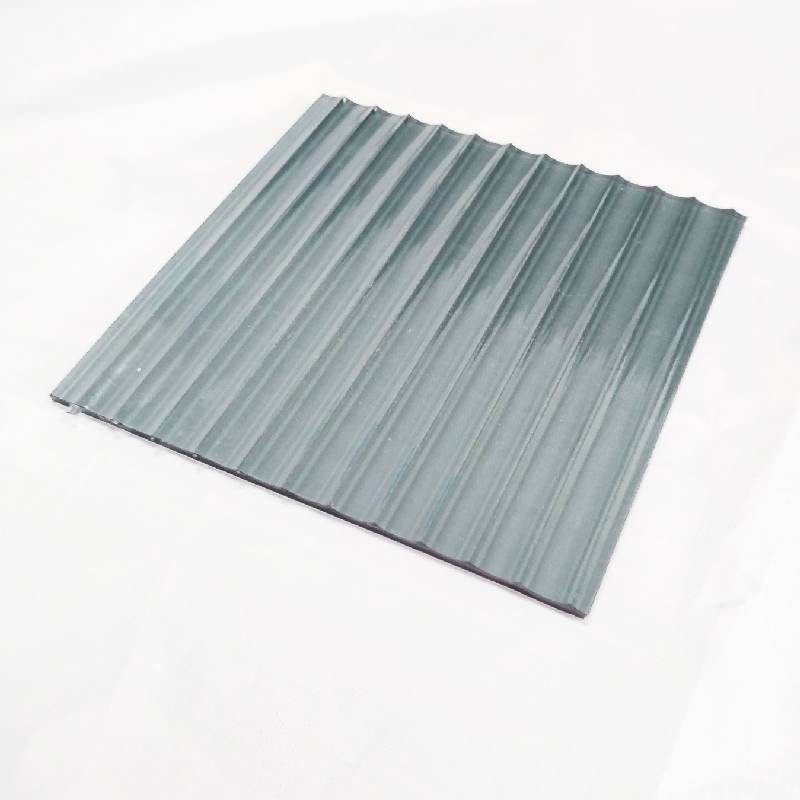
Moru glass creating elegant and functional spaces in hospitality, demonstrating its high performance.
Building lasting partnerships in the B2B sector requires more than just high-quality products; it demands unwavering trustworthiness, transparent communication, and robust support systems. Our commitment to these core principles ensures a seamless and reliable experience for every client specifying moru glass texture for their architectural and design projects. Our reputation is built on consistent delivery, technical expertise, and dedicated client service.
Q: Can moru glass texture be used in external applications?
A: While primarily designed for interior architectural applications, moru glass texture can be adapted for certain external uses, especially when incorporated into insulating glass units (IGUs) or laminated for enhanced weather resistance and safety. Its durability makes it suitable, but specific project requirements should be discussed with our technical team to ensure optimal performance against environmental factors like UV exposure and extreme temperatures.
Q: Is moru glass texture available in different thicknesses and colors?
A: Yes, beyond the standard 4mm, we offer moru glass texture in various thicknesses, typically ranging from 4mm to 10mm, to accommodate diverse structural and design requirements. Thicker options provide enhanced durability and sound insulation. While the natural color is clear, the patterned effect creates a subtle visual depth. For specific color requirements, our glass can be combined with colored interlayers in laminated configurations, or we can discuss ceramic frit options for bespoke aesthetic integration. Please consult with our sales team for detailed availability and custom solutions.
Q: How does the moru glass texture impact light transmission and privacy?
A: Moru glass texture excels in diffusing light, reducing harsh glare, and providing a soft, ambient illumination. Its patterned surface effectively distorts direct views, offering a high degree of privacy without significantly compromising natural light levels (typically 75-85% light transmission for 4mm clear patterned glass). This creates bright, inviting spaces where visual obscurity is paramount, making it superior to clear glass for privacy and more aesthetically engaging than standard frosted options for light management.
We understand the critical importance of timely project completion in the B2B sector. Our streamlined manufacturing processes and efficient logistics enable us to offer competitive lead times. Standard lead time for custom moru glass texture orders is typically 2-4 weeks from final order confirmation and drawing approval, depending on the complexity of fabrication and volume. For projects with urgent deadlines, expedited production and express shipping options may be available upon request. Our dedicated logistics team ensures secure packaging, meticulously planned global delivery, and provides real-time tracking for peace of mind, from our facility to your project site.
All our moru glass texture products are manufactured under strict ISO 9001 certified quality control standards and come with a comprehensive warranty against manufacturing defects. The specific terms and duration vary by product type and application, typically ranging from 5 to 10 years for structural integrity, pattern consistency, and optical performance. This warranty underscores our confidence in the durability and quality of our glass. Detailed warranty information is provided with every quotation and confirmed order, ensuring full transparency and client protection. Our commitment extends to ensuring client satisfaction long after installation, reflecting our dedication to product excellence and reliability.
Our expert customer support team is readily available to assist with all inquiries, from initial project conceptualization and technical specifications to order tracking and comprehensive post-sales support. We offer unparalleled guidance and proactive problem-solving capabilities throughout every stage of your project. Reach out to our specialists via phone, email, or our dedicated online portal for prompt, professional, and knowledgeable assistance. Your project's success and satisfaction are our paramount priorities, and our robust support infrastructure is meticulously designed to ensure maximum reliability and efficiency for all your requirements involving moru glass texture.
Premium Custom Bathroom Mirrors for Modern Home Interior Design
NewsApr.16,2026
Professional Mirror Glass Cut to Size for Modern Interior Design
NewsApr.09,2026
Discover the Benefits of Custom Size Mirrors for Your Home or Business
NewsApr.07,2026
Custom Cut Mirror Solutions for Perfectly Sized Reflections and Design
NewsApr.04,2026
Enhance Your Space with Beautifully Crafted Custom Mirrors by SHZR Glass
NewsMar.31,2026
Is Mirror Glass Expensive A Detailed Cost Guide and Considerations
NewsMar.28,2026