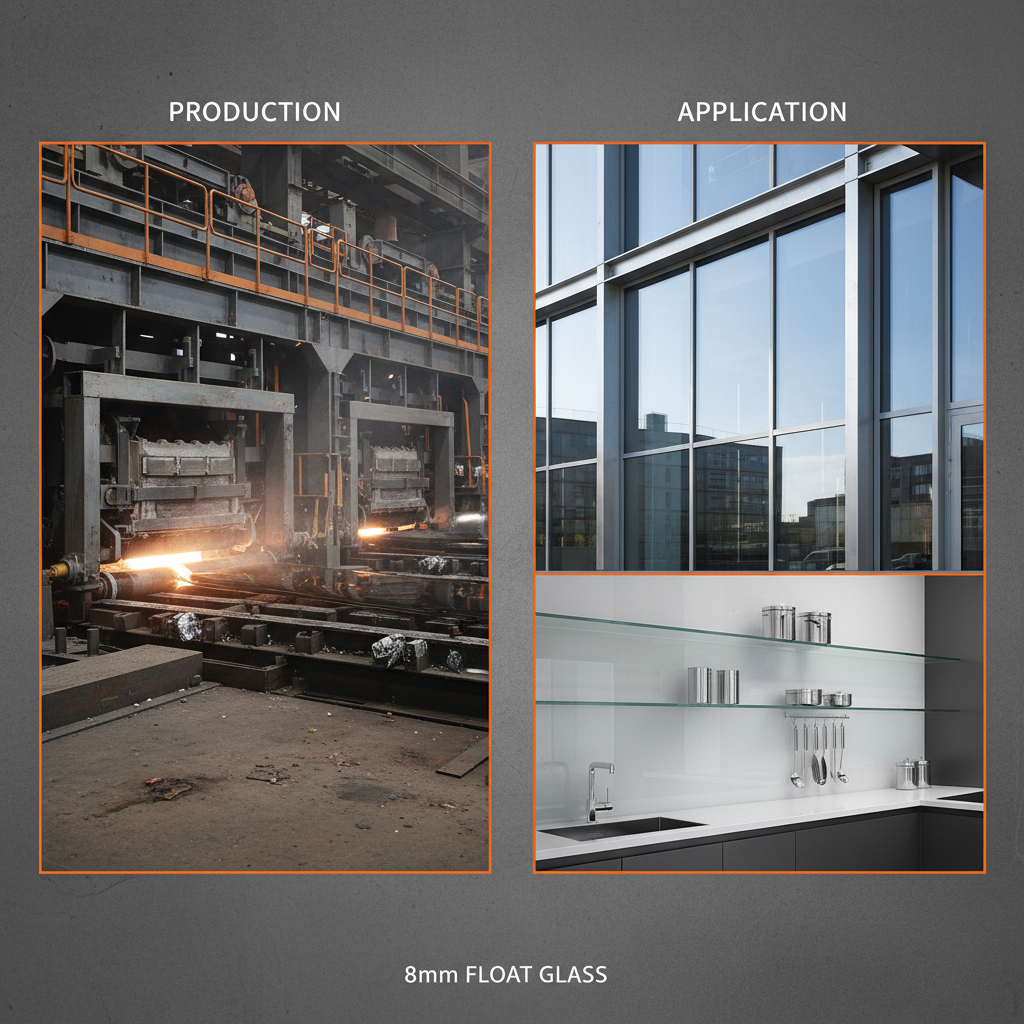
Selecting a reliable float glass manufacturer is a critical decision for architects, greenhouse operators, and interior designers who require precision-engineered glass solutions. In the modern construction landscape, the ability to manipulate light—whether through absolute clarity or strategic diffusion—defines the functionality and aesthetic appeal of a space.
The global demand for specialized architectural glass has surged as sustainability and energy efficiency become paramount. By partnering with a professional float glass manufacturer, industries can access materials like Nashiji pattern glass, which balances high light transmission with the necessary scattering effects to optimize plant growth in agriculture or provide privacy in urban residential projects.
Understanding the technical nuances of glass production, from the rolling process to the selection of low-iron substrates, ensures that the final installation meets rigorous safety and performance standards. This guide explores the intricacies of patterned glass production and how a specialized float glass manufacturer delivers value through material innovation and precise engineering.
Understanding Nashiji Pattern Glass Production
Nashiji pattern glass is a sophisticated product of the glass rolling process, typically managed by a high-capacity float glass manufacturer. During production, the molten glass is passed through rollers, allowing one side to be embossed with a unique, uneven texture while the other remains smooth. This precise mechanical process allows the manufacturer to strictly control the thickness of the glass, typically offering a range from 3mm to 8mm to suit various structural needs.
The distinctive "fragrant pear" pattern is characterized by microscopic cloud-like dots that serve a functional purpose beyond mere aesthetics. By utilizing a low-iron ultra-white glass substrate, the production process ensures that the glass maintains a high level of purity and clarity, which is essential for the high transmittance levels required in professional architectural and agricultural settings.
Core Technical Characteristics of Patterned Glass
The technical superiority of Nashiji glass lies in its substrate and surface engineering. Most high-end versions utilize low-iron ultra-white glass with thicknesses ranging from 3.2mm to 6mm. This ensures a transmittance rate of ≥91%, which is a benchmark for quality in the industry. The result is a material that allows maximum light entry while simultaneously managing how that light is distributed across a room or a greenhouse.
From a structural perspective, the glass features a dual-surface design: one side is the fragrant pear pattern with its signature cloud-like dots, and the other is a suede surface. This combination is engineered to scatter parallel light sources into soft, diffused spots, reducing harsh glares and creating a uniform lighting environment.
Precision is key in the rolling depth; the maximum depth of the Nashiji pattern is strictly maintained between 60μm and 250μm, while the roughness of the suede surface is kept between 0.6 and 1.5μm. These microscopic specifications are what separate a premium float glass manufacturer from standard producers, as these tolerances directly affect the light diffusion quality.
The Role of Light Scattering in Applications
Light scattering is the primary functional benefit provided by a professional float glass manufacturer when producing pattern glass. By breaking up parallel light rays, the glass prevents "hot spots" and ensures that light reaches the deeper corners of a space, which is critical for both human comfort and plant biology.
In agricultural settings, this scattering effect is vital. When used in greenhouse roofs, the Nashiji pattern ensures that sunlight is distributed evenly across the canopy. This prevents leaf burn from direct midday sun and promotes uniform growth and stable quality across the entire crop, maximizing overall yield.
Beyond agriculture, this property is utilized in modern interior design. For bathroom windows or office partitions, the scattering effect blocks clear sight lines—providing essential privacy—while still allowing the space to remain bright and lively, avoiding the claustrophobic feeling associated with opaque walls.
Performance Metrics for Float Glass Selection
When evaluating a float glass manufacturer, procurement officers and architects focus on three primary metrics: thickness, transmittance, and the haze value. Thickness (ranging from 3mm to 8mm) determines the structural integrity and sound insulation, while transmittance (ideally ≥91%) ensures that the energy efficiency of the building is not compromised.
The haze value is perhaps the most critical for Nashiji glass, as it quantifies the efficiency of the light scattering. A well-balanced haze value ensures that the glass provides sufficient privacy and diffusion without making the environment feel dim or gloomy.
Technical Performance Comparison by Float Glass Manufacturer Category
Architectural and Decorative Use Cases
In the realm of contemporary architecture, Nashiji pattern glass is prized for its versatility. It allows designers to create atmospheres that range from "hazy and quiet" to "bold and unrestrained." By controlling the interaction between light and the embossed surface, it becomes a tool for emotional design, creating spaces that feel elegant and simple yet visually stimulating.
Common applications include indoor partitions and bathroom doors. In these contexts, the glass serves as a functional barrier that maintains a flow of natural light while ensuring privacy. Because it is produced by a professional float glass manufacturer, the consistency of the pattern ensures that large-scale installations look seamless and professional.
Agricultural Efficiency and Greenhouse Glass
Agriculture is one of the most demanding sectors for glass performance. The use of Nashiji pattern glass on greenhouse roofs is a strategic choice to increase crop yields. By providing high scattering coverage, the glass ensures that plants in the lower canopy receive adequate light, reducing the disparity in growth rates.
Furthermore, the high light transmission (≥91%) means that the greenhouse does not lose the energy of the sun, but rather optimizes it. This balance between insulation and transmission is key to maintaining a stable internal climate, which is essential for the cultivation of high-value crops.
The durability of the glass, provided by a reputable float glass manufacturer, ensures that the roofs can withstand environmental stressors while maintaining their optical properties over many years, reducing the total cost of ownership for the grower.
Purchasing Guide for Specialized Glass
When selecting a supplier, consumers must look beyond the price tag. The critical parameters—thickness, transmittance, and haze value—must be verified through technical data sheets. A reliable float glass manufacturer will provide transparent specifications and offer a range of regular sizes, such as 18302440mm, 20002440mm, and 21002440mm, to minimize waste during installation.
Quality control upon receipt is equally important. Buyers should inspect the surface for uniformity of the "fragrant pear" pattern and ensure there are no defects in the suede finish. Any inconsistency in the pattern depth can lead to uneven light scattering, compromising the intended effect of the installation.
Finally, after-sales service and the reputation of the supplier are paramount. Choosing a manufacturer with a proven track record in architectural glass ensures that the product will perform as expected under real-world conditions and that any technical queries can be resolved by experts.
Comparison of Nashiji Glass Specifications and Application Suitability
|
Glass Thickness (mm)
|
Light Transmittance
|
Primary Application
|
Diffusion Effect Score (1-10)
|
| 3.0mm |
≥91% |
Interior Partitions |
7 |
| 3.2mm |
≥91% |
Bathroom Windows |
8 |
| 4.0mm |
≥91% |
Greenhouse Roofing |
9 |
| 5.0mm |
≥91% |
Commercial Dividers |
8 |
| 6.0mm |
≥91% |
Heavy-duty Partitions |
9 |
| 8.0mm |
≥91% |
Special Structural Use |
10 |
FAQS
Nashiji pattern glass is a specialized architectural glass characterized by an embossed surface with cloud-like dots. It is produced by a float glass manufacturer using a rolling process where molten glass is pressed between rollers. This creates a patterned side and a smooth suede side, allowing for controlled light diffusion and specific thicknesses ranging from 3mm to 8mm.
It is highly recommended because of its superior scattering effect. Unlike clear glass, which can create harsh hotspots, Nashiji glass distributes sunlight uniformly across the greenhouse. Combined with a high transmittance rate of ≥91%, it ensures that plants receive optimal light for growth while avoiding the risks of direct sun-scorch, thereby increasing overall crop quality and yield.
Yes, it is an ideal choice for bathroom doors and windows. The embossed pattern effectively blocks clear sight lines, providing privacy for the occupants. However, unlike frosted glass which can sometimes feel "closed in," the high transmittance of Nashiji glass ensures that natural light still fills the room, maintaining a bright and airy atmosphere.
Low-iron glass removes the greenish tint found in standard float glass. When a float glass manufacturer uses an ultra-white substrate, the resulting Nashiji glass achieves much higher transmittance (≥91%). This is crucial for architectural aesthetics and agricultural efficiency, where the true color of light is necessary.
Choice depends on the application: 3mm to 4mm is generally sufficient for interior decorative partitions or small greenhouse panels. For structural partitions, bathroom doors, or larger external spans, 5mm to 8mm is recommended to ensure safety and stability. Always consult the technical specifications provided by your manufacturer to match the thickness with the load-bearing requirements.
First, verify the dimensions against your order (e.g., 21002440mm). Second, inspect the pattern consistency—the cloud-like dots should be uniform across the surface. Third, check for any scratches or defects on both the patterned side and the suede side. Finally, ensure the transmittance and thickness match the technical data sheet provided by the float glass manufacturer.
Conclusion
Nashiji pattern glass represents a perfect marriage of aesthetic beauty and technical utility. By leveraging the precision of a professional float glass manufacturer, this material provides an unparalleled balance of high light transmittance and strategic scattering. Whether it is enhancing crop yields in a greenhouse or creating a serene, private sanctuary in a modern home, the specific engineering of the "fragrant pear" pattern ensures optimal light management and structural reliability.
Looking forward, as the construction industry moves toward "wellness architecture" and sustainable farming, the demand for glass that can manipulate natural light will only grow. We suggest that architects and developers prioritize technical parameters like haze values and substrate purity over cost alone to ensure long-term performance. To explore high-quality patterned glass solutions for your next project, visit our website: www.shzrglass.com.