

Oct . 09, 2025 09:05
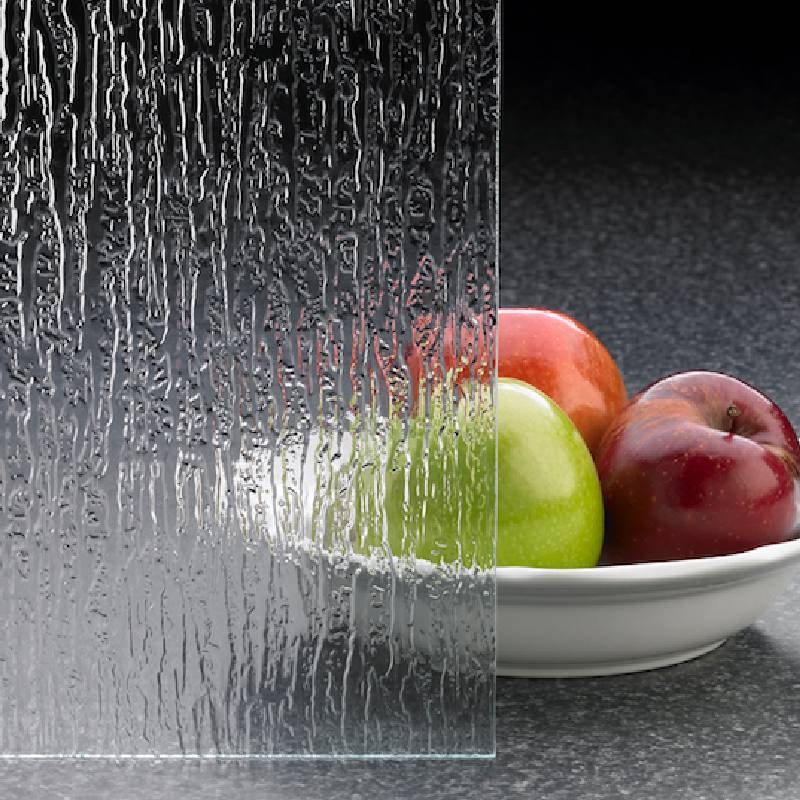
If you’ve ever wanted privacy without turning a room gloomy, rain glass is that quiet design trick insiders keep coming back to. It diffuses glare, hides clutter, and frankly makes a mundane partition look like it belongs in a boutique hotel. The 4mm/5mm/6mm series I’ve been reviewing comes from Shahe City, Hebei — specifically, 800 meters south of Provincial Road 329, Economic Development Zone — a region that’s been doing patterned glass for years and knows the drill.
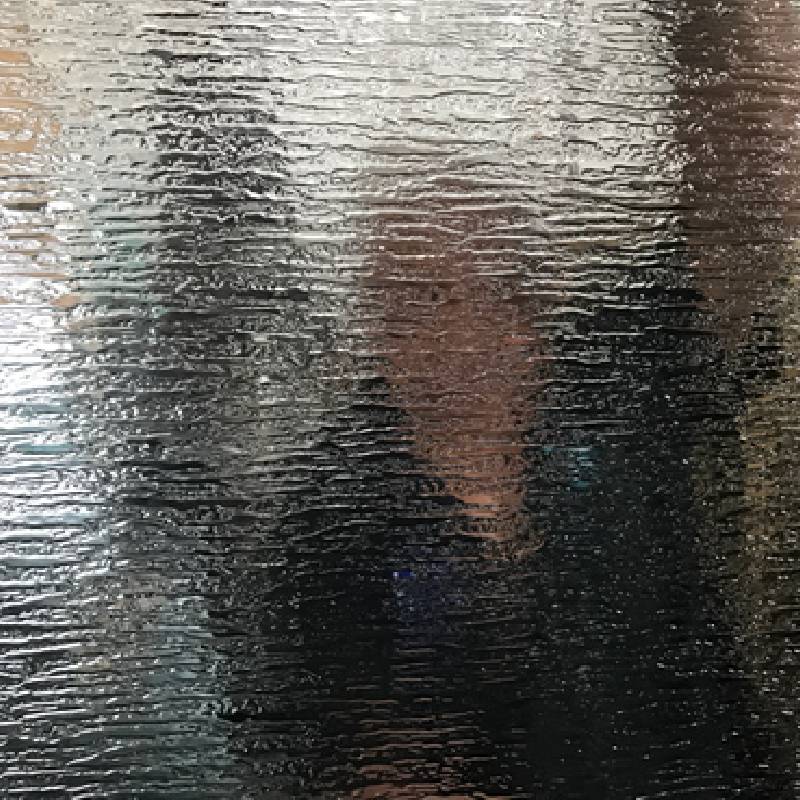
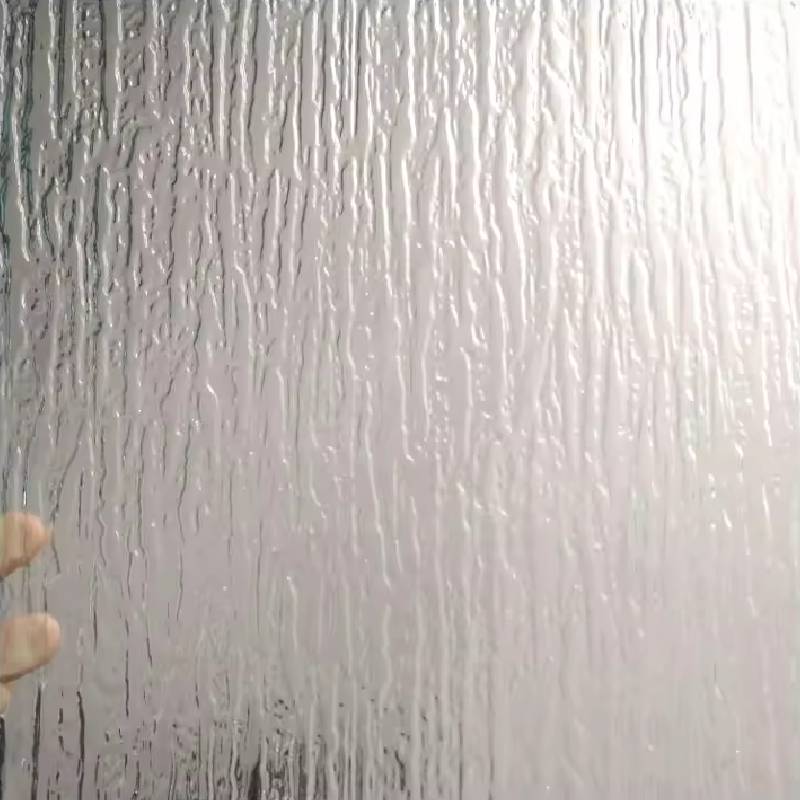
Designers are leaning into textured surfaces again. In retail fit-outs and small hospitality spaces, rain glass hits that sweet spot: light-transmitting yet not fully revealing. Energy codes are tighter, acoustics matter more, and yes, people want “calm.” The vertical “rain” striations add rhythm without shouting. Many customers say it feels “softly modern,” which, I guess, is the look of the moment.
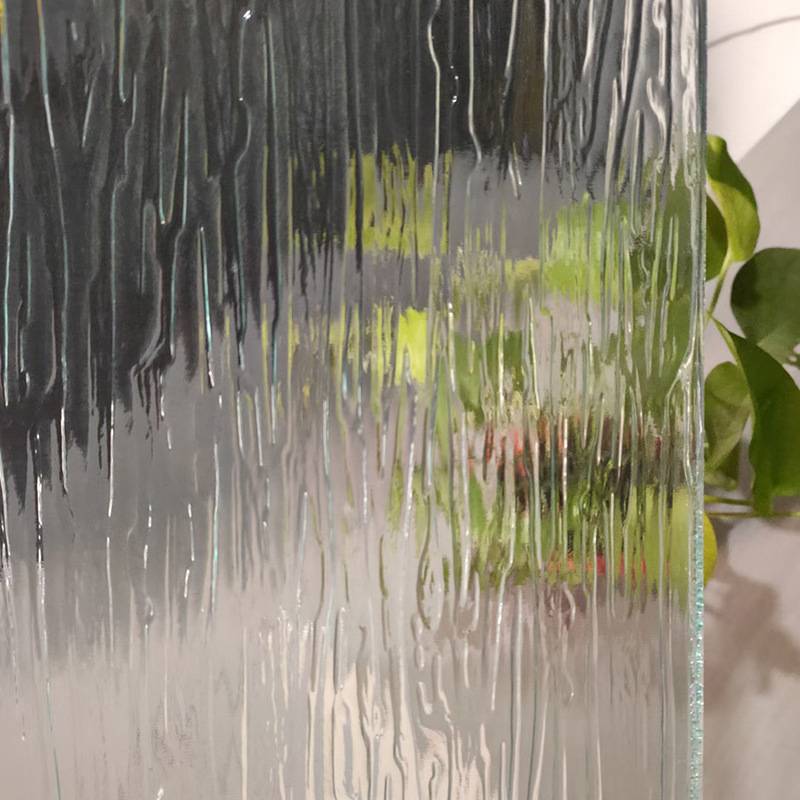
| Thickness | 4mm, 5mm, 6mm (annealed; tempering/laminating optional) |
| Standard sizes | 1830×2440 mm, 2140×3300 mm; cut-to-size available |
| Pattern depth | ≈0.35–0.60 mm (real-world use may vary) |
| Visible light transmittance (τv) | ≈70–88% depending on thickness and orientation (ISO 9050 method) |
| Haze | ≈85–95% (diffusion for privacy) |
| Acoustic (single-pane) | Rw ≈ 28–30 dB; higher when laminated |
| Service life | Around 20–30 years interior; exterior use with proper sealing |
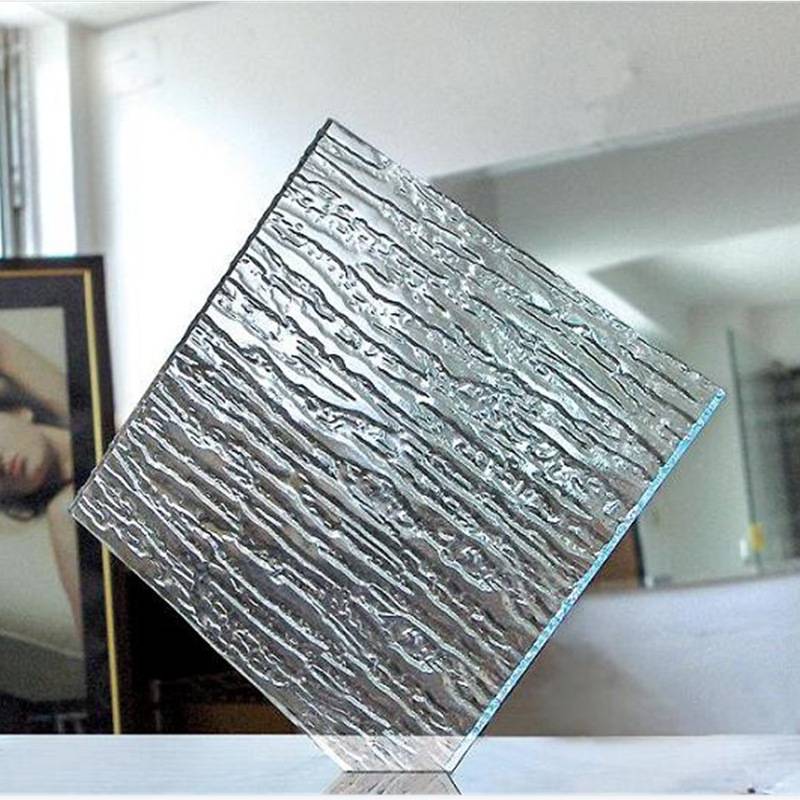
Materials: soda-lime silicate feedstock; low-iron optional. Method: molten glass runs through patterned rollers that emboss the “rain” texture, then it’s annealed and cut. Optional finishing: edge polishing, drilling, tempering (ASTM C1048) or laminating (PVB/EVA). Testing: visual quality and dimension checks (ASTM C1036/EN 572-5), transmittance per ISO 9050, and if safety-treated, impact per EN 12600. To be honest, the roller calibration is where the magic (and consistency) lives.
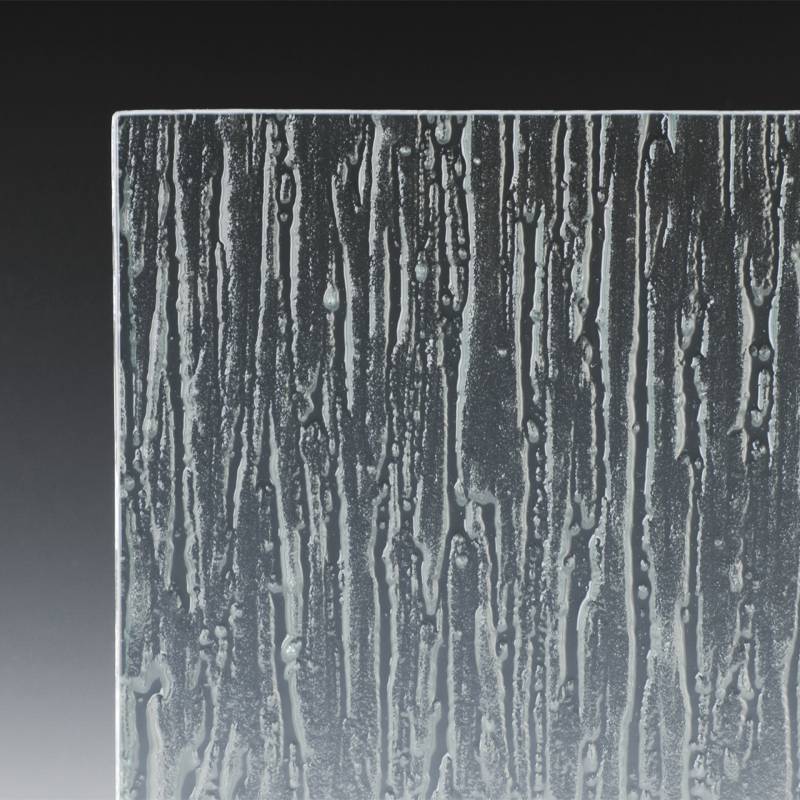
Feedback has been surprisingly consistent: “looks premium,” “hides fingerprints better,” and “softens direct sun.” I’ve heard the maintenance teams like it because streaks are less obvious. Small win, big peace.
| Vendor | Lead Time | Certification | Customization | Notes |
|---|---|---|---|---|
| SHZR (Shahe, Hebei) | 10–15 days typical | ISO 9001; EN 572-5 conformity | Cut-to-size, temper/laminate, logo print | Stable roller pattern; export packaging |
| Supplier A (CN) | 15–25 days | ISO 9001 | Limited pattern runs | Good price; check optical quality |
| Supplier B (VN) | 20–30 days | EN 572-5 | Basic cutting only | Competitive on large lots |
Case 1 — Boutique hotel lobby, Chengdu: 6mm tempered rain glass screens cut glare from south glazing; measured τv ≈ 74%, guest feedback “brighter yet calmer.”
Case 2 — Microbrewery, Melbourne: laminated 5+5mm with EVA for wet zone. Passed EN 12600 1(C)2 pendulum. Staff noted easier cleaning than frosted film.
Case 3 — Residential pantry, Austin: 4mm rain glass in aluminum frames; homeowner liked that “mess stays invisible unless you’re right up close.”
Standards and references:
Premium Custom Bathroom Mirrors for Modern Home Interior Design
NewsApr.16,2026
Professional Mirror Glass Cut to Size for Modern Interior Design
NewsApr.09,2026
Discover the Benefits of Custom Size Mirrors for Your Home or Business
NewsApr.07,2026
Custom Cut Mirror Solutions for Perfectly Sized Reflections and Design
NewsApr.04,2026
Enhance Your Space with Beautifully Crafted Custom Mirrors by SHZR Glass
NewsMar.31,2026
Is Mirror Glass Expensive A Detailed Cost Guide and Considerations
NewsMar.28,2026