

Oct . 07, 2025 08:00
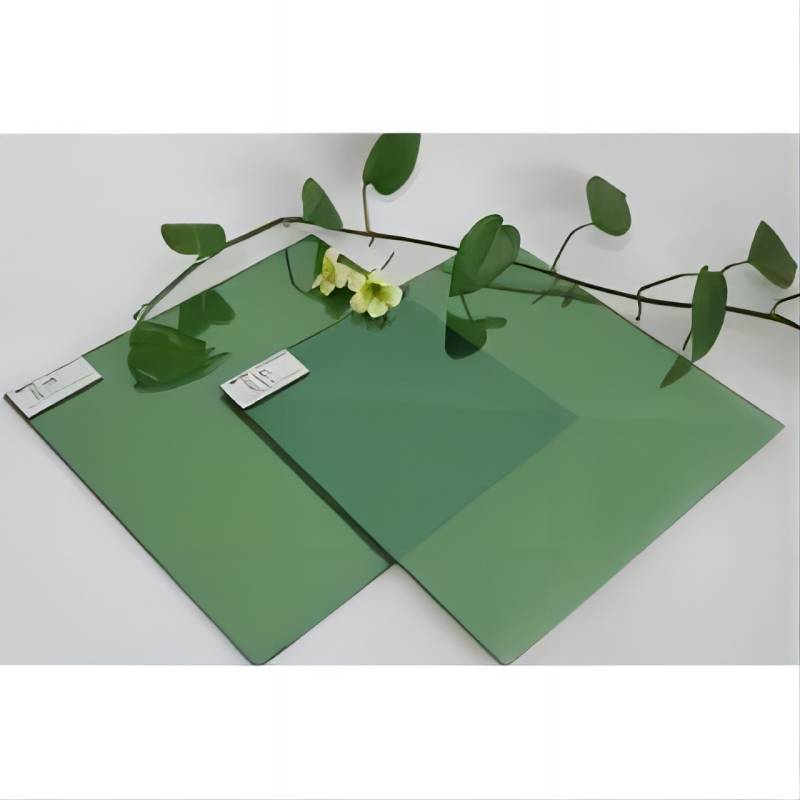
If you’re weighing façade options, start with the essentials: reflective glass has been having a real moment in contemporary architecture. To be honest, it’s not just about the mirror-like vibe; it’s about solar control, privacy, and that calm, uniform exterior many clients quietly crave. The 5 mm dark green model I’ve been seeing in bids lately hits a sweet spot between cost and performance.
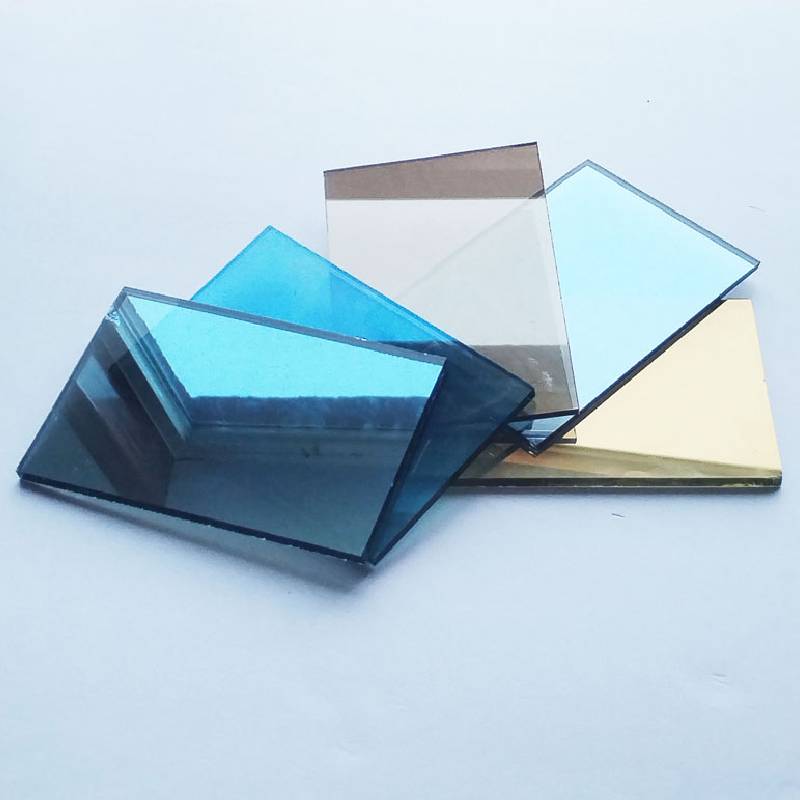
Market trend, quick take: demand for reflective glass is rising in warm climates and retrofit façades. Owners love the lower glare and passable cooling savings; specifiers like color consistency and a firm handle on daylight. Actually, some cities are pushing envelope performance, so combining reflective glass with double glazing is now standard rather than “nice-to-have”.
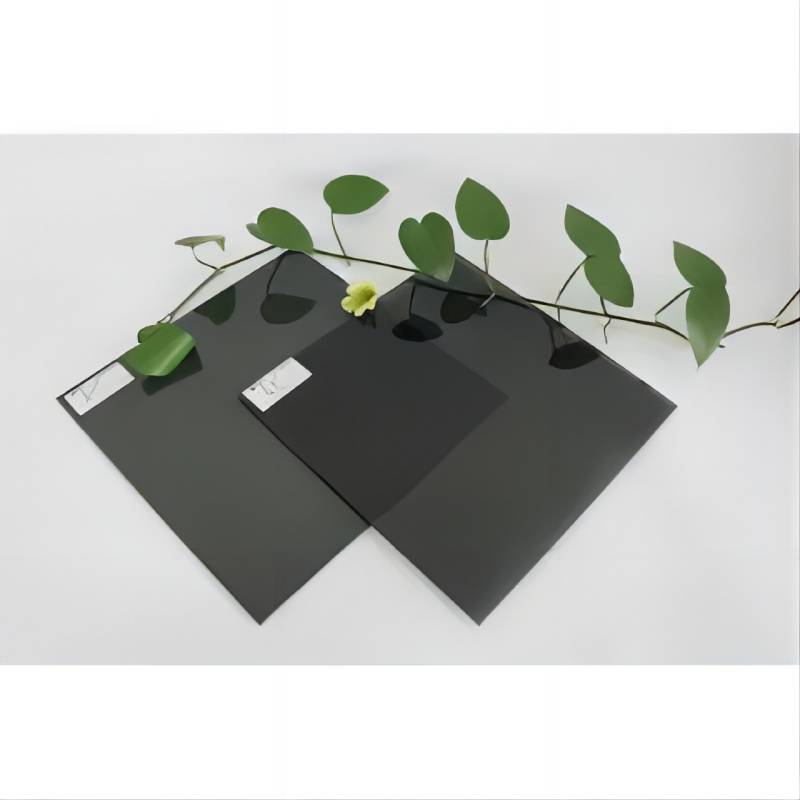
| Parameter | Typical Value (≈, real-world may vary) |
|---|---|
| Nominal thickness | 5 mm |
| Visible Light Transmittance (EN 410/ISO 9050) | 18–28 % |
| External Reflectance | 20–32 % |
| Solar Heat Gain Coefficient (single) | 0.35–0.45 |
| U-value (single) | ≈5.6 W/m²·K |
| Coating type | Durable on-line pyrolytic or magnetron sputtered, project-specific |
| Color | Dark green, uniform tint |
| Max size | Up to jumbo (≈3300×6000 mm), cutting available |
| Safety options | Heat-strengthened, tempered (EN 12150/ANSI Z97.1), laminated (EN 14449) |
| Service life | 20–30 years with proper framing/IGU sealing |
Materials: high-purity silica sand, soda ash, limestone/dolomite, refined cullet. The float line forms the ribbon; then a hard-coat (CVD) or soft-coat (magnetron sputter) layer delivers the signature reflectance. After that: edge processing, tempering or heat-strengthening, optional lamination, and IGU assembly with warm-edge spacers. Testing follows EN 1096 (coated durability), EN 410/ISO 9050 (optical/solar), and ASTM C1376 (coated glass for glazing). Honestly, the coatings today are tougher than a decade ago.
- Façades and curtain walls seeking glare control and privacy during daytime
- Spandrels and podium glazing to tidy up MEP hides (looks clean, frankly)
- Skylight bands in hot regions; retrofit over-cladding with IGUs
- Sectors: commercial offices, hospitality, education, transport hubs
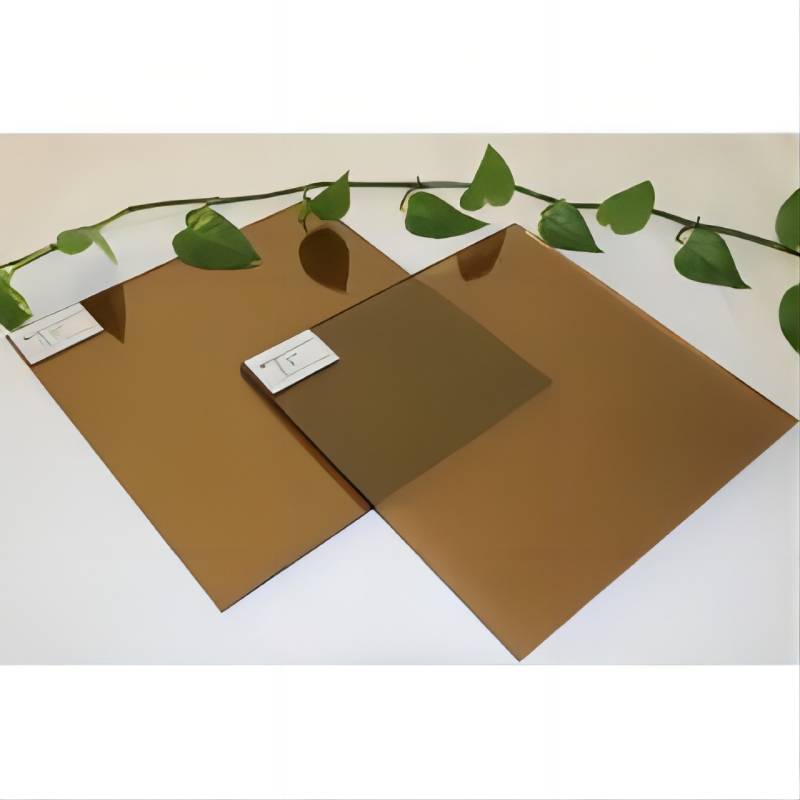
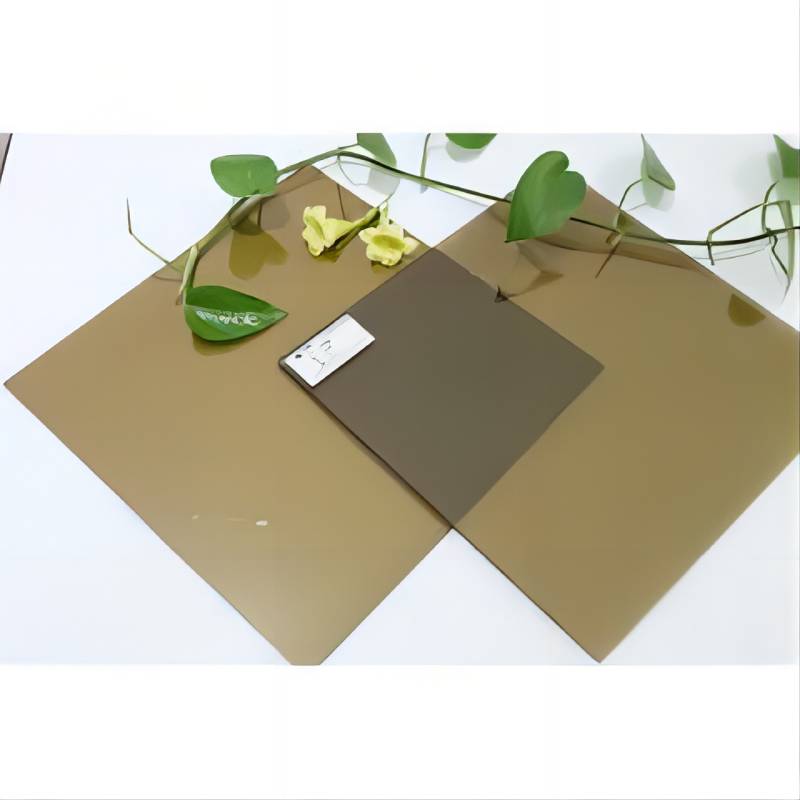
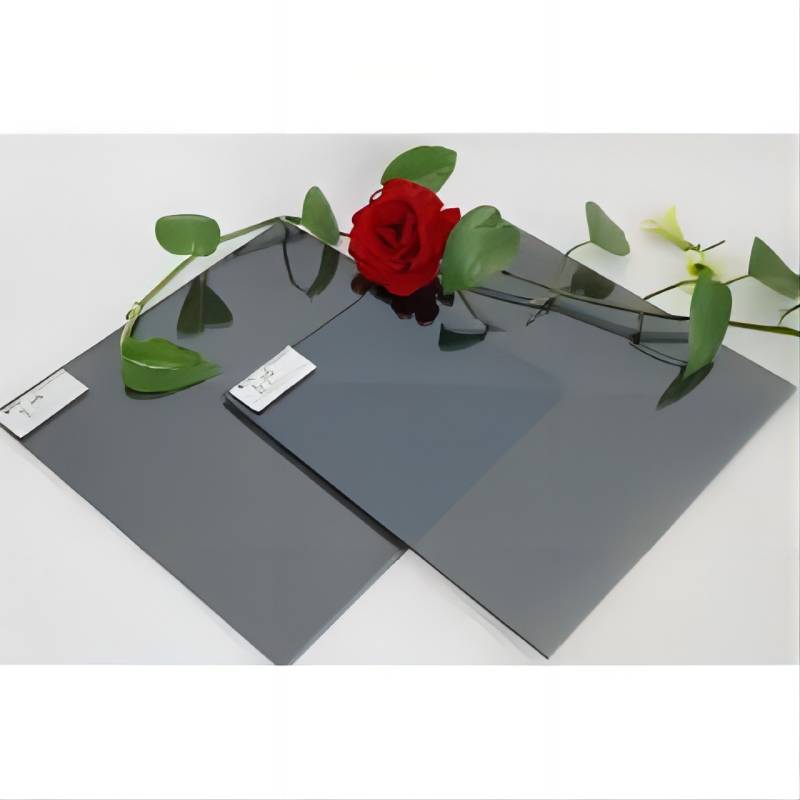
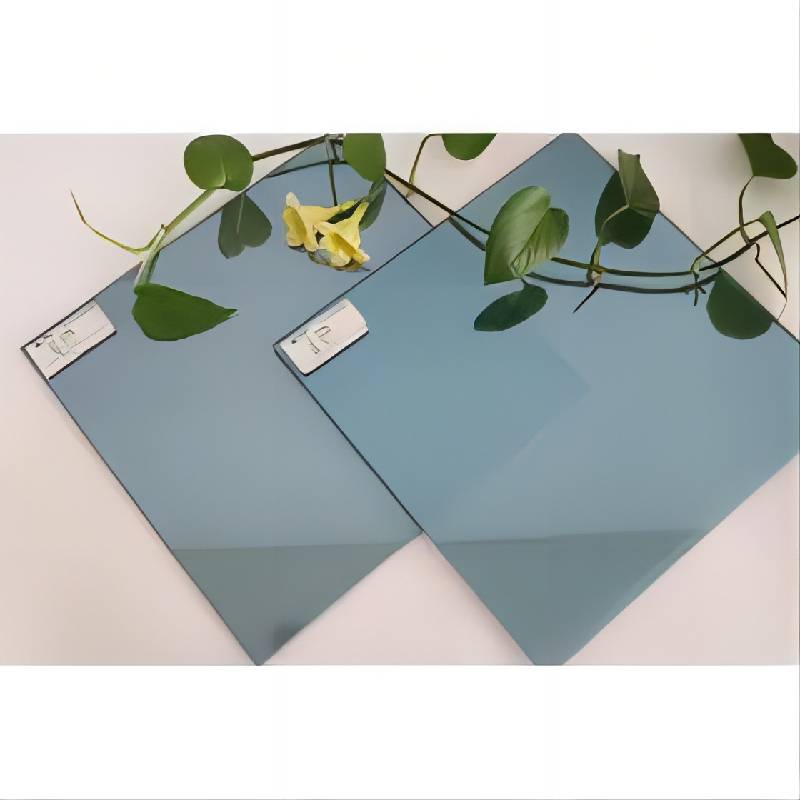
Thickness 4–8 mm, color tuning (green/blue/bronze/grey), light/solar targets per mock-up, heat-soak test on request, silk printing on spandrels, and IGU pairings with low-e for extra punch. Many customers say the mock-up phase is where the final decision clicks—lighting changes things more than you think.
| Vendor | Coating | Color range | Lead time | Certs | Notes |
|---|---|---|---|---|---|
| SHZR (Shahe, Hebei) | Pyrolytic / sputter | Green, blue, bronze, grey | ≈2–4 weeks | ISO 9001, EN 1096 | Competitive MOQ; flexible sizes |
| Guardian/Global | Sputter focus | Wide palette | Project-based | EN/ASTM portfolio | Broad IGU pairing |
| Xinyi/Asia | Pyrolytic + sputter | Standard tints | ≈3–5 weeks | ISO/EN | Strong volume capacity |
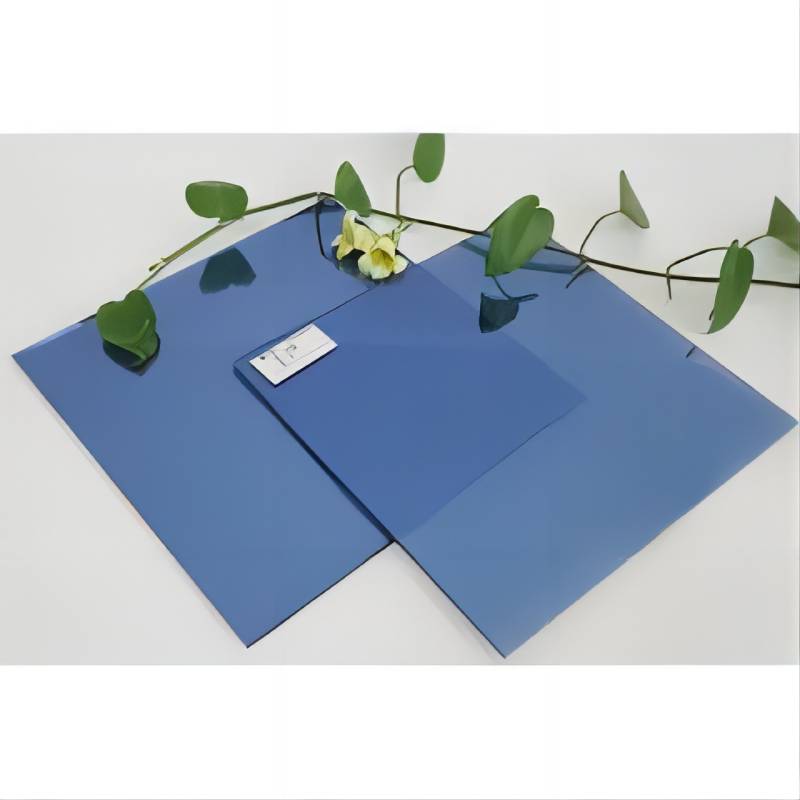
- Coating durability: EN 1096; optical data: EN 410/ISO 9050; safety: EN 12150, ANSI Z97.1; laminated: EN 14449; coated glass in fenestration: ASTM C1376.
- Sample test result (mock-up, 5 mm single): VLT 22 %, Ext. Refl. 28 %, SHGC 0.41. IGU pairing (5R + 12Ar + 6 low-e): SHGC ≈0.27, U-value ≈1.6 W/m²·K.
- Coastal hotel, SE Asia: dark-green reflective glass on the tower, paired IGU on guest rooms. Measured lobby glare dropped ~35% at noon; chiller load trimmed ≈8% in summer shoulder months.
- University library retrofit: switching to reflective glass spandrels unified the façade; occupants reported fewer hotspots and more even daylight—subjective, yes, but persistent.
Origin: 800 meters south of Provincial Road 329, Economic Development Zone, Shahe City, Hebei Province. Logistics have been steady; crating is decent. Contractors I talk to say the color uniformity is “predictably good,” which, in construction-speak, is high praise.
References:
[1] EN 1096 – Glass in building — Coated glass
[2] EN 410 / ISO 9050 – Glass light and solar properties
[3] ASTM C1376 – Standard Specification for Coated Glass in Building
[4] EN 12150 – Thermally toughened soda lime silicate safety glass
[5] ANSI Z97.1 – Safety Glazing Materials Used in Buildings
[6] EN 14449 – Laminated glass and laminated safety glass
Premium Custom Bathroom Mirrors for Modern Home Interior Design
NewsApr.16,2026
Professional Mirror Glass Cut to Size for Modern Interior Design
NewsApr.09,2026
Discover the Benefits of Custom Size Mirrors for Your Home or Business
NewsApr.07,2026
Custom Cut Mirror Solutions for Perfectly Sized Reflections and Design
NewsApr.04,2026
Enhance Your Space with Beautifully Crafted Custom Mirrors by SHZR Glass
NewsMar.31,2026
Is Mirror Glass Expensive A Detailed Cost Guide and Considerations
NewsMar.28,2026