

Dec . 26, 2024 00:30
Understanding Tempered Glass Meaning, Benefits, and Applications
Tempered glass, also known as toughened glass, is a type of safety glass that has been mechanically or chemically treated to enhance its strength compared to standard glass. This process involves heating the glass to high temperatures and then cooling it rapidly, which creates a balance of internal stresses within the glass that significantly improves its durability and resistance to breakage. The meaning of tempered glass is rooted in its ability to endure impacts and thermal fluctuations, making it a preferred choice in various applications.
The Process of Tempering
The tempering process begins with the selection of high-quality float glass. The glass is heated in a specialized furnace to temperatures of about 620 to 675 degrees Celsius (around 1,148 to 1,247 degrees Fahrenheit). Once the glass reaches the desired temperature, it is quickly cooled using air jets. This rapid cooling causes the outer surfaces of the glass to harden faster than the interior, resulting in a balance of tension and compression. The outcome is a glass that is not only stronger but also less likely to break into sharp shards if shattered, minimizing the risk of injury.
Advantages of Tempered Glass
1. Increased Strength Tempered glass is up to five times stronger than standard glass of the same thickness. This makes it ideal for environments where safety and durability are paramount.
2. Safety Features When tempered glass does break, it shatters into small, blunt pieces rather than sharp shards, reducing the likelihood of serious injuries.
3. Thermal Resistance The heat-strengthening process allows tempered glass to withstand significant temperature fluctuations. This makes it suitable for applications that involve exposure to high heat or varying weather conditions.
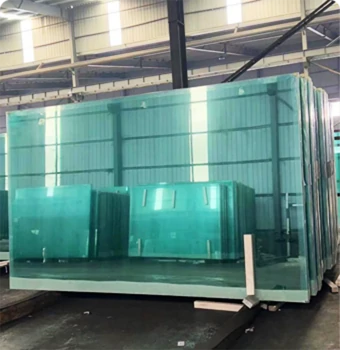
4. Versatility Tempered glass can be used in a plethora of applications, including shower enclosures, glass doors, partitions, balustrades, and even in automotive windshields.
5. Aesthetic Appeal Aside from its strength, tempered glass offers clear visibility and can enhance the aesthetic value of structures, making it a popular choice for modern architectural designs.
Applications of Tempered Glass
Tempered glass boasts a wide range of applications across numerous industries. In residential construction, it is commonly used in shower doors, bathroom enclosures, and glass railings. In commercial settings, tempered glass can be found in storefronts, office partitions, and facades. Its strength and safety features make it an excellent choice for tabletops and countertops as well.
In the automotive industry, tempered glass is often used for side and rear windows due to its increased strength and safe shattering properties. Similarly, in the aviation sector, tempered glass is crucial in cockpit and passenger windows to withstand pressure differences while ensuring safety.
Conclusion
In summary, the meaning of tempered glass encompasses a type of safety glass that is engineered for enhanced strength and thermal resistance. Its manufacturing process not only makes it an exceptionally durable material but also ensures that it poses less risk to human safety in the event of breakage. With its diverse applications, tempered glass serves as a critical component in modern architecture, automotive design, and various other fields, standing testament to the balance of functionality and aesthetic appeal. Whether in a home, office, or vehicle, tempered glass provides safety, beauty, and reliability, solidifying its place as a favored choice among builders, designers, and manufacturers alike.
Premium Custom Bathroom Mirrors for Modern Home Interior Design
NewsApr.16,2026
Professional Mirror Glass Cut to Size for Modern Interior Design
NewsApr.09,2026
Discover the Benefits of Custom Size Mirrors for Your Home or Business
NewsApr.07,2026
Custom Cut Mirror Solutions for Perfectly Sized Reflections and Design
NewsApr.04,2026
Enhance Your Space with Beautifully Crafted Custom Mirrors by SHZR Glass
NewsMar.31,2026
Is Mirror Glass Expensive A Detailed Cost Guide and Considerations
NewsMar.28,2026