

Sep . 19, 2025 14:10
In the realm of modern architecture and design, the innovative use of glass has become synonymous with elegance, functionality, and sustainability. Among the myriad types of glass available, color reflective glass stands out as a versatile option that adds aesthetic appeal while offering practical benefits. From production processes to key parameters and diverse applications, let's delve into the world of color reflective glass.
Type: Light blue reflective glass, dark blue reflective glass, light green reflective glass (French green reflective glass), dark green reflective glass (emerald green reflective glass), brown reflective glass, bronze reflective glass, European gray reflective glass, dark gray reflective glass, black reflective glass, gold reflective glass, silver reflective glass.
Thickness: 4mm, 5mm, 6mm.
Size: 18302440, 21403300, 21403660, 21401650, 22503300, 22503660, 24403660.
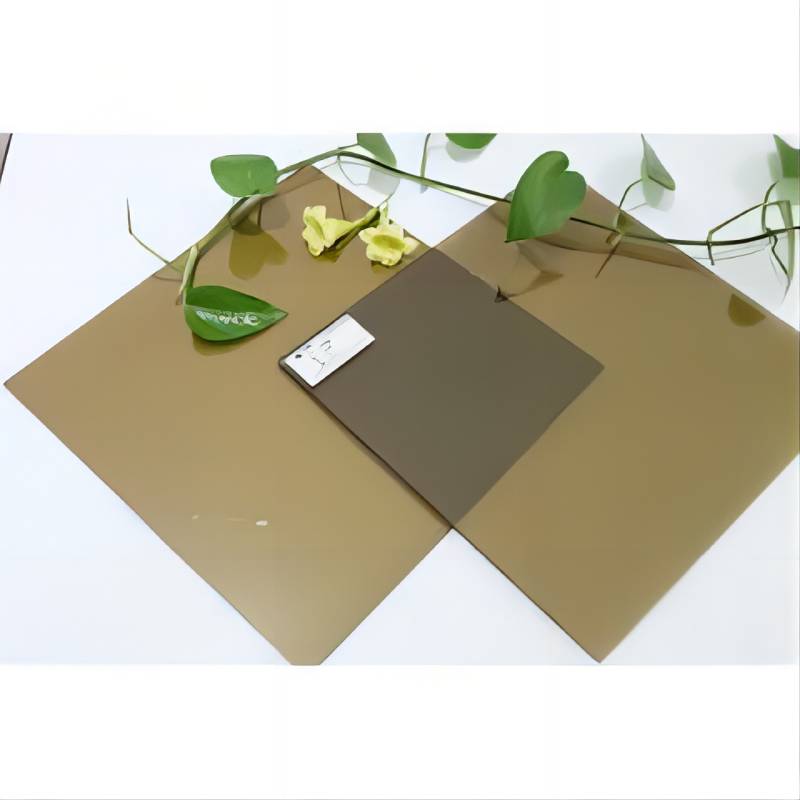
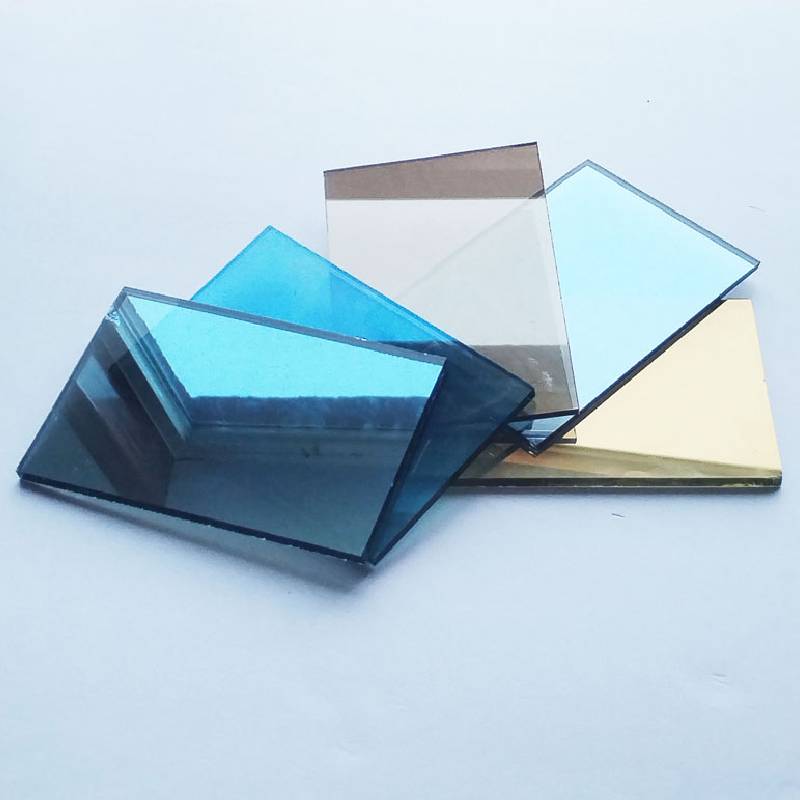
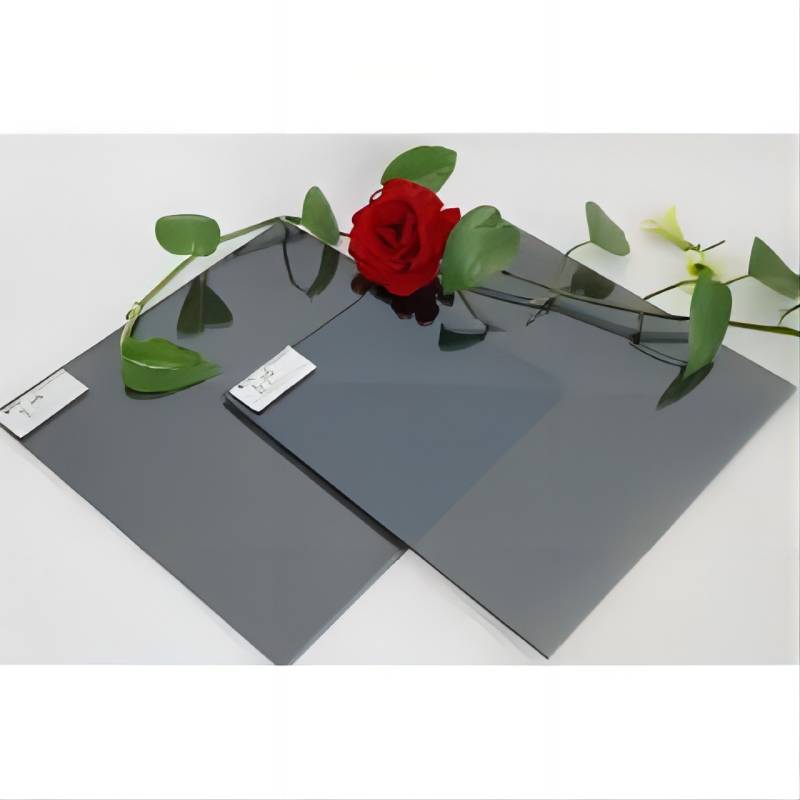
Color reflective glass is manufactured through a process known as vacuum sputtering or magnetron sputtering. This method involves depositing metallic oxides onto the surface of clear or tinted glass in a vacuum chamber. By controlling the composition and thickness of these metallic coatings, manufacturers can achieve a wide range of colors and reflective properties.
During the sputtering process, the glass substrate is placed in a vacuum chamber along with targets made of the desired metal oxides, such as titanium, zinc, or silicon. High-voltage electrical currents are then applied to the targets, causing atoms to be ejected and deposited onto the glass surface. The thickness and composition of these coatings determine the color and reflective characteristics of the glass.
Several parameters play a crucial role in determining the performance and appearance of color reflective glass:
Color reflective glass finds applications across various sectors, thanks to its aesthetic appeal and functional properties:
| Parameter | Details |
|---|---|
| Type | Light blue, dark blue, light green, dark green, brown, bronze, European gray, dark gray, black, gold, silver |
| Thickness | 4mm, 5mm, 6mm |
| Size | 18302440, 21403300, 21403660, 21401650, 22503300, 22503660, 24403660 |
| Production Process | Vacuum sputtering / Magnetron sputtering |
| Key Parameters | VLT, Solar Reflectance, U-Value, CRI |
Shazhou City Zhuorui Glass Products Co., Ltd. is a leading manufacturer specializing in high-quality reflective glass products. With a commitment to innovation and sustainability, the company has established itself as a trusted name in the glass industry. Their expertise in advanced manufacturing techniques ensures that their products meet the highest standards of performance and aesthetics.
For more information about the company, visit their official website.
Color reflective glass, particularly the 5mm dark green reflective glass, represents a perfect blend of form and function. Its versatility across multiple industries, combined with its energy-efficient properties, makes it an essential material for modern design and construction. Whether used in architectural facades, automotive applications, or electronic devices, this glass continues to redefine the possibilities of glass technology.
For authoritative information on standards and measurement, refer to the National Institute of Standards and Technology (NIST). NIST plays a critical role in advancing technology through precise measurements and research, ensuring the quality and reliability of materials like color reflective glass.
Source: https://www.nist.gov/
Premium Custom Bathroom Mirrors for Modern Home Interior Design
NewsApr.16,2026
Professional Mirror Glass Cut to Size for Modern Interior Design
NewsApr.09,2026
Discover the Benefits of Custom Size Mirrors for Your Home or Business
NewsApr.07,2026
Custom Cut Mirror Solutions for Perfectly Sized Reflections and Design
NewsApr.04,2026
Enhance Your Space with Beautifully Crafted Custom Mirrors by SHZR Glass
NewsMar.31,2026
Is Mirror Glass Expensive A Detailed Cost Guide and Considerations
NewsMar.28,2026