

Oct . 01, 2025 06:50
In the realm of modern architecture and design, the innovative use of glass has become synonymous with elegance, functionality, and sustainability. Among the myriad types of glass available, color reflective glass stands out as a versatile option that adds aesthetic appeal while offering practical benefits. From production processes to key parameters and diverse applications, let's delve into the world of color reflective glass.
5mm reflective glass is a specialized type of glass designed to enhance both visual and functional properties in various applications. The product offers a wide range of color options, including light blue, dark blue, light green, dark green (emerald green), brown, bronze, European gray, dark gray, black, gold, and silver. These colors are achieved through advanced manufacturing techniques, ensuring a vibrant and consistent finish.
| Parameter | Details |
|---|---|
| Thickness | 4mm, 5mm, 6mm |
| Size Options | 18302440, 21403300, 21403660, 21401650, 22503300, 22503660, 24403660 |
| Color Options | Light blue, dark blue, light green, dark green (emerald green), brown, bronze, European gray, dark gray, black, gold, silver |
| Production Process | Vacuum sputtering or magnetron sputtering |
The manufacturing of color reflective glass involves a sophisticated process known as vacuum sputtering or magnetron sputtering. This method allows for the precise deposition of metallic oxides onto the surface of clear or tinted glass in a controlled vacuum environment. By adjusting the composition and thickness of these coatings, manufacturers can achieve a wide array of colors and reflective properties tailored to specific applications.
During the sputtering process, the glass substrate is placed in a vacuum chamber alongside targets made of desired metal oxides, such as titanium, zinc, or silicon. High-voltage electrical currents are applied to these targets, causing atoms to be ejected and deposited onto the glass surface. The resulting coatings are not only aesthetically pleasing but also enhance the glass's functional characteristics, such as solar reflectance and thermal insulation.
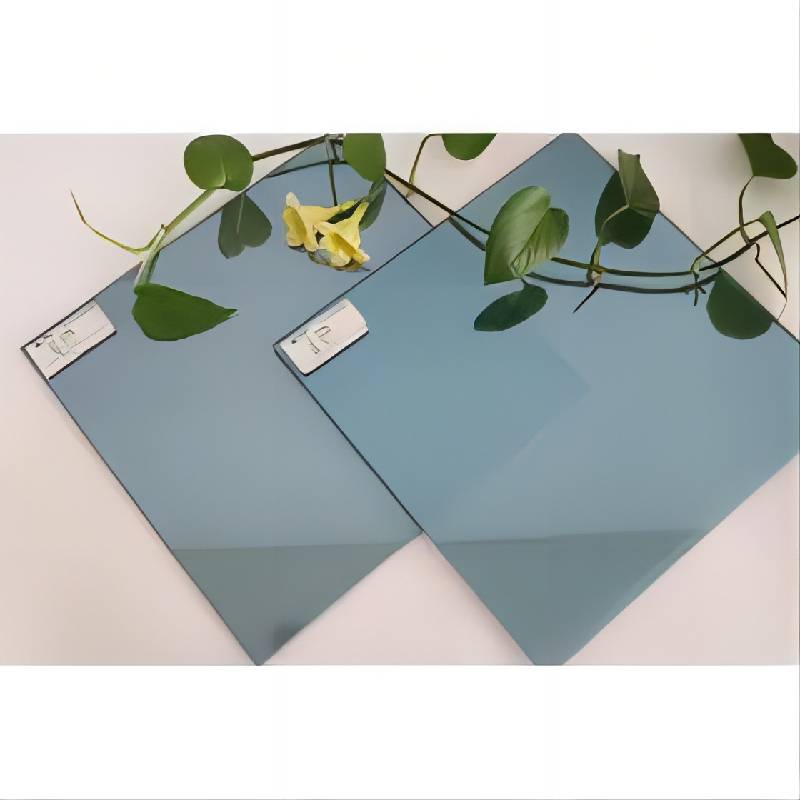
Color reflective glass offers several advantages that make it a preferred choice in various industries. These benefits are determined by key parameters such as Visible Light Transmission (VLT), solar reflectance, U-value, and Color Rendering Index (CRI).
VLT refers to the percentage of visible light that passes through the glass. This parameter is critical in applications where controlling indoor brightness and glare is essential. For instance, in office buildings or residential spaces, a higher VLT can allow more natural light to enter, reducing the need for artificial lighting and creating a more comfortable environment.
Solar reflectance measures the glass's ability to reflect solar radiation. High solar reflectance values help reduce heat gain, which is particularly beneficial in hot climates. By minimizing the need for air conditioning, this feature contributes to energy efficiency and cost savings.
The U-value indicates the rate of heat transfer through the glass. A lower U-value signifies better insulation properties, making color reflective glass ideal for energy-efficient buildings. This parameter is especially important in regions with extreme temperatures, where maintaining a stable indoor climate is crucial.
CRI measures how accurately a light source reveals the colors of objects compared to natural light. High CRI values are essential in environments where color accuracy is paramount, such as museums, retail spaces, and art galleries. Color reflective glass with a high CRI ensures that colors appear vibrant and true, enhancing the overall visual experience.
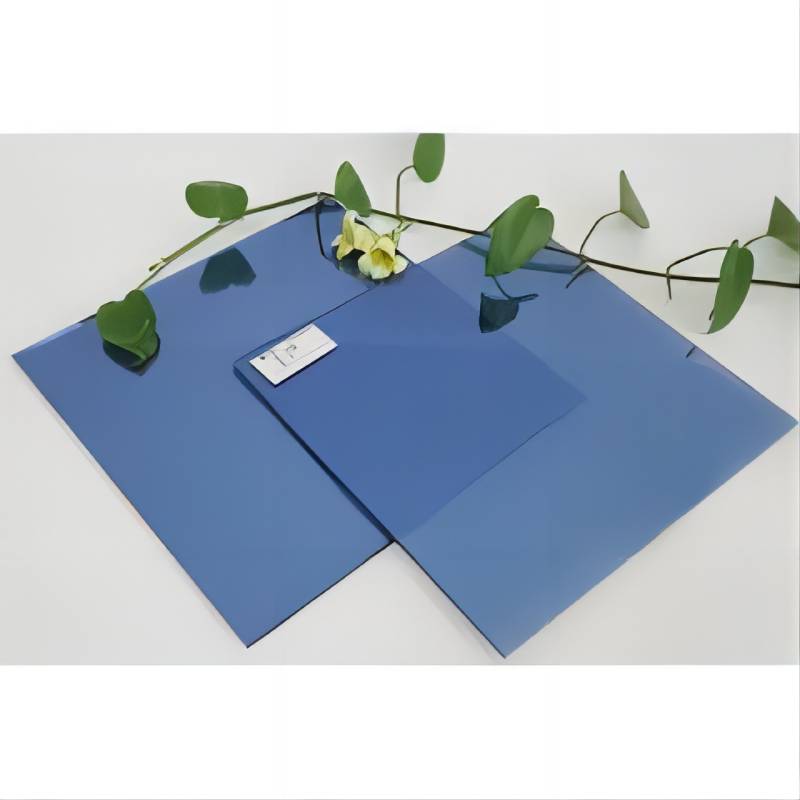
The versatility of color reflective glass makes it suitable for a wide range of applications, from architectural facades to electronic devices. Below are some of the key sectors where this glass is utilized:
Reflective glass facades are a popular choice in modern architecture, adding a contemporary touch to buildings while improving energy efficiency. The reflective surfaces reduce solar heat gain, which helps in maintaining a comfortable indoor environment. Additionally, these facades create dynamic visual effects, especially in urban landscapes, where they can reflect the surrounding environment and change appearance depending on the time of day.
In interior spaces, color reflective glass can be used for partitions, doors, and decorative elements. Its ability to enhance natural light distribution makes it an excellent choice for creating visually striking environments. For example, using reflective glass in office partitions can create a sense of openness while maintaining privacy.
Reflective glass coatings are utilized in automotive windows to improve visibility, reduce glare, and enhance the overall appearance of vehicles. These coatings also help regulate interior temperatures, improving passenger comfort. In addition, the reflective properties of the glass can contribute to the aesthetic appeal of vehicles, making them stand out on the road.
Color reflective glass is integral to the production of display panels for electronic devices such as smartphones, tablets, and televisions. The reflective coatings enhance screen clarity and color vibrancy, providing an optimal viewing experience for users. This application is particularly important in the consumer electronics industry, where visual quality is a key selling point.
Some variants of color reflective glass are engineered for use in photovoltaic solar panels. These glasses serve as protective layers while optimizing light absorption for electricity generation. By enhancing the efficiency of solar panels, reflective glass contributes to the advancement of renewable energy technologies.
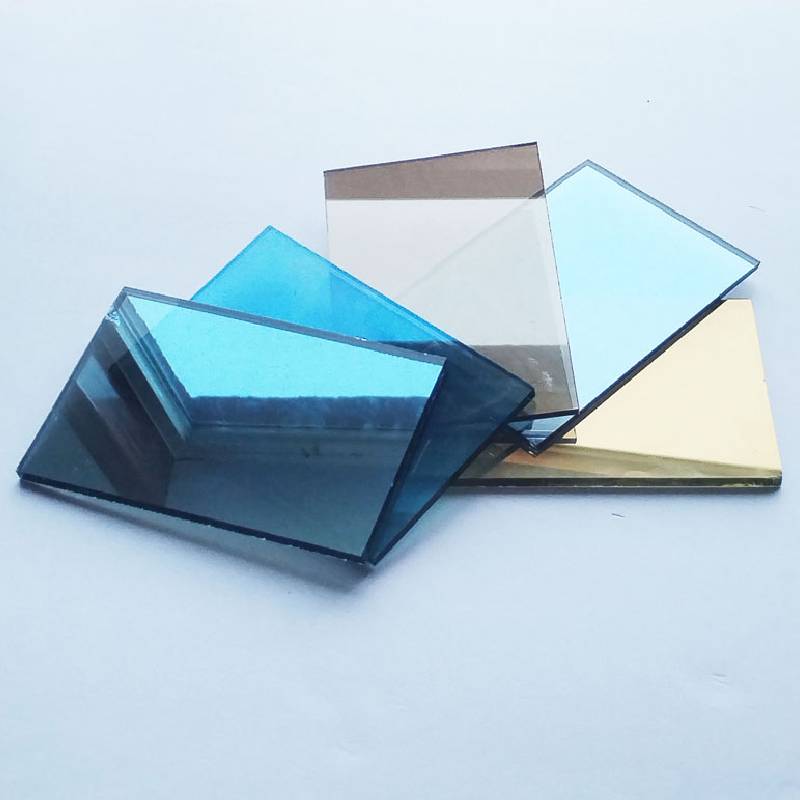
Shangrao Zhero Glass Products Co., Ltd. is a leading manufacturer specializing in high-quality color reflective glass. With a commitment to innovation and excellence, the company has established itself as a trusted name in the glass industry. Their products are designed to meet the evolving needs of architects, designers, and engineers across various sectors.
Shangrao Zhero Glass Products Co., Ltd. adheres to stringent quality control standards, ensuring that each product meets the highest industry benchmarks. Their expertise in advanced manufacturing techniques, such as vacuum sputtering, allows them to produce color reflective glass with precise color and performance characteristics. This dedication to quality has earned them a loyal customer base and a reputation for reliability.
According to the National Institute of Standards and Technology (NIST), NIST has conducted extensive research on the thermal and optical properties of reflective materials. Their studies highlight the importance of solar reflectance and U-values in energy-efficient building design. For instance, a NIST publication on thermal performance of reflective materials provides valuable insights into how reflective surfaces can reduce energy consumption in buildings.
Additionally, NIST has developed standards for measuring the optical properties of glass, including VLT and CRI. These standards ensure that products like color reflective glass meet the required performance criteria. By adhering to these standards, Shangrao Zhero Glass Products Co., Ltd. ensures that their products are not only aesthetically pleasing but also functionally superior.
Premium Custom Bathroom Mirrors for Modern Home Interior Design
NewsApr.16,2026
Professional Mirror Glass Cut to Size for Modern Interior Design
NewsApr.09,2026
Discover the Benefits of Custom Size Mirrors for Your Home or Business
NewsApr.07,2026
Custom Cut Mirror Solutions for Perfectly Sized Reflections and Design
NewsApr.04,2026
Enhance Your Space with Beautifully Crafted Custom Mirrors by SHZR Glass
NewsMar.31,2026
Is Mirror Glass Expensive A Detailed Cost Guide and Considerations
NewsMar.28,2026