

Oct . 06, 2025 07:50
I’ve walked enough factory floors to know: when architects ask for clean lines and predictable performance, they’re usually talking about clear float glass. It’s the baseline material that becomes windows, facades, mirrors, display cases—then gets tempered, laminated, coated, or all three. The SHZR line (from the Economic Development Zone, Shahe City, Hebei—about 800 meters south of Provincial Road 329) has been turning heads lately for consistency and, frankly, the way they package for long-haul shipments.
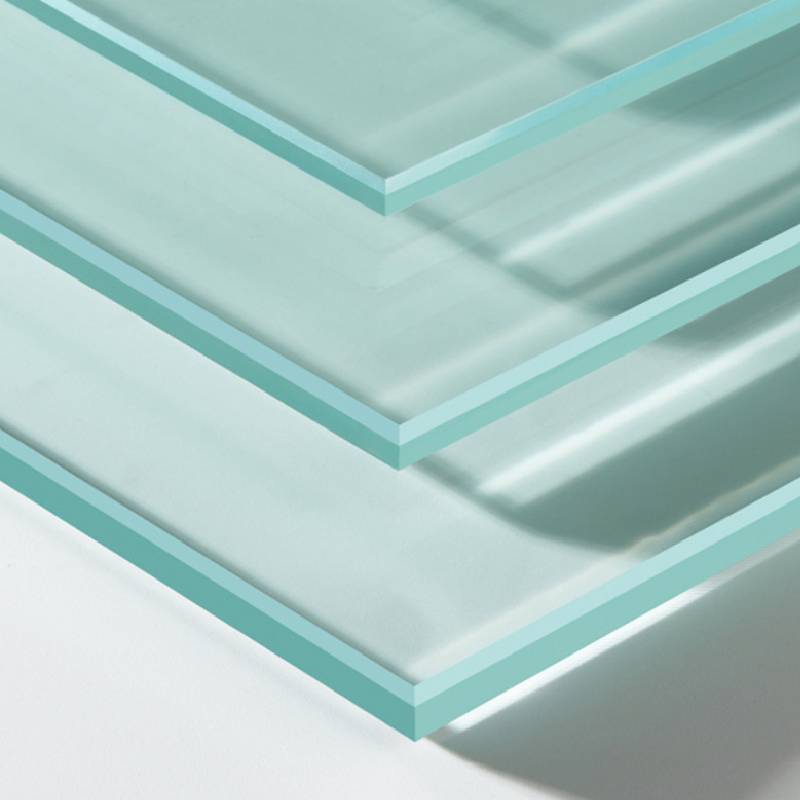
Three currents define 2025: higher visible light transmittance for daylighting, tighter flatness for jumbo lites (think unitized facades), and dependable base glass for low‑E coating lines. Surprisingly, many customers say lead time reliability now beats an extra 0.5% transmittance on their priority list. Can’t blame them.
| Parameter | Typical Range | Notes |
|---|---|---|
| Thickness | 2–19 mm | Tolerances per EN 572-2 / ASTM C1036 |
| Max stock size | 2440 × 3660 mm (jumbo options ≈ in inquiry) | Custom cutting available |
| Visible light transmittance (4 mm) | ≈ 89–91% | EN 410; real-world use may vary |
| Density | ≈ 2.5 g/cm³ | Soda‑lime silicate |
| Thermal expansion | ≈ 9 × 10⁻⁶ /K | 20–300 °C |
| Chemical resistance | Good vs. acids/alkalis | Avoid prolonged HF exposure |
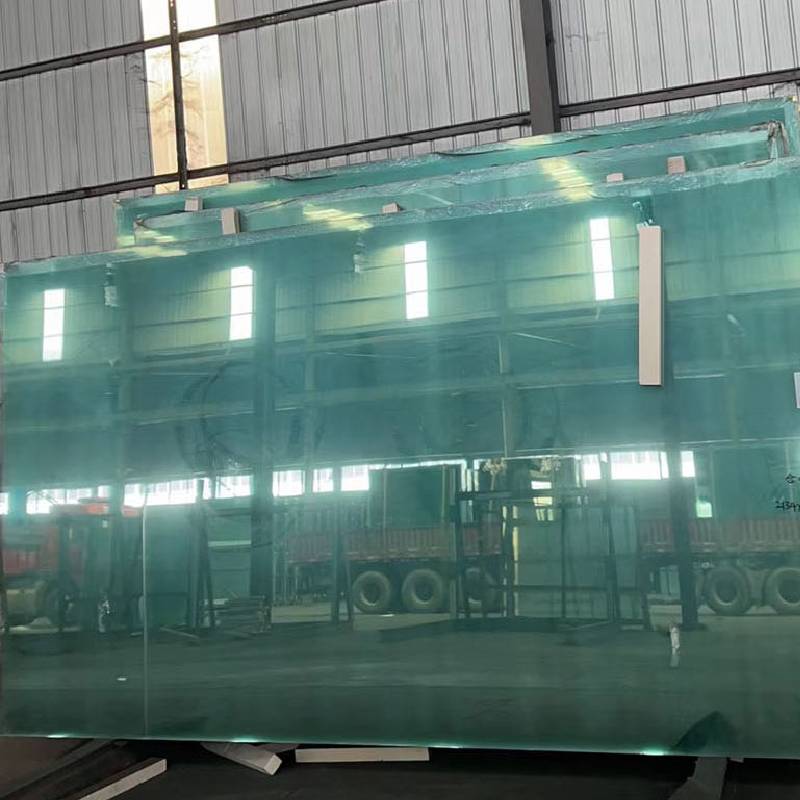
High‑purity silica sand, soda ash, limestone, and select natural ores are mixed and melted at ≈1550–1600 °C. The molten ribbon floats on a tin bath, spreading and polishing itself (that’s the magic) before slow annealing in a lehr to relieve stress. Then: cutting, edgework, washing, and packing. Testing includes optical defects (seeds, bubbles), roller wave/flatness, thickness tolerance, transmittance (EN 410), and visual quality per EN 572 / ASTM C1036. Service life? Around 25–40 years in building applications—longer if laminated/IGU with proper framing and maintenance.
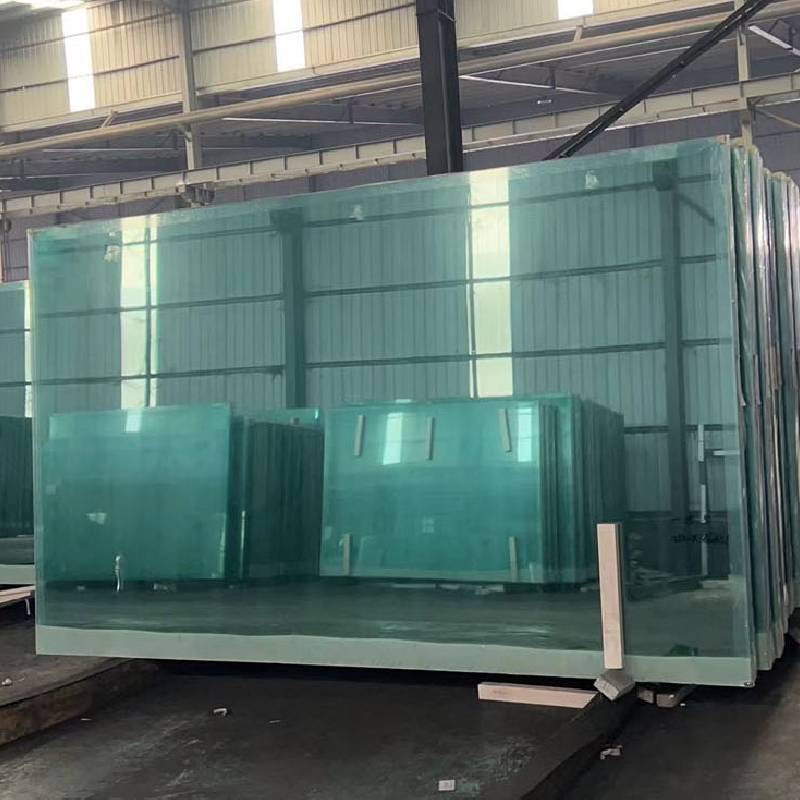
| Vendor | Thickness | Lead Time | Certs | Notes |
|---|---|---|---|---|
| SHZR (Shahe, Hebei) | 2–19 mm | ≈ 10–20 days | ISO 9001, CE, CCC | Strong packing; custom cuts/jumbo |
| Regional trader | 3–12 mm | ≈ 2–6 weeks | Varies | Convenient, but mixed mill sources |
| Overseas mill | 2–25 mm | ≈ 4–8 weeks | CE, others | Great for mega projects; longer transit |
Sizes, thicknesses, edgework (arris, polished), holes/notches, tempering, heat‑strengthening, laminating (PVB/EVA), silvering for mirrors, acid‑etch or silk‑print, IGU builds, and low‑E/solar‑control coatings. To be honest, getting edgework and drilling right upstream saves headaches later.
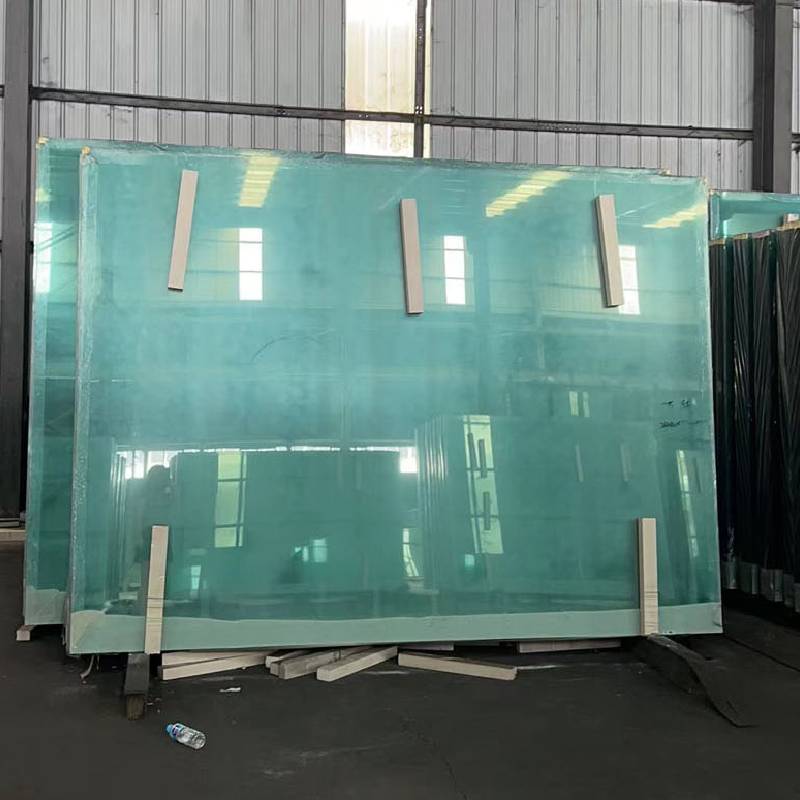
Conforms to EN 572 (float glass), ASTM C1036 (flat glass). Light/solar properties verified per EN 410; thermal per EN 673. For safety glazing (post‑processing), see EN 12150 (tempered) or ASTM C1048. Batch QC typically logs thickness, bow/warp, inclusions, and transmission; customer audits welcome.
Origin: 800 meters south of Provincial Road 329, Economic Development Zone, Shahe City, Hebei Province.
Premium Custom Bathroom Mirrors for Modern Home Interior Design
NewsApr.16,2026
Professional Mirror Glass Cut to Size for Modern Interior Design
NewsApr.09,2026
Discover the Benefits of Custom Size Mirrors for Your Home or Business
NewsApr.07,2026
Custom Cut Mirror Solutions for Perfectly Sized Reflections and Design
NewsApr.04,2026
Enhance Your Space with Beautifully Crafted Custom Mirrors by SHZR Glass
NewsMar.31,2026
Is Mirror Glass Expensive A Detailed Cost Guide and Considerations
NewsMar.28,2026