3mm clear float glass is a versatile material increasingly vital in modern construction, automotive industries, and various specialized applications. Its consistent quality, clarity, and relatively low cost make it a preferred choice for diverse needs. Understanding its properties and applications is crucial for architects, engineers, and manufacturers seeking reliable and efficient glazing solutions. The global demand for high-quality glass continues to rise, driven by urbanization and infrastructure development, making 3mm clear float glass a cornerstone of these advancements.
The widespread adoption of 3mm clear float glass addresses the need for safe, durable, and aesthetically pleasing glazing. Its superior optical properties ensure excellent light transmission, making it ideal for applications where natural light is paramount. Furthermore, it provides a robust barrier against external elements, contributing to energy efficiency and structural integrity. The consistent production standards and global availability make it a dependable material for large-scale projects.
From enhancing the safety features of vehicles to providing essential components for solar panels, 3mm clear float glass plays a quiet but critical role in improving lives and shaping the built environment. Continued innovation in glass manufacturing, coupled with increasing demand for sustainable building materials, solidifies its position as a key material for the future.
Introduction to 3mm Clear Float Glass
3mm clear float glass stands out as a fundamental component in a wide array of modern applications, from architectural glazing to specialized industrial uses. Its exceptional clarity and consistent thickness allow for unparalleled light transmission and structural integrity. The float process, responsible for its creation, results in a perfectly flat surface, minimizing distortion and maximizing optical performance.
This type of glass is favored for applications where visual clarity is paramount, such as display cases, picture frames, and interior partitions. Its relative thinness makes it lightweight and easier to handle during installation, contributing to reduced labor costs and increased efficiency. Moreover, its compatibility with various post-processing techniques, like tempering and laminating, expands its usability to meet demanding safety and security requirements.
Global Relevance and Industry Context
The global glass market is a multi-billion dollar industry, with 3mm clear float glass constituting a significant segment. According to reports from the World Glass Association, the demand for float glass has seen a steady increase over the past decade, fueled by growth in the construction, automotive, and renewable energy sectors. Developing economies, particularly in Asia and Africa, are experiencing rapid urbanization, driving demand for affordable and reliable building materials such as this type of glass.
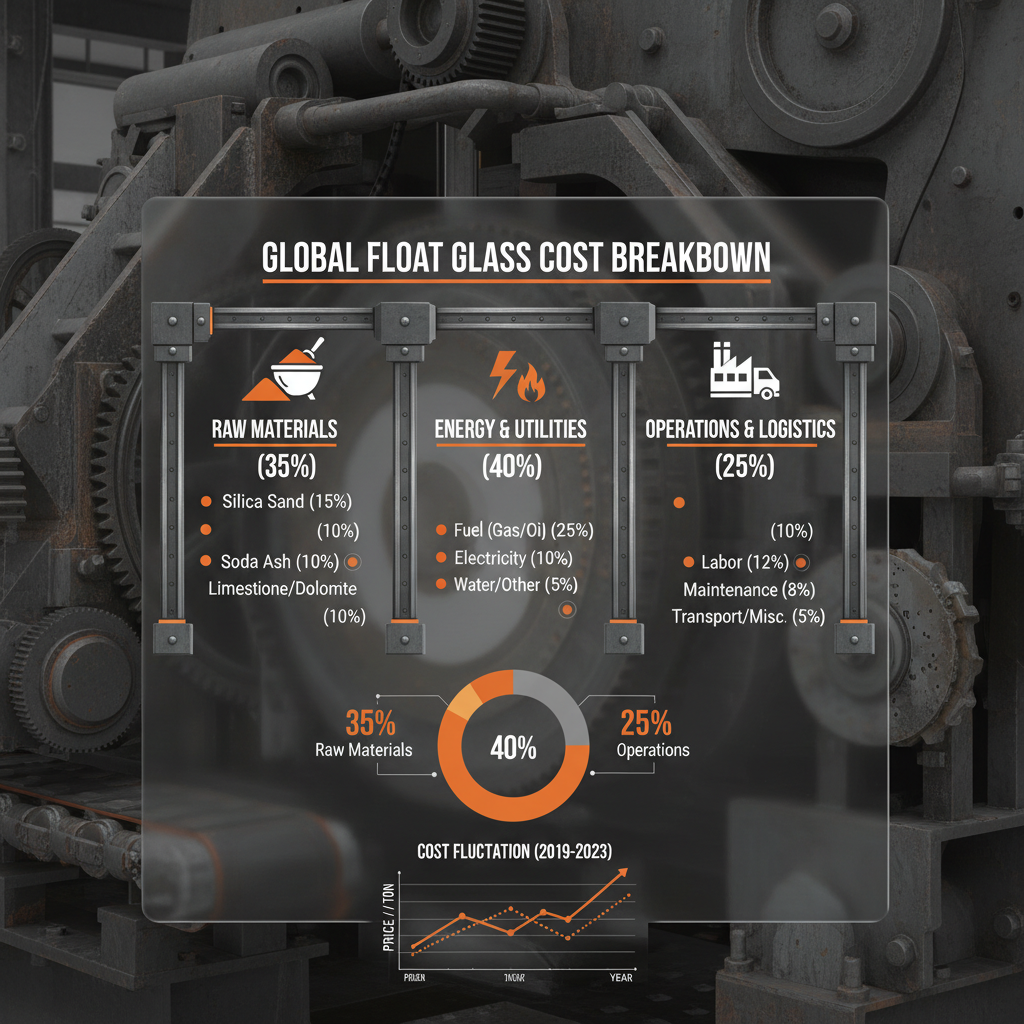
However, the industry faces challenges such as increasing energy costs and environmental concerns related to carbon emissions during manufacturing. These challenges have spurred innovations in glass production technologies aimed at reducing energy consumption and improving sustainability. Global standards, such as those set by the International Organization for Standardization (ISO), play a crucial role in ensuring consistent quality and safety across different regions.
A key challenge lies in balancing the growing demand with the need for sustainable practices. The production of 3mm clear float glass is energy-intensive, and finding ways to minimize its carbon footprint is a priority. This has led to increased investment in alternative energy sources and more efficient manufacturing processes, ultimately shaping the future of the industry.
Defining 3mm Clear Float Glass
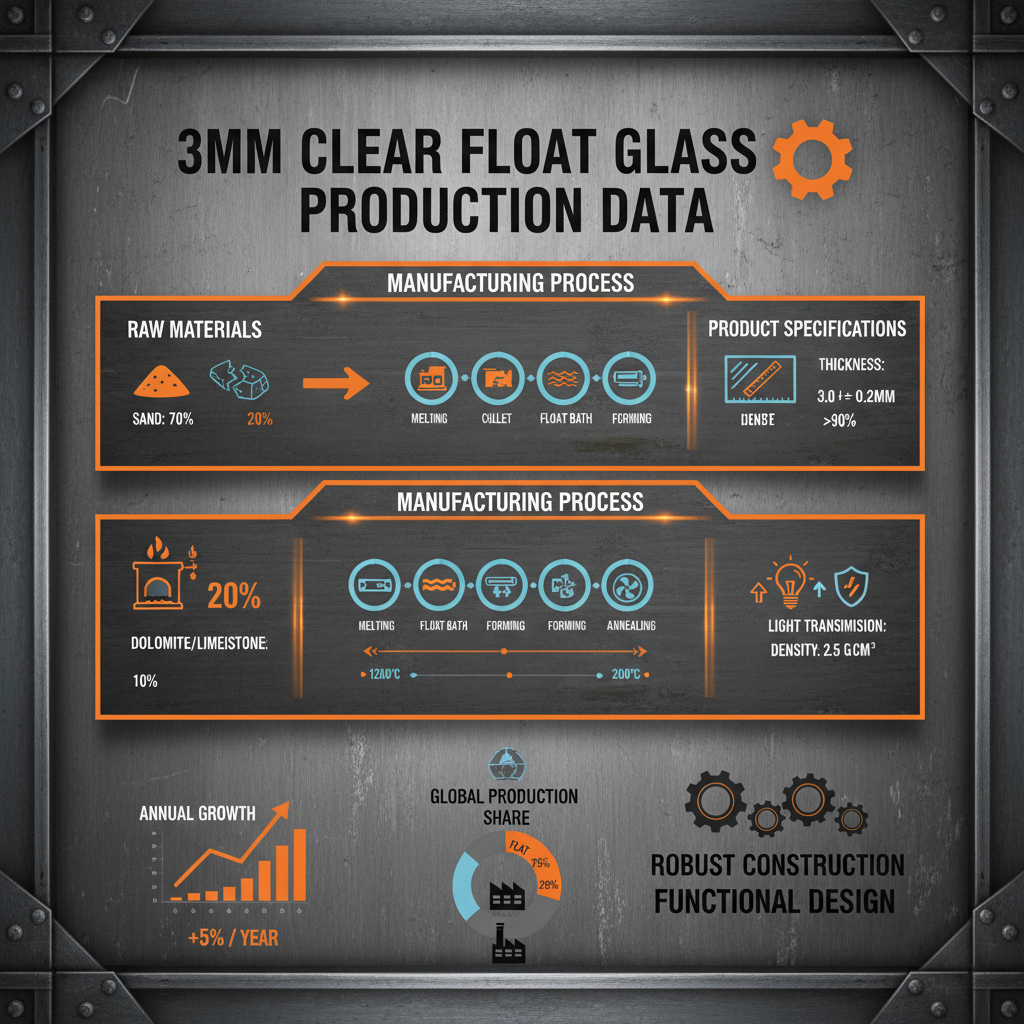
3mm clear float glass is a type of flat glass manufactured using the float process, where molten glass is floated on a bed of molten tin. This process yields a glass sheet with a perfectly smooth surface and uniform thickness. The ‘3mm’ designation refers to its thickness, measured in millimeters, making it a relatively thin variety of float glass.
Its clarity stems from the highly refined composition of the glass, typically consisting of silica, soda ash, and limestone, with carefully controlled additives to achieve optimal optical properties. Unlike other glass types, float glass lacks inherent stresses, making it exceptionally stable and reducing the risk of breakage. This intrinsic stability contributes to its widespread use in applications where safety and reliability are paramount.
This particular type of glass directly addresses the need for a versatile and affordable glazing material. Its widespread availability and compatibility with numerous fabrication processes solidify its role as a foundational building block for countless applications, ranging from simple window panes to complex architectural designs.
Key Characteristics of 3mm Clear Float Glass
One of the most important characteristics of 3mm clear float glass is its exceptional optical clarity. It allows for maximum light transmission, making it ideal for applications where natural illumination is critical. This clarity is achieved through the precise control of the glass composition and the float manufacturing process, ensuring minimal distortion or imperfections.
Durability is another defining feature. While 3mm glass is relatively thin, it offers considerable resistance to weathering, corrosion, and chemical attack. It can withstand significant temperature fluctuations and maintains its structural integrity over extended periods. Its strength can be further enhanced through tempering or laminating, increasing its resistance to impact and breakage.
Comparative Attributes of 3mm Clear Float Glass Manufacturing Methods
Applications Across Industries
The architectural industry is a primary consumer of 3mm clear float glass, utilizing it extensively in windows, doors, and curtain walls. Its clarity and stability contribute to energy-efficient building designs by maximizing natural light penetration and reducing reliance on artificial lighting. It’s frequently incorporated into modern facades, offering both aesthetic appeal and structural performance.
Beyond architecture, the automotive sector relies on 3mm clear float glass for windshields, side windows, and rear windows. Its safety characteristics, particularly when tempered or laminated, contribute to passenger protection during accidents. It's also used in the production of automotive mirrors, ensuring clear visibility for drivers.
Advantages and Long-Term Value
The cost-effectiveness of 3mm clear float glass is a significant advantage. Compared to specialized glass types, it represents a relatively affordable glazing solution, making it accessible for a wider range of projects. Its ease of fabrication and installation further reduce overall project costs.
From a sustainability perspective, glass is 100% recyclable, minimizing environmental impact. The long lifespan of 3mm clear float glass, combined with its recyclability, contributes to a circular economy and reduces the demand for raw materials. The improved energy efficiency it provides in buildings also translates to reduced carbon emissions over the building’s lifetime.
Future Trends and Innovations
Ongoing research focuses on developing low-emission (Low-E) coatings for 3mm clear float glass, further enhancing its energy efficiency. These coatings reduce heat transfer, minimizing energy consumption for heating and cooling, contributing to sustainable building practices.
Smart glass technologies, incorporating electrochromic or thermochromic properties, are also gaining traction. These technologies allow the glass to adjust its transparency in response to external stimuli, optimizing light transmission and reducing glare. Furthermore, the integration of 3mm clear float glass with solar panel technologies is expected to increase, creating hybrid systems that generate electricity while providing glazing solutions.
Table summarizing the key performance indicators of 3mm clear float glass under different environmental conditions
| Environmental Factor |
Impact on Clarity |
Impact on Structural Integrity |
Performance Rating (1-10) |
| Temperature Fluctuations |
Minimal Distortion |
Stable |
8 |
| Humidity Exposure |
No Condensation |
Resistant to Corrosion |
9 |
| UV Radiation |
Slight Yellowing over Time |
No Significant Degradation |
7 |
| Chemical Exposure (Mild) |
Minimal Etching |
Highly Resistant |
8 |
| Impact Resistance (Untreated) |
Breaks into Sharp Fragments |
Low |
4 |
| Impact Resistance (Tempered) |
Shatters into Small Fragments |
High |
9 |
FAQS
Lead times for bulk orders of 3mm clear float glass typically range from 2 to 6 weeks, depending on the quantity, the specific requirements (such as customized sizes or coatings), and the current production schedule of the manufacturer. Factors such as port congestion and shipping availability can also influence delivery times. It’s best to place orders well in advance of your project deadline to ensure timely delivery. Our team at Shzrglass provides accurate lead time estimates based on your specific needs.
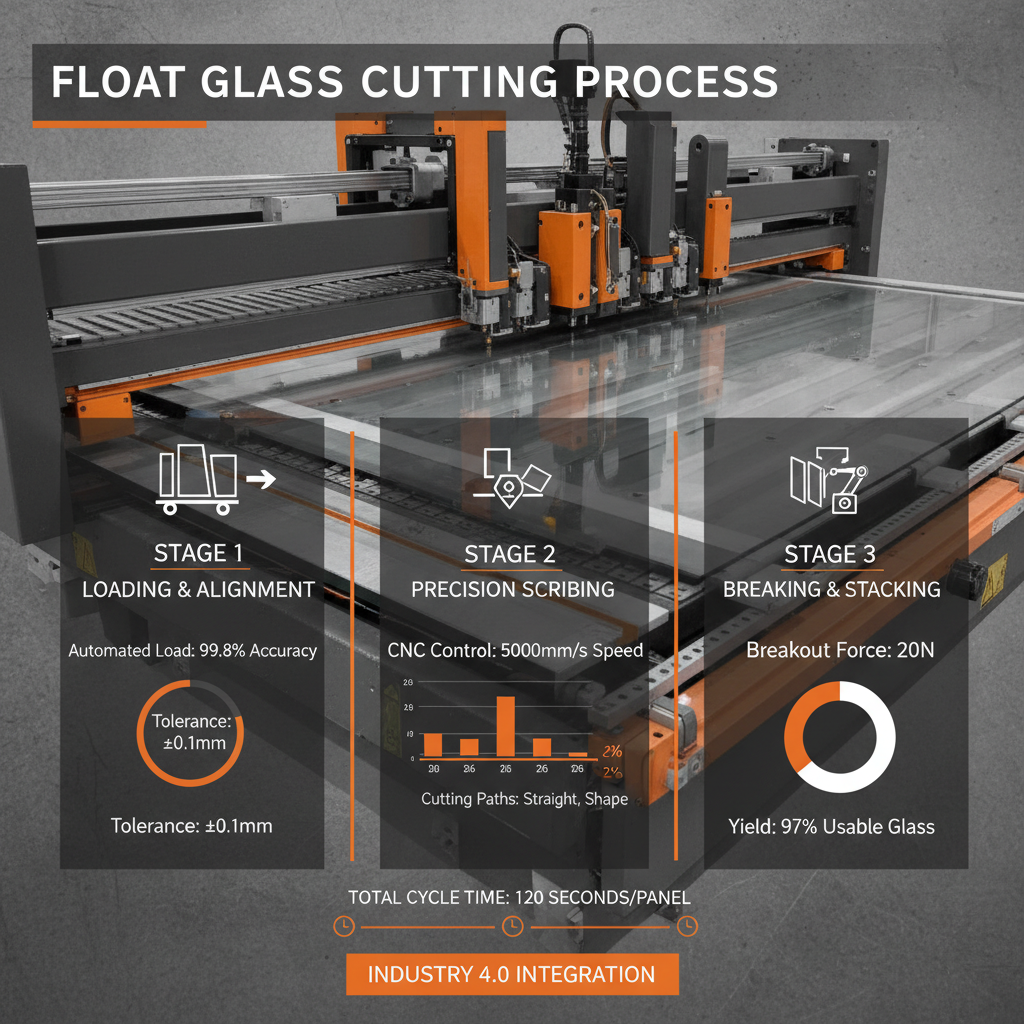
3mm clear float glass can be cut and shaped using various techniques, including scoring and snapping, waterjet cutting, and CNC machining. Scoring and snapping is a cost-effective method for straight cuts, while waterjet cutting offers greater precision and allows for intricate shapes. CNC machining is ideal for complex geometries and high-volume production. Tempering the glass before cutting requires specialized equipment and expertise. We offer comprehensive cutting and shaping services tailored to your specifications.
3mm clear float glass is generally the most cost-effective option among commonly used float glass thicknesses. While thicker glass offers greater strength and durability, it also comes at a higher price point. 3mm glass is suitable for applications where moderate strength and clarity are sufficient, such as interior partitions and picture frames. For applications requiring greater impact resistance, such as exterior glazing or safety barriers, thicker glass or tempered glass is recommended.
Standard quality control measures include visual inspection for defects such as bubbles, scratches, and inclusions. Thickness measurements are taken to ensure consistency, and the glass is checked for flatness and distortion. Optical properties, such as light transmission and clarity, are also assessed. Manufacturers typically adhere to international standards, such as those set by ISO, to ensure consistent quality. Shzrglass employs rigorous quality control procedures throughout the manufacturing process.
Yes, 3mm clear float glass is 100% recyclable. The recycling process involves collecting glass cullet (broken or waste glass), cleaning it to remove contaminants, and melting it down to create new glass products. Recycled glass can be used to manufacture new float glass, reducing the demand for raw materials and conserving energy. Utilizing recycled glass also lowers carbon emissions associated with glass production.
3mm clear float glass is relatively fragile and requires careful handling during transportation and storage. It should be packed securely in crates or pallets with cushioning materials to prevent breakage. Crates should be clearly labeled as “fragile.” During storage, glass should be kept in a dry, level area, protected from direct sunlight and extreme temperatures. Avoid stacking glass sheets directly on top of each other without adequate separation.
Conclusion
3mm clear float glass remains a vital and versatile material across numerous industries, providing a balance of cost-effectiveness, clarity, and durability. Its widespread adoption is a testament to its consistent performance and adaptability. From architectural applications to automotive glazing and beyond, its contributions to modern infrastructure are undeniable.
Looking ahead, continued innovation in glass manufacturing, coupled with a growing emphasis on sustainability, will further enhance the value of 3mm clear float glass. Exploring low-emission coatings, smart glass technologies, and increased recycling efforts will ensure its continued relevance in a rapidly evolving world. For high-quality 3mm clear float glass solutions, visit our website: www.shzrglass.com.