3mm float glass is a versatile material increasingly vital in numerous industries worldwide. Its clarity, consistent thickness, and relative affordability make it a cornerstone of modern construction, automotive manufacturing, and various specialized applications. Understanding its properties and potential is crucial for architects, engineers, and manufacturers seeking high-quality, cost-effective solutions.
Globally, the demand for 3mm float glass is steadily rising, driven by urbanization, infrastructure development, and growing consumer awareness of energy efficiency. According to the UN, urban populations are projected to reach 68% by 2050, significantly increasing the need for building materials like glass. This surge in demand presents both opportunities and challenges related to sustainable production and responsible sourcing.
3mm float glass offers a unique combination of properties that addresses these challenges. Its ease of processing, including cutting, bending, and lamination, makes it adaptable to diverse design requirements. Furthermore, its inherent properties contribute to enhanced building performance, from improved natural lighting to reduced heat loss, aligning with global sustainability goals.
Introduction to 3mm Float Glass
The increasing demand for lightweight and versatile materials has propelled 3mm float glass into a prominent position across various industries. Its consistent quality, achieved through the float process, provides a surface ideal for further processing such as tempering, laminating, or coating, broadening its applicability.
The significance of 3mm float glass extends beyond its practical applications. Its use in energy-efficient glazing systems contributes to reduced carbon footprints and lower energy consumption in buildings, directly supporting global sustainability initiatives. Furthermore, advancements in glass technology continue to enhance its performance characteristics, driving innovation in architectural design and engineering.
Defining 3mm Float Glass
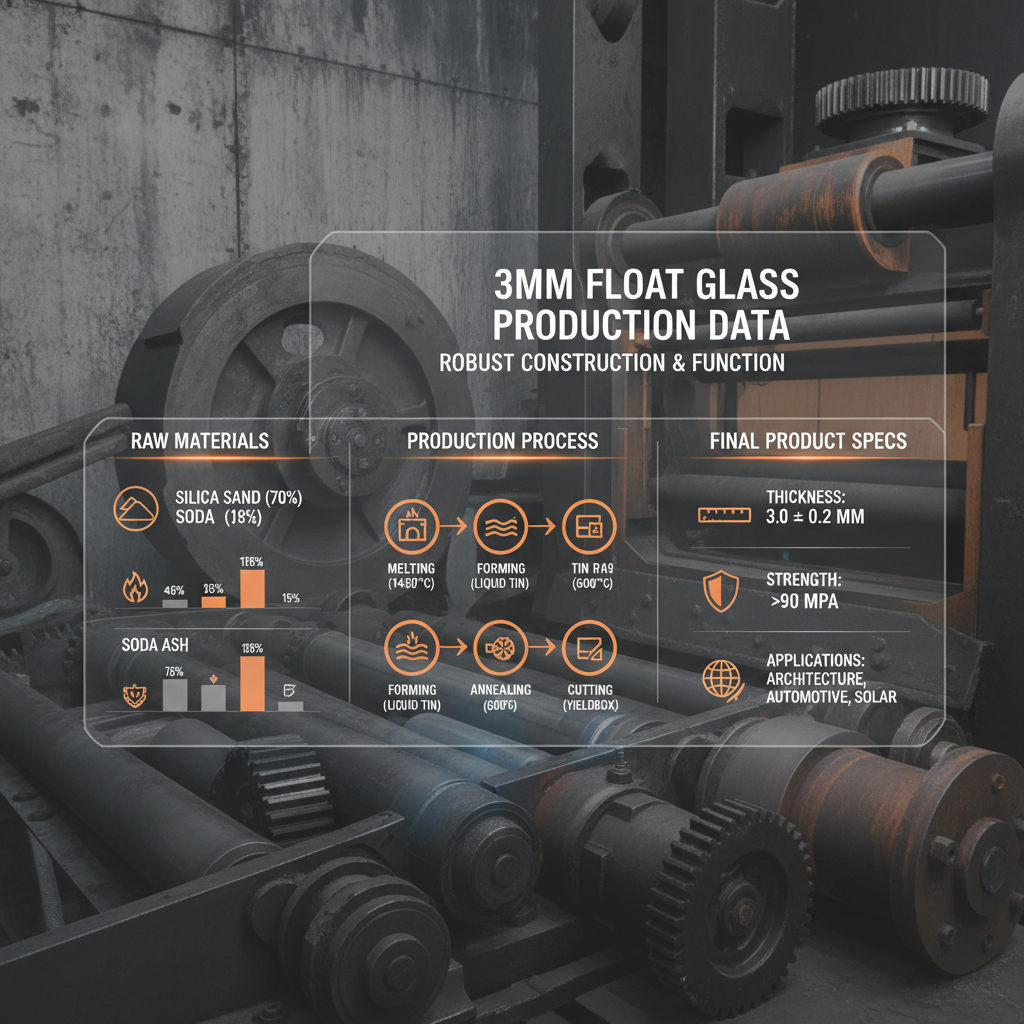
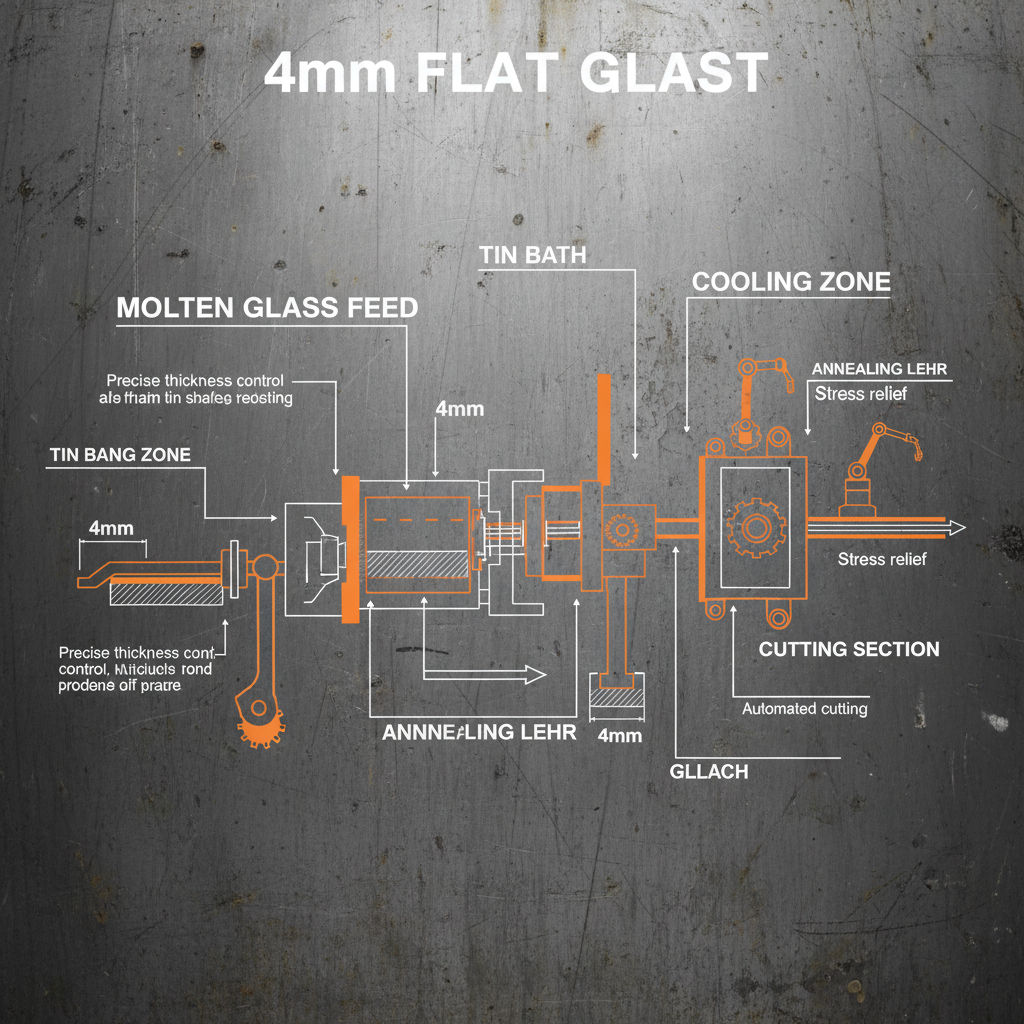
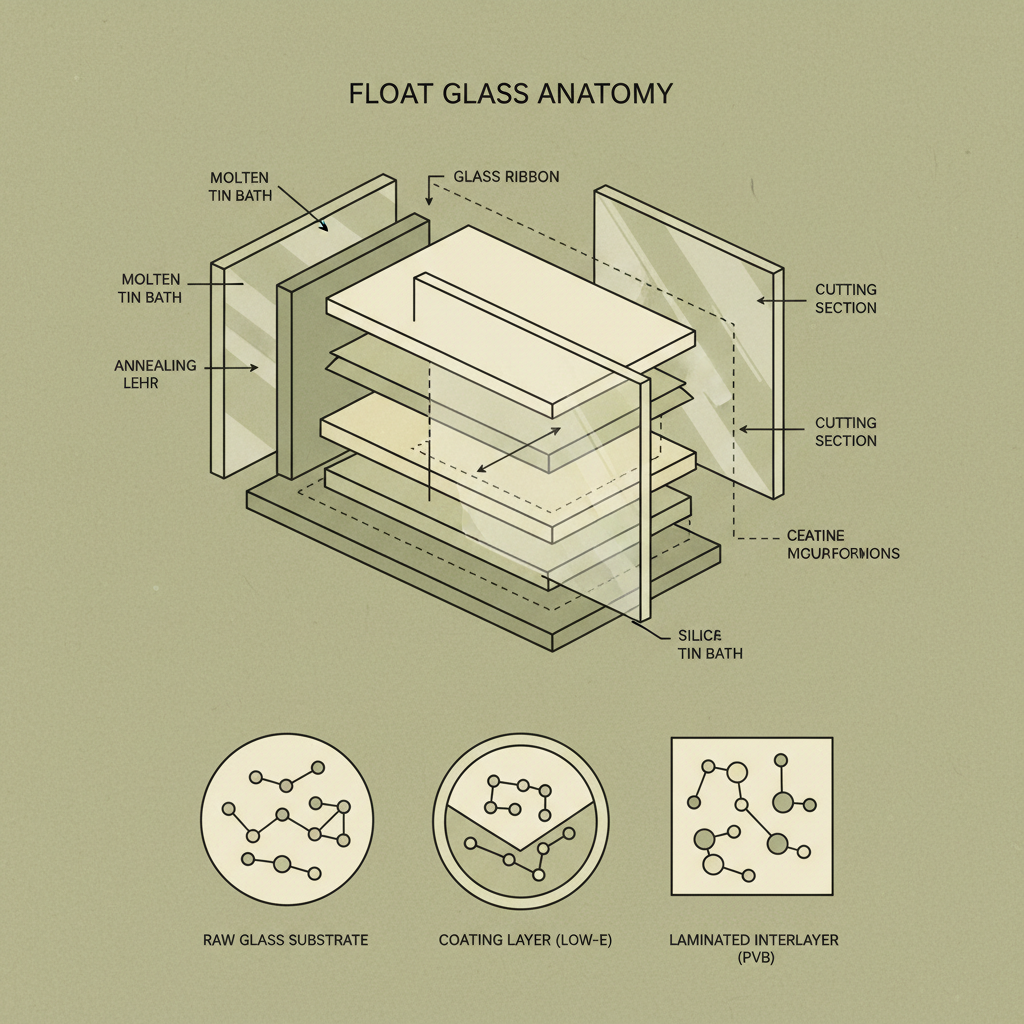
3mm float glass is a sheet of glass manufactured using the float process, where molten glass is floated on a bed of molten tin. This process creates a perfectly flat surface with consistent thickness, eliminating the distortions commonly found in older glassmaking methods. The '3mm' refers to its thickness – a common dimension offering a balance between strength, weight, and cost.
The connection to modern industry lies in its adaptability. 3mm float glass serves as a foundational material for a vast array of products, from windows and doors to mirrors, furniture components, and even electronic displays. Its compatibility with various coatings and treatments allows for customization to meet specific performance requirements.
Crucially, 3mm float glass plays a role in addressing humanitarian needs. Its use in temporary shelters, disaster relief housing, and healthcare facilities provides safe and hygienic environments, offering dignity and support in challenging circumstances. The relatively lightweight nature of 3mm glass simplifies transportation and installation in remote or disaster-affected areas.
Key Properties of 3mm Float Glass
One of the primary characteristics of 3mm float glass is its exceptional clarity. The float process eliminates the need for grinding and polishing, resulting in a distortion-free surface with high light transmission. This makes it ideal for applications where visual clarity is paramount.
Durability is another crucial attribute. While 3mm glass is relatively thin, the float process creates a uniform structure that enhances its resistance to breakage and impact compared to older manufacturing methods. It can be further strengthened through tempering or lamination, providing even greater resilience.
Furthermore, 3mm float glass exhibits excellent chemical stability, making it resistant to corrosion and degradation from environmental factors. This longevity contributes to reduced maintenance costs and ensures long-term performance in diverse conditions. Its thermal properties, while not exceptional, can be enhanced with specialized coatings for improved energy efficiency.
Applications of 3mm Float Glass
3mm float glass finds extensive application in the construction industry, primarily as a glazing material for windows, doors, and curtain walls. Its clarity and affordability make it a popular choice for residential and commercial buildings. It's also commonly used in interior design, such as shower doors, partitions, and decorative elements.
Comparative Performance of 3mm Float Glass Treatments
Advantages and Value Proposition
The primary advantage of 3mm float glass lies in its cost-effectiveness. Compared to thicker glass options, it offers a significant reduction in material costs without compromising essential performance characteristics for many applications. This makes it particularly attractive for large-scale projects.
Beyond cost, 3mm float glass contributes to sustainability. Its recyclability and potential for reduced energy consumption in buildings through optimized glazing systems align with growing environmental concerns. Furthermore, its durability and longevity minimize the need for frequent replacements, reducing waste and resource depletion.
Future Trends in 3mm Float Glass
Research and development are focusing on enhancing the properties of 3mm float glass through advanced coatings. Self-cleaning coatings, for instance, reduce maintenance requirements and improve visual clarity. Smart glass technologies, integrating features like electrochromism (adjustable tinting), are also being explored to further enhance energy efficiency and user comfort.
The integration of digital fabrication techniques, such as laser cutting and CNC machining, is allowing for increasingly complex and customized designs using 3mm float glass. This opens up new possibilities for architectural expression and product innovation. Automation in glass processing facilities will also contribute to improved efficiency and reduced production costs.
Challenges and Solutions
One of the main challenges associated with 3mm float glass is its relatively lower strength compared to thicker glass options. This limits its use in applications requiring high structural integrity without additional strengthening treatments.
Solutions include employing tempering or lamination processes to increase its resistance to impact and breakage. Furthermore, innovative adhesive technologies and structural glazing systems are being developed to enhance the overall performance of 3mm float glass in challenging environments. The continued development of advanced coatings will also improve its protective qualities.
Addressing the environmental impact of glass production remains a priority. Investing in sustainable manufacturing processes, such as using recycled glass cullet and reducing energy consumption, is crucial for minimizing the carbon footprint of 3mm float glass production.
Summary of 3mm Float Glass Challenges and Proposed Solutions
| Challenge |
Impact on 3mm Float Glass |
Proposed Solution |
Implementation Difficulty (1-10) |
| Low Structural Strength |
Limits use in load-bearing applications |
Tempering or Lamination |
3 |
| Susceptibility to Breakage |
Increased risk of injury |
Safety Glass Coatings |
5 |
| Thermal Conductivity |
Potential energy loss in buildings |
Low-E Coatings |
4 |
| Manufacturing Energy Consumption |
High carbon footprint |
Recycled Cullet Usage |
6 |
| Limited Scratch Resistance |
Aesthetic concerns in high-traffic areas |
Hard Coatings |
7 |
| Transportation Costs |
Increased overall project expense |
Optimized Packaging & Logistics |
2 |
FAQS
3mm float glass is widely used in modern architecture for various applications, including windows, doors, curtain walls, interior partitions, and skylights. Its clarity, flat surface, and ease of processing make it ideal for creating aesthetically pleasing and energy-efficient buildings. It’s often used in both residential and commercial construction, providing natural light and enhancing the overall design.
The float process is critical to the quality of 3mm float glass. By floating molten glass on a bed of molten tin, the process creates a perfectly flat surface with consistent thickness, eliminating the waves and imperfections found in older glassmaking methods. This results in superior optical clarity and dimensional accuracy, making it suitable for a wide range of applications requiring precise dimensions and a smooth finish.
Yes, 3mm float glass can absolutely be tempered or laminated to enhance its safety characteristics. Tempering involves heating the glass and then rapidly cooling it, increasing its strength and causing it to shatter into small, relatively harmless pieces. Lamination involves bonding two or more layers of glass together with a plastic interlayer, preventing the glass from shattering upon impact and holding the fragments together.
Environmental considerations include the energy-intensive nature of glass production and the recyclability of the material. Utilizing recycled glass cullet in the manufacturing process can significantly reduce energy consumption and waste. Furthermore, 3mm float glass's contribution to energy efficiency in buildings through optimized glazing systems helps lower carbon emissions over the building's lifecycle. Responsible sourcing and sustainable manufacturing practices are key.
3mm float glass is generally more cost-effective than thicker glass options due to the reduced material usage. This makes it an attractive choice for projects where cost is a significant factor and the required structural strength is relatively low. However, it's important to consider the potential need for additional treatments, like tempering or lamination, which will add to the overall cost. The final cost will depend on the quantity, any processing required, and supplier pricing.
Several coatings can be applied to 3mm float glass to improve its performance. Low-E coatings enhance energy efficiency by reducing heat transfer, while reflective coatings control solar gain and glare. Self-cleaning coatings minimize maintenance, and anti-scratch coatings improve durability. Decorative coatings can also be applied to alter the aesthetic appearance of the glass, providing design flexibility.
Conclusion
In conclusion, 3mm float glass is a remarkably versatile and essential material in modern construction and various industries. Its unique combination of clarity, affordability, and adaptability, coupled with ongoing advancements in coatings and processing techniques, makes it a cornerstone of sustainable building practices and innovative design. Its continued relevance is assured by its role in addressing global urbanization and the increasing demand for energy-efficient solutions.
Looking ahead, further research and development focused on sustainable manufacturing processes and enhanced performance characteristics will solidify the position of 3mm float glass as a key material for the future. Explore the full range of possibilities and discover how 3mm float glass can elevate your next project.