5mm clear float glass is a ubiquitous material in modern construction and numerous industrial applications. Its transparency, strength, and versatility make it an essential component in everything from windows and doors to automotive windshields and solar panels. Globally, demand for this glass is steadily increasing, driven by urbanization, infrastructural development, and a growing emphasis on energy-efficient building practices. Understanding its properties and applications is crucial for architects, engineers, manufacturers, and anyone involved in the built environment.
The significance of 5mm clear float glass extends beyond mere structural functionality. It plays a critical role in maximizing natural light penetration, reducing energy consumption by optimizing thermal insulation, and enhancing aesthetic appeal in both residential and commercial buildings. The global production and trade of float glass are indicators of economic health and reflect the pace of construction and industrial activity worldwide.
Furthermore, advancements in glass technology continually improve the performance characteristics of 5mm clear float glass, offering enhanced safety features like tempered glass and laminated glass, as well as specialized coatings for improved solar control and UV protection. These innovations are addressing growing concerns regarding building safety, energy efficiency, and environmental sustainability.
Introduction to 5mm Clear Float Glass
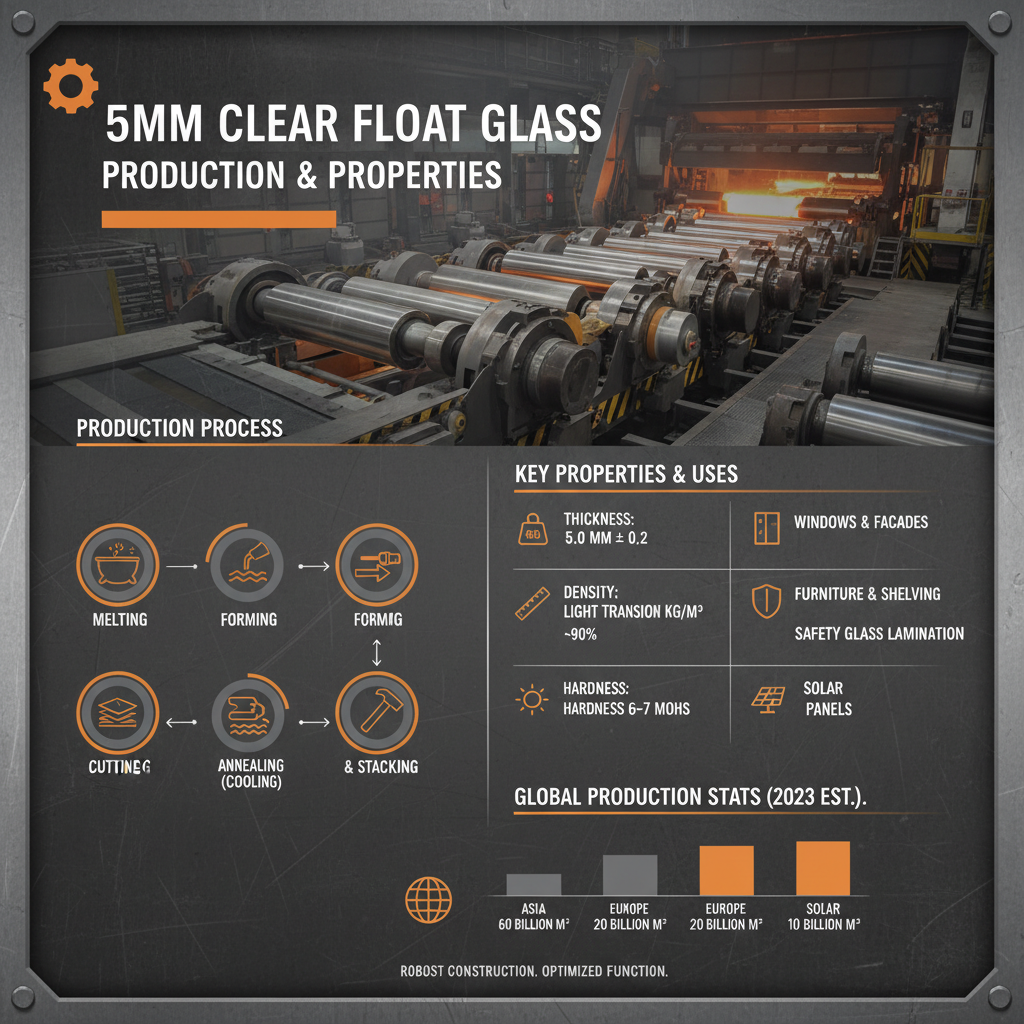
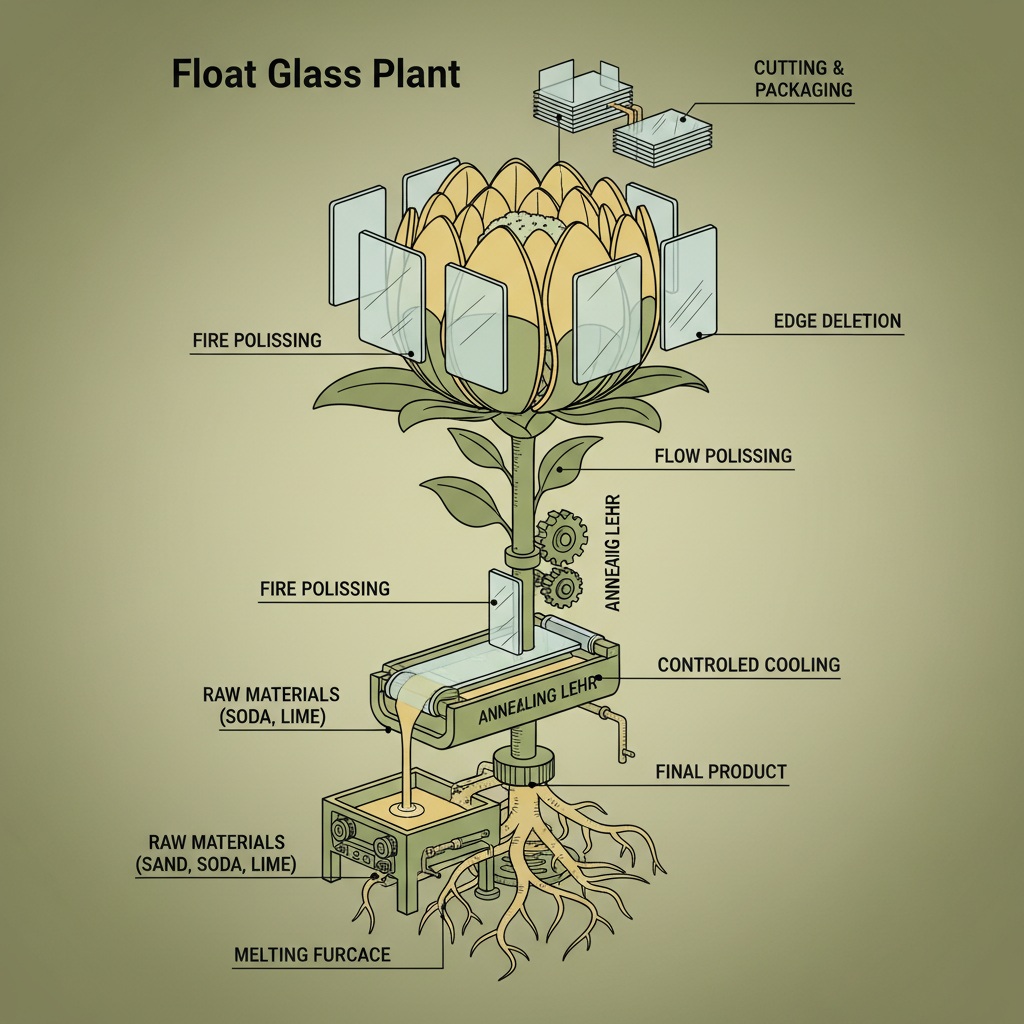
5mm clear float glass is a fundamental building material recognized for its excellent optical clarity and consistent thickness. Its production involves a revolutionary process where molten glass is floated on a bed of molten tin, resulting in a perfectly flat surface with minimal distortion. This precise manufacturing technique provides a superior product compared to older methods, making it ideal for a wide range of applications. 5mm clear float glass is used in numerous sectors.
The "5mm" designation refers to the glass's thickness, a crucial factor in determining its strength and suitability for specific applications. While available in various thicknesses, 5mm provides a balance between weight, cost-effectiveness, and structural integrity. Its clarity makes it especially desirable for applications where unimpeded visibility is paramount.
Defining 5mm Clear Float Glass
Simply put, 5mm clear float glass is a type of flat glass manufactured through the float glass process. It's characterized by its transparency, smoothness, and dimensional accuracy. Unlike older methods which resulted in wavy or uneven surfaces, the float process guarantees a consistently flat surface, making it ideal for applications requiring distortion-free viewing, such as windows, displays, and optical instruments.
The term “clear” indicates that the glass hasn’t undergone any coloring or tinting processes, maintaining its natural, neutral appearance. Its versatility means it can be further processed – tempered, laminated, coated – to enhance its properties for specific applications. This adaptability connects it directly to modern industry's demand for customizable and high-performance materials.
In a humanitarian context, readily available and affordable 5mm clear float glass can be crucial for rebuilding infrastructure after disasters, providing safe and weatherproof shelters, and ensuring adequate lighting and sanitation in temporary settlements. Its relative ease of handling and installation contributes to its practicality in emergency response scenarios.
Key Properties of 5mm Clear Float Glass
The key properties of 5mm clear float glass are central to its widespread adoption. Firstly, its exceptional optical clarity offers unobstructed visibility, making it perfect for windows, skylights, and display cases. Secondly, its dimensional stability ensures consistent dimensions, crucial for precise fabrication and installation.
Durability is another defining characteristic. While not inherently shatter-resistant, 5mm clear float glass demonstrates good resistance to scratching and weathering. However, it can be further enhanced through tempering or lamination for increased safety and impact resistance. Its relatively low thermal expansion coefficient minimizes the risk of cracking due to temperature fluctuations.
Finally, the material's chemical resistance makes it suitable for various environments, resisting corrosion from most common substances. This property, coupled with its recyclability, contributes to its environmental sustainability. Cost-effectiveness is also significant – the float process allows for large-scale production at a relatively low cost.
Practical Applications of 5mm Clear Float Glass
The applications of 5mm clear float glass are incredibly diverse. In the construction industry, it's primarily used in windows, doors, and interior partitions. Its clarity maximizes natural light, reducing the need for artificial illumination. Beyond construction, it finds extensive use in furniture manufacturing, creating glass tabletops, shelving, and display units.
The automotive industry relies heavily on 5mm clear float glass for windshields and side windows, prioritizing visibility and safety. The electronics sector uses it in displays for televisions, monitors, and smartphones. In the renewable energy sector, it’s a vital component in solar panels, protecting the photovoltaic cells while allowing sunlight to pass through.
Performance Metrics for 5mm Clear Float Glass Production
Global Applications and Use Cases
In rapidly urbanizing regions of Asia, particularly China and India, 5mm clear float glass is a crucial component in the construction of high-rise buildings and modern infrastructure projects, driving demand for energy-efficient glazing solutions. Across Europe, it is predominantly used in renovations of older buildings to improve thermal performance and aesthetic appeal.
In North America, the automotive industry represents a significant consumer of 5mm clear float glass. Furthermore, specialized applications in the aerospace and defense sectors require high-quality, precisely manufactured glass for cockpit canopies and optical instruments. Even in remote industrial zones, the material is essential for laboratory windows and protective enclosures.
Advantages and Long-Term Value
The advantages of using 5mm clear float glass are numerous. Its cost-effectiveness makes it accessible for a wide range of projects. The relatively low manufacturing cost and readily available raw materials contribute to its affordability. Beyond cost, its durability and long lifespan translate into lower maintenance costs and reduced replacement frequency, offering significant long-term value.
From a sustainability perspective, glass is fully recyclable, reducing waste and minimizing environmental impact. The use of 5mm clear float glass in energy-efficient buildings contributes to reduced energy consumption and lower carbon emissions. The inherent safety of glass, especially when tempered or laminated, provides peace of mind and enhances building security.
The long-term value extends to enhanced property aesthetics and increased marketability. Buildings incorporating high-quality glazing solutions tend to attract tenants and command higher rental rates. Ultimately, 5mm clear float glass represents a pragmatic and sustainable investment that delivers both functional and aesthetic benefits.
Future Trends and Innovations
Future trends in 5mm clear float glass are geared towards enhancing performance and sustainability. Research is focused on developing self-cleaning glass coatings utilizing nanotechnology, reducing maintenance requirements and extending service life. Smart glass technologies, incorporating electrochromic or photochromic properties, are gaining traction, allowing for dynamic control of light transmission and thermal regulation.
The integration of digital technologies into the manufacturing process, including automation and real-time quality control systems, is improving production efficiency and reducing waste. Furthermore, advancements in glass recycling techniques are closing the loop and promoting a circular economy. The demand for low-emissivity (Low-E) coatings will continue to grow as building codes prioritize energy efficiency.
These innovations are aligned with broader trends towards green building practices, digital transformation, and sustainable manufacturing. The future of 5mm clear float glass lies in its ability to adapt to evolving needs and contribute to a more sustainable and technologically advanced built environment.
FAQS
The lifespan of structures utilizing 5mm clear float glass is highly variable, depending on environmental factors, maintenance practices, and the quality of installation. However, with proper care, glass itself can last for decades, often exceeding 50 years. The supporting structure and sealing materials will likely require periodic maintenance or replacement to ensure long-term integrity.
Yes, 5mm clear float glass is fully recyclable! The most common recycling method involves crushing the glass into cullet, which can then be used as a raw material in the production of new glass products. This reduces the need for virgin materials and lowers energy consumption. Other recycling applications include using crushed glass in road construction and as a component in aggregate materials.
Handling and installing 5mm clear float glass requires caution. Always wear appropriate personal protective equipment (PPE), including safety glasses, gloves, and sturdy footwear. Use proper lifting techniques to avoid strain and prevent breakage. Carefully inspect the glass for any defects before installation. When cutting glass, use appropriate tools and follow safety guidelines to prevent injuries.
Annealed glass is the basic form, offering moderate strength. Tempered glass is heat-treated for increased strength and shatters into small, relatively harmless pieces when broken. Laminated glass consists of two or more layers of glass bonded together with a plastic interlayer, providing enhanced safety and security. Each type serves different applications based on strength and safety requirements.
While 5mm clear float glass has some inherent insulating properties, it's not a particularly strong insulator on its own. However, increasing the thickness of the glass, or incorporating Low-E coatings, significantly improves its thermal performance. Using insulated glazing units (IGUs) – consisting of two or more panes of glass with a space between them – is the most effective way to enhance insulation and reduce heat transfer.
Regular cleaning with mild soap and water is generally sufficient to maintain the clarity of 5mm clear float glass. Avoid abrasive cleaners or scouring pads, as they can scratch the surface. For stubborn stains, specialized glass cleaners can be used. Rinsing thoroughly with clean water and wiping dry with a soft cloth will prevent water spots and ensure optimal visibility.
Conclusion
5mm clear float glass remains a cornerstone material in the modern world, valued for its versatility, clarity, and cost-effectiveness. From enhancing building aesthetics and energy efficiency to enabling critical applications in automotive, electronics, and renewable energy, its impact is far-reaching. Understanding its properties, applications, and future trends is essential for professionals and stakeholders across various industries.
Looking ahead, continued innovation in glass technology, coupled with a growing emphasis on sustainability, will drive further advancements in the performance and functionality of 5mm clear float glass. Embracing these developments will be crucial for creating a more sustainable, resilient, and technologically advanced built environment. For high-quality 5mm clear float glass solutions, visit our website: www.shzrglass.com