2mm float glass is a versatile material gaining prominence across numerous industries globally. Its unique properties – clarity, flatness, and durability – make it ideal for applications ranging from architectural glazing and automotive windshields to specialized electronics and decorative features. The increasing demand for energy-efficient buildings and lightweight materials is further driving the growth of the 2mm float glass market, presenting opportunities for innovation and sustainable practices.
The global glass industry, valued at billions of dollars, relies heavily on float glass production, with 2mm thickness representing a niche but growing segment. Factors such as urbanization, infrastructure development, and rising consumer spending on automobiles and home improvements all contribute to the expanding need for high-quality glass products. Addressing the challenge of sustainable manufacturing and reducing the carbon footprint of glass production are crucial considerations for the future of the industry.
Understanding the characteristics and applications of 2mm float glass is essential for architects, engineers, manufacturers, and consumers alike. Its lightweight nature facilitates easier handling and installation, reducing labor costs and project timelines. Furthermore, advancements in glass technology are continuously enhancing its performance, offering improved thermal insulation, soundproofing, and safety features, making it a superior choice compared to traditional materials.
Introduction to 2mm Float Glass
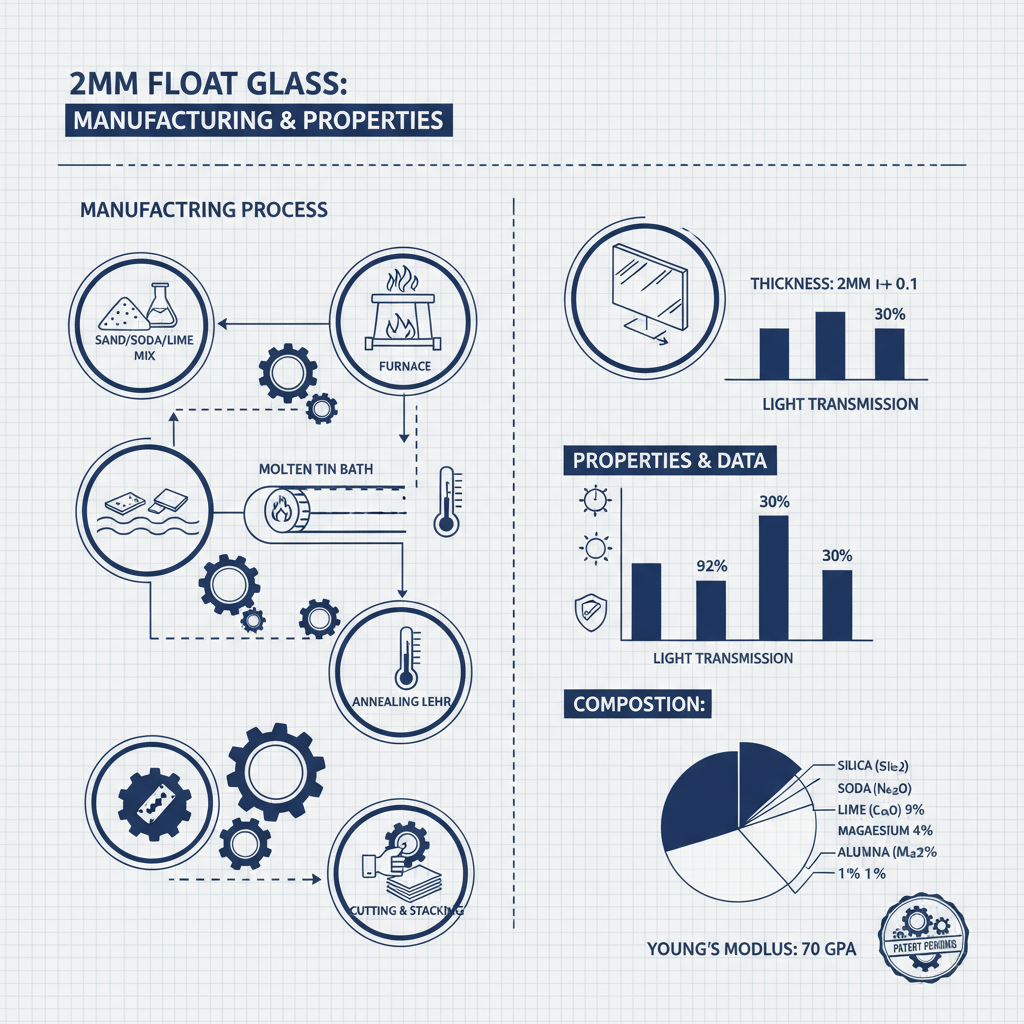
2mm float glass represents a specific thickness within the broader category of float glass, a type of glass manufactured using a process where molten glass is floated on a bed of molten tin. This method results in a remarkably flat and uniform surface, ideal for a wide array of applications. The 2mm variant distinguishes itself with its lighter weight and increased flexibility compared to thicker glass sheets.
This thinner profile makes 2mm float glass particularly suitable for applications where weight is a critical factor, such as in the construction of lightweight frames, displays, and certain types of glazing. It’s an increasingly sought-after material because it allows designers and engineers to achieve aesthetic and functional goals without sacrificing structural integrity.
Global Relevance and Market Overview
The global demand for float glass, including the 2mm variant, is intrinsically linked to global economic indicators and construction trends. Rapid urbanization, particularly in developing nations, is driving significant demand for building materials, and glass is a cornerstone of modern architecture. The Asia-Pacific region dominates the float glass market, representing a substantial portion of both production and consumption, followed by Europe and North America.
According to industry reports, the float glass market is projected to continue its growth trajectory in the coming years, fueled by infrastructure investments and a growing emphasis on energy-efficient building designs. However, the industry faces challenges related to raw material costs, energy consumption during production, and increasing environmental regulations, prompting a shift toward more sustainable manufacturing practices.
The rising demand for specialized glass applications, such as those in the automotive and electronics industries, also contributes to the overall growth of the 2mm float glass segment. This is because of its unique properties that are well suited to these applications, helping reduce weight and increase efficiency.
Defining 2mm Float Glass
2mm float glass is a silicate-based material produced by the float process. In this process, molten glass is poured onto a bath of molten tin, allowing it to spread evenly and cool, creating a perfectly flat surface. The resulting glass has a consistent thickness of 2 millimeters, offering exceptional clarity and optical quality.
The key characteristic differentiating 2mm float glass is its thinness, which allows for greater flexibility and ease of handling compared to standard glass thicknesses. While offering a comparable level of strength to thicker varieties, it also presents unique challenges in terms of handling and installation, requiring careful attention to prevent breakage.
Its connection to modern industry and humanitarian needs lies in its versatility. Beyond architectural applications, 2mm float glass is integral to the production of touchscreens, displays, solar panels, and laboratory equipment, contributing to advancements in technology and scientific research. It is also used in emergency shelters and temporary structures, providing a safe and durable glazing solution.
Key Properties of 2mm Float Glass
One of the most prominent properties of 2mm float glass is its exceptional clarity. Due to the float process, it exhibits minimal distortion, making it ideal for applications where visual transparency is crucial. Its smooth, flat surface also enhances light transmission, maximizing natural light in buildings and optimizing the performance of solar panels.
Secondly, 2mm float glass demonstrates excellent thermal insulation properties. Though thinner than conventional glass, it still effectively reduces heat transfer, contributing to energy savings in buildings. This property can be further enhanced by applying specialized coatings or laminating it with other materials.
Comparison of 2mm Float Glass Manufacturing Methods
Applications Across Industries
In the architectural sector, 2mm float glass is increasingly used in curtain walls, skylights, and interior partitions. Its lightweight nature simplifies installation, while its clarity maximizes natural light and creates visually appealing spaces. The demand for energy-efficient buildings fuels its adoption as a sustainable glazing solution.
The automotive industry utilizes 2mm float glass for windshields, side windows, and rear windows. Its strength and impact resistance ensure passenger safety, while its optical clarity provides drivers with unobstructed views. Its reduced weight also contributes to improved fuel efficiency.
Advantages and Long-Term Value
The primary advantage of 2mm float glass lies in its cost-effectiveness. The thinner profile requires less raw material, reducing production costs and offering competitive pricing. This makes it an attractive option for large-scale projects and budget-conscious consumers.
From a sustainability perspective, its lighter weight translates to reduced transportation costs and lower carbon emissions. Furthermore, its durability and long lifespan minimize the need for frequent replacements, contributing to resource conservation. Beyond the practical benefits, 2mm float glass adds an aesthetic appeal, enhancing the value and desirability of buildings and products.
Future Trends and Innovations
Ongoing research and development efforts are focused on enhancing the performance of 2mm float glass through the application of advanced coatings. These coatings can improve thermal insulation, reduce glare, and provide self-cleaning properties. The integration of smart glass technologies, such as electrochromic glass, is also gaining traction, allowing for dynamic control of light transmission.
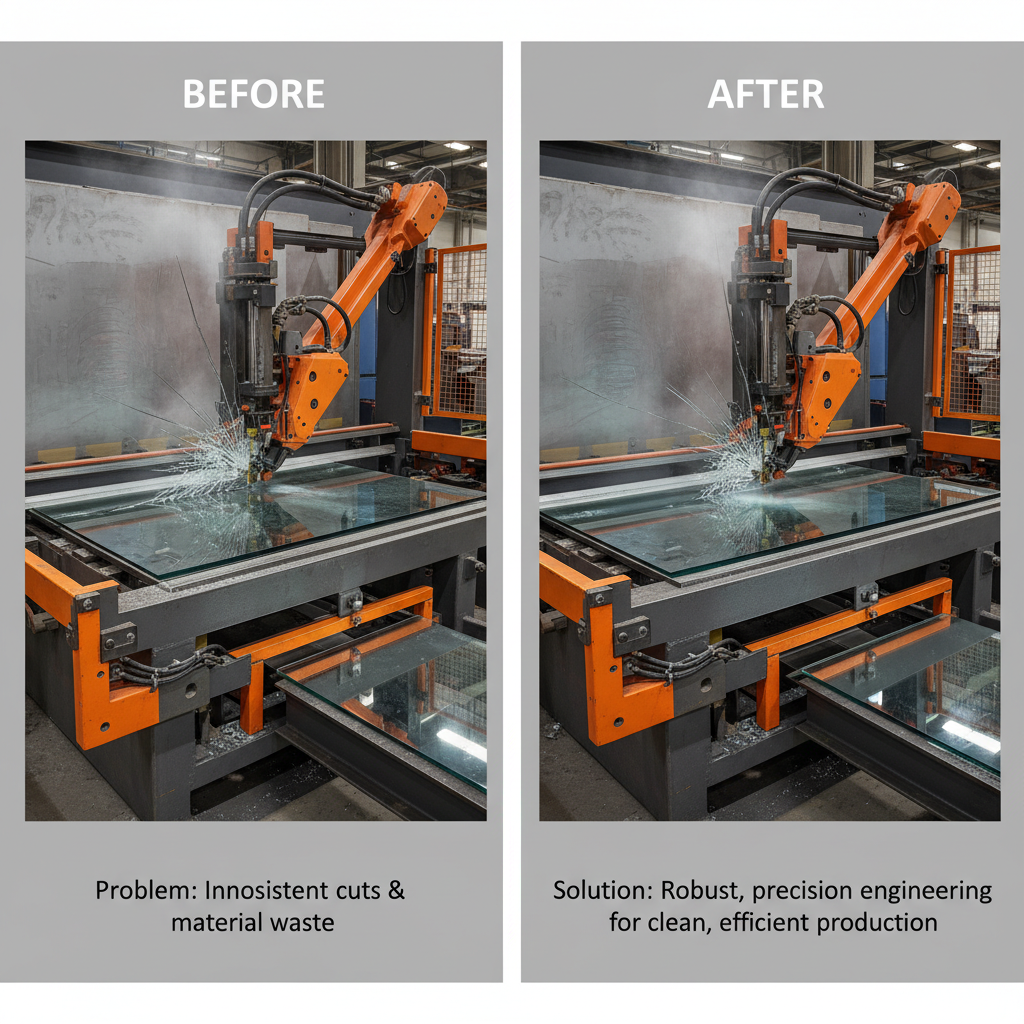
The increasing adoption of automation and digital manufacturing techniques is streamlining the production process, improving efficiency and reducing waste. Furthermore, the industry is exploring alternative raw materials and sustainable manufacturing practices to minimize its environmental impact. The future of 2mm float glass promises a blend of innovation and sustainability.
The rise of Building Information Modeling (BIM) and digital twins will also play a significant role, enabling architects and engineers to optimize glass selection and integration into building designs, maximizing energy efficiency and structural performance.
FAQS
2mm float glass is frequently used in modern architecture for interior partitions, curtain walls, skylights, and decorative glass features. Its lightweight nature simplifies installation, while its clarity maximizes natural light and creates visually appealing spaces. Its energy efficiency is also a major driving factor in its increasing adoption.
While 2mm float glass is thinner, it still offers comparable strength to thicker varieties for many applications. However, it's crucial to consider the intended use and ensure appropriate safety measures are in place, such as laminated or tempered glass options, especially in situations where impact resistance is paramount.
Yes, 2mm float glass can be considered a sustainable material. Its lighter weight reduces transportation costs and carbon emissions. Additionally, it’s fully recyclable, minimizing waste. Energy-efficient properties contribute to reduced energy consumption in buildings. Manufacturers are also increasingly adopting sustainable production practices.
Lead times for custom-cut 2mm float glass vary depending on the size and complexity of the order, as well as the manufacturer’s production schedule. Typically, standard cuts can be delivered within 1-2 weeks, while more complex or large-volume orders may require 3-4 weeks or longer. Contacting a supplier directly for an accurate quote and timeframe is recommended.
2mm float glass requires careful handling due to its thinness. It should be stored flat on a stable, cushioned surface, protected from impact and scratching. When transporting, use appropriate packaging and secure the glass to prevent movement. Avoid bending or stressing the glass, as it can easily break.
Various coatings can be applied to 2mm float glass, including low-emissivity (Low-E) coatings to improve thermal insulation, anti-reflective coatings to reduce glare, and self-cleaning coatings to facilitate maintenance. Tinted coatings can also be used to control light transmission and provide privacy.
Conclusion
In conclusion, 2mm float glass represents a significant advancement in glass technology, offering a unique combination of clarity, lightweight, durability, and cost-effectiveness. Its applications span diverse industries, from architecture and automotive to electronics and renewable energy, and its adoption is driven by the growing demand for sustainable and high-performance materials. The versatile nature of 2mm float glass positions it as a key component in shaping the future of building design and technological innovation.
Looking ahead, continued research and development will further enhance the properties of 2mm float glass, expanding its applications and solidifying its role as a sustainable and essential material. For those seeking high-quality 2mm float glass solutions, we invite you to explore our range of products and services. Visit our website today at www.shzrglass.com to learn more.