2mm clear float glass is a versatile material with increasing global importance. Its unique properties make it essential in a wide range of applications, from construction and automotive industries to renewable energy and advanced technologies. Understanding its characteristics, manufacturing processes, and potential applications is crucial for professionals and consumers alike. The demand for high-quality 2mm clear float glass is consistently rising due to its superior clarity, strength, and thermal resistance.
The global market for float glass, including 2mm varieties, is driven by rapid urbanization, infrastructure development, and the growing demand for energy-efficient building materials. According to reports from the UN and the World Bank, developing nations are experiencing significant construction booms, further amplifying the need for reliable and affordable glass solutions. This escalating demand presents both opportunities and challenges for manufacturers, emphasizing the importance of sustainable production practices and technological innovation.
2mm clear float glass addresses a critical need for lightweight, durable, and optically clear materials in diverse industries. Its ease of fabrication, combined with its ability to be further processed (tempered, laminated, coated), makes it an ideal choice for a multitude of applications. This positions 2mm clear float glass as a fundamental component of modern industrial and consumer products worldwide.
The Significance of 2mm Clear Float Glass
2mm clear float glass plays a vital role in modern industries, often acting as a foundational component in more complex products. Its widespread use demonstrates its adaptability and cost-effectiveness compared to alternative materials. From architectural projects demanding energy efficiency to specialized applications requiring superior optical clarity, the benefits of employing 2mm clear float glass are substantial.
The increasing preference for lightweight and durable materials drives the demand for this specific glass thickness. Its balanced properties – including strength, transparency, and ease of processing – make it a preferred choice for a range of applications where weight reduction is crucial. This makes 2mm clear float glass indispensable in the modern industrial landscape.
Defining 2mm Clear Float Glass
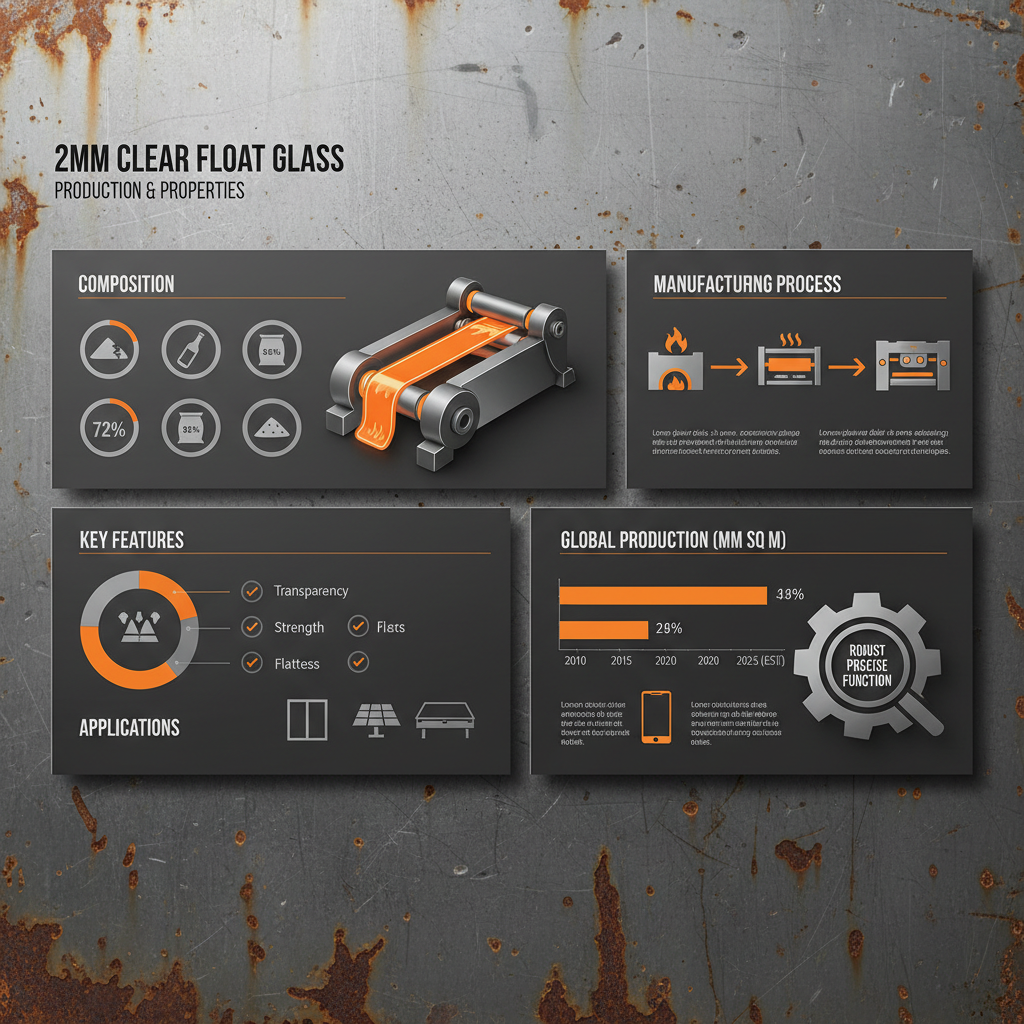
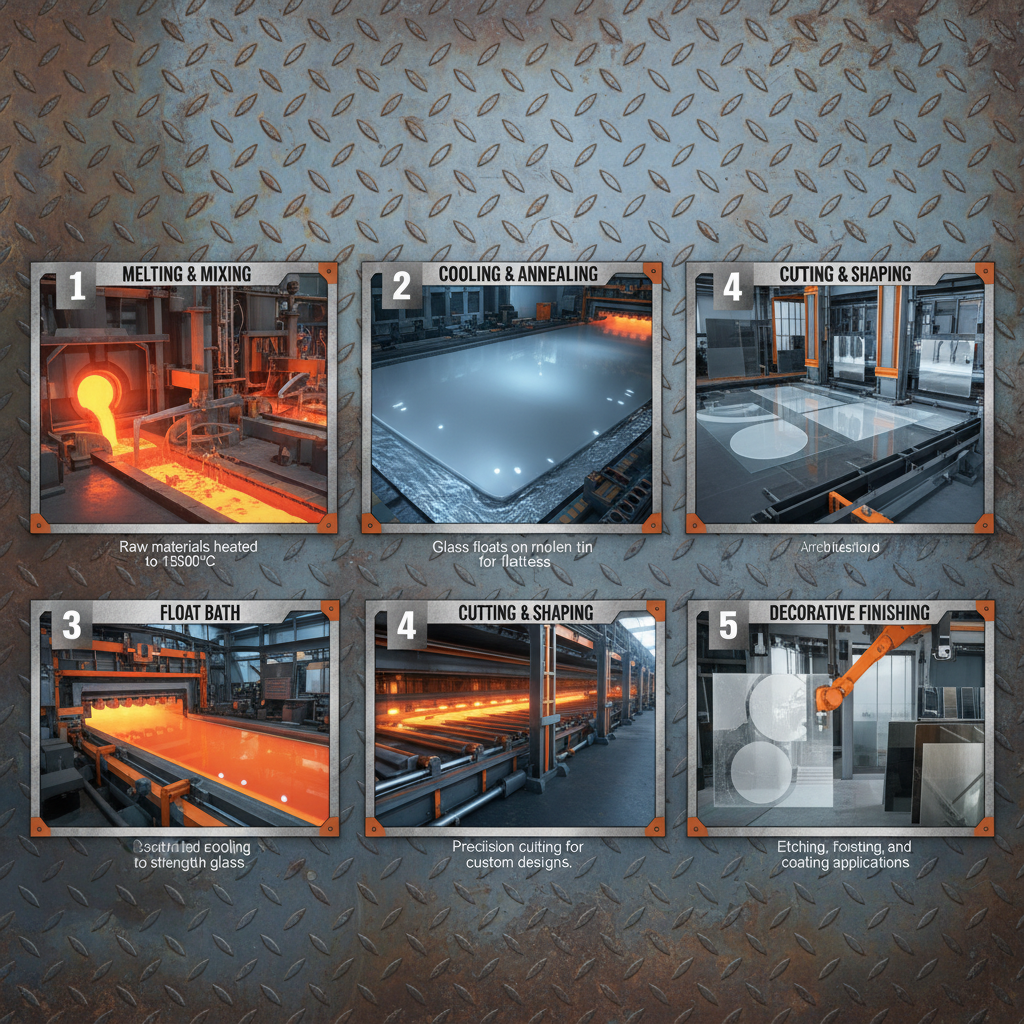
2mm clear float glass is a type of glass manufactured using the float process, where molten glass is floated on a bed of molten tin. This process yields a glass sheet with exceptionally flat surfaces and uniform thickness. The "clear" designation indicates a lack of tint or significant coloration, maximizing light transmission. The 2mm measurement refers to the precise thickness of the glass sheet, making it significantly thinner than standard float glass thicknesses.
This glass is integral to modern industry, providing a base material for countless products. It directly addresses the need for transparent, durable materials in sectors like automotive (windshields, windows), electronics (display screens), and architecture (interior glazing, furniture). The float process ensures consistent quality and reduces defects, making it a reliable material for critical applications.
Ultimately, 2mm clear float glass bridges the gap between demanding performance requirements and cost-effective production. It stands as a testament to advancements in materials science, enabling innovation across numerous industries and contributing to improved product functionality and aesthetics.
Core Properties of 2mm Clear Float Glass
One of the key properties of 2mm clear float glass is its exceptional optical clarity. The manufacturing process minimizes distortions and impurities, resulting in high light transmittance and low distortion. This makes it ideal for applications where visual quality is paramount, such as display screens and optical lenses.
Furthermore, 2mm clear float glass exhibits excellent thermal stability. It can withstand significant temperature fluctuations without cracking or warping. This property is particularly valuable in applications involving exposure to extreme weather conditions, like building facades or automotive glazing. Its resistance to thermal shock enhances its longevity and reliability.
The relatively thin profile of 2mm clear float glass contributes to its lightweight nature, reducing overall weight in finished products. It also possesses good chemical resistance, making it suitable for use in various corrosive environments. Combined, these properties result in a highly versatile material suited for a broad spectrum of demanding applications.
Versatility in Applications
The applications of 2mm clear float glass are incredibly diverse. In the construction industry, it’s commonly utilized for interior partitions, display cases, and decorative elements. Its lightweight nature simplifies installation and reduces structural load. Moreover, the ability to easily cut and shape this glass makes it ideal for bespoke architectural designs.
Within the electronics sector, 2mm clear float glass is a core component in the manufacturing of touchscreens, LCD displays, and protective covers for electronic devices. Its exceptional clarity and scratch resistance enhance the visual experience and protect sensitive components. This extends to instrumentation panels and specialized sensors where precision is critical.
Application Ratings for 2mm Clear Float Glass
Global Applications & Industry Impact
The use of 2mm clear float glass is not geographically limited. In Europe, it’s a prevalent choice for high-end furniture and interior design projects, prized for its aesthetic appeal and durability. In North America, it’s heavily utilized in the automotive industry and for commercial glazing applications.
Asia, particularly China and India, represents a major growth market for 2mm clear float glass due to rapid urbanization and infrastructure expansion. The construction of modern office buildings, shopping malls, and residential complexes drives significant demand. Furthermore, the expanding electronics manufacturing sector in these regions further fuels its consumption.
Advantages and Long-Term Value
The primary advantage of using 2mm clear float glass lies in its cost-effectiveness. While maintaining comparable strength and clarity to thicker alternatives, it requires less material, lowering production costs and making it accessible to a wider range of customers. This translates to a lower overall project budget without sacrificing quality.
Beyond cost, the lightweight nature of 2mm clear float glass contributes to reduced transportation costs and simplified installation processes. Its durability ensures a long service life, minimizing the need for frequent replacements. This also translates to reduced environmental impact through resource conservation and decreased waste generation.
Investing in 2mm clear float glass isn't just about immediate cost savings; it’s about securing long-term value, enhancing product performance, and promoting sustainable practices. It represents a smart and responsible choice for businesses and consumers alike.
Future Trends and Innovations
Future trends in 2mm clear float glass technology point towards enhanced coatings for improved energy efficiency and UV protection. These coatings can significantly reduce heat gain in buildings, lowering energy consumption and reducing reliance on artificial cooling systems.
Research and development efforts are focused on creating self-cleaning glass with hydrophobic properties, reducing maintenance requirements and extending its lifespan. Furthermore, the integration of smart glass technologies, such as electrochromic glass that can adjust its transparency, is gaining traction.
The increasing emphasis on sustainable manufacturing practices is driving the development of glass production processes with lower carbon emissions. Utilizing recycled glass cullet and optimizing energy efficiency during the float process are key areas of focus, paving the way for a more environmentally responsible industry.
FAQS
2mm clear float glass is extensively used in automotive applications for side and rear windows, as well as sunroofs. Its lightweight nature reduces vehicle weight, improving fuel efficiency. The clarity ensures excellent visibility for drivers, and it’s often used as a base material for laminated safety glass, enhancing passenger safety in the event of an accident. Its ability to be bent and molded to complex shapes also facilitates modern vehicle designs.
Generally, 2mm clear float glass is more cost-effective than thicker glass options. This is primarily because it requires less raw material to produce. While thicker glass offers increased strength and durability, 2mm provides a suitable balance of performance and affordability for many applications. The reduced weight also contributes to lower transportation and handling costs.
Yes, 2mm clear float glass can be both tempered and laminated to enhance its safety characteristics. Tempering involves heating and rapidly cooling the glass, increasing its strength and causing it to break into small, relatively harmless pieces. Lamination involves bonding a layer of plastic between two layers of glass, preventing shattering and holding the fragments together. These processes significantly improve the glass’s resistance to impact.
Lead times for custom orders of 2mm clear float glass can vary depending on the size, quantity, and complexity of the order. Typically, standard cuts and sizes are readily available with a lead time of 1-2 weeks. More complex orders, such as those requiring specific coatings or tempering, may require 3-4 weeks or longer. Accurate lead times are provided with each quotation.
To maintain the clarity of 2mm clear float glass, regular cleaning with a mild detergent and water is recommended. Avoid abrasive cleaners, as they can scratch the surface. A soft cloth or squeegee should be used to wipe the glass clean. For stubborn stains, specialized glass cleaners can be employed, but always test in an inconspicuous area first.
While 2mm clear float glass itself is relatively durable, for extended outdoor exposure to harsh weather conditions, it's recommended to use it in conjunction with protective coatings or as part of a laminated glass structure. These additions provide enhanced resistance to UV radiation, corrosion, and impact, ensuring long-term performance and preventing degradation.
Conclusion
In summary, 2mm clear float glass stands as a versatile and essential material across numerous industries. Its unique combination of clarity, durability, lightweight nature, and cost-effectiveness makes it an ideal choice for a wide range of applications, from automotive and construction to electronics and beyond. Its continued relevance is assured by ongoing innovation in coatings, manufacturing processes, and smart glass technologies.
Looking ahead, the future of 2mm clear float glass is bright, with a growing emphasis on sustainability and performance enhancement. By embracing new technologies and prioritizing environmentally responsible practices, we can unlock even greater potential for this remarkable material, solidifying its role as a cornerstone of modern industry and a catalyst for innovation. Visit our website at www.shzrglass.com to learn more.