15mm float glass stands as a crucial component in modern construction, automotive industries, and numerous specialized applications. Its unique properties, stemming from the float glass manufacturing process, offer a level of clarity, flatness, and consistency unmatched by traditional glass production methods. Globally, the demand for high-quality glass solutions is ever-increasing, driven by urbanization, infrastructure development, and a growing emphasis on energy efficiency. Understanding 15mm float glass – its characteristics, applications, and future potential – is therefore essential for professionals across diverse sectors.
The relevance of 15mm float glass extends beyond mere aesthetic appeal. With a thickness of 15mm, it provides enhanced safety and security, making it ideal for applications where impact resistance and structural integrity are paramount. According to the UN, sustainable and resilient infrastructure is a key component of achieving the Sustainable Development Goals (SDGs). Utilizing materials like 15mm float glass directly contributes to these goals by creating durable and safe buildings. Furthermore, advancements in glass technology continue to improve its thermal performance, reducing energy consumption in buildings and lessening their environmental footprint.
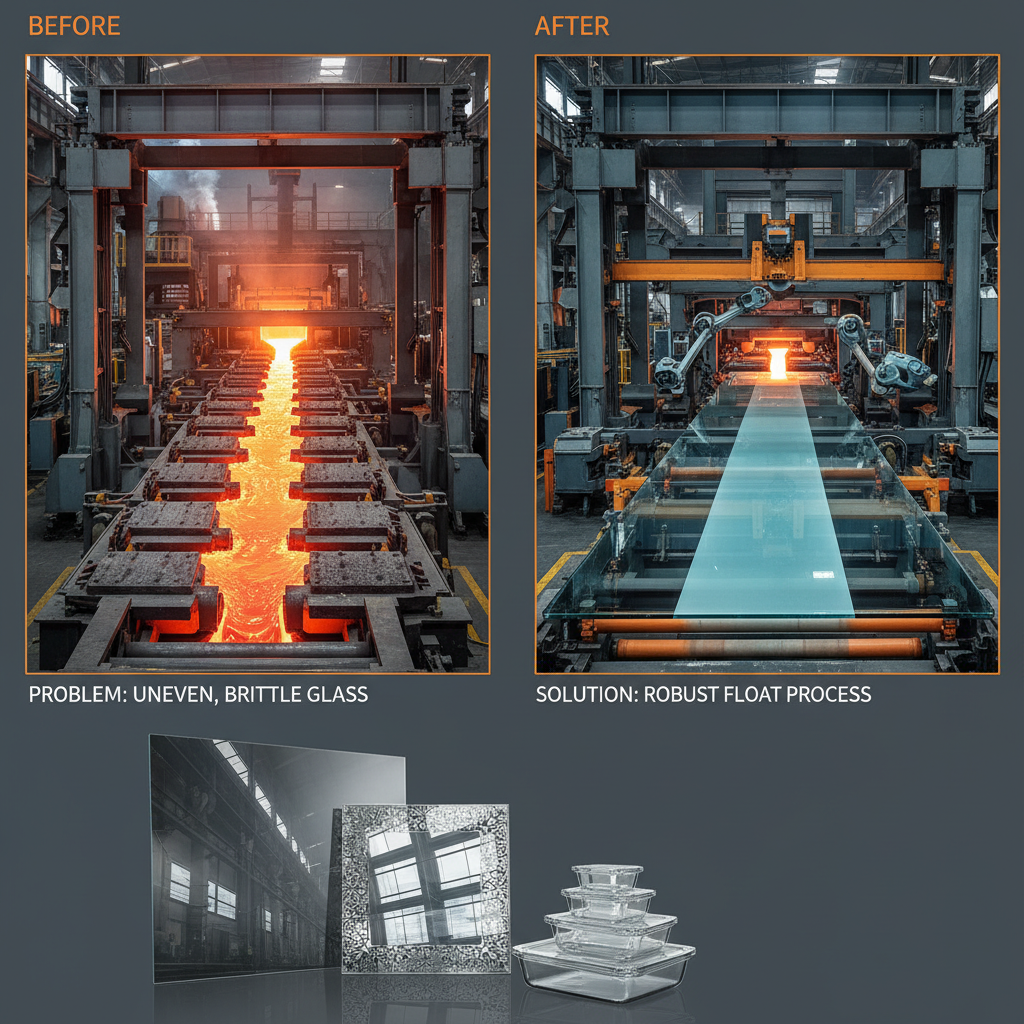
The manufacturing of 15mm float glass responds to a significant challenge: the need for high-performance building materials that balance cost-effectiveness with durability and sustainability. While traditional glass production methods often resulted in imperfections and inconsistencies, the float process revolutionized the industry. Today, 15mm float glass is a cornerstone of modern architectural design and a vital element in a wide range of industrial applications, contributing significantly to both economic growth and improved quality of life.
Introduction to 15mm Float Glass
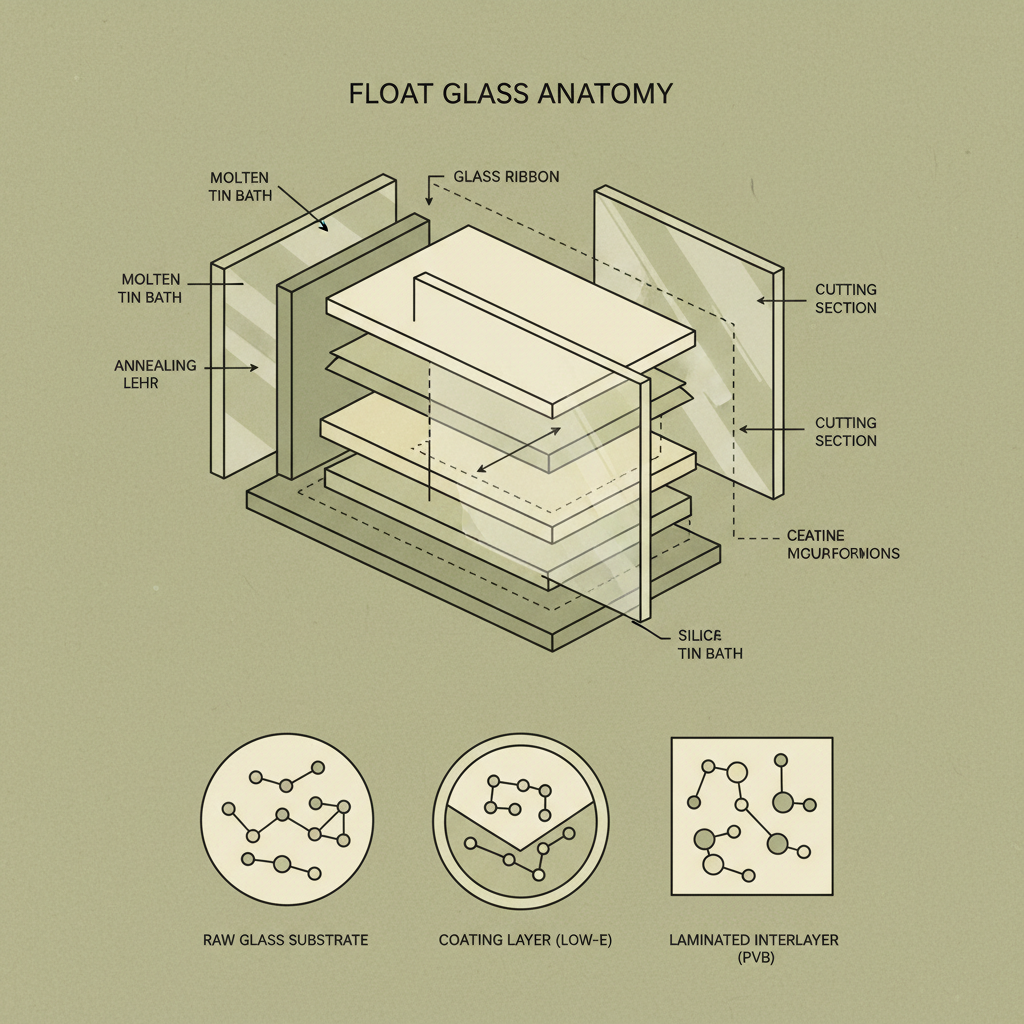
15mm float glass represents a significant advancement in glass manufacturing, providing a robust and versatile material for a multitude of applications. Its thicker profile, compared to standard float glass, adds a substantial layer of strength and security, making it ideal for areas requiring increased protection. The float process itself, developed in the 1950s, involves pouring molten glass onto a bed of molten tin, resulting in a perfectly flat surface with minimal imperfections.
The widespread adoption of 15mm float glass stems from its ability to meet stringent safety standards and performance requirements. From architectural glazing to automotive windshields, its clarity, durability, and thermal properties contribute to enhanced building aesthetics, occupant comfort, and vehicle safety. The continuous refinement of the float process and the development of specialized coatings are further expanding the capabilities and applications of this essential material.
Defining 15mm Float Glass
15mm float glass is a type of glass manufactured using the float process, resulting in a flat, smooth, and consistently sized sheet with a thickness of 15 millimeters. This thickness differentiates it from standard float glass, which typically ranges from 3mm to 10mm. The float process involves carefully controlling the temperature and atmosphere during the cooling phase, eliminating distortions and ensuring uniform quality.
The significance of 15mm float glass lies in its enhanced physical properties. The increased thickness provides superior strength, impact resistance, and sound insulation compared to thinner glass options. This makes it particularly well-suited for applications demanding a higher degree of safety and security, such as shopfronts, security glazing, and specialized architectural features.
Its connection to modern industry and humanitarian needs is profound. In construction, it contributes to the creation of safer, more energy-efficient buildings. In transportation, it plays a vital role in vehicle safety. And in various industrial settings, it serves as a durable and reliable component in a wide range of equipment and processes.
Core Properties of 15mm Float Glass
The inherent characteristics of 15mm float glass make it a preferred material across numerous industries. Firstly, its durability is exceptional. The increased thickness significantly enhances its resistance to breakage from impact, making it a safe choice for areas prone to accidental damage or vandalism. Secondly, it possesses outstanding optical clarity. The float process ensures a smooth, distortion-free surface, providing excellent visibility and light transmission.
Furthermore, 15mm float glass exhibits superior thermal insulation properties. While glass is not inherently a great insulator, its density and smooth surface help to reduce heat transfer, contributing to energy efficiency in buildings. Its chemical stability is also noteworthy. It's resistant to most atmospheric and chemical agents, ensuring long-term performance and minimal maintenance. Finally, it is readily customizable—it can be tempered, laminated, coated, or bent to meet specific application requirements.
These properties directly translate into practical benefits. For instance, the enhanced durability reduces the risk of injury from shattered glass. The optical clarity provides unobstructed views and maximizes natural light. The thermal insulation lowers energy costs and improves occupant comfort. And the customizability allows architects and designers to achieve their desired aesthetic and functional goals.
Applications Across Industries
The versatility of 15mm float glass allows for its deployment in a diverse array of applications. In the architectural sector, it’s used for large-span glazing, curtain walls, shopfronts, and internal partitions requiring enhanced strength and safety. The automotive industry utilizes it for windshields and side windows, providing crucial protection to vehicle occupants.
Its application extends to specialized industries such as marine engineering, where it is employed in boat windows and skylights due to its durability and resistance to saltwater corrosion. It’s also prominent in the creation of security glazing for banks, jewelers, and government buildings, offering a robust barrier against forced entry. In post-disaster relief operations, 15mm float glass can be crucial for creating temporary shelters and repairing damaged infrastructure.
Geographically, demand is strong in rapidly urbanizing regions like Asia and South America, where large-scale construction projects necessitate high-performance building materials. European countries prioritize its use in historical building renovations to maintain architectural integrity while enhancing safety. And North America sees substantial demand for both commercial and residential applications.
15mm Float Glass Application Distribution
Advantages and Long-Term Value
Investing in 15mm float glass yields a multitude of tangible benefits. From a cost perspective, its durability reduces the frequency of replacements, lowering lifecycle costs. Its sustainability is enhanced by its recyclability and contribution to energy-efficient buildings. The social impact is significant, as it provides enhanced safety and security for building occupants and vehicle passengers.
Beyond these practical advantages, 15mm float glass fosters reliability and trust. Architects, builders, and end-users can rely on its consistent quality and performance. The transparent nature of glass itself symbolizes openness and clarity, contributing to aesthetically pleasing and welcoming environments. The peace of mind that comes with knowing structures are safe and secure is an invaluable benefit.
Future Trends in 15mm Float Glass
The future of 15mm float glass is intertwined with several emerging trends. Smart glass technologies, incorporating electrochromic or thermochromic coatings, are gaining traction, allowing for dynamic control of light transmission and energy efficiency. Research into self-cleaning glass coatings aims to reduce maintenance requirements and extend lifespan.
Furthermore, advancements in digital fabrication and automation are enabling more complex and customized glass designs. The drive towards sustainable building practices is fueling demand for glass products with reduced carbon footprints and enhanced recyclability. These innovations will further solidify 15mm float glass's position as a cornerstone of modern construction and design.
Challenges and Innovative Solutions
Despite its many advantages, the production and application of 15mm float glass face certain challenges. The energy-intensive nature of the float process is a significant concern, prompting research into more energy-efficient manufacturing techniques. Transportation costs associated with its weight and fragility can also be a barrier.
Innovative solutions are emerging to address these issues. Manufacturers are exploring alternative melting technologies and utilizing recycled glass cullet to reduce energy consumption. Optimizing packaging and logistics strategies can minimize transportation costs and damage. The development of lighter-weight, high-strength glass composites offers a promising pathway towards enhanced performance and reduced environmental impact.
Furthermore, the increasing adoption of Building Information Modeling (BIM) and digital twins is streamlining the design and construction process, enabling more efficient use of 15mm float glass and minimizing waste.
Analysis of 15mm Float Glass Manufacturing Parameters
| Manufacturing Process |
Energy Consumption (kWh/ton) |
Defect Rate (%) |
Production Cost ($/ton) |
| Traditional Float Process |
1800 |
2.5 |
800 |
| Hybrid Float Process (Cullet Addition) |
1650 |
2.0 |
750 |
| Electric Melting Furnace |
1400 |
1.8 |
900 |
| Oxygen-Fuel Enhanced Combustion |
1700 |
2.2 |
780 |
| Automated Quality Control System |
N/A |
1.5 |
720 |
| Advanced Coating Application |
N/A |
1.7 |
850 |
FAQS
The primary benefit lies in the significantly increased strength and impact resistance. 15mm float glass provides a substantially greater level of security, making it ideal for applications requiring enhanced protection against breakage or forced entry. This added thickness also contributes to improved sound insulation and a more robust structural element in buildings or vehicles. It's a worthwhile investment where safety and durability are paramount.
The traditional float process is energy-intensive, primarily due to the high temperatures required to melt the raw materials. However, manufacturers are actively implementing strategies to reduce this impact, such as incorporating recycled glass cullet into the mix, utilizing more efficient furnace designs, and exploring alternative melting technologies like electric furnaces. Ongoing research focuses on minimizing emissions and reducing overall energy consumption.
Absolutely. 15mm float glass can be further processed through tempering or lamination to enhance its safety characteristics. Tempering significantly increases its strength and creates small, relatively harmless fragments upon breakage. Lamination bonds the glass to an interlayer, holding the fragments together even when broken, preventing them from scattering and causing injury. Both processes are commonly employed to meet stringent safety standards.
In architectural design, 15mm float glass is frequently used for large-span glazing, curtain walls, shopfronts, and internal partitions requiring enhanced security and sound insulation. It’s also ideal for balustrades, skylights, and architectural features where a strong, durable, and visually appealing material is desired. Its ability to withstand significant loads and impacts makes it a preferred choice for high-traffic areas and demanding environments.
Naturally, 15mm float glass is more expensive than thinner glass options due to the increased material usage and manufacturing complexity. However, the higher initial cost is often offset by its enhanced durability, reduced replacement frequency, and improved safety features. Considering the lifecycle cost and the long-term benefits, 15mm float glass can represent a cost-effective investment in many applications.
15mm float glass exhibits good resistance to most atmospheric and chemical agents. However, in highly corrosive environments, such as coastal areas or industrial settings, specialized coatings or laminated glass configurations may be necessary to provide additional protection against corrosion and degradation. Choosing the appropriate glass type and protective measures will ensure long-term performance and durability.
Conclusion
In conclusion, 15mm float glass stands as a versatile and high-performing material crucial to modern construction, automotive safety, and a myriad of specialized applications. Its exceptional durability, optical clarity, and thermal properties, coupled with its ability to be customized, make it a superior choice where strength, safety, and longevity are paramount. The continued refinement of manufacturing processes and the emergence of innovative coatings and technologies will further expand its capabilities and applications.
Looking ahead, embracing sustainable manufacturing practices and exploring new applications for 15mm float glass will be essential for addressing global challenges related to urbanization, energy efficiency, and infrastructure resilience. By investing in this robust and versatile material, we can build safer, more sustainable, and more aesthetically pleasing environments for future generations. To learn more about our 15mm float glass solutions, visit our website: www.shzrglass.com.