Honestly, things are moving fast these days. Everyone’s talking about smart glass, self-healing coatings… fancy stuff. But you spend enough time on site, and you realize 90% of the problems aren’t about the newest tech, they’re about getting the basics right. I've seen projects delayed for weeks because of a slightly off-spec sealant. Weeks!
Have you noticed how everyone wants everything thinner and lighter? It looks good on paper, but then you’re trying to handle it on a windy construction site and it feels like it'll blow away with a sneeze. It’s a constant balancing act.
And don't even get me started on the interfaces. Everyone thinks USB-C is the answer to everything… it's not always.
What’s Trending and the Traps in Design
To be honest, the push for integrated displays is huge. Everything’s got to have a screen now. But integrating them into building materials? That’s where things get tricky. You've got thermal expansion issues, impact resistance, the whole nine yards. People design these things on computers, they don’t think about what happens when a brick falls on it. Strangely, the biggest issue isn’t the glass itself… it’s getting the adhesives right. Finding something that bonds well, withstands temperature swings, and doesn’t yellow over time… it’s a nightmare.
I encountered this at a factory in Qingdao last time, they were trying to bond a display to a reinforced concrete panel. Looked beautiful in the showroom. Fell apart after a week in the sun.
Materials: The Feel, Smell, and Handling
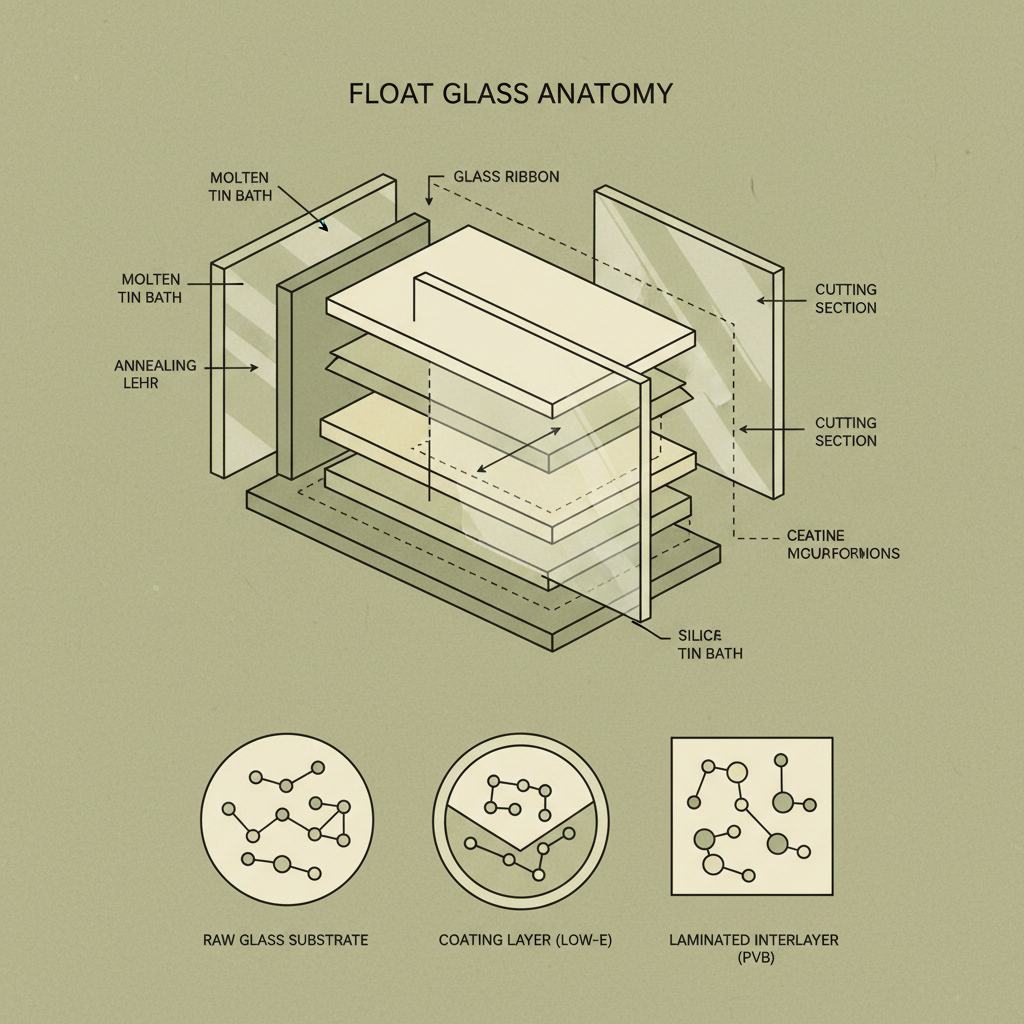
You know, the glass itself… it's a surprisingly tactile thing. A good quality float glass has a weight to it, a smoothness. And the different coatings... some smell vaguely of vinegar, others have this almost metallic tang. The tempered stuff, when you tap it, it's got a ring to it. Sounds silly, I know, but after a while, you learn to judge quality just by feel and sound. You get a sense for whether something is going to crack under pressure.
Then there’s the interlayer, the PVB or SGP. SGP is tough stuff, smells a little like plastic, almost rubbery. PVB is… softer, more pliable. You can tell a lot about the glass just by how easily the interlayer bends.
And don't forget the edge sealant. That’s what keeps the moisture out. A bad sealant and you're looking at delamination in a few months.
Real-World Testing: Beyond the Lab
Labs are fine, don’t get me wrong. They'll tell you the breaking strength, the impact resistance, all that jazz. But the real test is dropping a sample from scaffolding. Or letting a crew walk on it. Or hosing it down with mud. You need to see how it behaves in a messy, unpredictable environment.
I remember one project where the spec called for a super-high impact resistance. The lab tests were perfect. But on site, a worker accidentally dropped a wrench on it… shattered. Turns out the lab test used a perfectly spherical weight. Wrenches aren’t spherical.
We started doing our own tests – simulating real-world scenarios. It was a lot more informative.
How Users Actually Use It
This is the one that always gets me. Architects and designers have one idea of how something will be used. Contractors have another. And the actual end-users… they have a completely different idea. I’ve seen glass partition walls used as whiteboards, shelving, even leaning posts! You just can’t predict it.
They’ll find a way to misuse it, guaranteed. That's why you have to build in a margin of safety. A big one.
float glass images Performance in Different Applications
The Upsides and Downsides
Look, good float glass is strong, it’s versatile, it lets in light… what’s not to love? But it's expensive. And it's heavy. And if it breaks, it's dangerous. You have to factor in all that. The tempered stuff helps with the safety issue, but it adds another layer of cost. Anyway, I think a lot of people focus on the fancy features and forget the fundamentals.
And don't even get me started on lead times. Everything is always on backorder.
Customization: A Shenzhen Story
You can customize pretty much anything these days, but it comes at a price. Last month, that small boss in Shenzhen who makes smart home devices insisted on changing the interface to , even though the original USB-A was perfectly fine. The result was a three-week delay because the custom connectors weren't available, and he refused to budge. Stubborn guy. He thought looked “more modern”.
The trick is finding the right balance between customization and practicality. You want to meet the customer's needs, but you also want to keep things feasible. Sometimes, you have to tell them no. It's not always popular, but it's necessary.
For instance, we had a client who wanted a specific tint of green in the glass. It took a lot of experimenting, a lot of wasted material, but we eventually got it right. It’s doable, it just needs careful planning.
Material Performance Comparison
There's a lot of talk about different types of glass, and honestly, it can get confusing. Here’s a quick rundown, based on what I’ve seen work (and not work) on sites.
It’s not a scientific survey, mind you, just my observations.
And remember, everything depends on the application.
Float Glass Material Performance on Construction Sites
| Material Type |
Impact Resistance (1-10) |
Weather Resistance (1-10) |
Cost (1-10) |
| Standard Float Glass |
4 |
6 |
3 |
| Tempered Glass |
8 |
7 |
5 |
| Laminated Glass (PVB) |
7 |
8 |
6 |
| Laminated Glass (SGP) |
9 |
9 |
8 |
| Low-E Coated Glass |
5 |
7 |
7 |
| Self-Cleaning Glass |
6 |
8 |
9 |
FAQS
Honestly, it's underestimating the environmental factors. They focus on the aesthetics, but forget about wind load, temperature fluctuations, UV exposure… all that stuff. You need to think about the long game, not just how it looks on day one. A good spec accounts for years of wear and tear.
Crucial. Absolutely crucial. You can have the best glass in the world, but if it’s installed improperly, it’s useless. Incorrect sealant, wrong fasteners…it’ll all lead to problems. I’ve seen entire facades fail because of bad installation. You need experienced guys, and you need to supervise them closely.
You can sometimes save on the interlayer – going with PVB instead of SGP, for example. But be careful. SGP is significantly stronger. Also, don't skimp on the sealant. That’s a false economy. The installation is also a good place to look, but not by sacrificing quality.
Self-cleaning coatings are getting better, but they're still not perfect. There's a lot of research going into dynamic glass – glass that changes its tint on demand. It’s cool technology, but it's expensive and the long-term reliability is still questionable. And of course, everyone's talking about energy-efficient coatings to reduce heating and cooling costs.
Carefully! Seriously, safety first. You need proper cleanup procedures, protective gear, and designated disposal containers. Broken glass is a major hazard. And don’t try to sweep it up – you’ll just spread it around. A shop vac with a HEPA filter is the best way to go.
It's a good idea, honestly. Birds just don't recognize glass as a barrier. They fly right into it. Bird-friendly glass has patterns or coatings that make it more visible to birds. It's becoming increasingly common, especially in urban areas.
Conclusion
So, ultimately, we’re talking about a material that’s both incredibly strong and incredibly fragile. It’s versatile, beautiful, and essential to modern construction. But it’s also easy to get wrong. It's not just about the glass itself, it’s about the whole system – the design, the materials, the installation, and the long-term maintenance.
And honestly, whether this thing works or not, the worker will know the moment he tightens the screw. If it feels right, it probably is. If it feels flimsy… well, you better double-check everything. And remember, a little common sense goes a long way. Visit our website: www.shzrglass.com