5mm float glass is a cornerstone material in modern construction and numerous industrial applications. Its versatility, stemming from its precise manufacturing process and consistent quality, has made it a globally demanded product. From residential windows to automotive windshields and solar panels, 5mm float glass plays a crucial role in enhancing safety, energy efficiency, and aesthetic appeal. Understanding its properties and applications is vital for architects, engineers, manufacturers, and anyone involved in the built environment.
The demand for 5mm float glass is inextricably linked to global urbanization and infrastructure development. As populations grow and economies expand, the need for buildings, vehicles, and other glass-intensive products continues to rise. According to data from the UN, over half the world’s population lives in urban areas, a figure projected to increase to 68% by 2050, driving significant demand for construction materials like 5mm float glass. The ISO standards governing glass quality further emphasize the importance of consistent and reliable materials in global trade.
However, increasing demand also presents challenges. Concerns around energy consumption in the manufacturing process, transportation costs, and the environmental impact of glass waste necessitate innovation and sustainable practices. Addressing these challenges requires a comprehensive understanding of the entire 5mm float glass lifecycle, from raw material sourcing to end-of-life recycling.
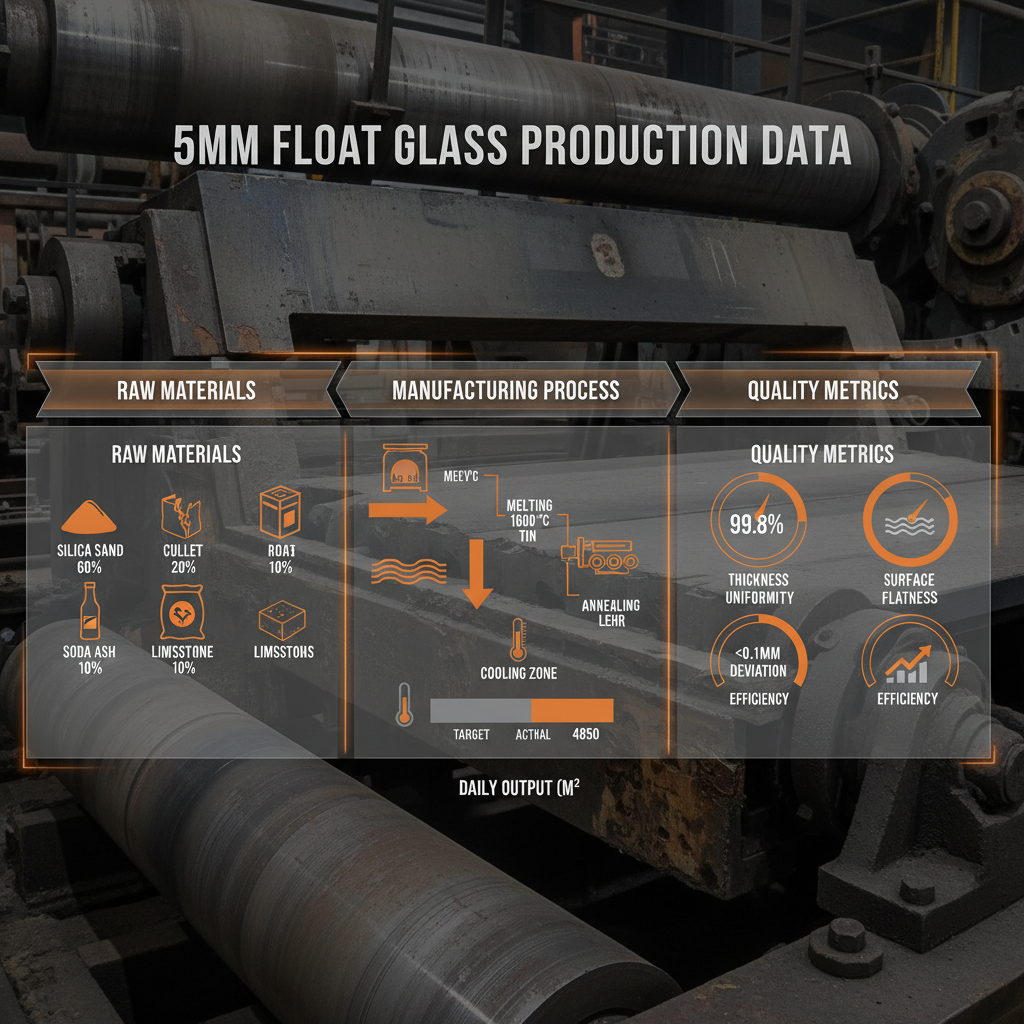
5mm float glass is a standard thickness widely utilized across various sectors, renowned for its exceptional clarity and flatness. This thickness provides an ideal balance between strength, weight, and cost-effectiveness, making it suitable for a vast array of applications. Its consistent quality ensures reliable performance and ease of installation, contributing to its widespread adoption globally.
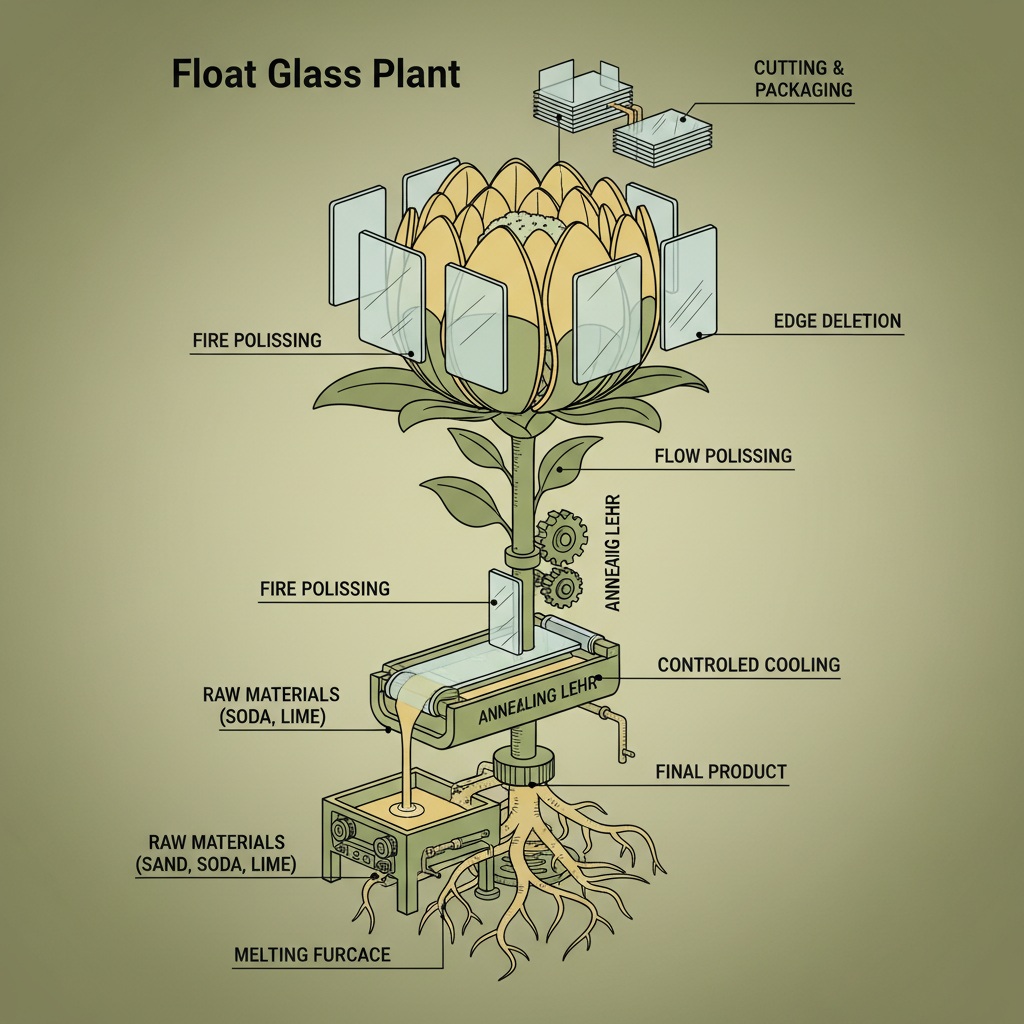
The float glass manufacturing process, developed in the 1950s, revolutionized the glass industry. This method involves floating molten glass on a bed of molten tin, creating a perfectly flat surface with no optical distortion. The resulting 5mm float glass offers superior light transmission and visual clarity compared to traditional glassmaking techniques, making it the preferred choice for many applications.
5mm float glass is primarily used in windows and doors, offering clear visibility and natural light. It’s also used for interior applications like shower screens, partition walls, and mirrors. Its versatility and cost-effectiveness make it a popular choice for residential building projects. It can be further processed into safety glass like tempered or laminated glass for increased durability and safety.
5mm float glass, especially when combined with low-emissivity (Low-E) coatings, significantly reduces heat transfer through windows and doors. This minimizes the need for heating in winter and cooling in summer, lowering energy consumption and reducing utility bills. The clarity of the glass also maximizes natural light, further reducing reliance on artificial lighting.
5mm float glass is the base material, while tempered glass is a type of safety glass produced by heating and rapidly cooling float glass. This process increases its strength and makes it shatter into small, relatively harmless pieces when broken. Tempered glass is used in applications requiring increased safety, such as car windows and shower doors.
5mm float glass is highly recyclable. It’s crushed into cullet (broken glass) and can be used as a raw material in the production of new glass products, reducing the need for virgin materials. Recycling glass also requires less energy than manufacturing it from scratch, contributing to a more sustainable industry.
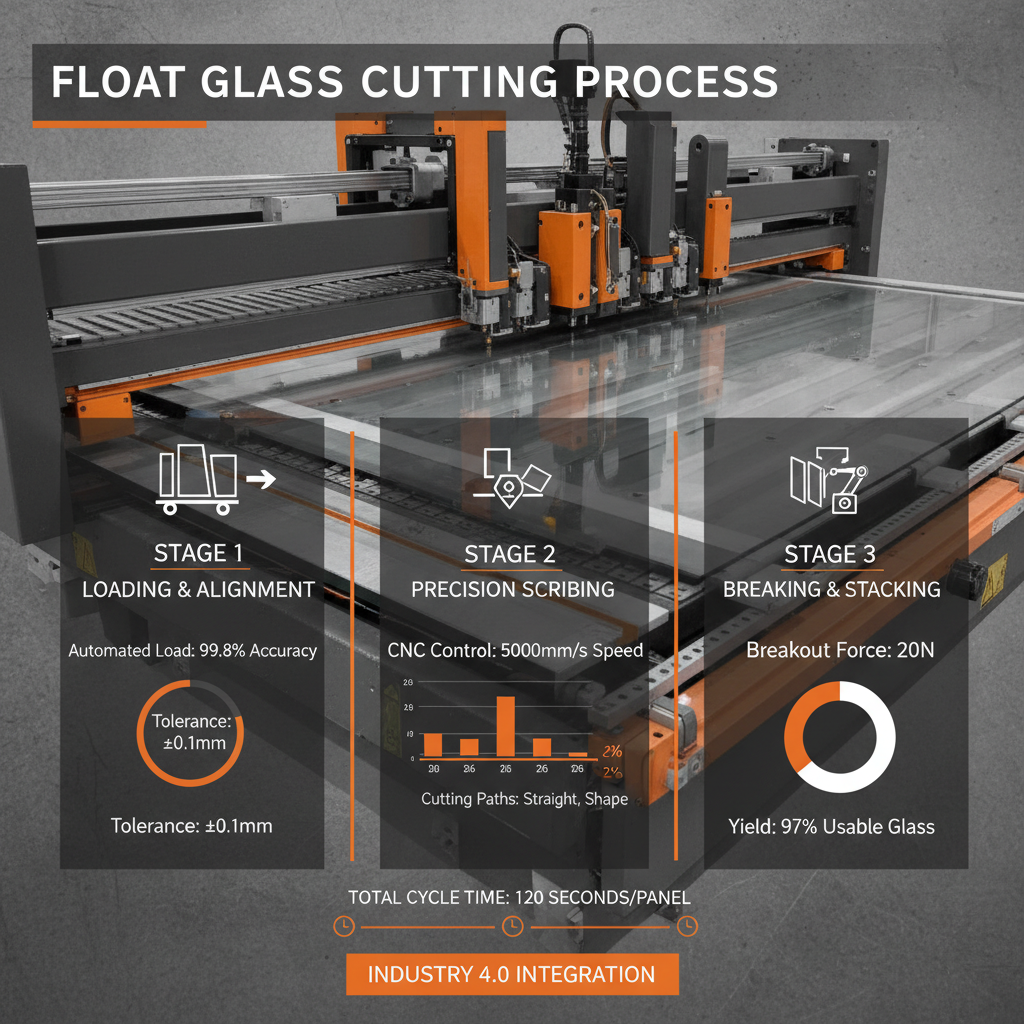
5mm float glass can have sharp edges, so wearing gloves and eye protection is essential during handling and cutting. It should be transported and stored carefully to avoid breakage. When cutting, use appropriate tools and techniques to minimize the risk of injury. It's also crucial to dispose of any broken glass safely.
While 5mm float glass can be used outdoors, its suitability depends on the specific climate and application. In areas with extreme temperatures or high winds, it may require additional reinforcement or be combined with other materials to ensure structural integrity. Coatings can also be applied to enhance its resistance to UV radiation and weathering.
In conclusion, 5mm float glass stands as a versatile and essential material in a multitude of industries, from construction and automotive to furniture and renewable energy. Its unique combination of clarity, thermal stability, and cost-effectiveness makes it a cornerstone of modern design and manufacturing. Understanding its properties and applications is vital for professionals across various sectors, allowing them to leverage its benefits effectively.
Looking ahead, continued innovation in coating technologies and manufacturing processes will further enhance the performance and sustainability of 5mm float glass. Exploring more efficient recycling methods and embracing circular economy principles will be crucial for minimizing its environmental impact. For high-quality 5mm float glass solutions, visit our website: www.shzrglass.com.