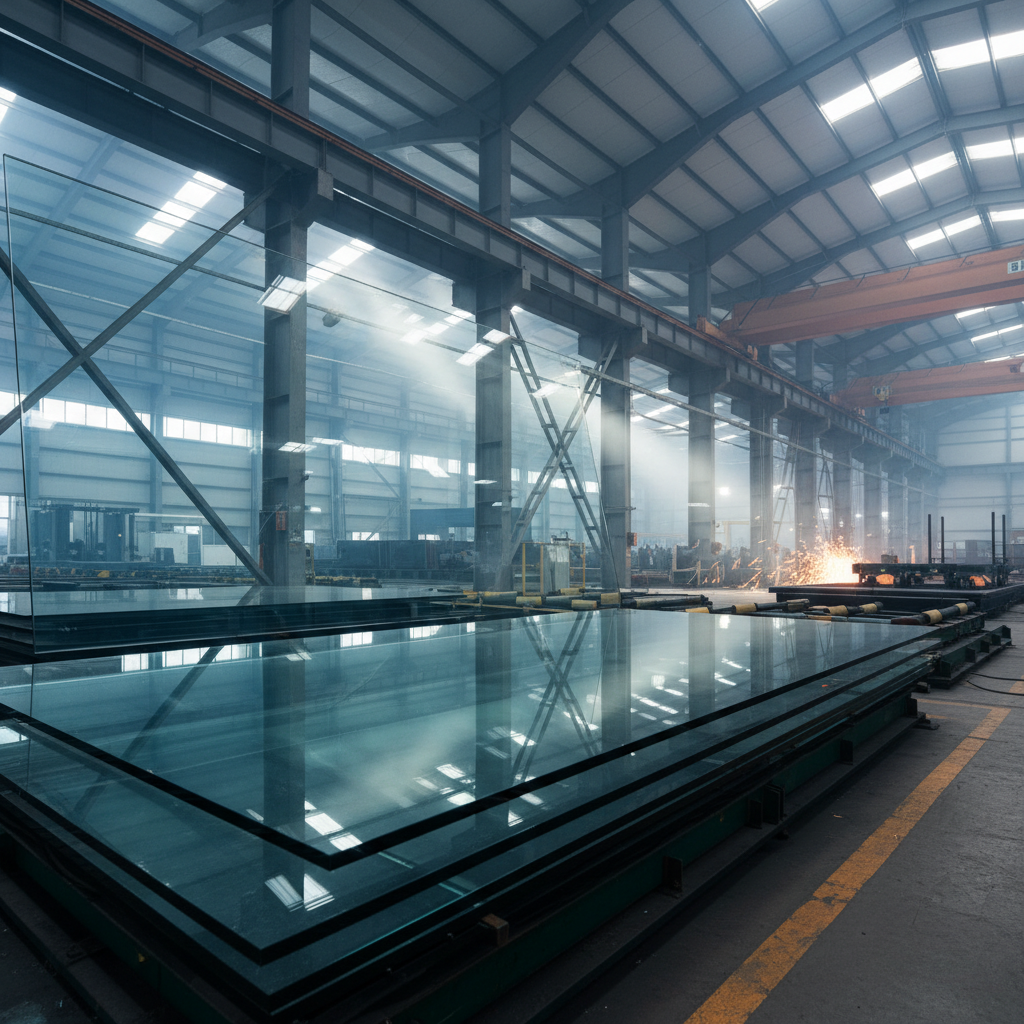
12mm float glass is a versatile material finding increasing application across a diverse range of industries globally. Its unique properties, including exceptional clarity, strength, and durability, make it an ideal choice for construction, automotive, and specialized applications. Understanding the nuances of 12mm float glass – from its manufacturing process to its performance characteristics – is crucial for architects, engineers, and manufacturers aiming for optimal design and safety standards.
The global demand for high-performance glass, specifically thicker varieties like 12mm float glass, is driven by increasing urbanization and a growing emphasis on energy efficiency in buildings. International standards, like those set by ISO, emphasize the quality and safety requirements for such materials, impacting trade and construction practices worldwide. This demand requires a consistent supply chain and adherence to rigorous quality control measures.
Ultimately, the adoption of 12mm float glass contributes to safer, more sustainable, and aesthetically pleasing structures. From reducing noise pollution and enhancing thermal insulation to providing enhanced security, the benefits extend beyond simple material properties, influencing overall building performance and occupant well-being.
Introduction to 12mm Float Glass
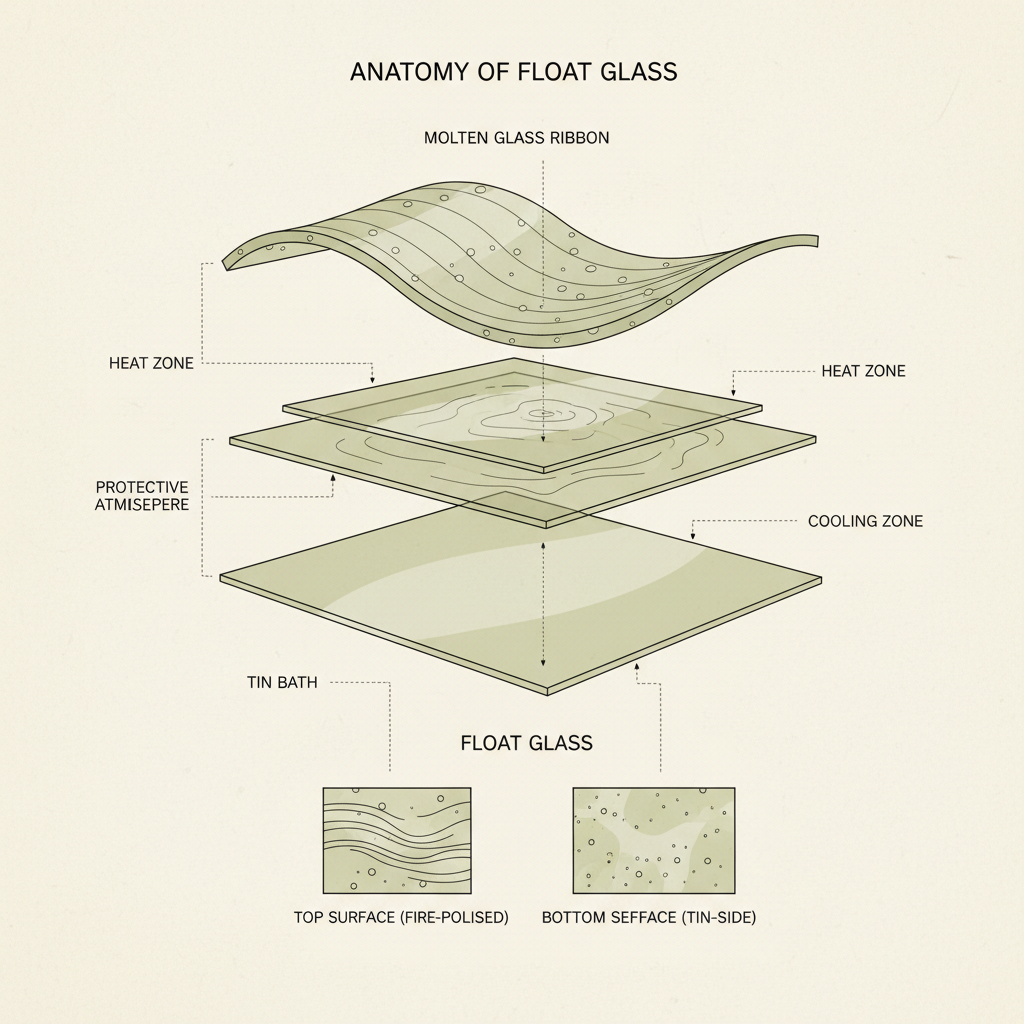
12mm float glass is characterized by its increased thickness compared to standard float glass, offering enhanced strength and stability. This makes it particularly well-suited for applications requiring greater safety and security, such as large windows, glass doors, and structural glazing. The manufacturing process involves floating molten glass on a bed of molten tin, resulting in a perfectly flat and uniform surface.
This thickness also directly impacts its acoustic and thermal performance. 12mm float glass provides superior sound insulation, reducing noise pollution, and contributes to energy efficiency by minimizing heat transfer. These features are increasingly important in modern building design, driven by sustainability goals and occupant comfort.
Defining 12mm Float Glass
Simply put, 12mm float glass is a type of flat glass manufactured using the float process, with a consistent thickness of 12 millimeters. The ‘float’ process, patented in the 1950s, revolutionized glass production, replacing earlier, less efficient methods. This process ensures a pristine, distortion-free surface, making it ideal for applications where clarity and visual quality are paramount.
Its connection to modern industry is undeniable. From skyscrapers to automobiles, 12mm float glass is a fundamental component. In humanitarian contexts, it can provide safe and secure glazing for temporary shelters and essential infrastructure. Its relative ease of fabrication – cutting, bending, tempering, and laminating – allows for versatile design possibilities.
The significance of specifying 12mm float glass over thinner options often comes down to safety regulations, structural requirements, and performance expectations. In regions prone to severe weather or seismic activity, the added strength of 12mm glass can be critical for building integrity and occupant protection.
Core Properties of 12mm Float Glass
The defining property of 12mm float glass is its thickness, providing a significant increase in strength and rigidity compared to standard float glass. This translates to a higher resistance to impact, bending, and thermal stress. The manufacturing process ensures a consistently uniform thickness throughout the sheet, minimizing the risk of weak points or distortions.
Another key property is its excellent optical clarity. The float process eliminates the need for grinding or polishing, resulting in a smooth, distortion-free surface that allows for maximum light transmission. This clarity is essential for applications such as storefronts, displays, and architectural glazing where visual transparency is desired. Furthermore, 12mm float glass is chemically stable and resistant to most environmental factors.
Finally, the material is readily adaptable to further processing, including tempering, laminating, and coating. Tempering increases its strength significantly, making it suitable for safety-critical applications, while lamination adds a layer of security and impact resistance. Coatings can be applied to enhance its thermal performance, reduce glare, or modify its aesthetic appearance.
Performance Characteristics of 12mm Float Glass
12mm float glass exhibits superior sound insulation capabilities compared to thinner glass varieties. The increased mass effectively dampens sound waves, reducing noise transmission and creating quieter interior environments. This is particularly beneficial in urban settings or buildings located near high-traffic areas.
Its thermal performance is also enhanced. While float glass itself isn't a strong insulator, the increased thickness of 12mm glass provides a greater barrier to heat transfer, reducing energy loss and lowering heating and cooling costs. Coupled with low-emissivity (Low-E) coatings, 12mm float glass can achieve exceptional energy efficiency ratings.
12mm Float Glass Performance Metrics
Applications of 12mm Float Glass Globally
12mm float glass is extensively used in architectural glazing for both commercial and residential buildings. Its strength and stability allow for larger window and curtain wall systems, maximizing natural light and creating visually striking facades. It’s particularly prevalent in high-rise buildings and structures requiring enhanced safety features.
The automotive industry relies on 12mm float glass, often in laminated form, for windshields and side windows. This provides improved safety in the event of an accident, reducing the risk of shattering and protecting occupants.
Advantages and Long-Term Value
The cost-effectiveness of 12mm float glass, when considering its long-term benefits, is significant. While the initial investment may be higher than thinner glass options, its durability reduces the need for frequent replacements, lowering lifecycle costs. Furthermore, its thermal and acoustic properties contribute to energy savings and improved occupant comfort.
From a sustainability perspective, 12mm float glass supports green building practices. By reducing energy consumption and minimizing waste, it aligns with environmentally responsible construction principles. Its inherent recyclability further enhances its sustainable profile. It is a reliable and durable material that adds long-term value to structures and projects.
Future Trends in 12mm Float Glass Technology
Ongoing research focuses on developing self-cleaning 12mm float glass coatings, reducing maintenance requirements and enhancing visual clarity. Integration with smart glass technologies, such as electrochromic glass, which can adjust its tint based on light conditions, is also gaining traction.
The development of more sustainable manufacturing processes, reducing carbon emissions and waste generation, is a key priority. Advancements in tempering and lamination techniques are expected to further enhance the safety and performance characteristics of 12mm float glass. Incorporating recycled content into the manufacturing process will also play a vital role in promoting circular economy principles.
Furthermore, the rise of Building Information Modeling (BIM) and digital design tools will allow for more precise specification and optimization of 12mm float glass in construction projects, leading to improved efficiency and reduced material waste.
FAQS
12mm float glass offers substantially increased strength, impact resistance, and sound insulation compared to thinner options. This makes it ideal for applications demanding greater safety, security, and noise reduction. The thicker glass also provides better thermal performance, contributing to energy efficiency. While more expensive upfront, the long-term benefits often outweigh the initial cost.
Yes, 12mm float glass, especially when tempered or laminated, is an excellent choice for regions prone to high winds or seismic activity. Its increased strength and resistance to impact can significantly reduce the risk of breakage and protect occupants. Building codes in these areas often specify the use of thicker, safety-rated glass.
Absolutely. 12mm float glass can be both tempered and laminated to enhance its safety characteristics. Tempering creates a glass that breaks into small, relatively harmless pieces, while lamination bonds a layer of plastic between two sheets of glass, holding them together even when broken. Combining these processes provides maximum safety and security.
Common residential applications include large windows, sliding glass doors, shower enclosures, and glass railings. Its strength and clarity make it ideal for maximizing natural light and creating visually appealing spaces. It’s frequently used in modern architectural designs and homes with expansive views.
While polycarbonate is incredibly strong and impact-resistant, 12mm float glass offers superior optical clarity and scratch resistance. Polycarbonate can be prone to scratching and yellowing over time. 12mm float glass, particularly when laminated, provides a good balance of safety, clarity, and durability. The choice depends on the specific application and performance requirements.
Lead times for custom-cut 12mm float glass vary depending on the quantity, complexity of the cuts, and any additional processing required (tempering, lamination, coatings). Generally, you can expect a lead time of 1-3 weeks for standard cuts and 2-4 weeks for more complex orders. It’s always best to check with your supplier for accurate estimates.
Conclusion
In conclusion, 12mm float glass is a high-performance material offering a compelling combination of strength, clarity, safety, and energy efficiency. Its diverse applications span across construction, automotive, and various specialized industries, making it a crucial component of modern infrastructure and design. Understanding its properties and benefits allows for informed decision-making, leading to more durable, secure, and sustainable structures.
Looking ahead, continued innovation in manufacturing processes, coatings, and smart glass technologies will further enhance the capabilities of 12mm float glass. We encourage you to explore the possibilities of incorporating this versatile material into your next project. For more information and to discuss your specific needs, visit our website: www.shzrglass.com.