0%

Table of Contents

The world runs on glass. It's in the buildings we work in, the cars we drive, the phones we stare at all day. But behind every windowpane and screen is a complex, often unseen, flat glass production process. It’s not just melting sand, believe me. I’ve spent years on sites watching this stuff happen, from the raw materials arriving to the finished product going up, and it’s a surprisingly intricate dance of physics, engineering, and, honestly, a lot of problem-solving. Understanding this process isn’t just for the glass industry; it impacts construction, automotive, renewable energy—pretty much anything involving modern materials.

What’s driving the need to really understand the flat glass production process? Demand is soaring globally, fueled by urbanization and infrastructure development. According to the UN, over half the world’s population lives in cities – and that number’s climbing. All those skyscrapers and homes need glass. Simultaneously, there's a push for more energy-efficient buildings, which means specialized glass with specific coatings and properties. We're seeing bottlenecks and quality control issues crop up as manufacturers struggle to keep pace and meet increasingly stringent standards. It’s a critical area to innovate in.

Simply put, the flat glass production process is the manufacturing of sheet glass, traditionally used for windows, automotive windshields, and a multitude of other applications. It’s moved a long way from hand-blown cylinders. Modern production relies on highly automated processes to create large volumes of consistent, high-quality glass. It's not about luxury items; it’s a foundational element of modern life, directly connected to shelter, transportation, and even communication.
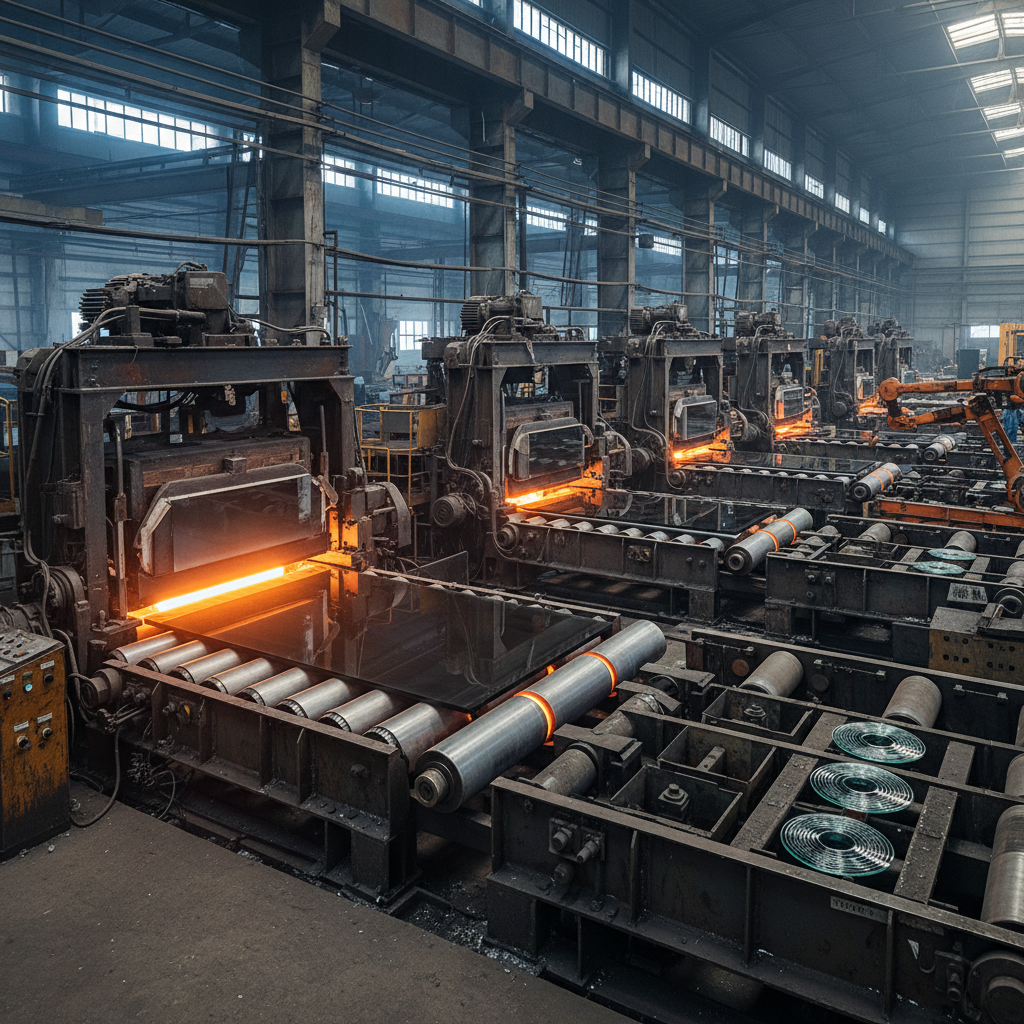
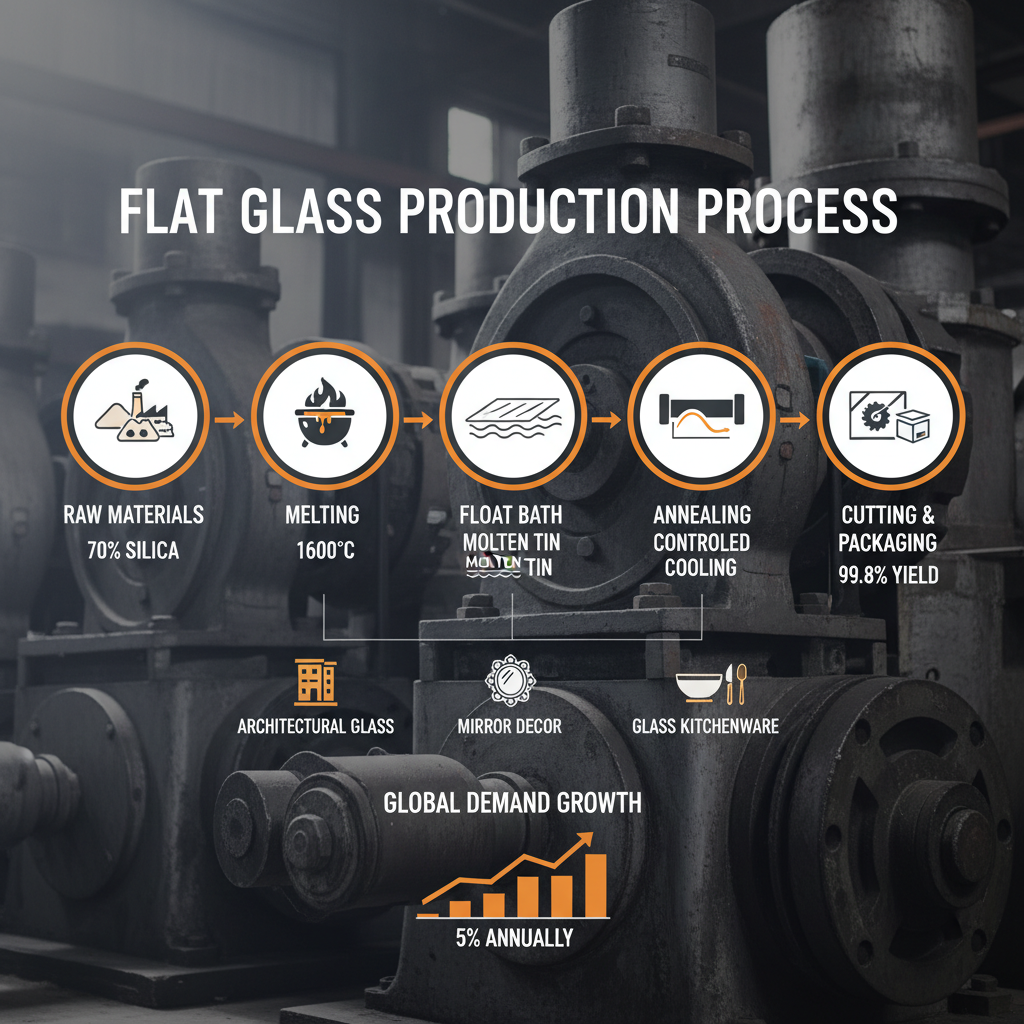
Exploring the Intricate Flat Glass Production Process and Industry Trends

Key Factors Influencing Flat Glass Quality

Exploring the Intricate Flat Glass Production Process and Industry Trends

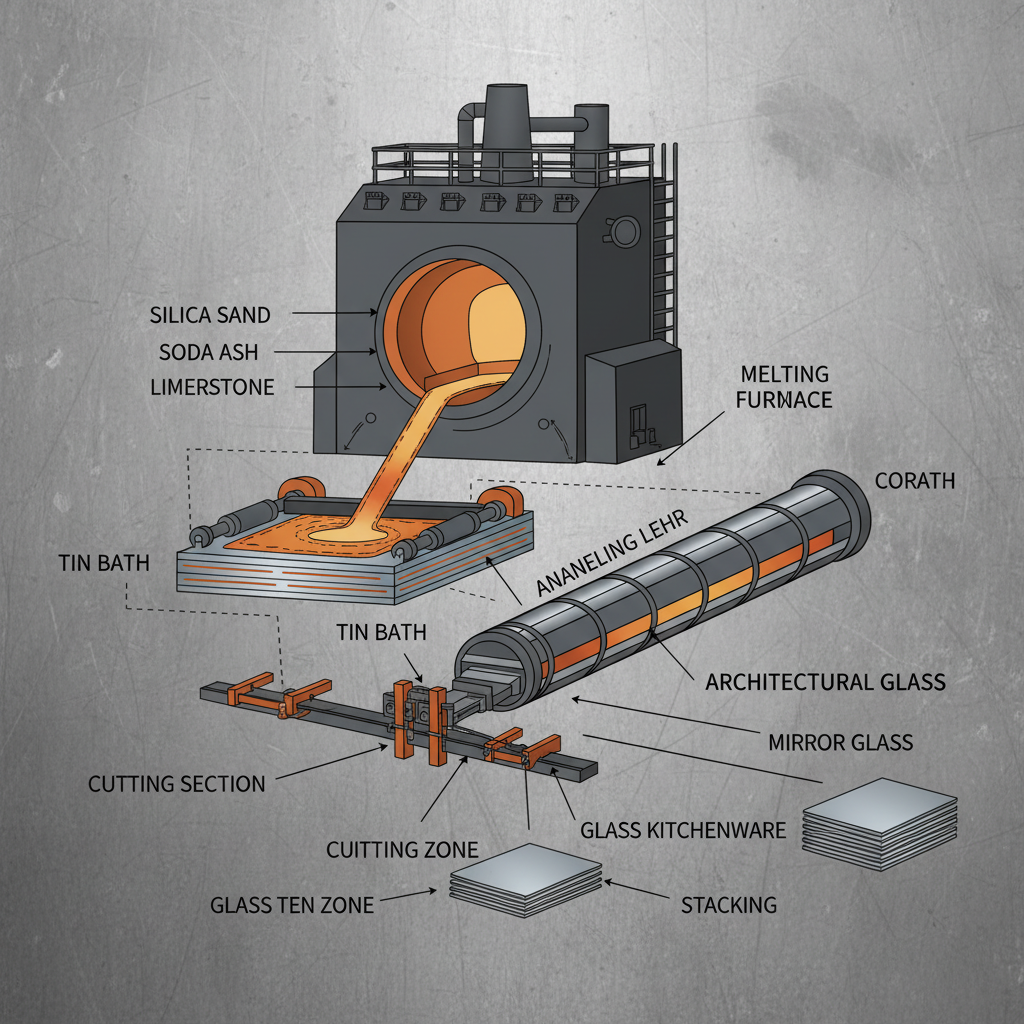
The quality of flat glass isn't just about fancy coatings; it's built in from the ground up. Raw material purity – that’s silica sand, soda ash, limestone – is huge. Impurities mean defects, reduced strength. I’ve seen entire batches rejected because of slight variations in sand composition. Then you’ve got the melt homogeneity. Getting a uniform melt temperature and consistent mixing is critical. Uneven heating creates stress points that can lead to breakage.

And it's not just what you melt, but how you cool it. Controlled annealing – slowly cooling the glass – minimizes internal stresses. Fast cooling? Cracked glass. Simple as that. We spend a lot of time calibrating the annealing lehr to get it just right. Finally, quality control throughout the entire flat glass production process is essential: automated inspection systems to catch flaws, careful handling to avoid scratches, and rigorous testing to meet industry standards.

Global Relevance and Standardization

The flat glass production process isn’t isolated to one region. It’s a truly global industry, with major manufacturing hubs in China, Europe, and North America. That means standardization is paramount. ISO standards, like ISO 9001 for quality management and ISO 14001 for environmental management, are widely adopted to ensure consistency and reliability. We're seeing increased pressure from international clients to demonstrate compliance with these standards.

Beyond ISO, regional standards also play a significant role. European Norms (EN) and American Society for Testing and Materials (ASTM) standards dictate things like glass thickness, strength, and safety requirements. Understanding these standards isn’t just about avoiding penalties; it’s about ensuring the safety and performance of buildings and vehicles. I've personally been involved in projects where glass had to be re-certified because it didn’t meet local regulations.

The World Bank and organizations like the UN promote sustainable building practices, which increasingly prioritize energy-efficient glass. This drives demand for advanced coatings and technologies in the flat glass production process, pushing manufacturers to invest in R&D and innovation.

The Core Stages of Production

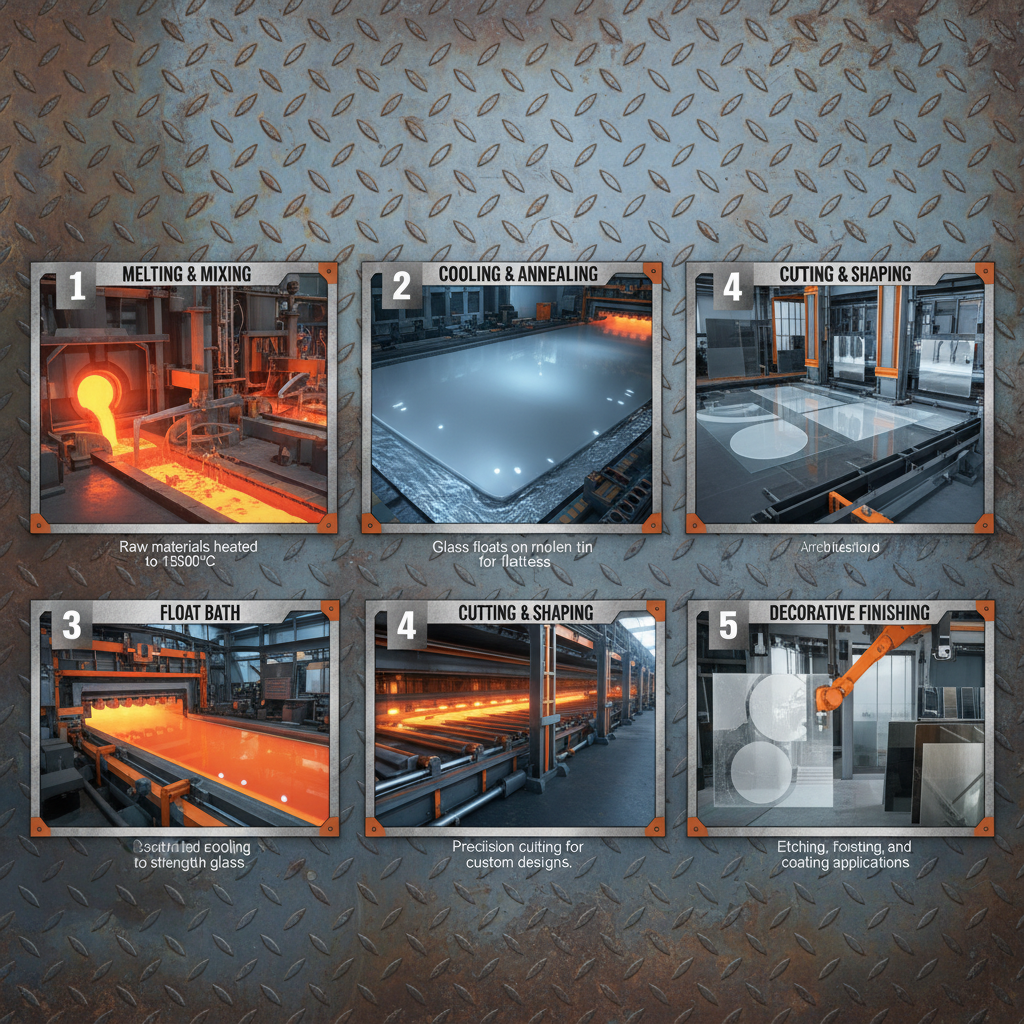
The flat glass production process, at its core, can be broken down into several key stages. It starts with batching – carefully weighing and mixing the raw materials. This is surprisingly precise; even small variations can affect the final product. Next comes melting, typically in a large furnace heated by natural gas or electricity. That's where the magic – and the intense heat – happens.

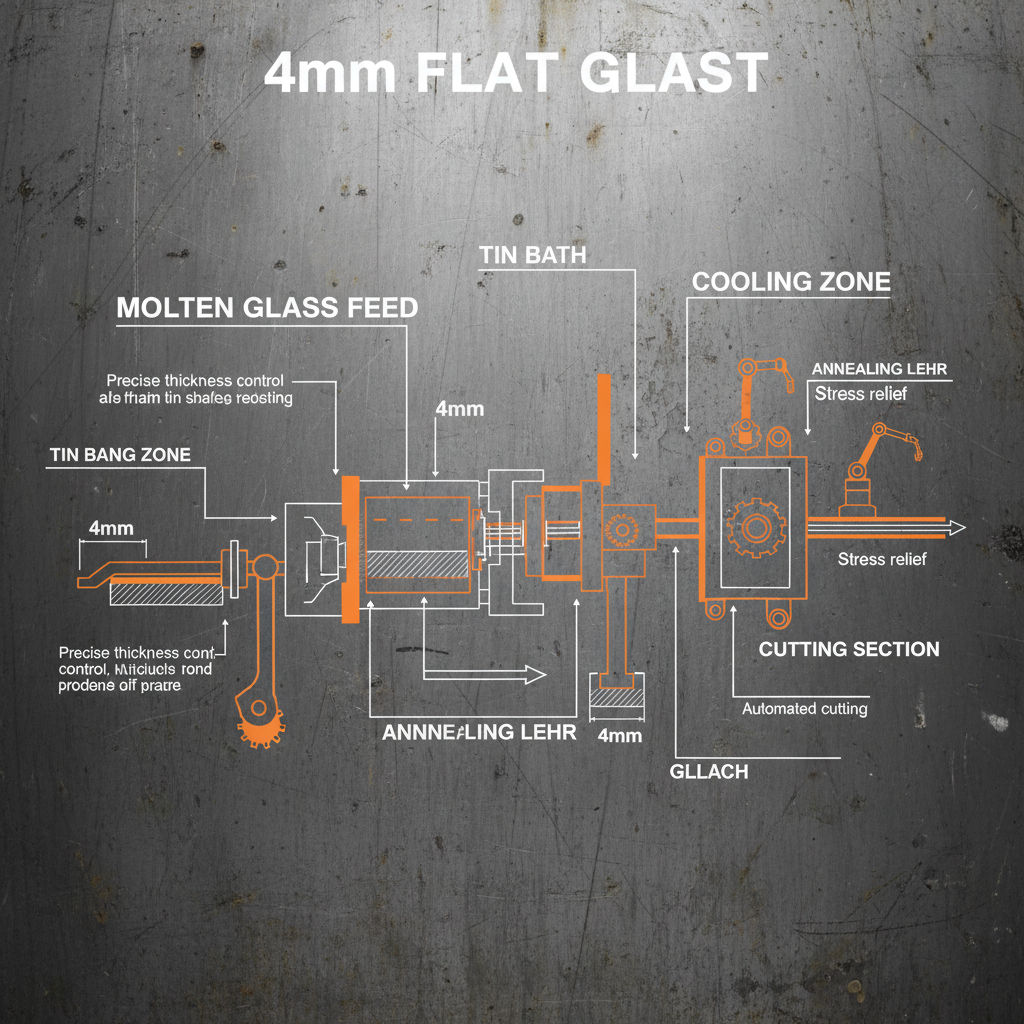
Following the melt, we have forming. The most common method today is the float process, invented by Pilkington. Molten glass is poured onto a bath of molten tin, creating a perfectly flat surface. It’s a clever bit of engineering, but managing the tin bath is a constant challenge – keeping it clean and at the right temperature. Then comes annealing, which we’ve already discussed, and finally, cutting and finishing – trimming the glass to size and applying coatings or treatments.

Each of these stages requires careful monitoring and control. We use sophisticated sensors and automation systems to track temperature, flow rates, and composition. Data analysis is huge these days; we’re constantly looking for ways to optimize the process and improve efficiency.

Operational Cost Analysis

Let's talk money. Running a flat glass production process isn’t cheap. Energy costs are a major factor, especially for the melting stage. Natural gas prices fluctuate wildly, impacting profitability. Raw material costs – silica sand, soda ash, limestone – also contribute significantly.

Labor costs are another consideration, although automation is increasingly reducing the need for manual labor. Maintenance and repair of the furnaces and other equipment are ongoing expenses. And then there’s waste management. Glass cullet (broken glass) can be recycled, but processing it adds to the overall cost.

Operational Cost Breakdown in Flat Glass Production


Global Applications and Industry Impact

Flat glass is everywhere. Construction is the biggest consumer, obviously. Windows, facades, interior partitions – it's all flat glass. But the automotive industry is a major player too, with windshields, side windows, and rear windows all relying on high-quality glass.

Beyond those, you have solar panels – specialized glass is used to protect the photovoltaic cells – and electronics, where glass is used in displays and touchscreens. In post-disaster relief operations, even temporary shelters often incorporate glass for windows and doors. You see it even in remote locations as greenhouses, boosting agricultural yields.

Sustainability and Environmental Considerations

The flat glass production process has a significant environmental footprint. The high energy consumption in the melting stage is a major concern. Manufacturers are increasingly exploring alternative energy sources, like electricity from renewable sources, to reduce their carbon emissions.

Recycling glass cullet is another key strategy. Using recycled glass reduces the need for raw materials and lowers energy consumption. However, the quality of cullet can vary, and it requires careful processing. There's also the issue of glass waste disposal. Landfilling glass is not ideal, so finding innovative ways to reuse or recycle it is crucial.

We’re seeing a growing demand for low-E (low-emissivity) coatings, which improve energy efficiency by reducing heat transfer. These coatings are becoming standard in many new buildings, helping to lower energy consumption and reduce carbon emissions.

Future Trends and Technological Advancements

The future of flat glass production process is all about automation, digitalization, and sustainability. We’re seeing the development of AI-powered control systems that can optimize the process in real-time, reducing energy consumption and improving quality. Digital twins – virtual replicas of the production line – are being used to simulate different scenarios and identify potential problems before they occur.

New glass compositions are also being developed. Self-cleaning glass, smart glass (that can change its transparency), and ultra-thin glass for flexible displays are all areas of active research. And there's a growing focus on closed-loop manufacturing, where waste is minimized and materials are reused whenever possible.

We're also seeing increased investment in electric melting furnaces, which can significantly reduce carbon emissions. These furnaces are still relatively expensive, but as technology improves and renewable energy becomes more affordable, they're likely to become more widespread.

Trends in Flat Glass Production Technology

Technology Category Implementation Level Cost Impact (1-10) Environmental Impact (1-10)
AI-Powered Process Control Pilot Projects 7 8
Digital Twin Simulation Early Adoption 6 7
Electric Melting Furnaces Limited Implementation 9 9
Advanced Coating Technologies Widespread Adoption 5 8
Automated Quality Inspection Mature Technology 4 6
Closed-Loop Recycling Systems Developing Stage 7 9

FAQS

What are the biggest challenges in maintaining consistent glass quality during mass production?

Maintaining consistent quality at scale is tough. It's not just one thing, it's a combination of factors - raw material variability, furnace temperature fluctuations, cooling rates, even ambient humidity can play a role. Automated inspection systems are crucial, but even those aren’t foolproof. Constant monitoring and adjustments are required, and a skilled team of operators is vital. We’ve seen entire production runs halted due to minor inconsistencies that wouldn’t be visible to the naked eye, but affect the glass’s structural integrity.

How does the choice of melting method (electric vs. gas) affect the final product’s properties?

The melting method can subtly influence the glass’s properties. Gas-fired furnaces tend to introduce more sulfur into the melt, which can affect the glass’s color and clarity. Electric furnaces, on the other hand, offer more precise temperature control and reduce the risk of contamination. The choice often depends on energy costs and environmental regulations, but increasingly, manufacturers are opting for electric furnaces to reduce their carbon footprint and improve product quality.

What is the role of cullet (recycled glass) in modern flat glass production?

Cullet is a huge deal. It lowers the melting temperature, reduces energy consumption, and decreases the demand for raw materials. However, the quality of cullet matters. Contaminated or mixed cullet can introduce defects into the final product. Sorting and cleaning cullet is essential, and there’s a lot of research going into developing more efficient cullet recycling technologies. It’s a key part of a more sustainable flat glass production process.

How are advanced coatings applied to flat glass, and what is their impact on energy efficiency?

Coatings are typically applied using a process called magnetron sputtering, where a thin film of coating material is deposited onto the glass surface in a vacuum chamber. These coatings can be designed to reflect infrared radiation (low-E coatings) or to control visible light transmission. The impact on energy efficiency is significant - low-E coatings can reduce heat transfer through windows by up to 50%, lowering heating and cooling costs and reducing carbon emissions.

What safety standards and certifications are critical in the flat glass industry?

Safety is paramount. Tempered glass is a must for applications where breakage could pose a hazard – like car windows and shower doors. Laminated glass, which consists of multiple layers bonded together with a plastic interlayer, is also widely used for security and safety. Certifications like those from IGCC (Insulating Glass Certification Council) and SGCC (Safety Glazing Certification Council) are essential to demonstrate compliance with industry standards.

What are the emerging trends in glass manufacturing regarding sustainability and reduced environmental impact?

The biggest trend is a move towards circular economy principles. This includes maximizing cullet usage, reducing energy consumption through electric melting, and developing closed-loop manufacturing systems. We’re also seeing a growing interest in bio-based materials and coatings. The ultimate goal is to create a flat glass production process that is not only efficient but also environmentally responsible and minimizes its impact on the planet.

Conclusion

Understanding the flat glass production process isn't just about knowing how glass is made; it’s about recognizing its critical role in modern infrastructure, sustainability, and technological innovation. From ensuring structural integrity and energy efficiency to reducing environmental impact, advancements in this field are shaping the built environment and beyond. The interplay of material science, engineering precision, and increasingly, digital technologies, makes this a dynamic and vital industry.

Looking ahead, continued investment in research and development is crucial. Focusing on automation, sustainable materials, and closed-loop manufacturing will drive the industry toward a more efficient and responsible future. For anyone involved in construction, architecture, automotive, or materials science, a deep understanding of the flat glass production process is no longer a luxury, but a necessity. Visit our website at www.shzrglass.com to learn more about our commitment to innovation and quality.

Kevin Garcia

Kevin Garcia

Kevin Garcia is the Logistics Coordinator at Shahe Zhuorui Glass Products Co., Ltd. Kevin manages the complex process of shipping glass products internationally, coordinating with carriers and ensuring efficient delivery to customers worldwide. He’s responsible for streamlining the logistics process, minimizing costs, and resolving any shipping challenges. Since joining the
Previous Exploring Innovative Float Glass Designs for Modern Architecture and Sustainability
Next Flat Float Glass Solutions
Copyright © 2026 All Rights Reserved. Sitemap | Privacy Policy | Top Blog