Float glass designs are everywhere – in the buildings we live and work in, the cars we drive, and the devices we use every day. But beyond simply being “glass,” the innovation in float glass design is constantly evolving. It’s about creating materials that are stronger, more energy-efficient, and more aesthetically pleasing. As someone who spends most of my year on construction sites, working with engineers, and actually handling these materials, I can tell you firsthand the impact that advancements in float glass designs have on project efficiency, safety, and ultimately, the quality of the final build. Understanding these designs isn't just about specs on a sheet; it's about practical applications and solving real-world problems.
The global demand for float glass is substantial and growing. According to the UN, urbanization continues at a rapid pace, requiring ever more robust and sustainable building materials. The World Bank highlights the importance of infrastructure development in emerging economies, driving demand for construction materials like float glass. However, this growth isn't without its challenges. We're seeing increased pressure to reduce the carbon footprint of glass production and improve energy efficiency in buildings. That’s where understanding the nuances of float glass designs – from low-E coatings to tempered glass – becomes absolutely critical. It’s not just about meeting building codes; it's about building a more sustainable future.
Simply put, float glass designs refer to the various manufacturing processes and modifications applied to flat (float) glass to enhance its properties and suitability for different applications. It's the core technology behind most of the glass you see in modern architecture and automotive industries. It’s a far cry from the hand-blown glass of centuries past and represents a significant leap in manufacturing precision and material science. It directly connects to modern industry needs, providing solutions for everything from thermal insulation in skyscrapers to impact resistance in vehicle windshields, and even crucial components in advanced technologies.
The Importance of Float Glass Designs
Let’s be clear: glass isn’t just glass. The way it’s made, the additives used, and the treatments applied dictate its performance. A poorly designed glass installation can lead to energy loss, structural weaknesses, and even safety hazards. As someone who’s been involved in numerous projects where glass failures have caused costly delays and rework, I can attest to the importance of getting these designs right from the start. It’s not a place to cut corners.
The advances in float glass designs are directly linked to advancements in construction technology and architectural innovation. We're seeing more complex building designs that demand high-performance glass solutions, like curved glass for facades and specialized coatings for solar control. The demand for larger glass panes with minimal framing is also driving innovation in glass strength and durability. It's a constant push to achieve more with less, and good float glass designs are at the heart of that.
Defining Float Glass Designs
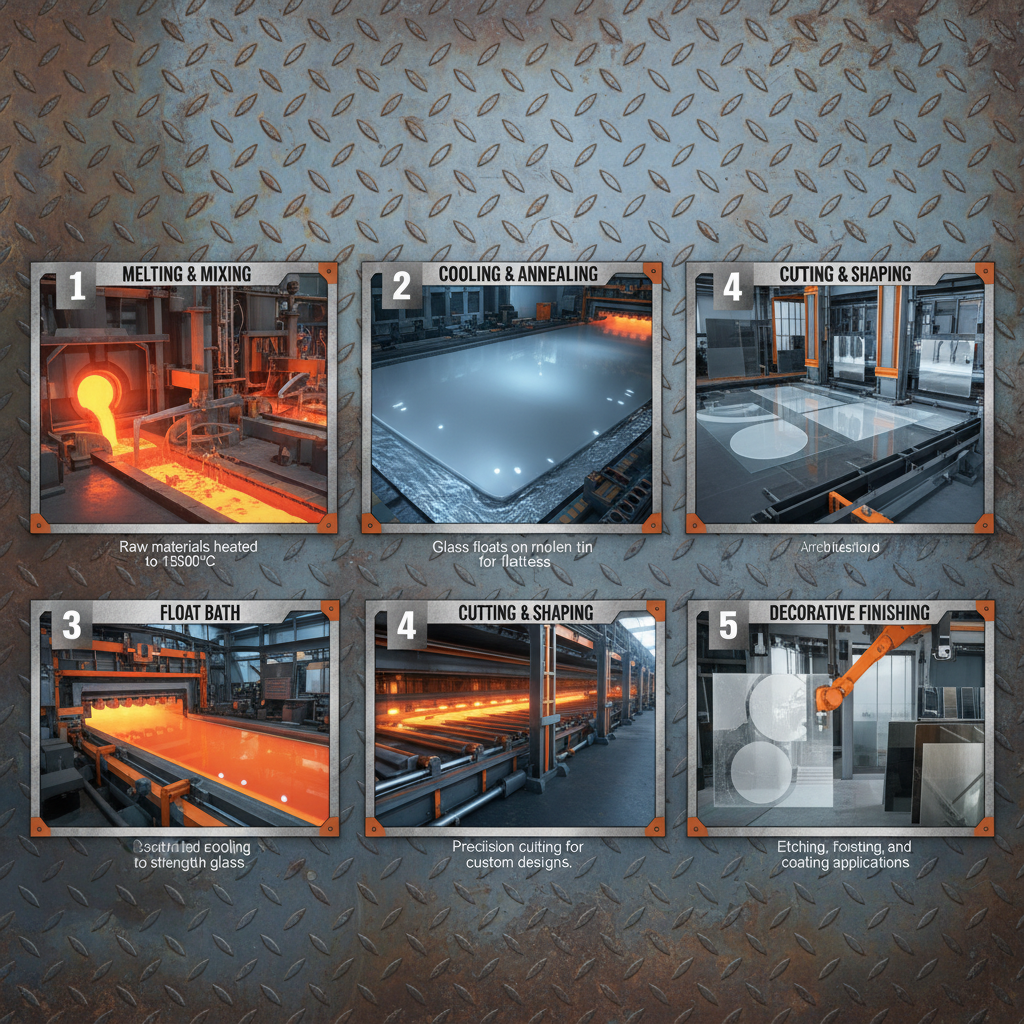
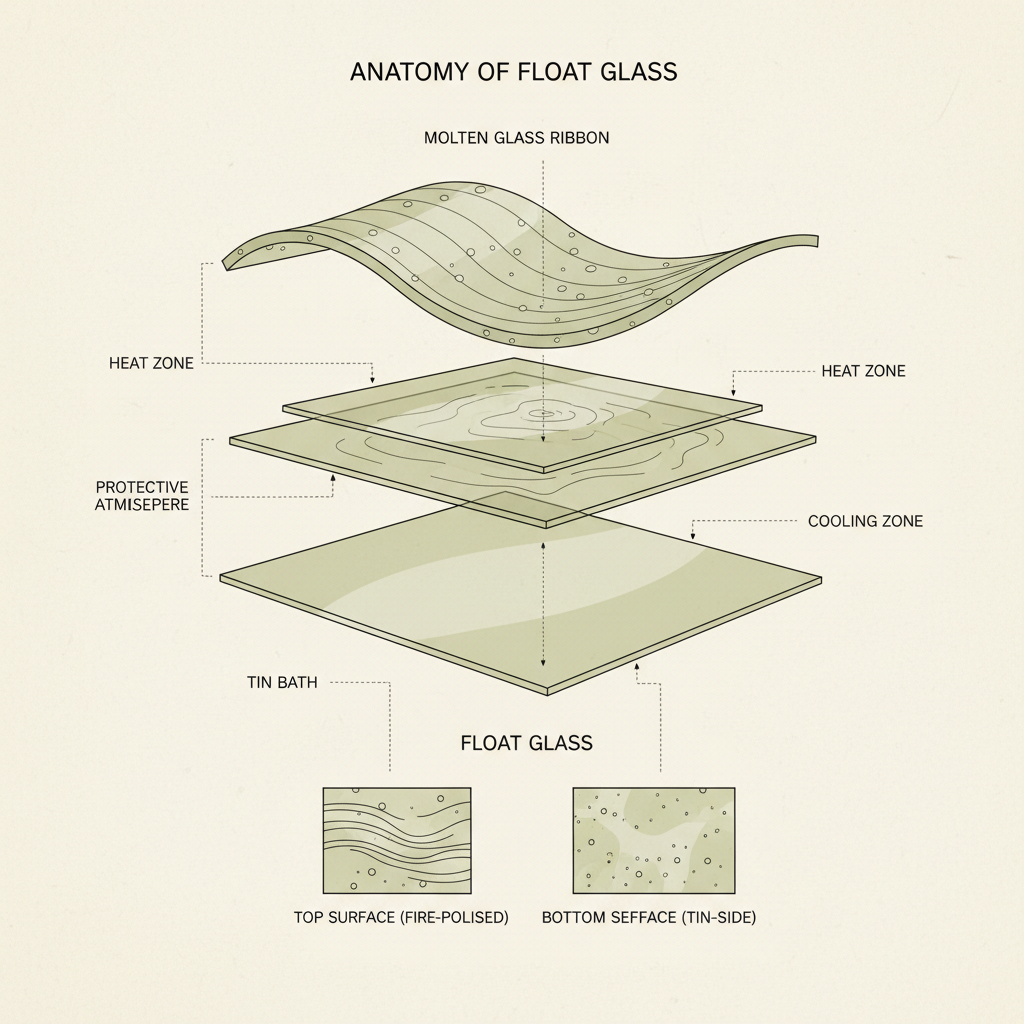
Float glass designs essentially boil down to manipulating the properties of float glass – that incredibly flat glass produced by floating molten glass on a bed of molten tin. This process creates a naturally smooth surface, but it's the after this process that truly defines the design. This includes things like tempering (heat-treating for strength), laminating (bonding layers together for safety and soundproofing), coating (adding layers for specific performance characteristics like solar control or low-E), and even etching or texturing for aesthetic effects. It's about tailoring the glass to a specific application.
The connection to modern industry is undeniable. Consider automotive windshields – they're laminated for safety, tempered for strength, and often have coatings to reduce glare and heat. Or think about high-rise buildings – they rely on low-E coated glass to minimize energy consumption for heating and cooling. Even everyday applications, like smartphone screens, utilize specialized glass designs for durability and clarity. This technology isn't just a luxury; it's a fundamental component of countless products and industries.
From a humanitarian perspective, robust and safe glass designs contribute to safer and more resilient structures, especially in disaster-prone regions. Properly designed glass can withstand extreme weather events and provide a protective barrier against intruders, enhancing the safety and security of communities. It’s about building structures that can withstand the test of time and protect the people within them.
Key Factors in Float Glass Design
Several key factors influence the effectiveness of float glass designs. First, there’s Strength & Durability. Tempered and laminated glass are crucial for impact resistance and safety, preventing shattering into dangerous shards. The choice depends on the application – a storefront needs different protection than a skylight. Secondly, Thermal Performance is critical. Low-E coatings minimize heat transfer, reducing energy costs and improving comfort. We're constantly looking at new coating technologies to maximize energy efficiency.
Thirdly, Optical Properties matter a lot. This encompasses everything from visible light transmittance (how much light comes through) to glare control and color neutrality. Architects care deeply about these factors, as they impact the aesthetics and functionality of a building. Fourth, Sound Insulation is often overlooked but incredibly important, especially in urban environments. Laminated glass with specialized interlayers can significantly reduce noise pollution. Finally, Cost-Effectiveness is always a consideration. Balancing performance with budget is a constant challenge, and we always look for solutions that deliver the best value.
All these factors are interconnected. Choosing the right combination of glass type, thickness, and treatments requires a thorough understanding of the specific project requirements and a bit of engineering know-how. That’s why it’s so important to work with experienced glass professionals.
Practical Applications of Float Glass Designs
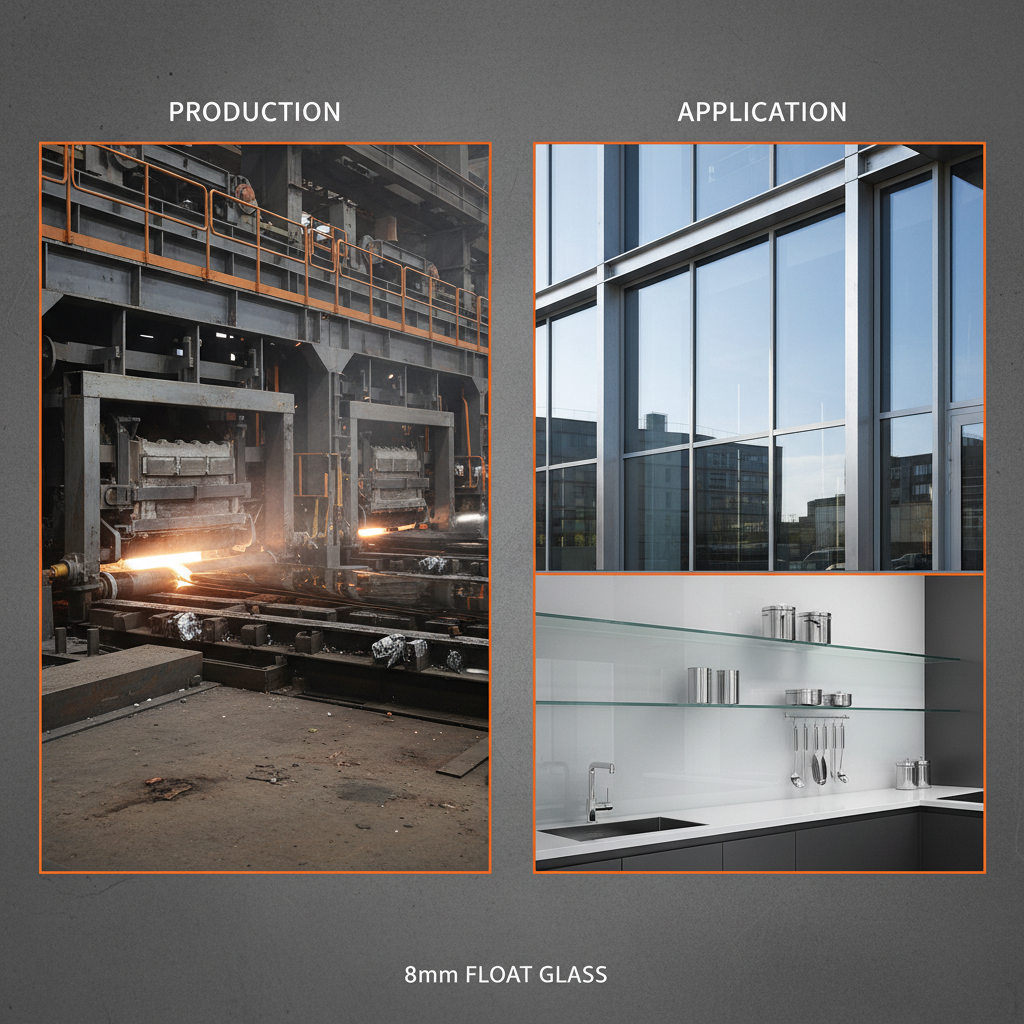
On a construction site, you see these designs in action daily. Think about the curtain walls of skyscrapers. They’re typically constructed using laminated, low-E coated glass, designed to withstand wind loads, provide thermal insulation, and maximize natural light. The glass in car windows is another example: laminated for safety and often with a tint to reduce glare. Even your kitchen backsplash – you're likely looking at tempered glass, resistant to heat and scratches.
I've seen firsthand how choosing the right glass can make or break a project. A recent project involved a high-end residential building with extensive glass facades. The initial glass specified lacked sufficient solar control, leading to overheating and uncomfortable living spaces. We had to redesign the glass system with a more effective low-E coating, which added cost but ultimately saved the client money on energy bills and improved the quality of life for the residents.
These designs are also critical in specialized applications. Hospitals utilize antimicrobial glass to prevent the spread of infection, while museums employ UV-filtering glass to protect valuable artwork. The possibilities are endless, and the innovation continues to push the boundaries of what’s possible with glass.
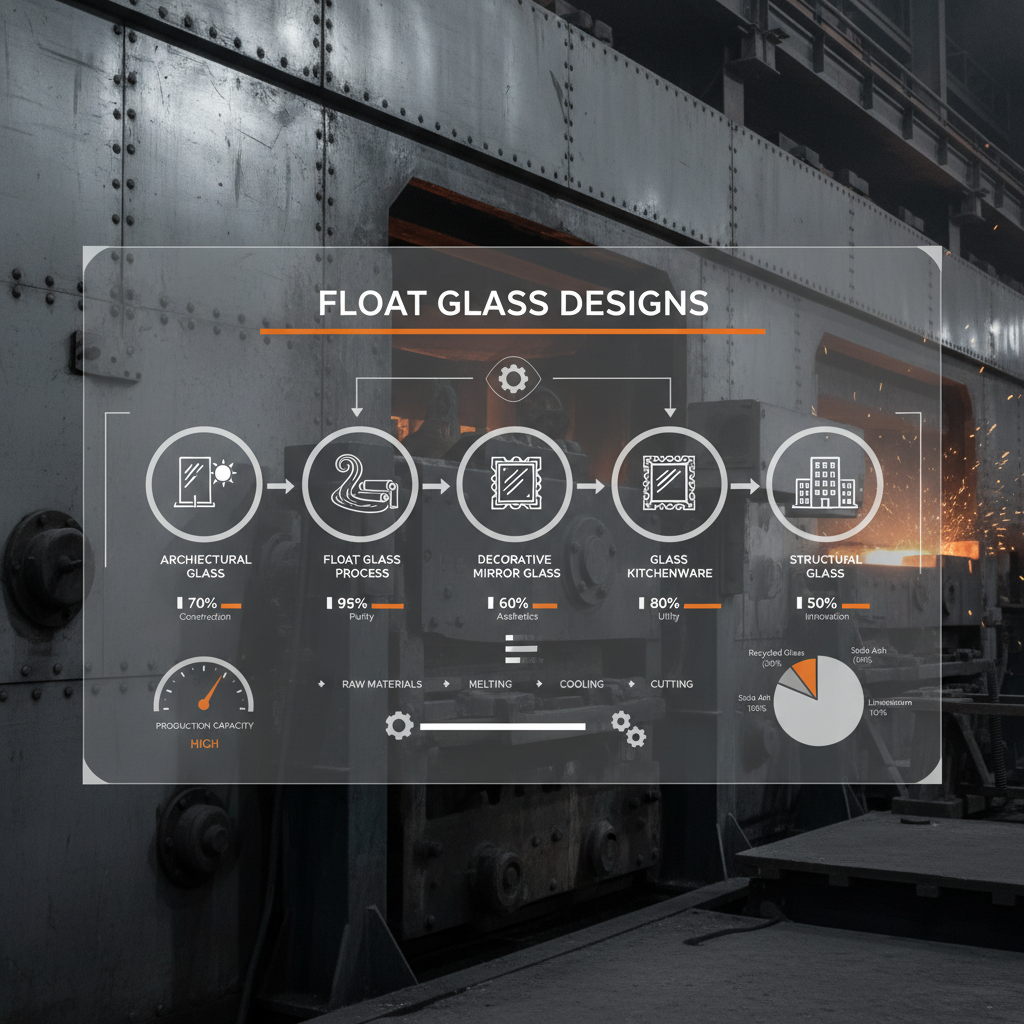
Float Glass Designs Performance Comparison
Global Applications & Use Cases
We see these float glass designs being applied globally, adapted to different climates and building codes. In hot, sunny regions like the Middle East, high-performance low-E coatings and reflective glass are essential for minimizing solar heat gain. In colder climates like Scandinavia, maximizing solar gain with specialized glass types can reduce heating costs. In hurricane-prone areas, laminated and impact-resistant glass are crucial for protecting buildings from wind damage.
In post-disaster relief operations, rapidly deployable shelters often incorporate tempered glass for safety and durability. Even in remote industrial zones, where access to materials is limited, the strength and longevity of well-designed float glass can be a significant advantage. Manufacturers in Europe are leading the way in sustainable glass production, with a focus on using recycled materials and reducing carbon emissions.
The automotive industry is also a major driver of innovation, demanding lighter, stronger, and more energy-efficient glass for vehicles. Electric vehicles, in particular, are pushing the boundaries of glass design, as manufacturers seek to improve aerodynamics and reduce weight. It’s a truly global effort, with each region and industry contributing to the ongoing evolution of float glass designs.
Advantages and Long-Term Value
The benefits of investing in quality float glass designs are tangible. From a cost perspective, reduced energy consumption translates to lower operating costs over the lifespan of a building. The sustainability aspect is increasingly important, as building owners and tenants demand environmentally friendly materials. A well-designed glass system can significantly reduce a building's carbon footprint.
But the value extends beyond the purely economic. Improved safety and security provide peace of mind for building occupants. Enhanced aesthetics create a more pleasant and productive environment. And the durability of high-quality glass minimizes maintenance and replacement costs. It’s an investment that pays off in the long run, both financially and in terms of quality of life. The reliability of these designs truly is paramount.
Future Trends and Innovations
The future of float glass designs is incredibly exciting. We’re seeing the development of self-cleaning glass, dynamic glass that can adjust its transparency based on sunlight, and even glass that can generate electricity. The integration of smart technology, such as sensors and displays, is also on the horizon. The drive towards greater sustainability is leading to increased use of recycled glass and the development of low-carbon production processes.
Digital transformation is also playing a role, with advanced modeling and simulation tools allowing engineers to optimize glass designs for specific applications. Automation in glass manufacturing is improving efficiency and reducing costs. And the growing emphasis on circular economy principles is encouraging the development of glass recycling technologies.
One particularly promising area is the development of electrochromic glass, which can darken or lighten on demand, reducing glare and heat gain. This technology has the potential to revolutionize building design, allowing for greater control over indoor environments and reduced energy consumption. We’re also seeing advancements in glass coatings that can filter air pollutants, improving indoor air quality.
FAQS
Low-E coatings are the primary method for enhancing thermal insulation in float glass. These coatings reflect infrared radiation, reducing heat transfer. Double or triple-pane glass with argon or krypton gas fills further improves insulation by creating a barrier against convection. The specific coating type and gas fill should be chosen based on the climate and building requirements. Proper installation is also crucial to prevent air leaks and maximize performance.
Tempered glass is heat-treated to make it much stronger than annealed glass. When it breaks, it shatters into small, relatively harmless pieces. Laminated glass, on the other hand, consists of two or more layers of glass bonded together with a plastic interlayer. When laminated glass breaks, the interlayer holds the pieces together, preventing them from scattering. Both offer safety benefits, but laminated glass provides greater protection against impact and intrusion.
With proper installation and maintenance, a float glass installation can last for decades, often 50 years or more. The lifespan depends on factors such as the glass type, exposure to the elements, and the quality of the installation. Regular cleaning and inspections can help identify and address potential issues before they become major problems. Protecting the glass from excessive stress and impacts is also important.
Yes, several environmentally friendly alternatives are emerging. Using recycled glass content in production significantly reduces the environmental impact. Low-carbon glass manufacturing processes, utilizing renewable energy sources, are also gaining traction. Furthermore, optimizing glass designs for energy efficiency minimizes a building's overall carbon footprint. Choosing locally sourced glass reduces transportation emissions.
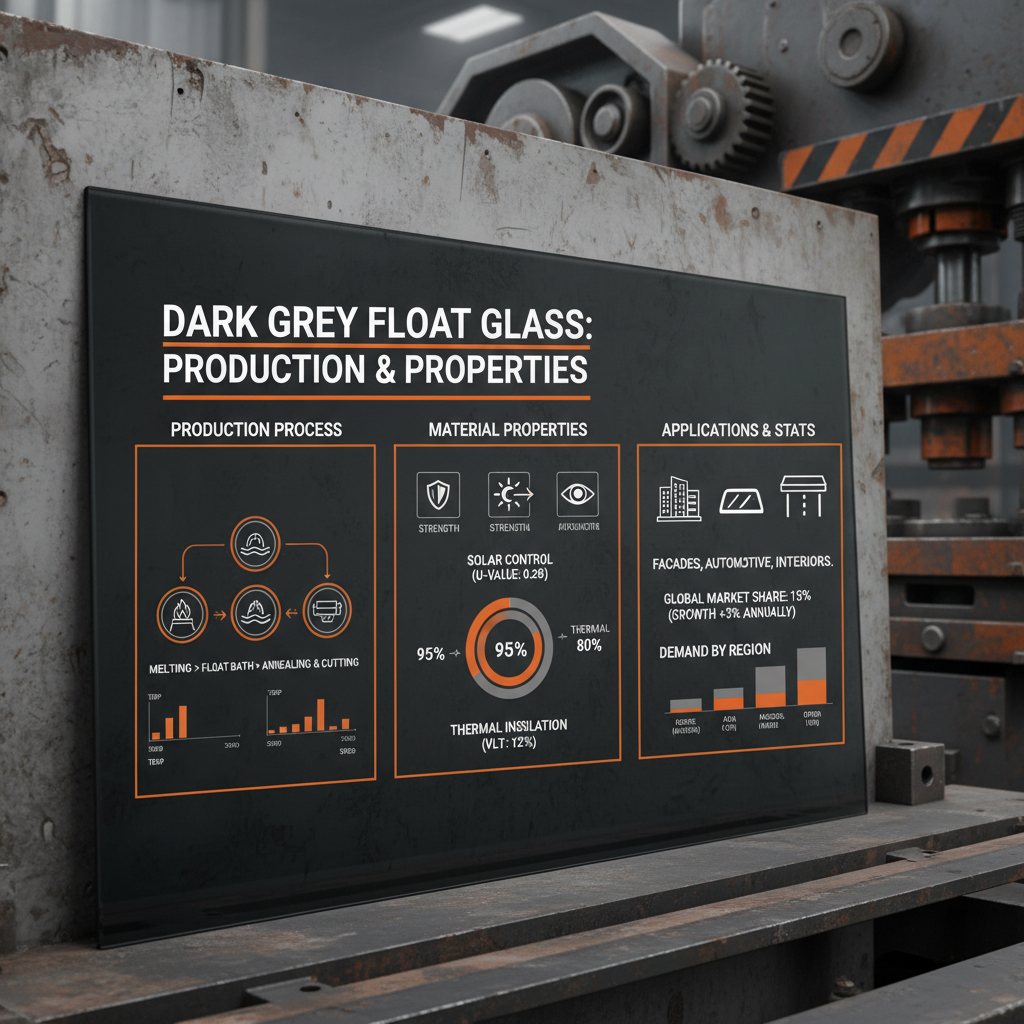
Glass coatings play a crucial role in controlling light transmission and glare. Low-E coatings reduce the amount of infrared radiation entering a building while allowing visible light to pass through. Reflective coatings reduce both visible light and heat gain. Tinted glass reduces glare by absorbing some of the sunlight. The specific coating chosen should be tailored to the building's orientation, climate, and desired level of daylighting.
The cost of float glass designs varies widely depending on several factors. Glass type (tempered, laminated, etc.), coating type, thickness, size, and any special treatments all contribute to the overall cost. Complex shapes and custom designs also increase the price. Labor costs for installation and the location of the project also play a role. Getting multiple quotes from different suppliers is essential to ensure competitive pricing.
Conclusion
In conclusion, float glass designs are far more than just a material choice; they're a critical component of modern construction, influencing everything from energy efficiency and safety to aesthetics and sustainability. The ongoing innovations in this field are pushing the boundaries of what’s possible, allowing us to build structures that are more resilient, more comfortable, and more environmentally responsible. It's about more than just meeting codes – it’s about creating better buildings and a better future.
Looking ahead, continued investment in research and development, coupled with a commitment to sustainable practices, will be essential to unlock the full potential of float glass designs. I encourage architects, engineers, and building owners to prioritize quality glass solutions and work with experienced professionals to ensure optimal performance and long-term value. Visit our website at float glass designs to learn more about our innovative products and services.