
0%

Table of Contents

4mm float glass is a versatile and widely utilized material in modern construction and various industrial applications. Its consistent quality, dimensional accuracy, and smooth surface make it an ideal choice for a multitude of purposes, ranging from windows and mirrors to automotive windshields and solar panels. As global construction booms and renewable energy sectors expand, the demand for high-quality 4mm float glass continues to rise, cementing its position as a cornerstone material in numerous industries worldwide.

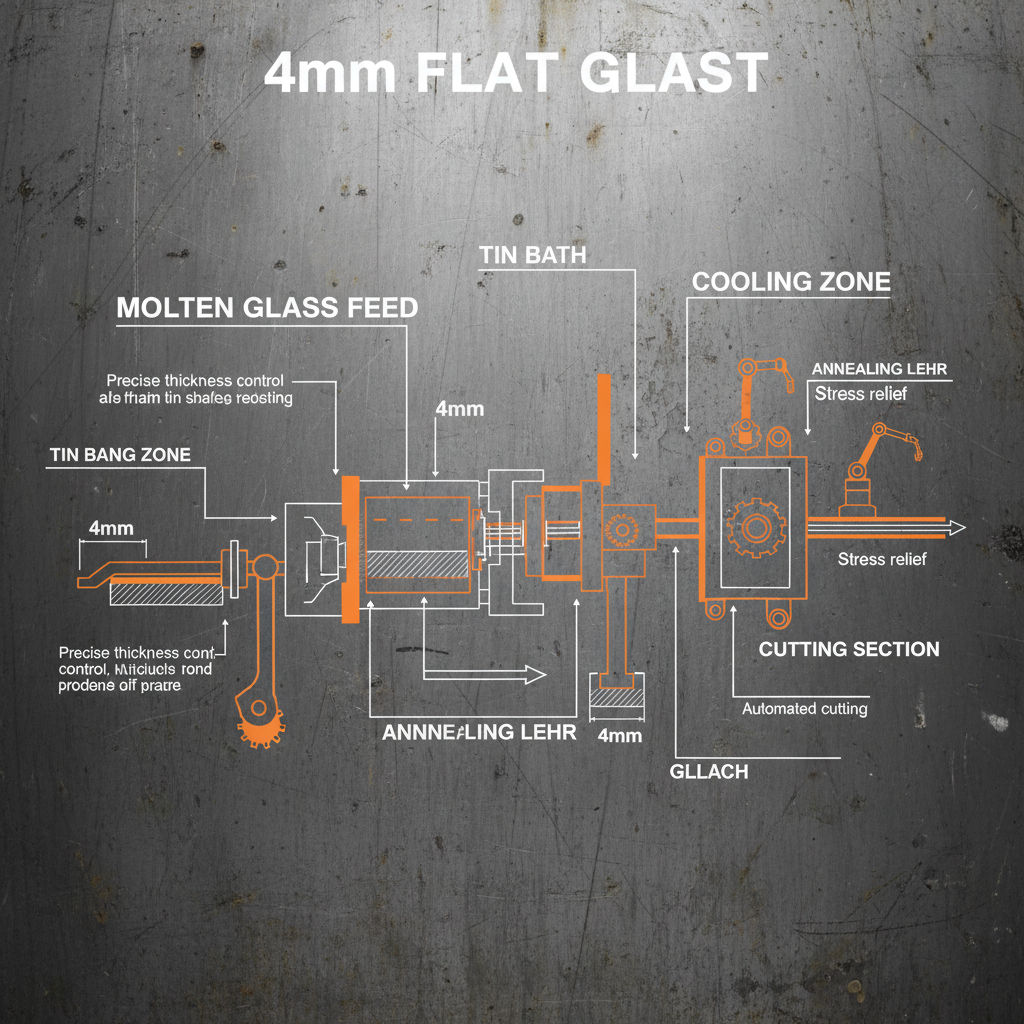
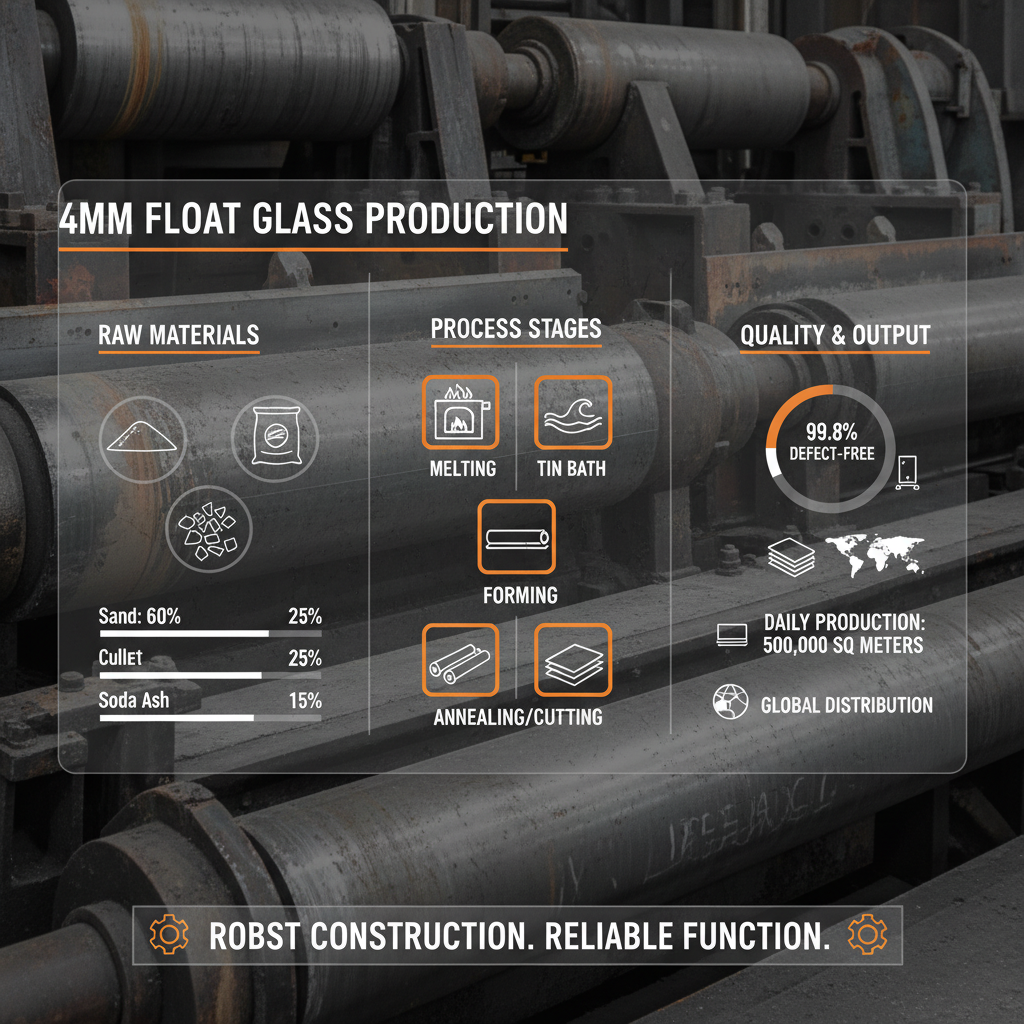
The production of 4mm float glass is a carefully controlled process that ensures consistent quality and minimal defects. This process involves melting a precise mixture of silica, soda ash, and limestone to create molten glass, which is then floated on a bed of molten tin. This unique process allows the glass to self-level, resulting in a perfectly flat surface. This exceptional flatness, combined with its clarity and strength, makes 4mm float glass a preferred material for applications where optical quality and structural integrity are paramount.

Understanding the properties and applications of 4mm float glass is crucial for architects, engineers, manufacturers, and anyone involved in the built environment. Its cost-effectiveness, ease of fabrication, and ability to be further processed – through techniques like tempering, laminating, and coating – contribute to its widespread adoption and continued relevance in a constantly evolving world.
Exploring the Versatility and Applications of 4mm Float Glass

The Significance of 4mm Float Glass

Exploring the Versatility and Applications of 4mm Float Glass

4mm float glass plays a critical role in countless industries, serving as a fundamental building block for modern infrastructure and consumer products. Its lightweight nature, combined with its strength and clarity, makes it a superior alternative to traditional materials in many applications. From enhancing energy efficiency in buildings to enabling advanced display technologies, the impact of 4mm float glass is far-reaching and continuously evolving.

The global market for float glass is substantial, with a continually increasing demand driven by urbanization, infrastructure development, and the growing need for sustainable building materials. 4mm float glass specifically offers a balance between cost-effectiveness and performance, making it a preferred choice for a wide range of projects. The ability to customize 4mm float glass through various treatments further expands its applicability and makes it an invaluable resource for numerous industries.

Defining 4mm Float Glass

4mm float glass refers to a type of glass manufactured using the float process, where molten glass is floated on a bed of molten tin to achieve a perfectly flat surface. The “4mm” designates its thickness, representing a common and versatile dimension for a variety of applications. Unlike traditional glassmaking methods, the float process eliminates the need for grinding and polishing, resulting in a consistently smooth and uniform product.

This manufacturing technique is essential to the widespread use of glass in modern construction. It's not simply about creating a flat surface; the float process also minimizes distortions and imperfections, yielding a glass with exceptional clarity and optical properties. This makes 4mm float glass ideal for windows, mirrors, and any application requiring a clear and undistorted view.

The connection to modern industry is undeniable. 4mm float glass is a foundational component in sectors like automotive, architecture, and renewable energy, providing crucial elements for safety, functionality, and sustainability. Its adaptability and relatively low cost contribute to its pivotal role in driving innovation and progress across various fields.

Core Characteristics of 4mm Float Glass

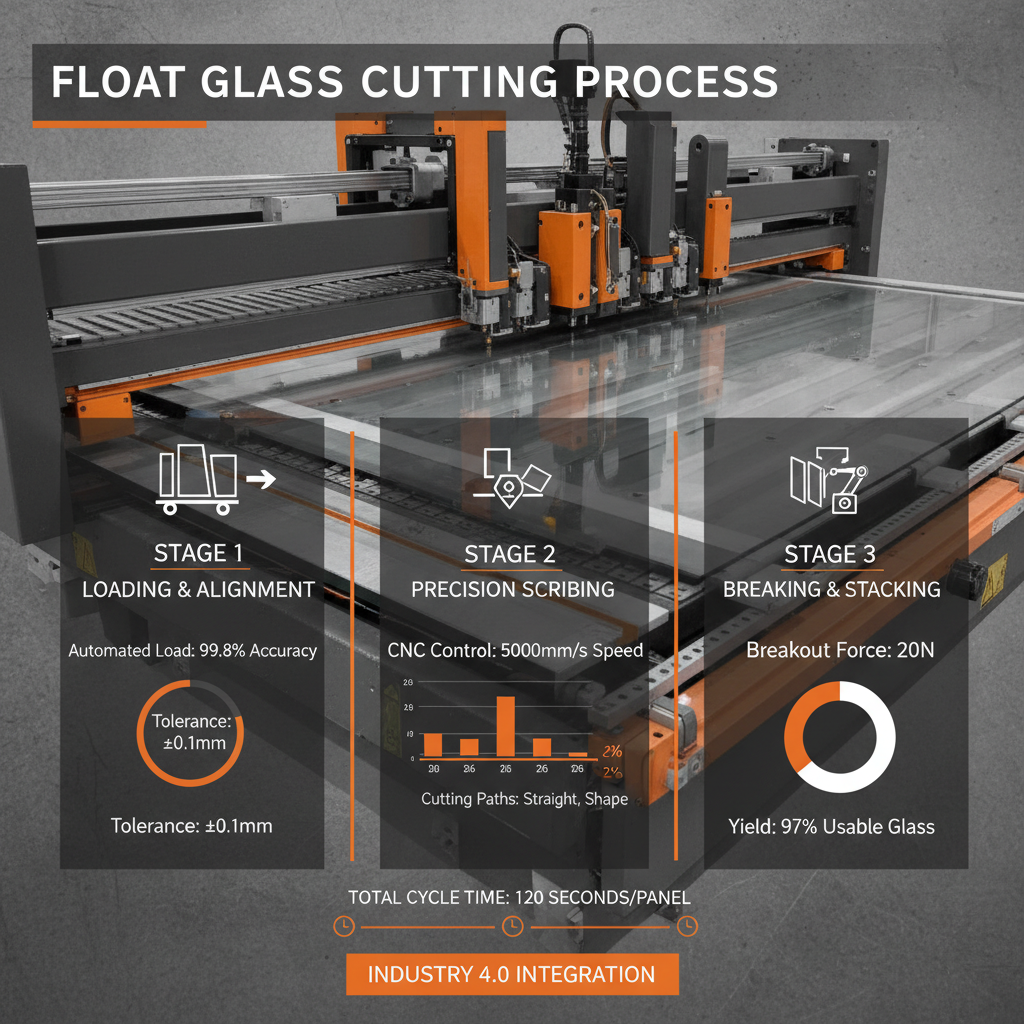
One of the most defining characteristics of 4mm float glass is its exceptional flatness. The float process guarantees a remarkably even surface, crucial for applications demanding minimal distortion, such as architectural glazing and display screens. This flatness also facilitates easier cutting, shaping, and installation, contributing to reduced fabrication costs.

Another key characteristic is its high optical clarity. The composition and manufacturing process ensure minimal imperfections, allowing for maximum light transmission and a clear, undistorted view. This property is particularly important in applications where visibility is critical, such as windows, skylights, and automotive glass. It also allows for easy coating applications.

4mm float glass exhibits good thermal stability, meaning it can withstand temperature fluctuations without significant expansion or contraction. While not as robust as tempered glass, it offers adequate resistance to thermal stress in many standard applications. Its relatively light weight compared to thicker glass options makes it easier to handle and install, reducing labor costs.

Key Performance Metrics of 4mm Float Glass

Assessing the performance of 4mm float glass requires understanding several key metrics. These include its tensile strength, which determines its resistance to breaking under stress; its thermal resistance, indicating its ability to withstand temperature changes; and its light transmittance, measuring the amount of light that passes through the glass.

These metrics are vital for selecting the appropriate glass type for specific applications. For instance, a building facade will prioritize high light transmittance and thermal resistance, while an automotive windshield will emphasize tensile strength and impact resistance. Therefore, understanding the performance characteristics of 4mm float glass is crucial for ensuring optimal safety, functionality, and efficiency.

Performance Comparison of 4mm Float Glass Manufacturing Methods


Global Applications of 4mm Float Glass

4mm float glass finds extensive use in the construction industry, serving as a primary glazing material for residential and commercial buildings. Its clarity and flatness contribute to aesthetically pleasing facades, while its thermal properties enhance energy efficiency. In regions with stringent building codes, like those in the European Union, 4mm float glass often forms part of double or triple-glazed units to meet insulation requirements.

The automotive industry also relies heavily on 4mm float glass, utilizing it for windshields, side windows, and rear windows. The glass is often tempered or laminated to enhance its safety characteristics, providing protection to vehicle occupants in the event of an accident. Demand is particularly high in automotive manufacturing hubs like China, Germany, and the United States.

Long-Term Value and Benefits of 4mm Float Glass

Investing in 4mm float glass provides a multitude of long-term benefits, extending beyond its initial cost-effectiveness. Its durability and resistance to weathering ensure a prolonged lifespan, reducing the need for frequent replacements. This contributes to lower lifecycle costs and minimizes environmental impact associated with material disposal.

Furthermore, the inherent energy efficiency of 4mm float glass translates to reduced heating and cooling costs for building owners, contributing to significant savings over time. Its ability to be readily customized and integrated with other materials enhances design flexibility and allows for innovative architectural solutions. The peace of mind provided by its safety features and reliable performance adds intangible value, fostering trust and confidence.

Future Trends in 4mm Float Glass Technology

The future of 4mm float glass is intertwined with advancements in materials science and sustainable manufacturing practices. Research is ongoing to develop thinner, lighter, and more energy-efficient glass compositions, potentially reducing the overall weight of glazing systems and minimizing environmental impact. The incorporation of smart coatings that regulate heat gain and glare is another promising trend.

Digitalization and automation are also playing an increasing role in glass manufacturing, enabling greater precision, quality control, and customization. The integration of sensors and data analytics can optimize production processes, reduce waste, and enhance supply chain efficiency. These innovations will drive the evolution of 4mm float glass and solidify its position as a vital material for a sustainable future.

The push for greater sustainability is also leading to increased recycling rates of glass, reducing reliance on virgin materials and minimizing landfill waste. Furthermore, the development of low-carbon glass manufacturing processes is gaining momentum, aiming to significantly reduce the carbon footprint of the industry.

FAQS

What are the primary applications of 4mm float glass in residential construction?

4mm float glass is commonly used for windows, interior partitions, shower doors, and mirror applications in residential construction. Its clarity, flatness, and ease of cutting and shaping make it ideal for these purposes. It's often used as a base material that is then tempered, laminated, or coated for increased safety and performance. The relatively light weight reduces structural load on buildings, and the transparency maximizes natural light penetration, enhancing the aesthetic appeal and reducing energy costs.

How does 4mm float glass compare to other glass thicknesses in terms of cost and performance?

4mm float glass is generally one of the more cost-effective options available, making it a popular choice for applications where extreme strength or impact resistance isn't a primary concern. Thicker glass, such as 6mm or 10mm, offers greater durability but comes at a higher price point. While 4mm glass is suitable for many standard glazing applications, it may not meet building codes for large, unsupported windows or areas prone to high winds. The performance gap often justifies the cost increase for thicker glass in such scenarios.

Can 4mm float glass be tempered or laminated to enhance its safety features?

Yes, 4mm float glass can absolutely be tempered or laminated to significantly enhance its safety characteristics. Tempering involves heating the glass and then rapidly cooling it, resulting in increased strength and a characteristic fracture pattern that breaks into small, relatively harmless pieces. Lamination involves bonding two or more layers of glass together with an interlayer, preventing shattering and holding the glass together even when broken. Both treatments are commonly used to meet safety standards in applications like doors, windows, and balustrades.

What are the typical lead times for ordering custom-cut 4mm float glass?

Typical lead times for custom-cut 4mm float glass can vary depending on the complexity of the order, the quantity required, and the supplier’s current workload. Generally, standard cuts with quick turnaround times can be fulfilled within 3-5 business days. More complex shapes, large orders, or requests for additional processing (tempering, lamination, coating) may require 1-2 weeks or longer. It’s always best to check with your supplier for an accurate estimate.

What are the common defects to look for when inspecting a shipment of 4mm float glass?

Common defects to inspect for include scratches, chips, bubbles, distortions, and edge imperfections. Scratches and chips can compromise the structural integrity and appearance of the glass. Bubbles and distortions affect clarity and optical quality. Edge imperfections can pose a safety hazard. Carefully inspect each sheet for these defects before accepting the shipment and promptly report any issues to the supplier.

How should 4mm float glass be stored to prevent damage during handling and storage?

4mm float glass should be stored in a dry, level, and covered area, protected from direct sunlight, rain, and extreme temperature fluctuations. Sheets should be racked vertically on non-abrasive supports with adequate spacing to prevent contact and breakage. Avoid stacking glass flat on the ground or directly on top of each other. Proper handling techniques, such as using suction cups, are crucial to prevent scratches and chips.

Conclusion

In conclusion, 4mm float glass remains an indispensable material across numerous industries, offering a unique combination of affordability, versatility, and performance. Its consistent quality, ease of fabrication, and adaptability to various treatments solidify its position as a cornerstone building block for modern construction, automotive manufacturing, and renewable energy applications. Understanding its properties and applications is crucial for optimizing designs, enhancing safety, and promoting sustainability.

Looking ahead, continued innovation in glass manufacturing techniques, coupled with a growing emphasis on sustainable practices, will further enhance the value and relevance of 4mm float glass. Investing in research and development to create thinner, lighter, and more energy-efficient glass compositions will drive its adoption in a wider range of applications and contribute to a more sustainable future. For all your 4mm float glass needs, visit our website at www.shzrglass.com.

David Miller

David Miller

David Miller is the Senior Production Manager at Shahe Zhuorui Glass Products Co., Ltd. With over 15 years of experience in glass manufacturing, David oversees all aspects of the production process, ensuring adherence to stringent quality control measures like CE and ISO certifications. He’s instrumental in optimizing production efficiency and
Previous High Quality 4mm Float Glass Cut to Size for Diverse Applications
Next Understanding 4mm Clear Float Glass Price Trends and Global Market Dynamics
Copyright © 2026 All Rights Reserved. Sitemap | Privacy Policy | Top Blog