4mm float glass cut to size is a versatile building material increasingly crucial in modern construction and various industrial applications globally. Its lightweight nature, combined with excellent transparency and durability, makes it a preferred choice for numerous projects, from residential windows and shower screens to intricate architectural designs and specialized scientific equipment. Understanding the nuances of this specific glass thickness and its cutting precision is paramount for achieving optimal performance and safety in any application.
The demand for 4mm float glass cut to size is driven by a global trend towards lightweight construction materials, energy efficiency, and aesthetic appeal. Countries undergoing rapid urbanization and infrastructure development, such as those in Southeast Asia and Africa, are experiencing substantial growth in demand. According to data from the World Glass Association, the float glass market is projected to reach \$180 billion by 2028, with cut-to-size glass representing a significant portion of this growth.
The increasing adoption of this specific glass dimension addresses challenges related to weight limitations in construction, reduces material waste through precise cutting, and allows for customized solutions tailored to specific project requirements. This makes it particularly valuable in areas with logistical constraints or where design flexibility is essential.
Introduction to 4mm Float Glass Cut to Size
4mm float glass cut to size refers to flat glass manufactured using the float process, precisely cut to specified dimensions. The float glass manufacturing process creates a perfectly smooth and uniform surface, free from distortions, making it ideal for various applications demanding clarity and precision. The 'cut to size' aspect signifies that the glass is tailored to meet specific customer requirements, minimizing waste and ensuring a perfect fit.
This specialized glass caters to modern industry's demand for customization and efficiency. From small-scale DIY projects to large-scale commercial installations, 4mm float glass cut to size offers a practical and cost-effective solution. It directly addresses the need for readily available, precisely dimensioned glass components, streamlining construction and fabrication processes.
Defining 4mm Float Glass Cut to Size
At its core, 4mm float glass cut to size is manufactured by floating molten glass on a bed of molten tin. This process eliminates the need for grinding and polishing, resulting in a glass sheet with perfectly flat surfaces and uniform thickness. The 4mm dimension represents the glass’s thickness, a common specification for applications requiring a balance between strength, weight, and transparency.
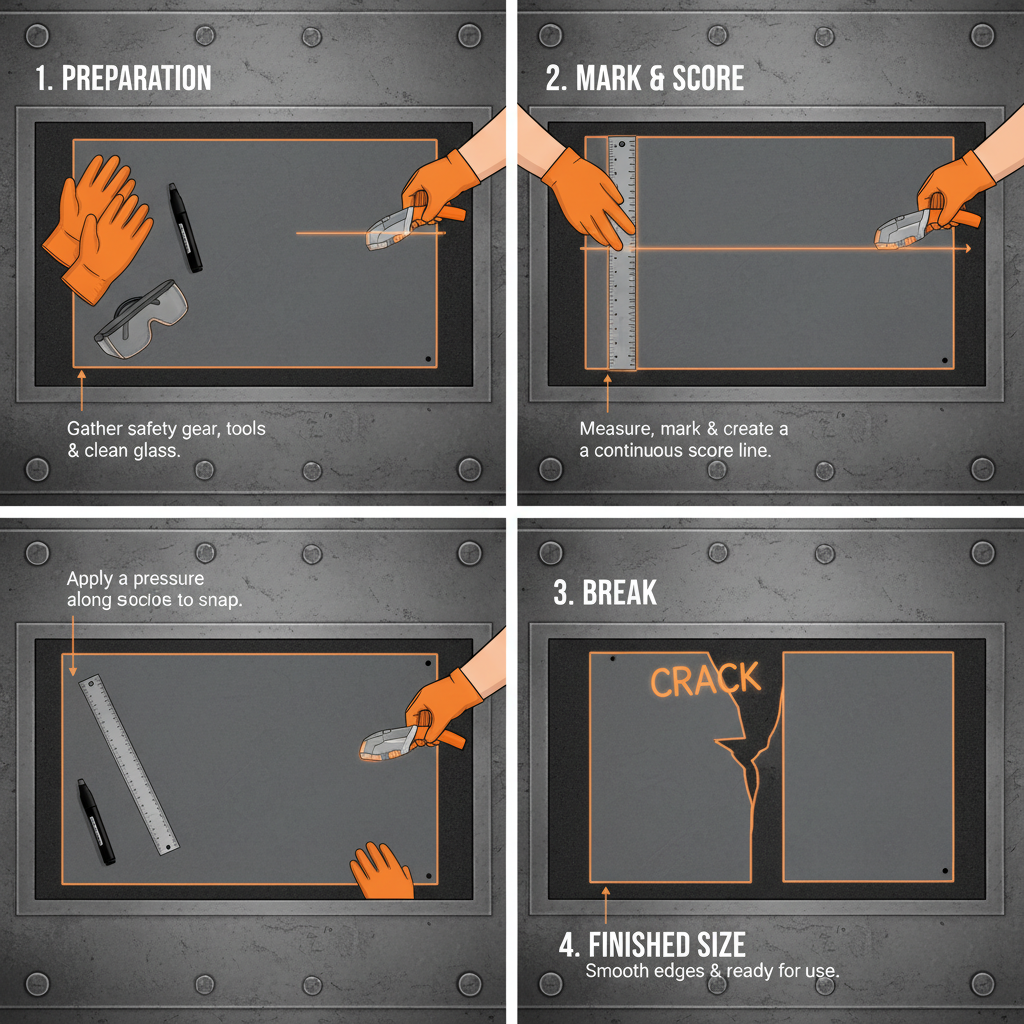
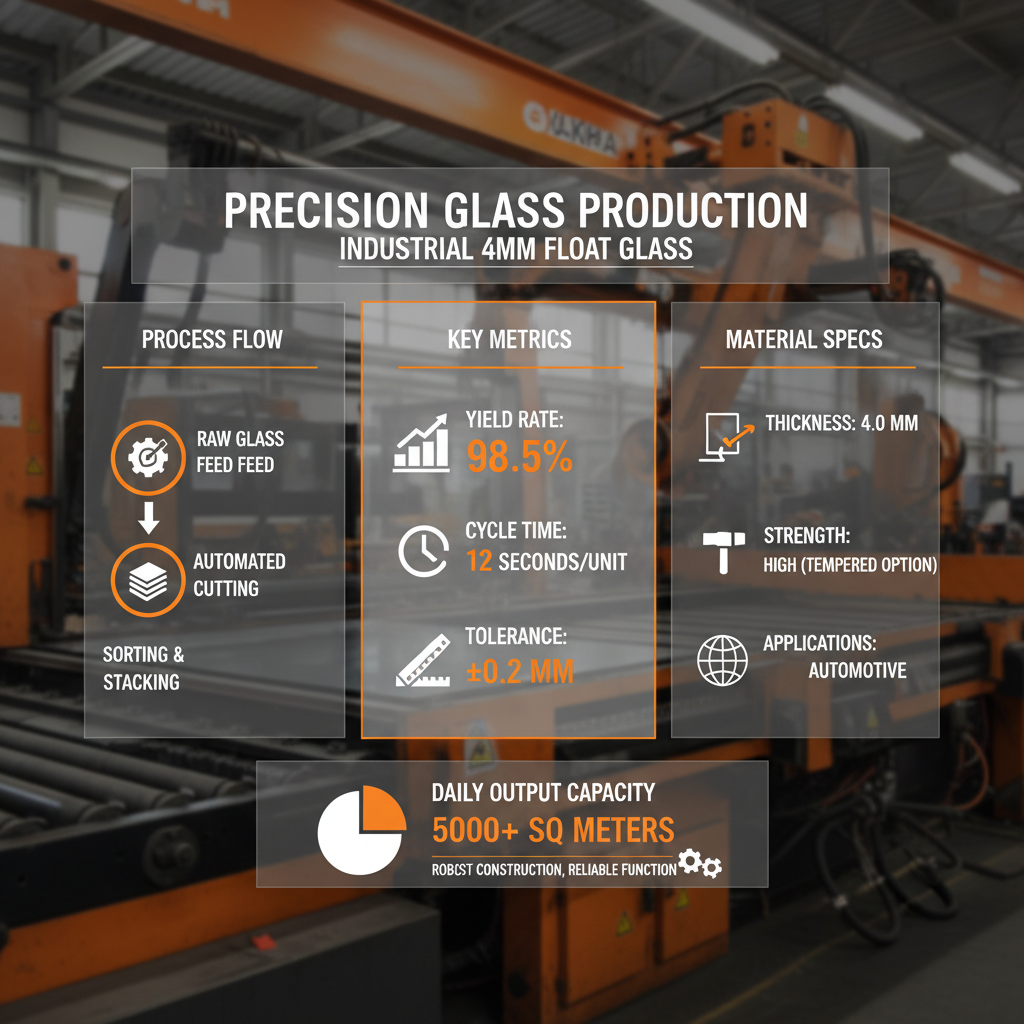
The subsequent "cut to size" process involves employing specialized cutting machines – often CNC-controlled – to precisely shape the glass according to customer specifications. This includes straight-line cutting, shaping, and drilling holes. This precision minimizes the need for on-site glass modification, saving time and labor costs.
This production method connects directly to the needs of modern industry and humanitarian efforts. In construction, it allows for efficient glazing solutions. In disaster relief, it offers rapid deployment shelter components, and in various manufacturing sectors, it serves as a crucial element in product design and functionality.
Key Characteristics of 4mm Float Glass
Several key characteristics define the value of 4mm float glass. Firstly, its 4mm float glass cut to size durability is exceptional; it’s resistant to scratching, weathering, and most chemicals. Secondly, its optical clarity is nearly 90%, providing excellent light transmission, making it ideal for windows and displays.
Another important characteristic is its thermal stability. 4mm float glass can withstand temperature fluctuations without significant distortion, ensuring long-term performance. Its relatively low weight contributes to ease of handling and installation, reducing labor costs and simplifying structural requirements. Finally, its recyclability promotes sustainability and reduces environmental impact.
These attributes make it a preferred material in a wide array of applications. For instance, in automotive manufacturing, it’s used for windshields and side windows due to its safety and clarity. In furniture design, it’s favored for tabletops and shelving due to its aesthetic appeal and durability.
Applications of 4mm Float Glass Cut to Size
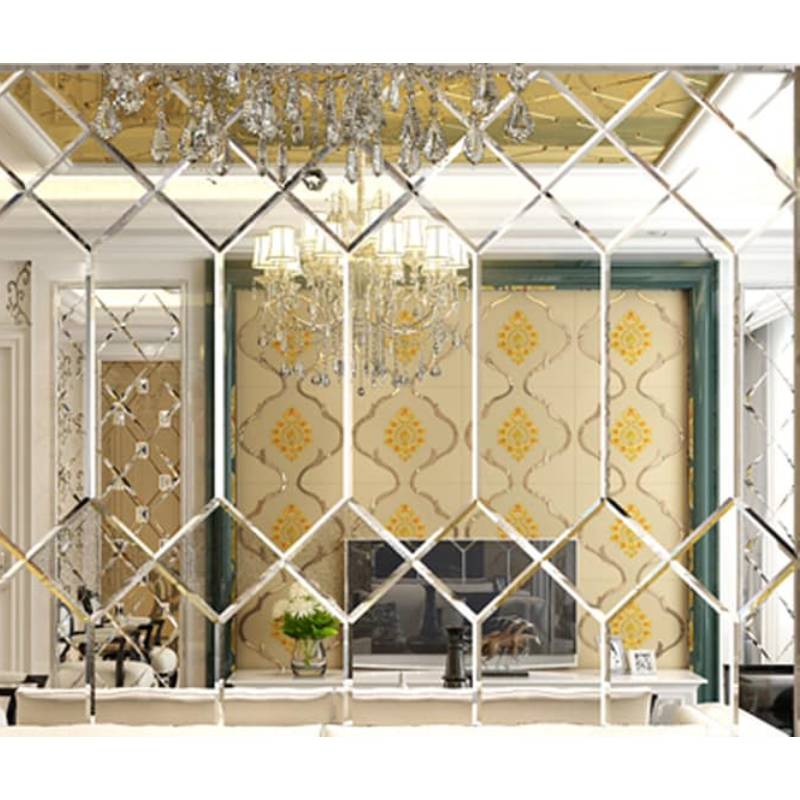
The applications of 4mm float glass cut to size are incredibly diverse. Within the construction industry, it's commonly used for internal partitions, window glazing (particularly in non-structural applications), shower enclosures, and mirrored surfaces. Its precision cutting allows for intricate designs and customized shapes, enhancing architectural aesthetics.
Beyond construction, this glass finds extensive use in the furniture industry, creating elegant tabletops, shelving units, and display cases. The retail sector leverages its clarity for showcases and product displays, enhancing visibility and attracting customers. In the scientific and laboratory fields, 4mm float glass cut to size serves as a critical component in instruments and equipment requiring optical precision.
Application Suitability for 4mm Float Glass Cut to Size
Advantages and Long-Term Value
The advantages of using 4mm float glass cut to size extend beyond its immediate applications. Cost-effectiveness is a primary benefit, as it reduces material waste and simplifies installation, lowering overall project expenses. Its durability ensures a long service life, minimizing the need for frequent replacements, which translates to long-term savings.
Furthermore, its thermal properties contribute to energy efficiency by reducing heat transfer, leading to lower energy bills. From a sustainability perspective, glass is fully recyclable, reducing landfill waste and promoting a circular economy. These factors collectively contribute to the long-term value and return on investment for any project incorporating this material.
Global Impact and Usage Scenarios
4mm float glass cut to size plays a significant role in developing nations, where affordable and readily available building materials are crucial. In post-disaster relief efforts, it's used in constructing temporary shelters and repairing damaged infrastructure. Its lightweight nature makes it easy to transport and install in challenging environments.
In remote industrial zones, where access to specialized fabrication facilities is limited, its cut-to-size availability streamlines construction processes. Developing countries are increasingly utilizing this glass for improving housing standards, building schools, and creating healthcare facilities, ultimately enhancing quality of life.
Developed nations continue to see its wide use in architectural design, interior renovations, and specialized industrial applications, driving innovation and aesthetic improvements in various sectors.
Future Trends and Challenges
Future trends surrounding 4mm float glass cut to size include advancements in glass coatings for enhanced energy efficiency, self-cleaning properties, and UV protection. Digitalization and automation in the cutting process will further improve precision, reduce waste, and lower production costs. The integration of smart glass technology, offering dynamic opacity control, is also expected to gain traction.
However, challenges remain. Ensuring consistent quality control across different manufacturers is critical. Reducing the carbon footprint associated with glass production and transportation is paramount, prompting research into alternative manufacturing processes and sustainable materials. Adapting to evolving building codes and safety regulations is also an ongoing requirement.
Addressing these challenges will require collaborative efforts between glass manufacturers, researchers, and policymakers, paving the way for a more sustainable and innovative future for 4mm float glass cut to size and its applications.
Core Analyses of Future Trends and Challenges
| Trend/Challenge |
Impact Level (1-10) |
Mitigation Strategy |
Implementation Timeline |
| Energy-Efficient Coatings |
9 |
Investment in R&D, Collaborative Partnerships |
Short-Term (1-3 years) |
| Automated Cutting Processes |
8 |
Capital Investment, Workforce Training |
Medium-Term (3-5 years) |
| Carbon Footprint Reduction |
7 |
Sustainable Manufacturing, Alternative Materials |
Long-Term (5-10 years) |
| Quality Control Consistency |
6 |
Standardized Testing, Certification Programs |
Ongoing |
| Evolving Building Codes |
5 |
Regulatory Monitoring, Proactive Adaptation |
Ongoing |
| Supply Chain Disruptions |
7 |
Diversified Sourcing, Inventory Management |
Medium-Term (3-5 years) |
FAQS
4mm float glass cut to size is ideally suited for internal applications in residential homes. This includes shower screens, internal partitions, decorative mirrors, and custom glazing for cabinets and display shelves. Its relatively light weight and easy cut-ability make it a practical and affordable choice for these applications. It offers a modern aesthetic and enhances the natural light within a home.
The precision of the cut is paramount to the glass's longevity. A clean, accurate cut minimizes stress points within the glass, reducing the risk of cracking or shattering over time. Using professional cutting equipment and techniques, like those employing CNC technology, is crucial. Imperfect cuts can create weak spots that are susceptible to damage from temperature fluctuations or physical impact.
4mm float glass, while relatively thin, still possesses sharp edges after cutting. Always wear cut-resistant gloves and eye protection when handling it. Avoid placing the glass on hard surfaces without adequate cushioning to prevent chipping or breakage. When transporting the glass, secure it properly to prevent shifting and impacts. Proper handling minimizes the risk of injury.
While 4mm float glass can be used outdoors, it's generally not recommended for direct exposure to harsh weather conditions or structural applications. It lacks the strength and impact resistance of thicker, tempered glass. However, it can be suitable for sheltered outdoor areas like greenhouses or decorative elements that are protected from direct impact and extreme temperatures.
The cost of 4mm float glass cut to size varies depending on the quantity, complexity of the cut, and any additional processing (e.g., polishing, drilling). Generally, larger orders result in lower per-unit costs. Complex shapes and intricate cuts will also increase the price. Obtaining quotes from multiple suppliers is recommended to ensure competitive pricing.
4mm float glass is fully recyclable, diverting waste from landfills and promoting a circular economy. Its relatively lightweight nature reduces transportation costs and energy consumption. Furthermore, its thermal properties can contribute to energy efficiency in buildings, reducing heating and cooling loads. Choosing responsibly sourced glass can further enhance its sustainability profile.
Conclusion
In conclusion, 4mm float glass cut to size stands as a versatile and valuable material across numerous industries. Its unique combination of clarity, durability, and ease of customization makes it an ideal solution for a wide range of applications, from construction and furniture design to scientific instruments and disaster relief. Understanding its characteristics, advantages, and future trends is critical for maximizing its potential.
Looking ahead, continued innovation in glass technology, combined with a commitment to sustainable manufacturing practices, will further enhance the value and applicability of 4mm float glass cut to size. We invite you to explore our comprehensive range of glass products and solutions at www.shzrglass.com. Contact us today to discuss your specific project needs and discover how we can help you achieve your goals with precision-cut 4mm float glass.