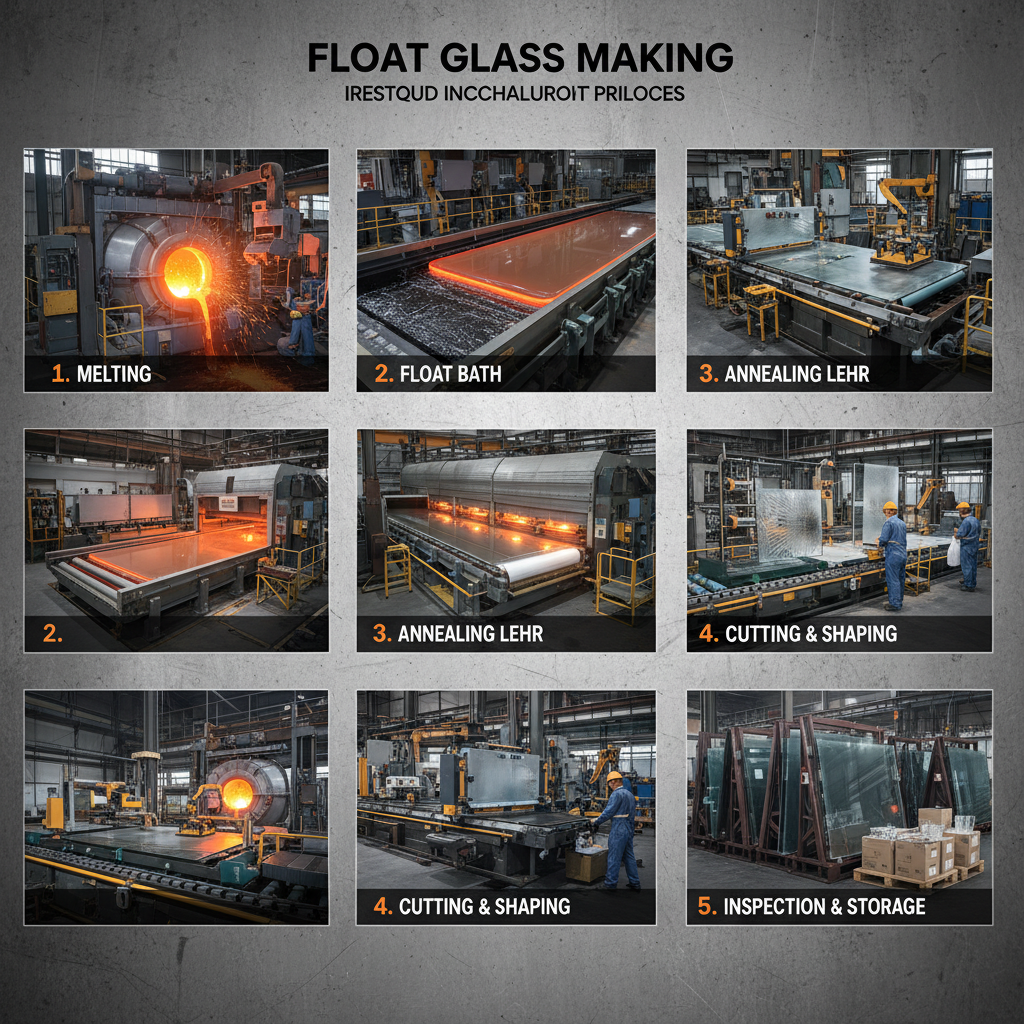
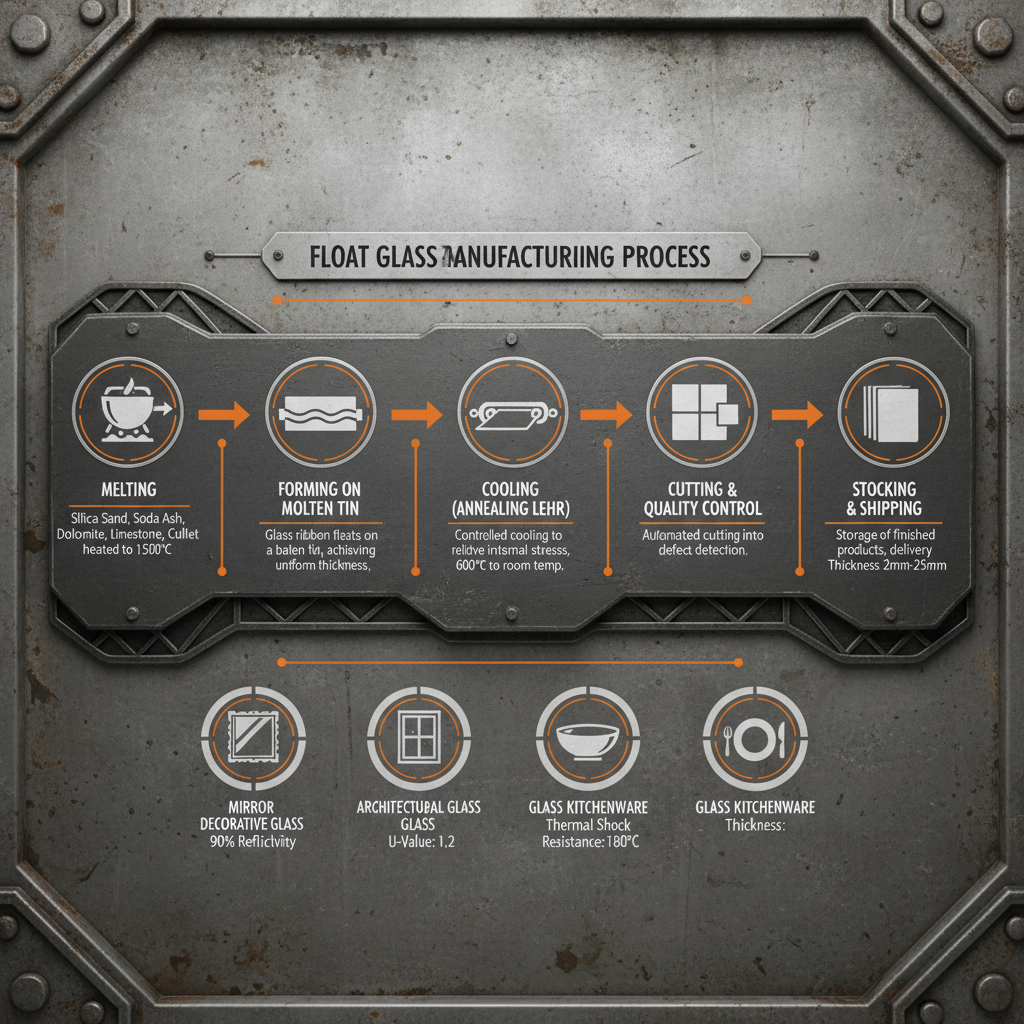
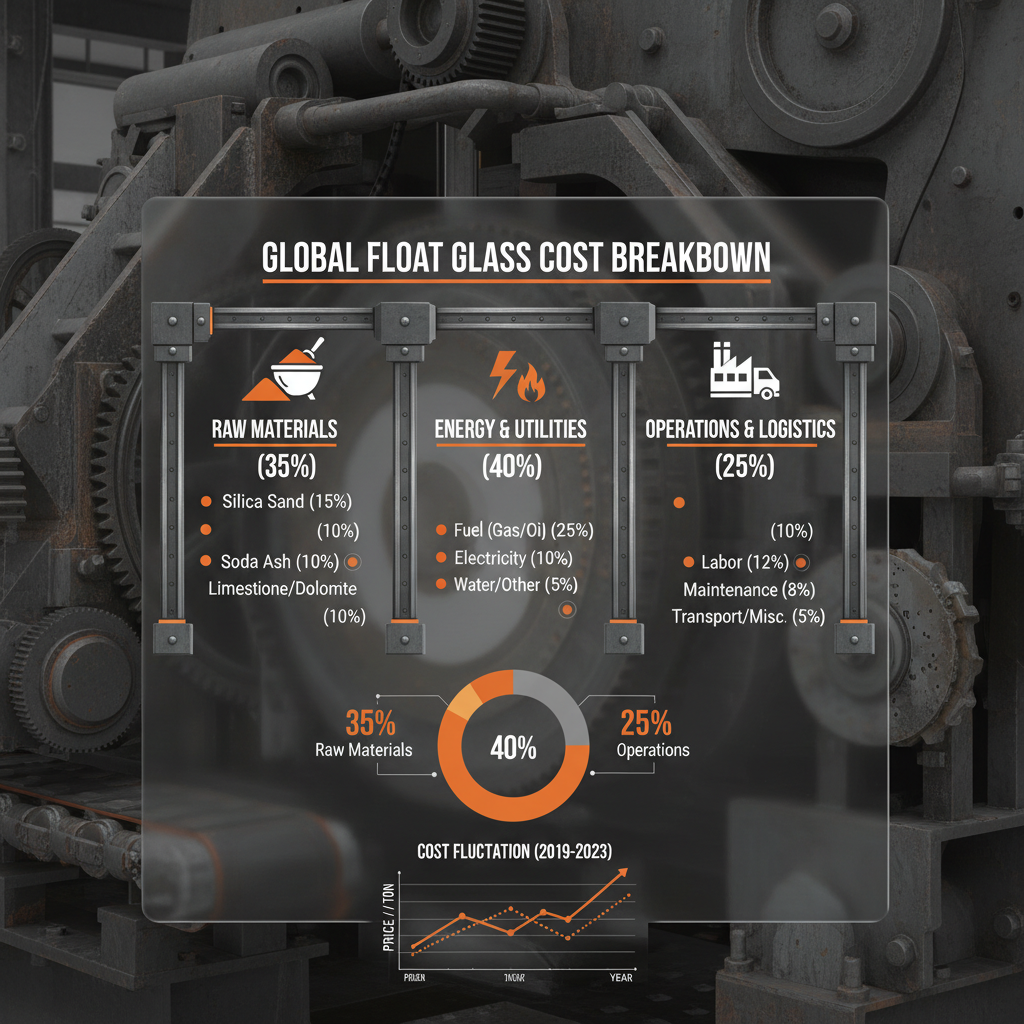
The float glass making process is a cornerstone of modern construction and numerous industrial applications. Understanding this process is crucial for architects, engineers, and manufacturers seeking high-quality, versatile materials. From providing expansive views in skyscrapers to protecting delicate electronics, the properties of float glass are indispensable in today’s world. A comprehensive grasp of the production methodology allows for informed material selection and innovative design solutions.
Globally, the demand for float glass continues to rise, driven by rapid urbanization and infrastructure development, particularly in emerging economies. The architectural glass market alone is projected to reach significant values in the coming years, as detailed in reports by organizations like the UN and the World Bank. However, the industry faces challenges related to energy consumption during production and the environmental impact of raw material sourcing.
Optimizing the float glass making process is not just an economic imperative, but also a critical step toward sustainable building practices and responsible industrial growth. Efficient production methods and innovative technologies are essential to meet the escalating demand while minimizing the ecological footprint.
The Fundamentals of the float glass making process
The core principle behind the float glass making process is elegantly simple yet remarkably effective: floating molten glass on a bed of molten metal – typically tin. This process eliminates the need for grinding and polishing to achieve a perfectly flat surface, a significant advancement over previous methods. This results in superior optical quality and dimensional accuracy, key attributes for modern architectural and industrial applications.
This method, patented by Pilkington in the 1950s, revolutionized the glass industry, becoming the standard for producing high-quality flat glass. Before the float process, glass sheets were manufactured using methods that produced visible distortions and required extensive finishing work, contributing to higher costs and limitations in size.
The Global Significance of float glass making process
The float glass making process plays a crucial role in supporting global construction, automotive, and renewable energy sectors. The demand for high-quality glass is consistently increasing alongside urbanization and infrastructure projects worldwide. Asia-Pacific represents the largest market for float glass, driven by booming construction activity in China, India, and Southeast Asian nations.
According to industry reports, the global float glass market is valued at billions of dollars annually and is expected to experience continued growth in the coming years. This growth is further fuelled by the increasing adoption of energy-efficient building materials and the demand for specialized glass products like low-iron glass and coated glass for solar panels.
The efficiency and scalability of the float glass making process are essential to meet this growing demand, making continuous improvement and technological advancements in the process vital for sustaining economic development and fostering innovation in related industries.
Defining the float glass making process
The float glass making process is a continuous manufacturing process where molten glass is poured onto a bath of molten tin. The glass ‘floats’ on the tin, spreading out evenly due to gravitational forces and surface tension. The tin’s perfectly flat surface imparts this flatness to the glass, eliminating the need for grinding and polishing. This precise and controlled process yields a glass sheet with exceptional clarity, smoothness, and dimensional accuracy.
Crucially, the entire process is conducted in a controlled atmosphere, free from contaminants, to ensure the glass’s purity and optical quality. The rate of travel through the float bath, the temperature of the molten glass and tin, and the composition of the glass batch all carefully monitored and adjusted to achieve specific product characteristics.
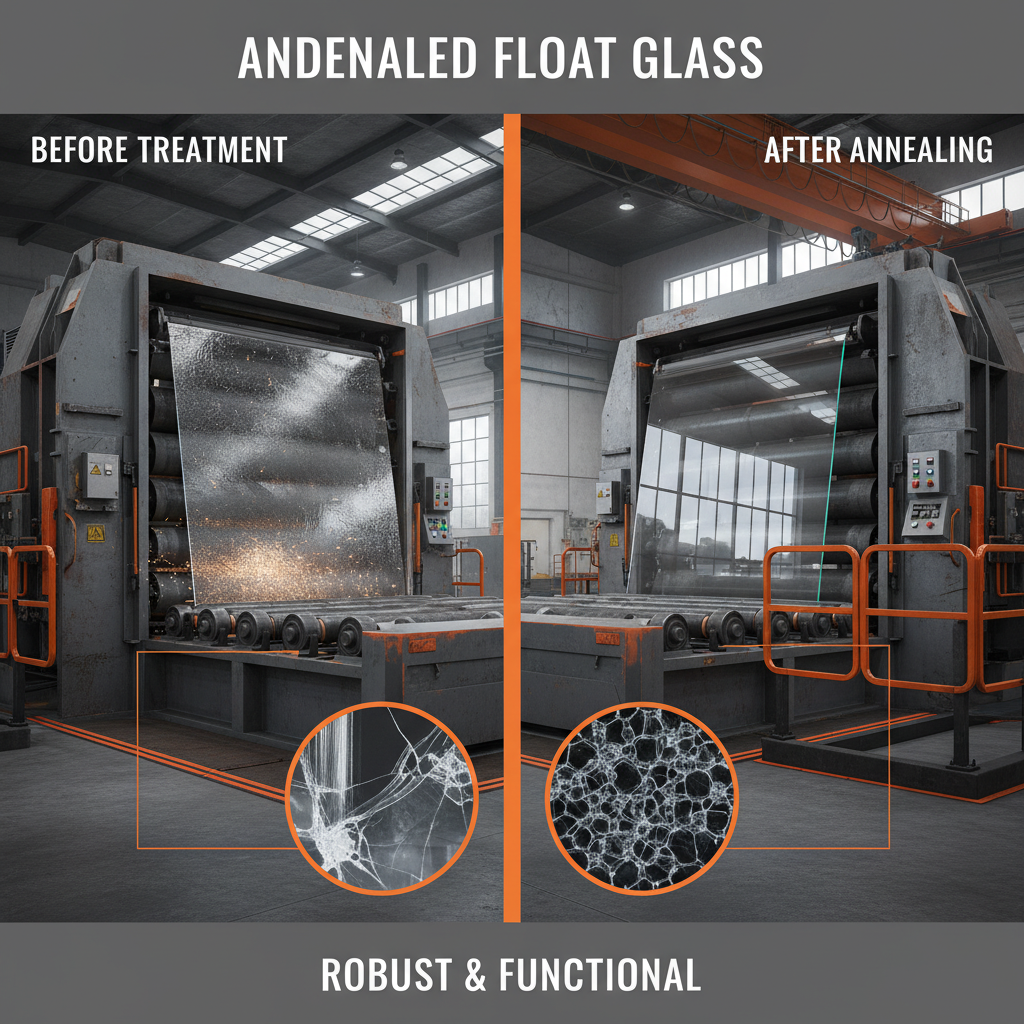
The resulting ribbon of glass is then slowly cooled in a controlled manner to prevent stress buildup, further enhancing its strength and durability. This carefully calibrated process is fundamental to producing the high-quality flat glass used in countless applications, ranging from windows and automotive windshields to mirrors and display screens.
Key Components of an Efficient float glass making process
An efficient float glass making process hinges on several key components working in perfect harmony. Firstly, precise raw material control is paramount. The batch composition – sand, soda ash, limestone, and other additives – must be consistently accurate to achieve the desired glass properties. Secondly, reliable and efficient melting furnaces are essential, utilizing advanced combustion technologies to minimize energy consumption.
Thirdly, the quality of the molten tin bath is critical. Maintaining the tin’s purity, temperature, and flow characteristics directly impacts the glass’s flatness and surface finish. Fourthly, an advanced cooling system is vital for controlled annealing, preventing thermal stress and maximizing the glass’s strength.
Efficiency Metrics in the float glass making process
Applications of the float glass making process Across Industries
The versatility of float glass, produced through this crucial process, extends far beyond conventional windows. In the architectural sector, it’s utilized for curtain walls, facades, and interior partitions, providing natural light and aesthetic appeal. The automotive industry relies on float glass for windshields, side windows, and rear windows, ensuring safety and visibility.
Furthermore, the solar energy sector benefits greatly, employing specialized low-iron float glass for solar panels, maximizing light transmission and energy conversion efficiency. Beyond these core applications, float glass finds use in furniture, decorative mirrors, and even scientific instruments, highlighting its broad applicability and importance across diverse industries.
Advantages and Long-Term Value of Optimized float glass making process
Optimizing the float glass making process delivers significant advantages, including reduced energy consumption, lower production costs, and improved product quality. The use of advanced control systems and energy-efficient technologies directly translates to lower operational expenses and a reduced carbon footprint. A streamlined process also minimizes waste, enhancing resource utilization and promoting sustainability.
Long-term, these advantages contribute to increased profitability, enhanced competitiveness, and a strengthened reputation for environmental responsibility. Investing in process optimization is not merely a cost-saving measure but a strategic move that positions manufacturers for sustained success in an increasingly demanding market.
The consistently high quality of float glass produced through optimized processes also builds trust with customers and reinforces brand loyalty, ensuring a reliable supply of materials for critical applications.
Future Trends and Challenges in float glass making process
The future of the float glass making process will be shaped by several key trends, including the increasing demand for sustainable production methods and the integration of Industry 4.0 technologies. The development of low-carbon glass formulations, utilizing recycled materials and alternative energy sources, will be crucial for minimizing environmental impact.
Digitalization and automation, including the implementation of advanced sensors, data analytics, and machine learning, will enable real-time process optimization and predictive maintenance, enhancing efficiency and reducing downtime. Addressing challenges related to raw material sourcing, energy costs, and emissions regulations will require ongoing innovation and collaboration across the industry.
Furthermore, research into new glass compositions and coating technologies will drive the development of specialized glass products with enhanced performance characteristics, catering to the evolving needs of various applications.
Summary of Key Challenges and Opportunities in Optimizing the float glass making process
| Challenge Area |
Severity (1-10) |
Potential Solution |
Impact of Solution (1-10) |
| Energy Consumption |
8 |
Advanced Furnace Technologies |
9 |
| Raw Material Costs |
7 |
Recycled Glass Utilization |
7 |
| Emissions Control |
9 |
Carbon Capture Technologies |
8 |
| Process Control |
6 |
AI-Powered Monitoring Systems |
9 |
| Product Quality Consistency |
5 |
Real-Time Defect Detection |
8 |
| Skilled Labor Shortage |
7 |
Automation and Training Programs |
6 |
FAQS
The main raw materials are silica sand (providing the glass network), soda ash (acting as a flux to lower the melting temperature), limestone (stabilizing the glass), and various other additives like dolomite and aluminum oxide. These materials are carefully proportioned to achieve the desired glass composition and properties, impacting clarity, strength, and chemical resistance. Ensuring the quality and purity of these raw materials is crucial for the final product.
Precise temperature control throughout the float glass making process is paramount. Maintaining consistent temperatures during melting, refining, and cooling prevents thermal stress, which can lead to cracking or distortion. The temperature gradient across the glass ribbon must be carefully managed to ensure uniform thickness and flatness. Inadequate temperature control can result in defects impacting structural integrity and optical clarity.
Molten tin serves as a perfectly flat and dense liquid medium upon which the molten glass ‘floats.’ Its high density and surface tension allow the glass to spread evenly, creating a flawless, distortion-free surface without the need for grinding or polishing. The tin also acts as a barrier, protecting the glass from atmospheric contaminants during the critical forming stage. Maintaining the tin’s purity is vital for preventing defects.
Energy efficiency can be improved through several methods, including utilizing advanced furnace technologies with optimized combustion systems, incorporating heat recovery systems to recapture waste heat, and implementing improved insulation to minimize heat loss. Employing regenerative burners and utilizing alternative fuel sources are also viable options. Modern control systems and process optimization techniques contribute to reduced energy consumption and lower operating costs.
The float process is incredibly versatile and can produce a wide range of glass types by altering the batch composition and employing specialized coatings. This includes clear glass, tinted glass, reflective glass, low-iron glass, patterned glass, and tempered glass. Each glass type possesses unique properties tailored to specific applications, from architectural glazing to automotive windshields and beyond.
Environmental concerns include high energy consumption, emissions of greenhouse gases (primarily CO2), and the potential for air and water pollution. Addressing these concerns requires implementing sustainable practices such as utilizing recycled glass cullet, adopting cleaner energy sources, investing in emissions control technologies, and optimizing process efficiency. Responsible waste management and water conservation are also essential.
Conclusion
In conclusion, the float glass making process is a remarkable feat of engineering that has fundamentally transformed the glass industry. From its foundational principles to its diverse applications and ongoing innovations, it remains a critical component of modern infrastructure and manufacturing. A thorough understanding of this process is essential for professionals seeking to leverage the unique properties of glass in their respective fields.
Looking ahead, continued investment in sustainable technologies, digitalization, and process optimization will be paramount to ensuring the long-term viability and environmental responsibility of the float glass industry. We encourage you to explore our range of high-quality glass products at https://www.shzrglass.com and discover how we can meet your specific needs.