Float glass making is a cornerstone of modern construction and countless industrial applications. This seemingly simple process, involving the careful melting and floating of glass on molten metal, has revolutionized the glass industry, yielding a consistently flat, high-quality product essential for windows, mirrors, automotive components, and much more. Understanding the nuances of float glass making is crucial for architects, engineers, manufacturers, and anyone involved in the building materials supply chain.
Globally, the demand for float glass continues to grow, driven by urbanization, infrastructure development, and the increasing adoption of energy-efficient building practices. According to recent reports, the global float glass market is projected to reach \$185 billion by 2028, with Asia-Pacific accounting for the largest share. However, the industry faces challenges related to energy consumption, emissions, and the need for sustainable manufacturing processes, prompting innovation in float glass making technologies.
The importance of proficient float glass making extends beyond economic considerations. High-quality float glass contributes to building safety, thermal performance, and aesthetic appeal. Innovations in glass coatings and treatments, applied after the float process, further enhance these properties, making float glass a truly versatile material adaptable to diverse and demanding applications.
The Fundamentals of Float Glass Making
At its core, float glass making involves pouring molten glass onto a bath of molten tin. The tin acts as a perfectly flat and level surface, allowing the glass to spread evenly and cool gradually, resulting in a remarkably smooth and uniform sheet. This process eliminates the imperfections and distortion inherent in older glass manufacturing methods.
The precise control of temperature, glass composition, and atmosphere within the float bath are crucial for achieving the desired optical properties and mechanical strength of the final product. Variations in these parameters allow manufacturers to produce a wide range of float glass types, from clear glass to low-iron glass, tinted glass, and coated glass, each tailored for specific applications.
The Historical Development of float glass making
Prior to the invention of the float glass process in the 1950s by Pilkington, glass manufacturing relied on techniques like hand-blowing, casting, and rolling. These methods produced glass with inherent imperfections, such as uneven thickness and surface distortions, limiting its application in demanding scenarios. The need for higher quality, flatter glass was a major driver of innovation.
Sir Alastair Pilkington’s breakthrough revolutionized the industry. The initial challenges in perfecting the process were considerable, involving finding a suitable liquid metal that wouldn't react with the molten glass and maintaining a stable, controlled environment. The commercialization of the float process in 1959 marked a turning point, quickly becoming the dominant method for producing high-quality flat glass globally.
Over the decades, float glass making has undergone continuous refinement, with advancements in furnace technology, glass composition, and coating techniques. These improvements have led to increased production efficiency, reduced energy consumption, and the development of specialized glass products with enhanced performance characteristics.
Key Components of the Float Glass Process
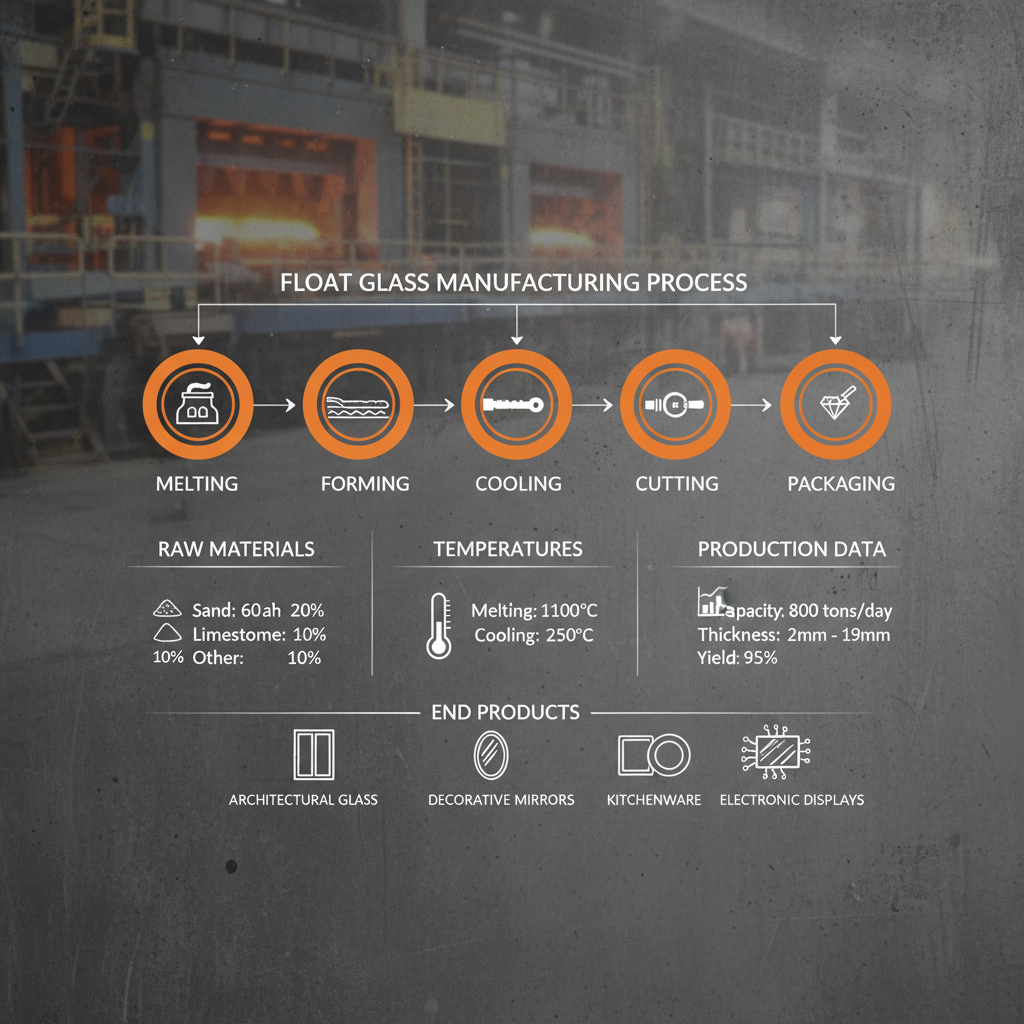
The float glass process relies on several key components working in harmony. The first is the batch house, where raw materials—typically silica sand, soda ash, limestone, and dolomite—are carefully weighed and mixed. This mixture, known as the batch, is then fed into a high-temperature furnace.
The furnace, often heated by natural gas or electricity, melts the batch into a molten glass stream at temperatures exceeding 1500°C. This molten glass is then carefully controlled and fed onto the molten tin bath. The tin bath is maintained at a precise temperature and atmosphere to ensure a smooth and uniform flow of glass.
As the glass ribbon travels along the tin bath, it cools gradually and solidifies. Annealing lehrs then further cool the glass in a controlled manner to relieve internal stresses and prevent cracking. Finally, quality control inspections ensure the glass meets the required standards before being cut, coated, and prepared for shipment.
The Impact of Float Glass Making on Construction
The advent of float glass dramatically altered the construction landscape. Prior to its widespread adoption, building designs were often limited by the size and quality of available glass. Float glass enabled the creation of larger, more expansive windows and glazing systems, allowing for greater natural light penetration and improved aesthetic appeal.
Furthermore, the consistent flatness and optical clarity of float glass facilitated the development of advanced glazing technologies, such as insulated glass units (IGUs) and laminated glass. These innovations significantly enhance the thermal performance, safety, and security of buildings, contributing to energy efficiency and occupant comfort.
Float Glass Making Methods and Efficiency
Global Applications of Float Glass
The versatility of float glass extends far beyond construction. It is an integral component in the automotive industry, where it is used for windshields, side windows, and rear windows, providing safety, visibility, and structural integrity.
Furthermore, float glass finds applications in furniture manufacturing (tabletops, shelving), interior design (mirrors, partitions), and consumer products (display cases, shower doors). In regions facing harsh climates, specialized float glass products are employed to create greenhouses, solar panels, and protective barriers.
The Advantages of Modern Float Glass Production
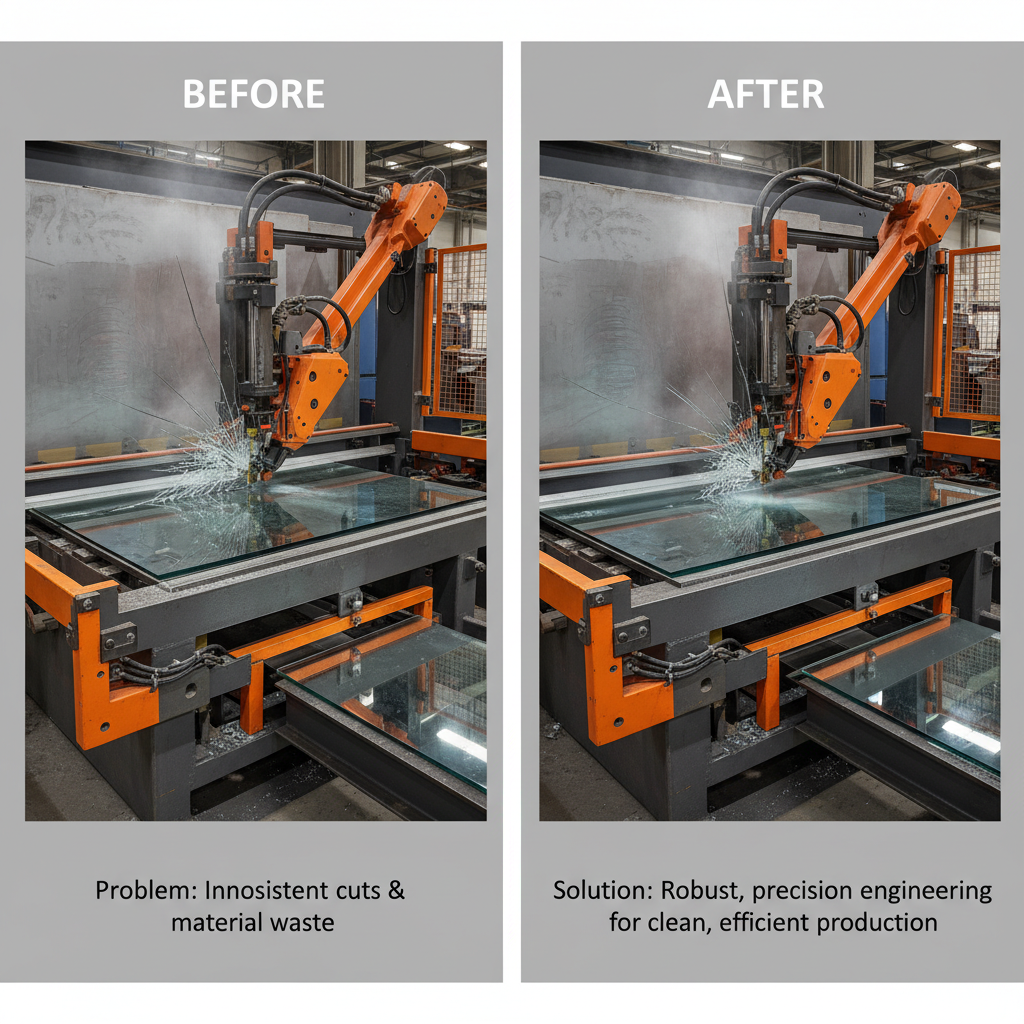
Modern float glass production offers a multitude of advantages over older methods. These include increased production rates, reduced material waste, and improved product consistency. The ability to tailor glass properties to specific applications provides manufacturers with a competitive edge.
Furthermore, advancements in energy efficiency and emissions control have made float glass production more sustainable. The development of low-E coatings and other energy-saving technologies further enhances the environmental benefits of float glass in building applications.
The consistent quality and adaptability of float glass contribute to reduced construction costs and improved building performance, making it a valuable asset for architects, builders, and homeowners alike.
Future Innovations in Float Glass Making
The future of float glass making is focused on sustainability, automation, and enhanced performance. Research is underway to develop alternative melting technologies that reduce reliance on fossil fuels, such as electric melting and the use of renewable energy sources.
Digitalization and automation are also playing an increasingly important role, with advanced sensors and control systems optimizing the float process for maximum efficiency and product quality. The development of self-cleaning glass, smart glass with dynamic tinting capabilities, and highly durable coatings are further pushing the boundaries of float glass technology.
Furthermore, the integration of artificial intelligence and machine learning algorithms promises to enable predictive maintenance, optimize glass composition, and personalize glass products to meet specific customer needs.
Key Factors Influencing the Advancement of Float Glass Manufacturing
| Energy Consumption |
Raw Material Sourcing |
Process Automation |
Product Differentiation |
| High; focus on reducing gas/electric use. |
Reliance on silica sand; sustainable alternatives needed. |
Moderate; opportunity for AI-driven optimization. |
Increasing demand for specialized coatings/properties. |
| Potential for solar-powered furnaces. |
Circular economy principles for glass recycling. |
Improved precision and reduced human error. |
Focus on energy efficiency and thermal performance. |
| Electric melting emerging as a viable option. |
Reducing transportation costs and carbon footprint. |
Real-time quality control and defect detection. |
Demand for self-cleaning and smart glass. |
| Energy recovery systems to recapture waste heat. |
Utilizing recycled glass cullet in the batch mix. |
Automated glass cutting and handling systems. |
Customizable glass solutions for specific projects. |
| Government incentives for green manufacturing. |
Developing closed-loop glass supply chains. |
Predictive maintenance to minimize downtime. |
Integration of sensors and IoT devices. |
| Optimizing furnace design for lower emissions. |
Reducing reliance on virgin raw materials. |
Enhanced data analysis for process improvement. |
Creating high-performance and aesthetically pleasing glass. |
FAQS
Low-iron float glass contains a reduced amount of iron oxide, which is the primary cause of the greenish tint in standard float glass. This results in a higher light transmittance and a more accurate color rendering, making it ideal for applications where clarity and color accuracy are critical, such as display cases, aquariums, and architectural glazing where true color representation is desired. Standard float glass is suitable for most general applications where a slight green tint is acceptable.
The thickness of float glass directly impacts its strength and the types of applications it can be used for. Thicker glass is inherently stronger and more resistant to breakage, making it suitable for structural glazing, safety glass, and high-traffic areas. Thinner glass is used for applications where weight is a concern or where less strength is required, such as interior partitions or picture frames. The appropriate thickness depends on factors like wind load, impact resistance requirements, and intended use.
Float glass production is energy-intensive and generates CO2 emissions. To mitigate this, the industry is transitioning to more sustainable practices such as utilizing recycled glass cullet in the batch mix, implementing energy-efficient furnace technologies, and exploring alternative fuel sources like natural gas and electricity. Furthermore, advancements in glass coatings are reducing the need for energy-consuming heating and cooling systems in buildings.
Common defects in float glass include bubbles, scratches, rollers, and distortions. These defects are typically identified through visual inspection during the manufacturing process and quality control checks. Specialized equipment, such as automated optical inspection systems, can detect even minor imperfections. Proper handling and storage practices are crucial to prevent scratches and damage.
Tempering is a heat treatment process that significantly increases the strength of float glass. The glass is heated to a high temperature and then rapidly cooled, creating compressive stresses on the surface and tensile stresses in the interior. This process makes the glass much more resistant to breakage and, when broken, it shatters into small, relatively harmless pieces, making it a safety glass ideal for applications like car windows and shower doors.
The lifespan of float glass varies depending on the application and environmental conditions. In interior applications, like windows or mirrors, float glass can last for decades with proper care. Exterior applications are exposed to weathering, UV radiation, and potential impacts, potentially shortening the lifespan. However, high-quality float glass, combined with appropriate installation and maintenance, can easily last 20-30 years or more, even in harsh environments.
Conclusion
Float glass making stands as a testament to innovative material science and continuous improvement. From its humble beginnings to its current position as a cornerstone of modern architecture and industry, this process has consistently adapted to meet evolving demands for quality, sustainability, and performance. The ability to produce consistently flat, clear, and versatile glass has transformed the built environment and enabled countless applications across diverse sectors.
Looking ahead, the future of float glass making lies in embracing sustainable practices, integrating advanced technologies, and developing specialized glass products with enhanced functionalities. Investing in research and development, coupled with a commitment to environmental responsibility, will ensure that float glass remains a vital and innovative material for generations to come. Visit our website at float glass making to explore our comprehensive range of float glass products and solutions.