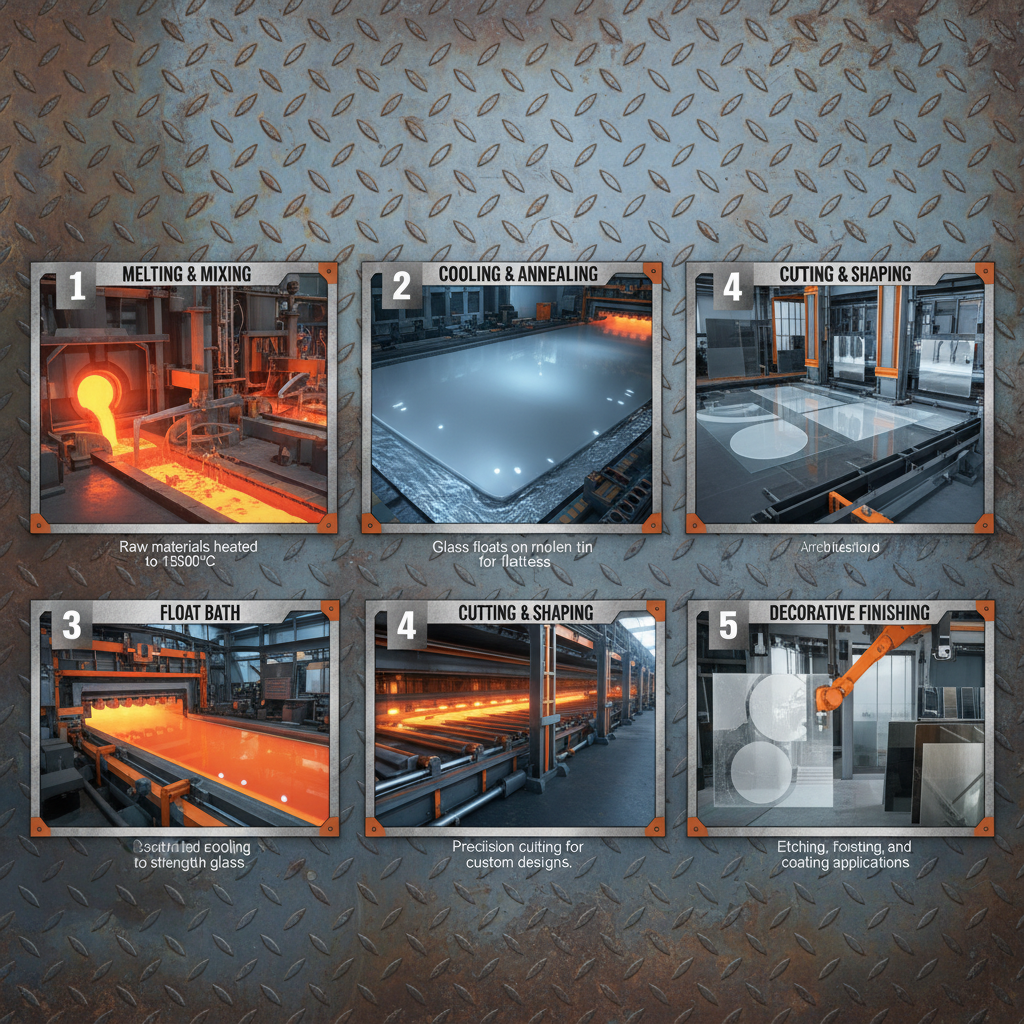
Understanding the 10mm float glass price is crucial for a multitude of industries, from construction and automotive to interior design and renewable energy. Globally, the demand for high-quality glass is constantly increasing, driven by urbanization, infrastructure development, and a growing emphasis on energy efficiency in buildings. Accurately assessing the 10mm float glass price is therefore paramount for project budgeting, cost control, and ensuring profitability.
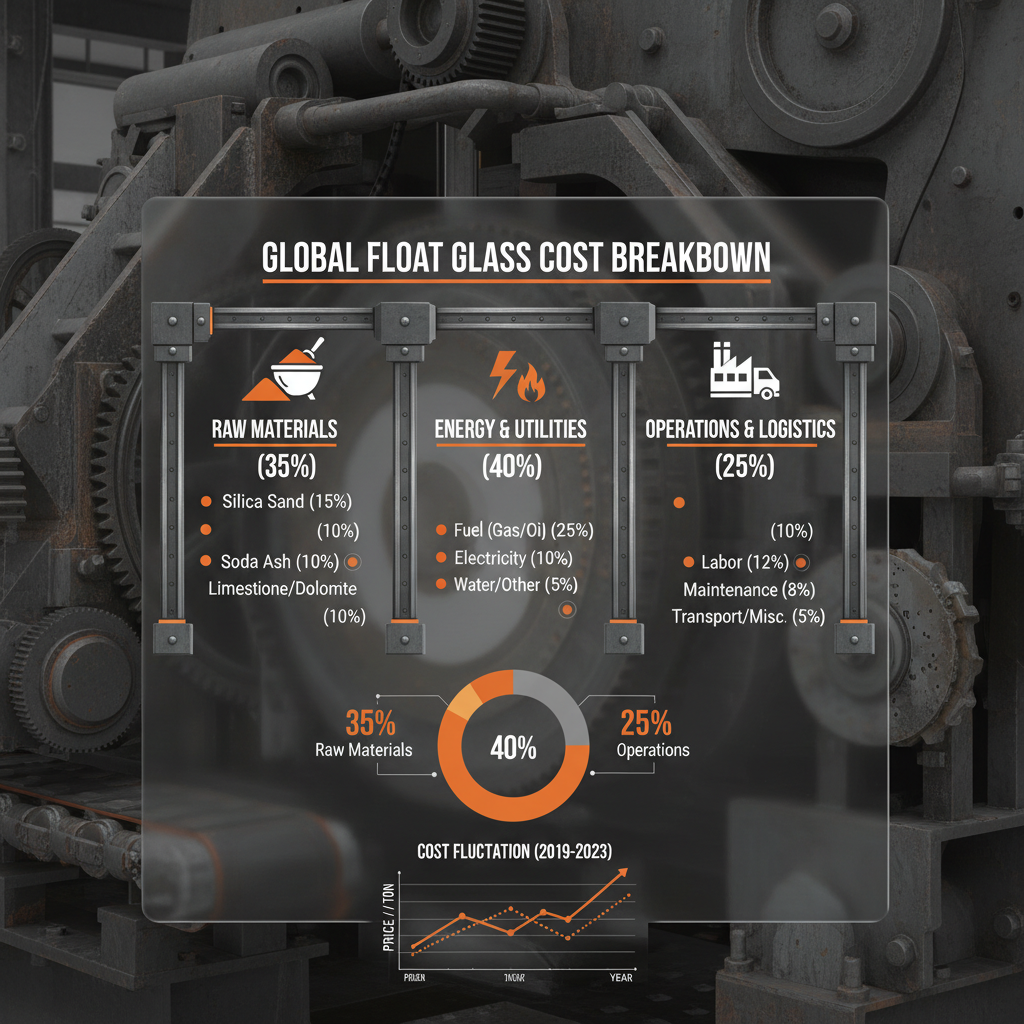
The price of 10mm float glass isn't static; it's influenced by numerous factors including raw material costs (sand, soda ash, limestone), energy prices, manufacturing capacity, transportation logistics, and market demand. Variations in these factors contribute to fluctuations in the 10mm float glass price across different regions and suppliers. Businesses and consumers alike need to stay informed to make strategic purchasing decisions.
The consistent and accurate sourcing of 10mm float glass, at a competitive price, is vital for the success of countless projects worldwide. From large-scale architectural installations to smaller, bespoke applications, the cost of this material significantly impacts overall project expenses. Understanding these dynamics is essential for maintaining project feasibility and maximizing return on investment.
The Importance of Understanding 10mm Float Glass Price
The 10mm float glass price is a critical component in the cost analysis of numerous construction projects. Understanding the nuances of this price allows businesses to accurately budget, negotiate effectively with suppliers, and ultimately improve project profitability. Ignoring these factors can lead to significant cost overruns and delays.
Beyond construction, the 10mm float glass price impacts industries like automotive, furniture manufacturing, and solar panel production. For manufacturers, securing a competitive price on float glass directly influences the final product cost and market competitiveness. A stable and predictable 10mm float glass price is therefore crucial for sustained growth and innovation.
Global Context and Market Influences
The global market for float glass is heavily influenced by economic conditions in major manufacturing hubs like China, India, and Europe. Changes in these economies, such as fluctuations in GDP growth or shifts in government policies, can significantly impact the supply and demand for 10mm float glass, and therefore its price. International trade agreements and tariffs also play a key role.
Furthermore, geopolitical events and logistical disruptions, such as those experienced during the COVID-19 pandemic, can lead to increased transportation costs and material shortages, driving up the 10mm float glass price. Maintaining a diversified supply chain and proactively monitoring global market trends are essential strategies for mitigating these risks.
According to data from the UN Comtrade database, the global trade in flat glass (including float glass) reached $75 billion in 2022. This underscores the significant economic impact of this material and the importance of understanding the factors that influence its price. Fluctuations in currency exchange rates also add a layer of complexity to the global 10mm float glass price.
Defining 10mm Float Glass Price
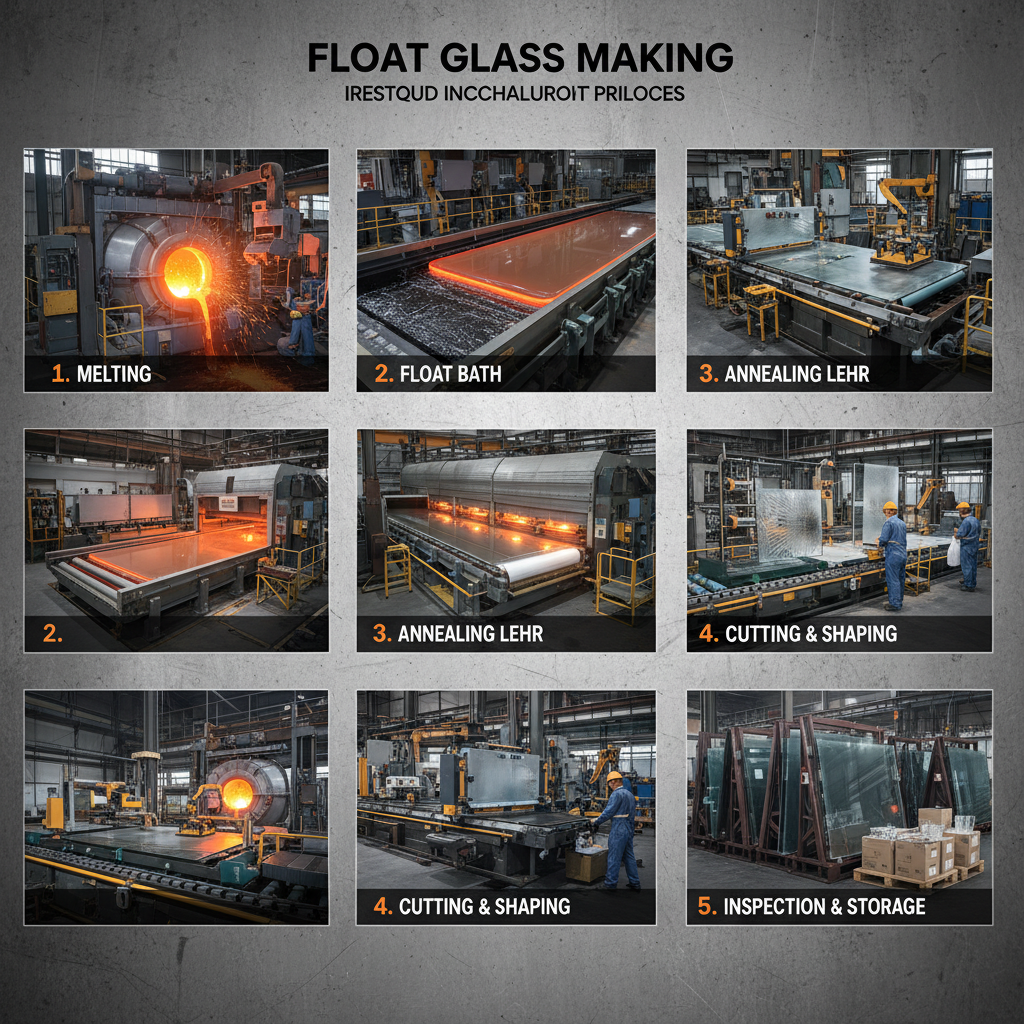
The 10mm float glass price refers to the cost of a sheet of float glass that is 10 millimeters thick. Float glass is manufactured by floating molten glass on a bed of molten tin, resulting in a perfectly flat and uniform surface. The price is typically quoted per square meter or per ton, and can vary depending on the quantity purchased, the glass type (clear, tinted, low-iron, etc.), and the supplier.
The relevance of 10mm float glass extends beyond simply providing a transparent material. It is a fundamental component in modern building design, contributing to energy efficiency through its insulation properties, and enhancing structural integrity. In humanitarian contexts, it provides safe and durable shelter materials. Therefore, understanding the 10mm float glass price is connected to broader goals of sustainable development and community resilience.
The 10mm float glass price also reflects the inherent value of the material’s versatility. It can be cut, bent, tempered, laminated, and coated to create a wide range of products, from windows and doors to mirrors and automotive glass. This adaptability contributes to its consistent demand and ongoing importance in the global economy.
Key Factors Affecting 10mm Float Glass Price
Raw Material Costs: The price of sand, soda ash, and limestone—the primary ingredients in float glass—directly influences the 10mm float glass price. Fluctuations in these commodity markets can lead to price volatility.
Energy Costs: The float glass manufacturing process is energy-intensive. Rising energy prices, particularly for natural gas and electricity, significantly impact production costs and, consequently, the 10mm float glass price.
10mm Float Glass Price Influencing Factors
Applications and Regional Variations
The 10mm float glass price varies significantly across different regions. North America and Europe generally experience higher prices due to stricter environmental regulations and higher labor costs. Asia, particularly China and India, often offer more competitive pricing due to lower production costs and economies of scale.
Common applications include architectural glazing in commercial and residential buildings, automotive windshields and windows, furniture components, and solar panel substrates. The demand in these various sectors influences regional price fluctuations. For example, a surge in construction activity in a particular region will likely drive up the 10mm float glass price locally.
Benefits of Optimized 10mm Float Glass Price
Securing a favorable 10mm float glass price directly translates to reduced project costs and increased profitability. This allows businesses to offer more competitive pricing, attract more clients, and ultimately grow their market share.
Optimizing the 10mm float glass price also contributes to greater financial stability and predictability. Accurate budgeting and cost control are essential for long-term success, and a reliable supply of affordable float glass is a key component of this strategy.
Beyond financial benefits, using responsibly sourced and competitively priced 10mm float glass promotes sustainability and supports ethical business practices. Choosing suppliers committed to environmental stewardship and fair labor standards aligns with growing consumer demand for socially responsible products.
Future Trends and Price Projections
Advancements in glass manufacturing technology, such as the development of low-carbon glass production processes, are expected to influence the 10mm float glass price in the coming years. These innovations aim to reduce energy consumption and minimize environmental impact, potentially leading to cost savings.
The increasing adoption of smart glass technologies, which offer features like adjustable transparency and energy efficiency, is also likely to impact the market. While initially more expensive, the long-term benefits of smart glass could drive demand and eventually influence the overall 10mm float glass price.
Sustainability initiatives and stricter building codes focused on energy efficiency will continue to drive demand for high-performance float glass products. This increased demand, coupled with potential supply chain disruptions, suggests that the 10mm float glass price may experience moderate increases in the long term.
Analysis of Factors Influencing 10mm Float Glass Price
| Factor Category |
Impact Level (1-10) |
Regional Variance |
Long-Term Trend |
| Raw Material Availability |
8 |
High |
Stable |
| Energy Prices |
9 |
Medium |
Increasing |
| Transportation Costs |
7 |
High |
Volatile |
| Manufacturing Capacity |
6 |
Low |
Expanding |
| Government Regulations |
5 |
High |
Tightening |
| Global Demand |
7 |
Medium |
Growing |
FAQS
The primary drivers of 10mm float glass price fluctuations are raw material costs (sand, soda ash, limestone), energy prices (natural gas, electricity), and transportation costs. Global economic conditions, supply chain disruptions, and government regulations also play a substantial role. Monitoring these factors is crucial for predicting price trends and making informed purchasing decisions.
Suppliers located in regions with lower labor costs, readily available raw materials, and favorable energy prices typically offer more competitive 10mm float glass pricing. However, it’s important to also consider transportation costs, import duties, and potential lead times when evaluating suppliers from different geographic locations.
Tinted glass typically commands a slightly higher 10mm float glass price compared to clear glass due to the additional manufacturing process involved in adding coloring agents. The specific tint (e.g., bronze, grey, green) and the concentration of the tint can also influence the price. Clear glass remains the most cost-effective option for applications where color is not a requirement.
Negotiating strategies include securing bulk discounts, establishing long-term supply agreements, comparing quotes from multiple suppliers, and being flexible with delivery schedules. Demonstrating a clear understanding of market prices and being prepared to walk away can also strengthen your negotiating position.
Increasingly, manufacturers are investing in sustainable production methods, such as using recycled glass and reducing energy consumption. While these initiatives may initially result in a slightly higher 10mm float glass price, they can offer long-term benefits through reduced environmental impact and improved brand reputation.
Potential hidden costs include transportation fees, cutting and processing charges, import duties, and insurance. It's crucial to obtain a detailed quote from your supplier that clearly outlines all associated costs to avoid unexpected expenses. Factor in potential breakage during transport as well.
Conclusion
In conclusion, understanding the 10mm float glass price requires a comprehensive awareness of global market forces, production processes, and regional variations. By carefully considering factors like raw material costs, energy prices, and transportation logistics, businesses can optimize their purchasing strategies and secure competitive pricing. Proactive monitoring and diversification of supply chains are essential for navigating potential disruptions and ensuring long-term cost stability.
Looking ahead, advancements in glass manufacturing technology and a growing emphasis on sustainability are likely to shape the future of the 10mm float glass price. Staying informed about these trends and adopting innovative practices will be critical for maximizing value and achieving long-term success. For the most up-to-date pricing and to discuss your specific needs, visit our website at www.shzrglass.com.