10mm float glass is a versatile and widely used material in modern construction and various industries. Its precise thickness and consistent quality make it ideal for a range of applications, from architectural glazing to automotive windshields and decorative features. Understanding its properties and applications is crucial for architects, engineers, and manufacturers seeking durable, safe, and aesthetically pleasing solutions. The global demand for 10mm float glass continues to rise, driven by urbanization and increasing construction activity worldwide.
The significance of 10mm float glass stems from its exceptional optical clarity, smooth surface, and ability to be further processed – cut, bent, laminated, tempered, and coated – to meet specific performance requirements. It provides a foundational building block for numerous products, contributing to energy efficiency, structural integrity, and design flexibility. Its widespread availability and relatively low cost further enhance its appeal across diverse sectors.
As a key component in countless applications, 10mm float glass impacts daily life in profound ways, influencing building design, transportation safety, and technological advancements. Continued innovation in glass manufacturing processes promises even greater performance and sustainability, making 10mm float glass an increasingly important material for the future.
Introduction to 10mm Float Glass
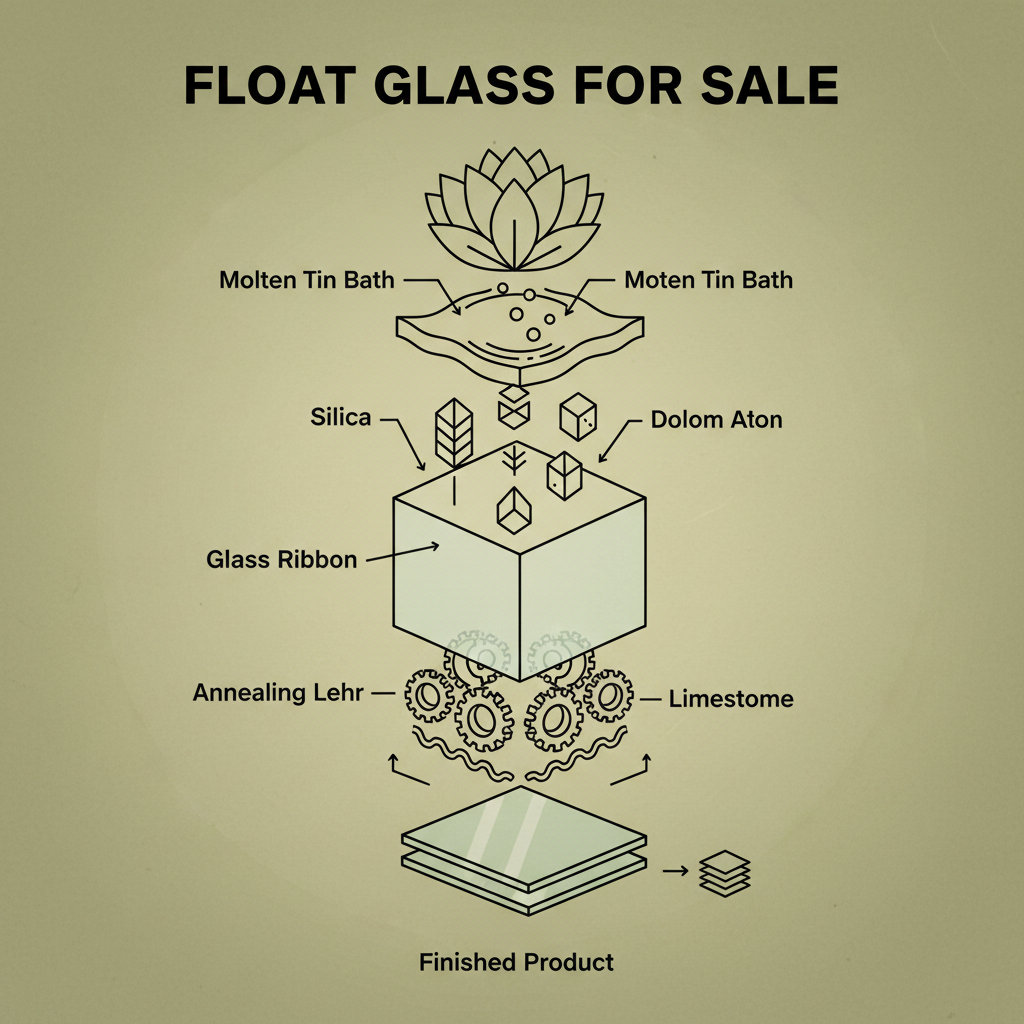
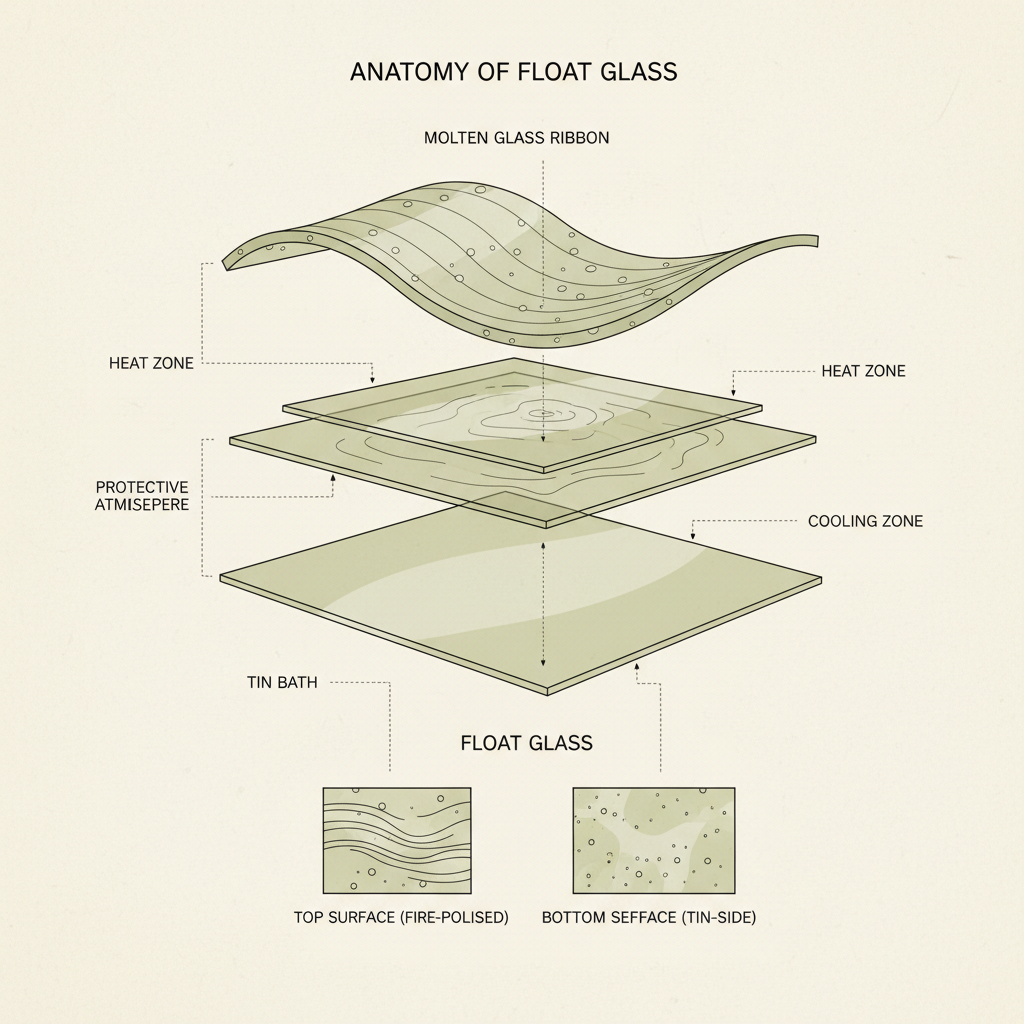
10mm float glass represents a standard thickness widely used in diverse applications requiring a balance of strength, clarity, and affordability. The "float" process, where molten glass is floated on a bed of molten tin, results in a perfectly flat surface with minimal distortion. This makes it an excellent choice for windows, doors, and various glazing needs.
Its standardized thickness of 10mm provides enhanced rigidity and sound insulation compared to thinner glass options, making it suitable for applications where greater durability is a priority. The versatility of 10mm float glass allows it to be further processed, such as tempering or laminating, to meet even more demanding performance criteria.
Global Relevance of 10mm Float Glass
The global production of float glass, including the 10mm variant, is a multi-billion dollar industry, with major manufacturing hubs in China, Japan, and Europe. According to industry reports, global flat glass demand has been steadily increasing, driven largely by construction growth in emerging economies. The United Nations projects continued urbanization worldwide, further fueling demand for high-quality building materials like 10mm float glass.
However, the industry faces challenges such as fluctuating raw material costs (sand, soda ash, limestone) and increasing environmental concerns related to energy consumption during manufacturing. The ISO 9001 quality management system is widely adopted by float glass manufacturers to ensure consistent product quality and meet international standards.
A significant problem addressed by 10mm float glass is the need for safe and durable glazing in buildings and vehicles. Its strength and clarity contribute to occupant safety and energy efficiency, which are critical considerations in modern construction and transportation.
Defining 10mm Float Glass
10mm float glass is a type of flat glass manufactured using the float process, resulting in a smooth, uniform surface. The “10mm” refers to its thickness, measured in millimeters. This thickness provides increased strength and rigidity compared to thinner glass sheets, making it suitable for applications requiring greater durability and sound insulation.
Its connection to modern industry is profound, serving as a foundational material for countless products, from architectural glazing to automotive windshields, furniture, and decorative items. It plays a vital role in enabling energy-efficient building design through improved insulation and reduced heat loss.
From a humanitarian perspective, 10mm float glass can be employed in the construction of durable and safe shelters, particularly in disaster relief scenarios. Its availability and relative affordability make it a practical choice for providing essential infrastructure in challenging environments.
Key Properties of 10mm Float Glass
The core attributes of 10mm float glass contribute to its wide-ranging usability. Firstly, its Durability ensures resistance to scratches, impacts, and weathering, providing a long-lasting and reliable glazing solution. Secondly, its Optical Clarity guarantees excellent light transmission and minimal distortion, enhancing visual comfort and aesthetics.
Furthermore, Thermal Insulation properties, while moderate in standard form, can be significantly enhanced through coatings or laminated structures, contributing to energy efficiency. Sound Insulation is improved compared to thinner glasses, reducing noise pollution in buildings. Finally, its Versatility allows for easy cutting, shaping, bending, and further processing, enabling customized solutions for diverse applications.
10mm Float Glass Performance Metrics
Applications of 10mm Float Glass
10mm float glass finds extensive use in architectural glazing for windows, doors, and curtain walls, providing both aesthetic appeal and structural integrity. It’s commonly employed in commercial buildings, residential properties, and public spaces where durability and safety are paramount. In the automotive industry, it’s used in windshields and side windows, contributing to driver and passenger safety.
Beyond construction and transportation, 10mm float glass is utilized in furniture manufacturing, such as tabletops and shelving units, offering a sleek and modern aesthetic. It’s also a popular choice for shower enclosures and partitions, providing a hygienic and visually appealing solution. The material's use is widespread in regions with significant construction sectors, like Asia-Pacific and North America.
In specialized applications, 10mm float glass can be found in solar panels (as a protective cover), display cases, and laboratory equipment, demonstrating its adaptability to diverse technical requirements. Even in post-disaster relief operations, it can be utilized in the rapid construction of temporary shelters.
Advantages of Using 10mm Float Glass
The primary advantage of 10mm float glass is its exceptional strength and durability, offering enhanced resistance to impacts and breakage compared to thinner alternatives. This translates to increased safety and reduced maintenance costs. Its excellent optical clarity provides unobstructed views and maximizes natural light transmission, creating brighter and more inviting spaces.
From a sustainability perspective, 10mm float glass is fully recyclable, reducing landfill waste and conserving natural resources. Its relatively low cost makes it an economically viable option for a wide range of projects. It fosters a sense of trust and security, knowing that structures utilizing 10mm float glass are built to withstand the rigors of daily use.
Future Trends in 10mm Float Glass Technology
Ongoing research and development efforts are focused on enhancing the performance of 10mm float glass through advanced coatings and laminations. Self-cleaning coatings, for example, reduce maintenance requirements and improve aesthetic appeal. Smart glass technologies, integrating features like electrochromic dimming, are gaining traction, offering greater control over light transmission and energy efficiency.
Furthermore, the industry is exploring sustainable manufacturing processes to reduce carbon emissions and minimize environmental impact. Automation and digitalization are streamlining production, improving quality control, and lowering costs. The integration of 10mm float glass with building information modeling (BIM) software is also gaining prominence, enabling more efficient design and construction workflows.
The rise of green building standards and energy-efficiency regulations will continue to drive demand for high-performance 10mm float glass products, such as low-E glass and insulated glazing units, contributing to a more sustainable built environment.
FAQS
10mm float glass provides significantly greater impact resistance compared to thinner glass types. In the event of breakage, it tends to shatter into smaller, less harmful fragments, reducing the risk of serious injury. Tempered 10mm float glass offers even greater strength and breaks into small, rounded pieces, making it an ideal choice for safety-critical applications like shower doors and railings.
While 10mm float glass provides good impact resistance, laminated glass offers superior security. Laminated glass consists of two or more layers of glass bonded together with an interlayer, typically polyvinyl butyral (PVB). If broken, the glass fragments adhere to the interlayer, maintaining structural integrity and preventing easy penetration. This makes it ideal for high-security applications.
10mm float glass offers some degree of sound insulation, particularly compared to thinner glass. However, its soundproofing performance can be significantly enhanced by using laminated glass with a specialized sound-dampening interlayer. Double-glazed units incorporating 10mm float glass and an air gap also provide substantial sound reduction.
10mm float glass is generally more expensive than thinner options like 4mm or 6mm glass due to the increased material cost and manufacturing complexity. However, it is typically less expensive than thicker glass options like 12mm or 19mm. Pricing varies depending on the size, shape, and any additional processing (tempering, lamination, coating).
Yes, 10mm float glass can be both tempered and laminated after being cut to the desired size and shape. Tempering involves heating the glass and then rapidly cooling it, increasing its strength and creating a characteristic safety break pattern. Lamination involves bonding two or more layers of glass with an interlayer, enhancing safety and security.
Float glass production is energy-intensive. However, manufacturers are increasingly adopting sustainable practices, such as using recycled glass cullet in the manufacturing process and optimizing energy efficiency. 10mm float glass is fully recyclable, reducing landfill waste. Proper disposal and recycling programs are crucial for minimizing the environmental impact.
Conclusion
In conclusion, 10mm float glass is a versatile and essential material playing a critical role in modern construction, transportation, and countless other applications. Its unique combination of strength, clarity, and processability makes it an ideal solution for diverse needs, offering both functional and aesthetic benefits. Understanding its properties and applications is paramount for professionals seeking durable, safe, and sustainable building materials.
Looking ahead, continued innovation in glass technology, coupled with a growing emphasis on sustainability, will further enhance the performance and environmental credentials of 10mm float glass. Embracing these advancements will unlock new possibilities for its application, contributing to a more resilient, energy-efficient, and visually appealing built environment. For all your 10mm float glass needs, visit our website: www.shzrglass.com.