0%

Table of Contents

To be honest, the whole float glass market’s been buzzing about low-iron glass lately. Everyone wants it for solar panels, apparently, and architectural projects where they need that extra clarity. Seems like every other spec sheet I look at now mentions it. But, have you noticed, it’s also driving up prices across the board? Makes it tougher for smaller jobs, you know, the everyday stuff. It’s not all high-end stuff, it’s the regular windows and doors that keep us busy, too.

I encountered this at a factory in Shaanxi last time, where they were trying to cut corners on the tempering process for a big contract. Almost shipped a whole container of glass that wouldn’t have passed a basic wind load test. It’s scary how easily things can go wrong if you're not constantly checking and re-checking. Anyway, I think quality control is something that’s really getting overlooked these days, everyone's too focused on speed and cost.

The sheer volume of float glass for sale is…well, it’s a lot. You get used to seeing stacks and stacks of it at the warehouses. It's almost boring, honestly, until something breaks. And it will break.

Comprehensive Guide to Float Glass for Sale and Quality Considerations

Understanding the Float Glass Landscape

Comprehensive Guide to Float Glass for Sale and Quality Considerations

Strangely enough, people underestimate how much the source of the raw materials affects the final product. You can smell the difference, honestly. The silica sand from different regions has slightly different impurities, and that impacts the clarity and strength. It's subtle, but after years of handling it, you start to notice. And it affects the price, of course. Good sand equals good glass, and good glass costs more.

The whole supply chain is a mess right now, too. Shipping costs are through the roof, and there are constant delays. It makes planning anything even a week out a real headache.

Defining Float Glass for Sale

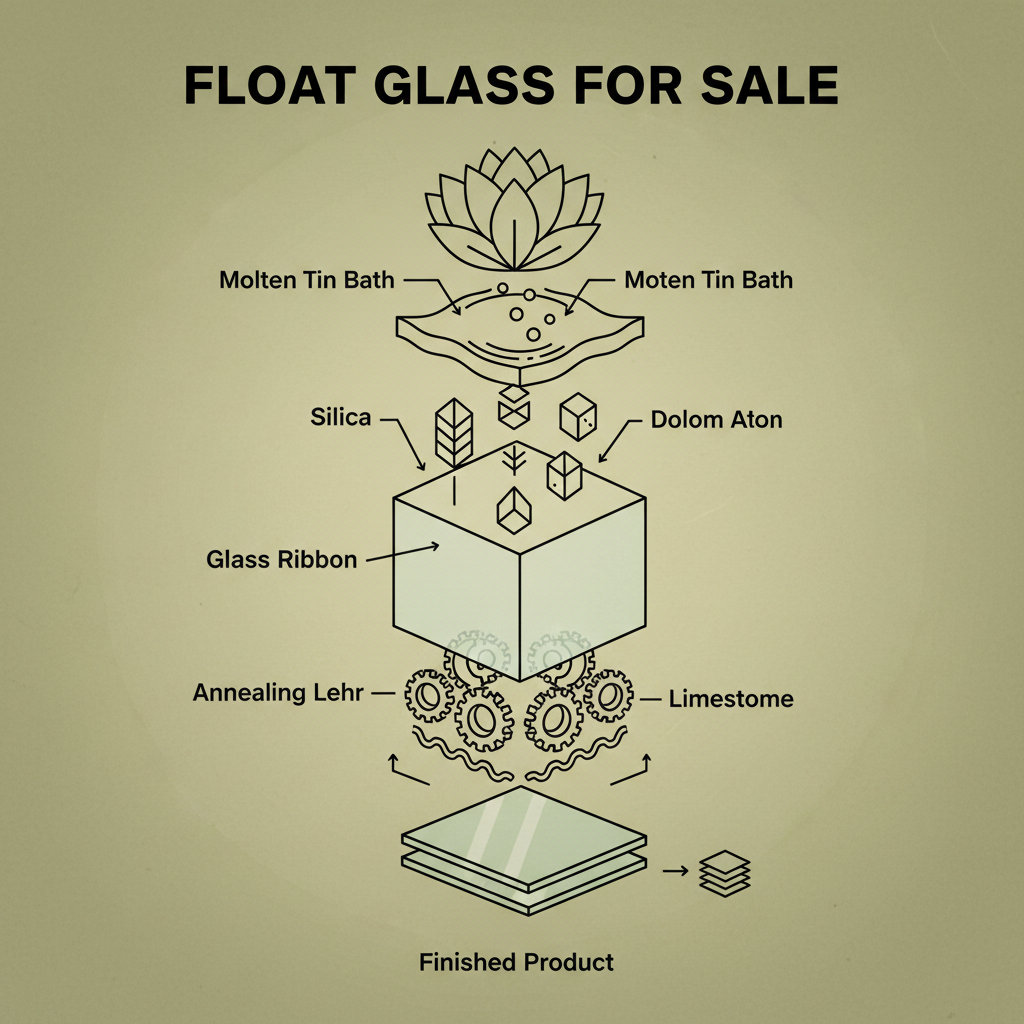
Float glass for sale…well, it’s pretty much the base material for everything. Windows, doors, car windshields, furniture, you name it. It’s made by floating molten glass on a bed of molten tin, which gives it that perfectly flat surface. Sounds simple, right? It’s not. The temperature control has to be perfect.

It’s become so crucial to modern construction. You look around, almost every building uses it. Think about it – the safety glass in those huge skyscrapers, the energy-efficient windows in homes… it’s all float glass, in one form or another.

Honestly, it's moved beyond just building material. It's integral to protecting people, making spaces livable, and improving energy efficiency. It's a far cry from the hand-blown glass of the old days.

Key Characteristics of Quality Float Glass

Durability is the big one, obviously. You don’t want your windows shattering in a storm. But it’s not just about impact resistance; it’s about how well it holds up over time against weathering and UV exposure. I've seen some cheap glass turn cloudy and brittle after just a few years.

Clarity is also critical, particularly for architectural applications. You want a glass that doesn’t distort the view, especially if you're paying a premium for a panoramic window. That's where the low-iron stuff comes in – it's almost crystal clear. But, again, it’s expensive.

Then there's thermal performance. You want glass that minimizes heat transfer, keeps your building warmer in the winter and cooler in the summer, and saves you money on energy bills. That's where things like low-E coatings come into play, but the base glass quality still matters.

Real-World Applications of Float Glass

You see it everywhere, seriously. Residential construction is a big one, of course. Windows, doors, shower enclosures…But it’s also used extensively in commercial buildings – office towers, shopping malls, hospitals. Basically, anywhere you need a large, transparent, and durable material.

I saw a really interesting application last year at a greenhouse project in Guangdong. They were using specialized float glass with diffused light transmission to create the ideal growing environment for orchids. It was a pretty sophisticated setup.

Float Glass Usage by Application


Advantages and Considerations

The biggest advantage, honestly, is the cost. Compared to other types of glass, float glass is relatively affordable. It’s also incredibly versatile – you can cut it, shape it, temper it, coat it…you can do almost anything with it.

But it's not perfect. It's heavy, for one thing, and can be difficult to handle. And it’s not as strong as some of the specialized glasses out there. You wouldn’t use it for something that requires extreme impact resistance.

Customization and Speciality Options

You want tinted glass? No problem. Reflective glass? Sure. Patterned glass? They can do that too. There's a whole world of options beyond the standard clear float. Last month, that small boss in Shenzhen who makes smart home devices insisted on changing the interface to , and the result was a three-week delay because they hadn’t accounted for the extra thickness in their designs. Same thing with glass – changes late in the process can be a nightmare.

We had a customer who needed extra-large sheets of glass for a museum project. They needed it to be almost six meters long. That required special manufacturing techniques and a lot of careful handling. It wasn't cheap, but they got exactly what they needed.

Testing & Performance Standards

You got your ISO standards, your ASTM standards…a whole alphabet soup of regulations. But honestly, the lab tests are one thing, real-world performance is another. We’ve all seen glass fail in unexpected ways.

We do a lot of on-site testing ourselves, just to be sure. Simple things, like checking for edge chips and surface imperfections. And we always do a visual inspection before anything gets installed. You can learn a lot just by looking closely.

There’s this one factory I visit regularly, and they have a dedicated "break test" area. They literally drop weights on the glass to see how it holds up. It's a bit brutal, but it’s effective.

Summary of Key Float Glass Testing Parameters

Test Parameter Testing Method Acceptable Range Importance Level (1-10)
Impact Resistance Drop Weight Test No Cracking/Fracturing 9
Thermal Shock Resistance Rapid Temperature Change Minimal Surface Cracking 7
Optical Clarity Visual Inspection & Light Transmission >90% Light Transmission 8
Dimensional Accuracy Precise Measurement with Calipers +/- 1mm Tolerance 6
Surface Defects Visual Inspection under Bright Light No Scratches, Bubbles, or Imperfections 7
Chemical Resistance Exposure to Cleaning Agents No Etching or Discoloration 5

FAQS

What is the typical lead time for large orders of float glass for sale?

Lead times can vary significantly based on quantity, customization, and current demand. Generally, for standard sizes and thicknesses, you can expect around 2-3 weeks. However, for large, customized orders, it could easily stretch to 6-8 weeks or even longer, especially if specialized coatings or treatments are required. It’s always best to inquire well in advance to avoid delays on your project.

How should float glass be stored on a construction site to prevent damage?

Proper storage is crucial! Always store float glass for sale flat on a level surface, ideally indoors or under a waterproof cover. Avoid storing it directly on the ground, as moisture can cause staining. Use spacers between sheets to prevent scratching and breakage. Also, make sure it’s protected from extreme temperature fluctuations and direct sunlight. And for goodness sake, don't lean anything against it!

What are the main differences between annealed and tempered float glass for sale?

Annealed glass is the standard float glass – it’s what you get if you don’t specify anything else. It's relatively inexpensive but breaks into large, sharp shards. Tempered glass, on the other hand, is heat-treated to make it much stronger, about four times stronger than annealed glass. When it breaks, it shatters into small, relatively harmless pieces. Tempered glass is essential for safety applications like doors and windows near walkways.

Is low-iron float glass worth the extra cost?

It depends on the application. If you need maximum clarity – for example, in architectural facades, museum displays, or solar panels – then yes, absolutely. The extra cost is justified by the improved visual performance. However, for more basic applications where clarity isn’t critical, standard float glass is perfectly adequate and will save you money. Don’t spend extra if you don’t need to.

Can float glass for sale be cut to custom shapes on-site?

Yes, but it requires specialized tools and expertise. You’ll need a glass cutter, a breaker, and proper safety gear. It’s generally best to have custom shapes cut professionally before delivery, as it minimizes waste and reduces the risk of breakage. On-site cutting should only be done by experienced glass handlers.

What are the environmental considerations when using float glass for sale?

Float glass production is energy-intensive, so choosing manufacturers with sustainable practices is important. Recycling glass is also crucial. Look for suppliers that use recycled glass cullet in their production process. And consider the thermal performance of the glass – energy-efficient glass can help reduce your building’s carbon footprint over the long term.

Conclusion

So, ultimately, float glass for sale is a deceptively simple material. It's the foundation of so much of what we build, and its quality impacts everything from safety and energy efficiency to aesthetics and durability. It's a market full of nuances – from raw material sourcing to manufacturing processes to on-site handling. It’s not always glamorous work, but it’s important.

And at the end of the day, whether this thing works or not, the worker will know the moment he tightens the screw. You can run all the tests you want in a lab, but real-world performance is what truly matters. That's why experience and attention to detail are so crucial in this business. Don’t skimp on quality, and always listen to the guys on the ground – they usually know what’s up.

Kevin Garcia

Kevin Garcia

Kevin Garcia is the Logistics Coordinator at Shahe Zhuorui Glass Products Co., Ltd. Kevin manages the complex process of shipping glass products internationally, coordinating with carriers and ensuring efficient delivery to customers worldwide. He’s responsible for streamlining the logistics process, minimizing costs, and resolving any shipping challenges. Since joining the
Previous Exploring the Versatility and Applications of 1 2 Float Glass
Next Understanding Float Glass Images and Practical Construction Considerations
Copyright © 2026 All Rights Reserved. Sitemap | Privacy Policy | Top Blog