

Jan . 28, 2026 00:05
In modern architecture and construction, safety and aesthetics are paramount. Design toughened glass plays a crucial role in achieving both, offering superior strength, durability, and design flexibility. This article delves into the various applications, benefits, and considerations surrounding design toughened glass, with a focus on its growing importance in global construction projects. Understanding the properties of this specialized glass is essential for architects, builders, and homeowners seeking innovative and secure solutions.
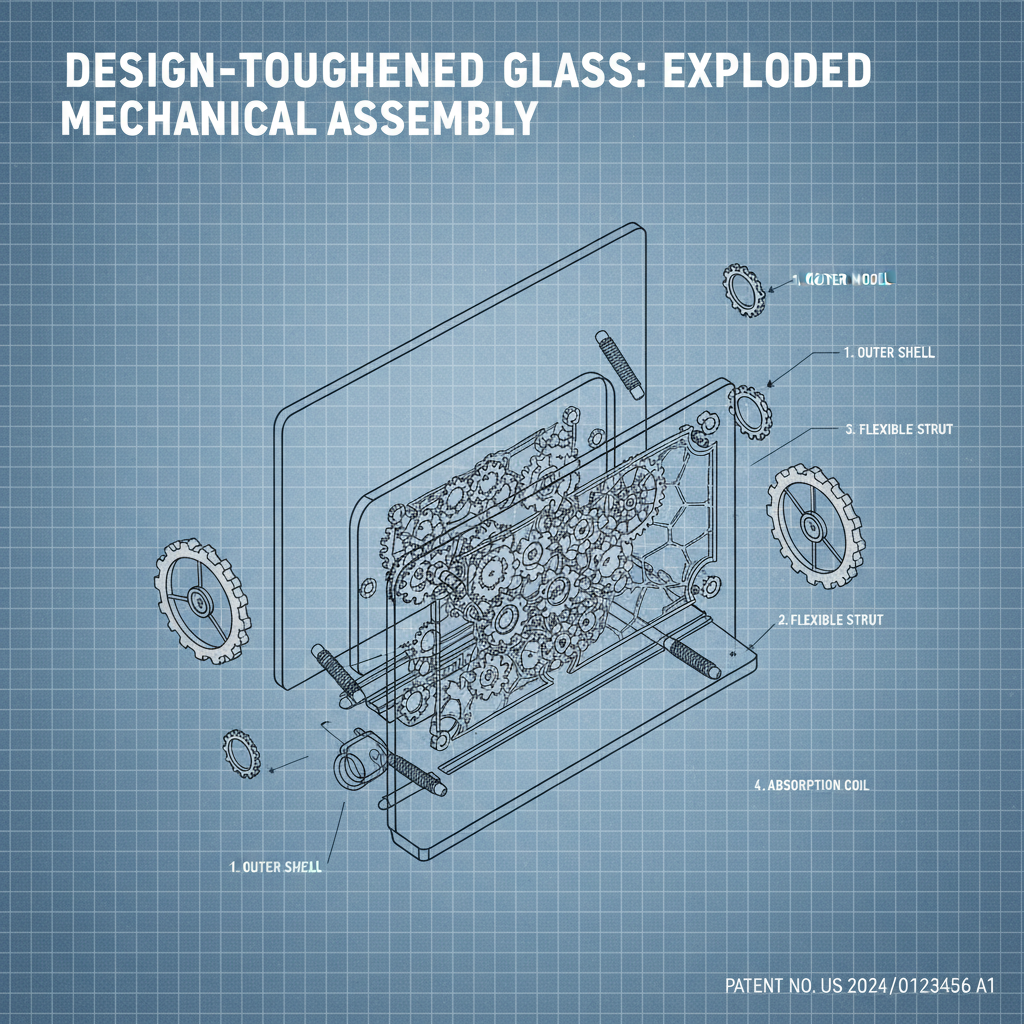
Toughened glass, also known as tempered glass, is created through a controlled thermal process. Regular glass is heated to a high temperature and then rapidly cooled. This process creates a compressive stress on the surface of the glass, making it significantly stronger than standard glass. When broken, toughened glass shatters into small, relatively harmless pieces, reducing the risk of serious injury. This makes it an ideal choice for safety-critical applications. Shzr Glass specializes in customized toughening processes to meet diverse client needs.
Key Benefits of Toughening: Increased strength, enhanced safety upon breakage, and superior thermal stability.
Design toughened glass finds extensive use in various architectural and design applications. Common examples include: storefronts, glass doors, shower enclosures, railings, furniture, and automotive windows. Its strength allows for larger glass panels with minimal framing, providing unobstructed views and maximizing natural light. It's also frequently used in areas prone to high winds or seismic activity. The versatility of this glass makes it a favored material for modern building designs.
Common Application Areas:
• Commercial Building Facades
• Residential Windows and Doors
• Skylights and Glass Roofs
• Interior Glass Partitions
The key difference between design toughened glass and regular glass lies in their strength and breakage characteristics. Regular glass breaks into large, sharp shards, posing a significant safety hazard. Toughened glass, on the other hand, breaks into small, dull fragments, minimizing the risk of injury. Furthermore, toughened glass is approximately four to five times stronger than annealed glass, making it more resistant to impact and thermal stress. Selecting the appropriate glass type is crucial for ensuring safety and structural integrity. Contact Shzr Glass to learn which type suits your specific project needs.
Several factors contribute to the cost of design toughened glass. These include the thickness of the glass, the size and shape of the panel, any special coatings or treatments applied (such as low-E coatings or silk-screening), and the complexity of the cutting and fabrication process. Larger and more intricately shaped panels generally cost more due to increased material waste and manufacturing time. Additionally, lead times can vary depending on the manufacturer and the complexity of the order.
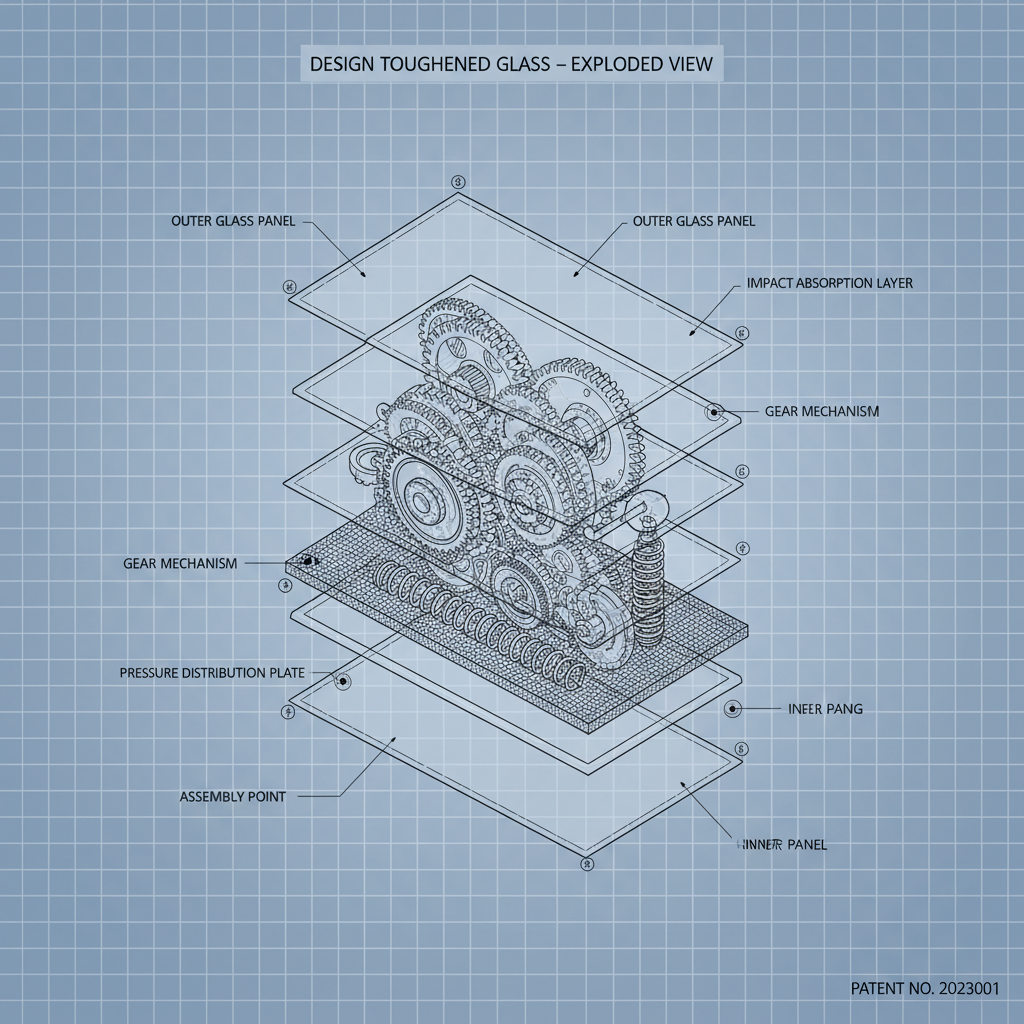
When sourcing design toughened glass, it's vital to choose a reputable supplier who adheres to industry standards and quality control procedures. Look for certifications like ISO 9001, which demonstrate a commitment to quality management. Verify that the glass meets relevant safety standards for your region, such as ANSI Z97.1 in the United States or EN 12150 in Europe. Proper installation is also critical to ensure the glass performs as intended. Shzr Glass provides full quality control and compliance documentation with every order.
Investing in design toughened glass is a smart choice for projects prioritizing safety, durability, and aesthetic appeal. As building codes become more stringent and design trends evolve, the demand for high-performance glass solutions will continue to grow. Choose a reliable partner like Shzr Glass to ensure you receive quality products and expert guidance.
Lead times vary depending on the complexity of the order, the quantity required, and current production schedules. Generally, standard sizes and thicknesses can be delivered within 2-3 weeks. Custom shapes, coatings, or large-volume orders may require 4-6 weeks or longer. It's always best to discuss your specific requirements with a sales representative to obtain an accurate lead time estimate. Factors such as the availability of raw materials can also influence delivery times. We, at Shzr Glass, strive to provide clear communication and meet agreed-upon deadlines.
No, toughened glass cannot be cut, drilled, or altered in any way after it has been processed. The toughening process creates significant internal stresses within the glass. Any attempt to modify it afterward will likely cause it to shatter. Therefore, all cutting, drilling, and edge work must be completed before the toughening process. Precise measurements and careful planning are essential to ensure the final product meets your specifications.
A variety of coatings can be applied to design toughened glass to enhance its performance characteristics. Common coatings include low-E coatings for improved energy efficiency, anti-reflective coatings for increased clarity, and decorative coatings for aesthetic purposes. Ceramic frit patterns can also be applied for shading or privacy. The coating application can be performed before or after the toughening process, depending on the coating type.
Design toughened glass is suitable for a wide range of climates. Its thermal resistance makes it less susceptible to cracking or breaking due to temperature fluctuations. However, in extreme climates with significant temperature swings or high humidity, it’s important to consider appropriate glass thickness and coatings to optimize performance. Proper installation and sealing are also crucial to prevent moisture intrusion and ensure long-term durability.
Premium Custom Bathroom Mirrors for Modern Home Interior Design
NewsApr.16,2026
Professional Mirror Glass Cut to Size for Modern Interior Design
NewsApr.09,2026
Discover the Benefits of Custom Size Mirrors for Your Home or Business
NewsApr.07,2026
Custom Cut Mirror Solutions for Perfectly Sized Reflections and Design
NewsApr.04,2026
Enhance Your Space with Beautifully Crafted Custom Mirrors by SHZR Glass
NewsMar.31,2026
Is Mirror Glass Expensive A Detailed Cost Guide and Considerations
NewsMar.28,2026