

Oct . 01, 2025 10:05
If you’ve ever specified glazing for a façade, a lab partition, or even a high-end showcase, you know the quiet hero is plain old clear float glass. It’s not the flashy low‑E or the photochromic stuff, but it’s the substrate everything else sits on. Demand is steady, and—actually—in markets like Southeast Asia and the Middle East, it’s growing thanks to booming construction and interior fit‑out. Hebei’s Shahe cluster (yes, the one you’ve heard about) continues to be a global workhorse.
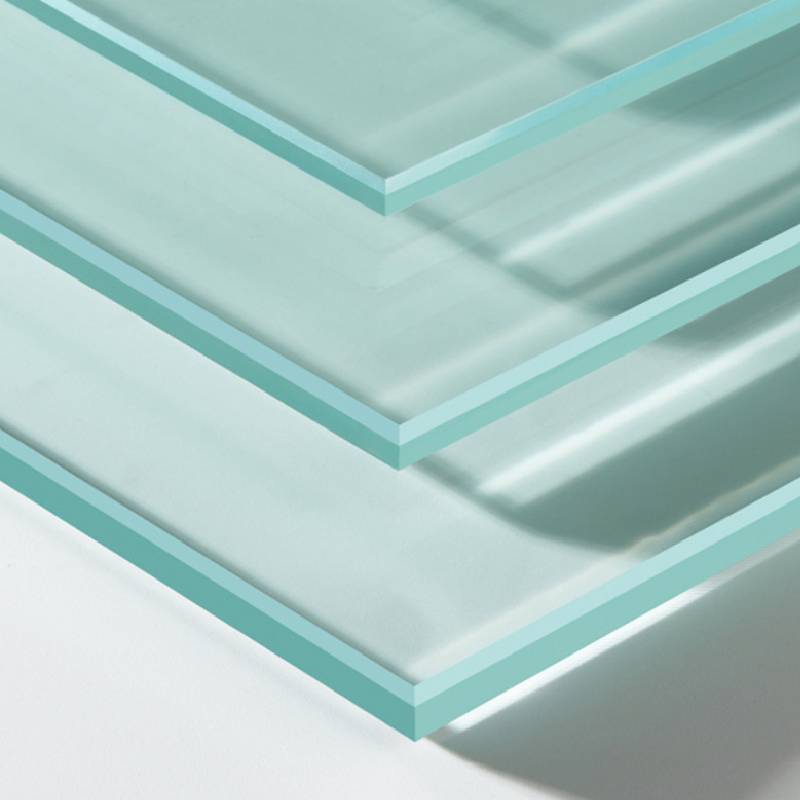
Raw materials—high‑purity silica sand, soda ash, limestone, plus clarifiers—are batched and melted ≈1500–1600°C. The molten ribbon floats on a tin bath, forming that signature mirror-flat surface. It’s then cooled in an annealing lehr to relieve stress, cut to size, and inspected with optical scanners. Typical standards referenced on line: EN 572‑2, ASTM C1036, and China’s GB/T 11614. To be honest, the difference you feel in the field is consistency: sheet flatness, bubble/seam control, and edge quality after cutting.
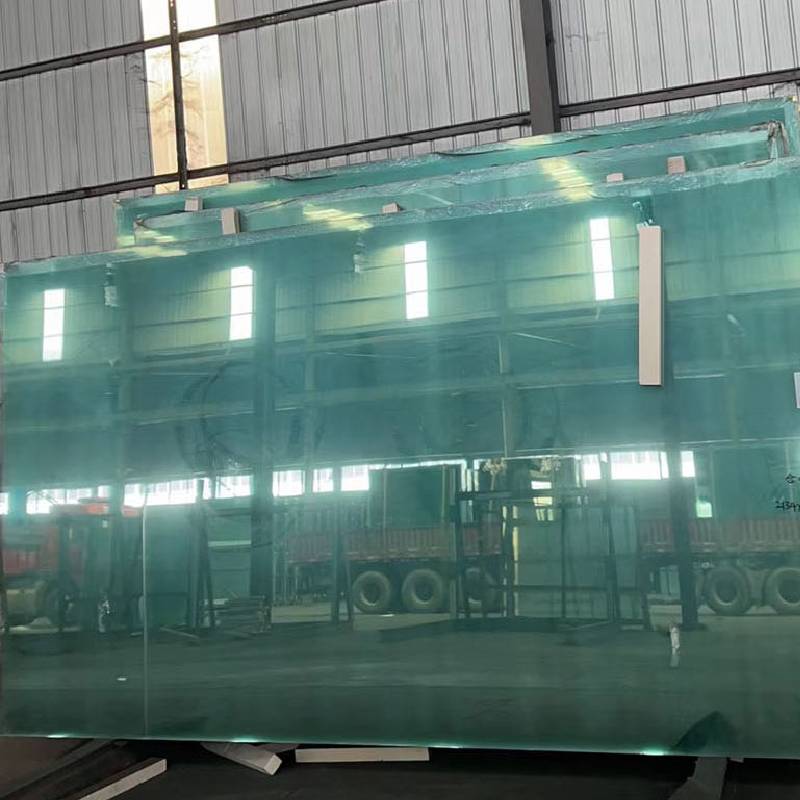
| Parameter | Typical | Notes |
|---|---|---|
| Thickness | 2–19 mm | Common: 3, 4, 5, 6, 8, 10, 12 mm |
| Max size | ≈ 2440 × 3660 mm | Jumbo options vary by line |
| VLT (4 mm) | ≈ 89% | ISO 9050 method; real-world use may vary |
| Solar transmittance (4 mm) | ≈ 83% | Before coating/laminating |
| Density | ≈ 2.5 g/cm³ | Soda‑lime glass |
| Flatness | ≤ 0.2–0.3 mm/m | Typical float line performance |
| Surface quality | Per EN 572 / ASTM C1036 | Scratch/blemish class as ordered |
| Service life | 25–50 years | Assumes proper framing and sealants |
Testing commonly includes optical distortion scans, thickness caliper checks, edge chip criteria, and acid/alkali resistance trials. Many customers say the acid resistance is “surprisingly good” for lab partitions and food facilities—helps with cleaning chemicals.
Pros: smooth optical finish, stable chemistry, strong mechanical base, and readily customizable—cut‑to‑size, edge‑worked, tempered, laminated, or coated (Low‑E, reflective). Price‑performance is, frankly, hard to beat.
| Vendor | Location | Thickness | MOQ | Lead time | Certs |
|---|---|---|---|---|---|
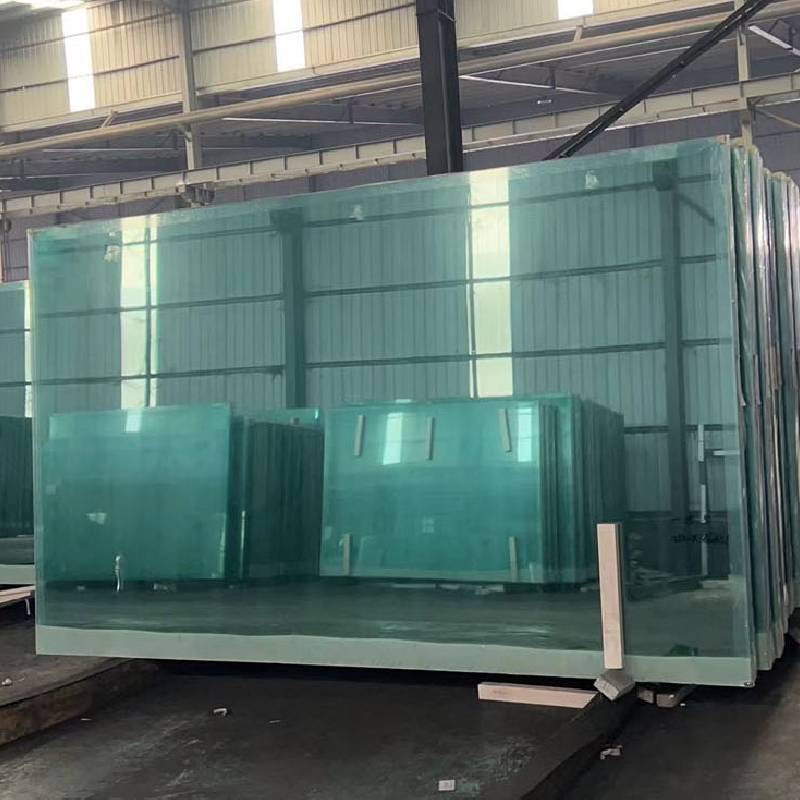
| SHZR Glass | 800 m S. of Prov. Rd 329, Dev. Zone, Shahe, Hebei | 2–19 mm | ≈ 20–25 t (1×20GP) | 7–15 days | ISO 9001, CE, CCC |
| Xinyi Glass | CN/SEA | 2–19 mm | Container lot | 10–20 days | ISO, CE |
| Guardian/AGC (regional) | EU/US/MEA | 2–19 mm | Project‑based | Project‑based | ISO, CE |
Note: MOQ/lead times are indicative; coatings/tempering add time.
Offerings often include cut‑to‑size, arrised/polished edges, drilling, tempering, heat‑strengthening, laminating with PVB/EVA, and IGU assembly. QA references I’ve seen: EN 572‑2 dimensional and visual checks, ASTM C1036 Type I Class 1, and GB/T 11614 for float quality. Batch reports usually show thickness, VLT, bow/warp, and defect counts.
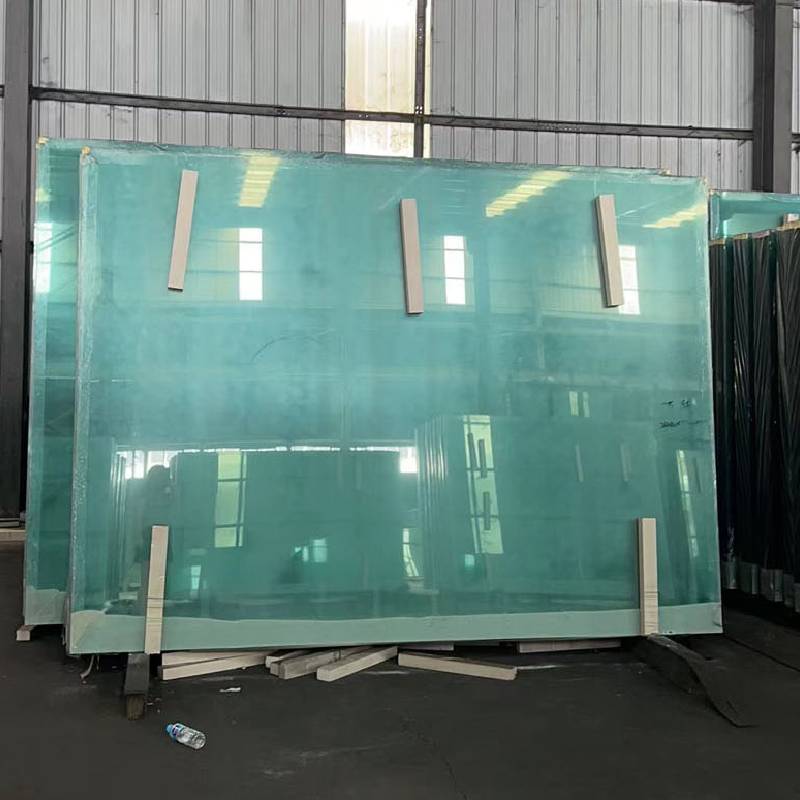
A mid‑rise in Manila specified 6 mm clear float glass tempered and paired in IGUs. Lab test cards showed VLT ≈ 88% (4 mm basis), SHGC ≈ 0.86 uncoated; final IGU with low‑E cut SHGC to ≈ 0.42. Site team feedback? “Clean reflections, low roller wave, easy cutting for spandrels.” No corrosion issues after coastal-salt spray exposure tests (neutralized washdown routine).
Trend-wise, low‑iron wins in premium retail, but standard clear float glass remains the budget‑smart baseline for façades and interiors. Expect more inline defect detection and tint consistency controls. And yes, more jumbo sizes for unitized curtain wall.
Premium Custom Bathroom Mirrors for Modern Home Interior Design
NewsApr.16,2026
Professional Mirror Glass Cut to Size for Modern Interior Design
NewsApr.09,2026
Discover the Benefits of Custom Size Mirrors for Your Home or Business
NewsApr.07,2026
Custom Cut Mirror Solutions for Perfectly Sized Reflections and Design
NewsApr.04,2026
Enhance Your Space with Beautifully Crafted Custom Mirrors by SHZR Glass
NewsMar.31,2026
Is Mirror Glass Expensive A Detailed Cost Guide and Considerations
NewsMar.28,2026