

Sep . 22, 2025 11:45
In contemporary architecture and interior design, material selection plays a pivotal role in achieving both aesthetic and functional objectives. Among the innovations gaining significant traction is patterned glass, specifically the distinct moru glass texture. Characterized by its parallel, often subtle, vertical flutes, Moru glass offers a unique blend of diffused light transmission and enhanced privacy, making it an ideal choice for a diverse range of B2B applications, from commercial office partitions to sophisticated retail displays and hospitality interiors. This article delves into the technical specifications, manufacturing processes, application scenarios, and strategic advantages of leveraging Moru glass for discerning professionals.
The global architectural glass market is experiencing robust growth, driven by increasing urbanization, infrastructure development, and a strong emphasis on sustainable and aesthetically pleasing building materials. Within this segment, decorative and specialty glass, including Moru glass, is witnessing a surge in demand. Market analysis indicates a compound annual growth rate (CAGR) for patterned glass exceeding 6% from 2023 to 2028, primarily fueled by its versatility and ability to meet evolving design paradigms. The shift towards biophilic design principles and the desire for enhanced natural light without compromising privacy have positioned Moru glass as a preferred material. Its ability to create visual separation while maintaining an open, airy feel aligns perfectly with modern design sensibilities in corporate, healthcare, and educational environments.
Furthermore, advancements in glass manufacturing techniques, allowing for greater customization in terms of pattern depth, clarity, and integration with other glass types (e.g., laminated or tempered), are broadening its application scope. The emphasis on energy efficiency also plays a role, as Moru glass can diffuse harsh sunlight, reducing glare and heat gain, thereby contributing to lower cooling costs in commercial buildings.
The creation of the distinct moru glass texture involves a precise and controlled manufacturing process, ensuring both aesthetic quality and structural integrity. Understanding this process is crucial for B2B specifiers to appreciate the product's performance attributes.
The raw materials are typically high-grade silicate glass. While the primary process is casting, subsequent treatments can involve CNC machining for precise edge work or lamination. Moru glass typically offers a service life exceeding 20 years in indoor applications and 10-15 years in exposed exterior settings, provided it is properly installed and maintained. Target industries include architectural glazing, interior design, furniture manufacturing, and even specialized applications in sectors requiring controlled light diffusion and aesthetic appeal.
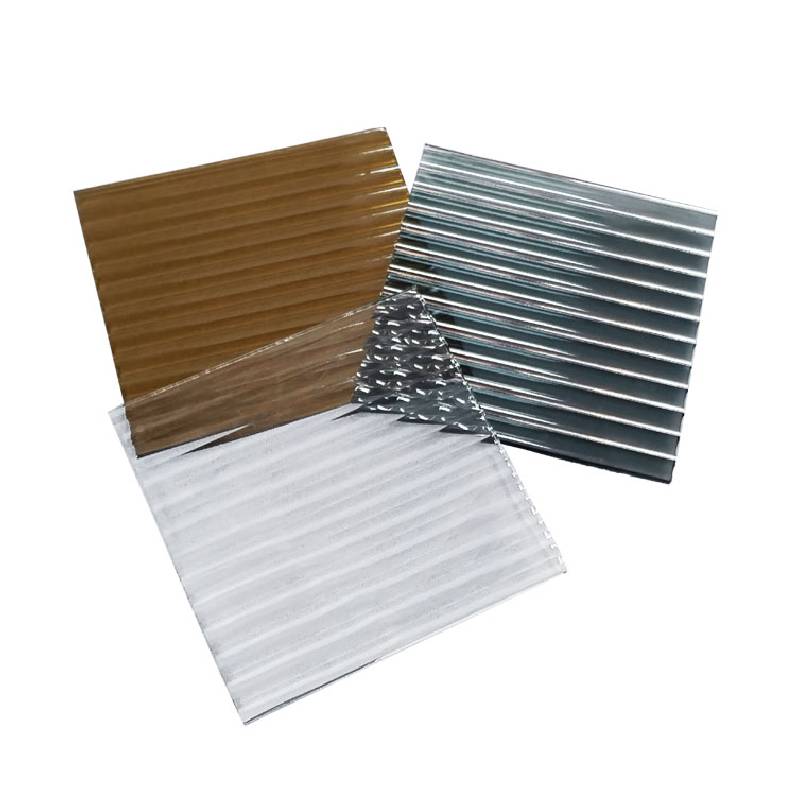
Fig 1: Illustrative example of Moru glass texture in a design context.
For B2B decision-makers, understanding the precise technical specifications of 4mm Moru pattern fluted glass is paramount to ensuring its suitability for specific project requirements. These parameters dictate performance in areas such as light management, thermal insulation, and structural integrity.
| Parameter | Specification (4mm Thickness) | Testing Standard |
|---|---|---|
| Nominal Thickness | 4.0 mm (±0.2 mm) | EN 572-2 / ASTM C1036 |
| Light Transmission (Visible) | 75-80% (dependent on flute depth) | EN 410 / ASTM E903 |
| Haze Factor | 30-40% | ASTM D1003 |
| Solar Heat Gain Coefficient (SHGC) | 0.75 - 0.80 | NFRC 200 |
| U-Value (Single Glazing) | ~5.7 W/(m²·K) | EN 673 |
| Density | 2500 kg/m³ | ISO 1183 |
| Mohs Hardness | 5.5 - 6.5 | ISO 5013 |
| Maximum Size (Typical) | 2440 mm x 3660 mm | Manufacturer Specific |
These specifications highlight the Moru glass's capability for both aesthetic and performance-driven applications. Its moderate light transmission combined with a significant haze factor effectively scatters light, minimizing glare while ensuring privacy. The density and hardness indicate its suitability for robust interior applications, and its U-value, though typical for single glazing, can be significantly enhanced when integrated into insulated glass units (IGUs).
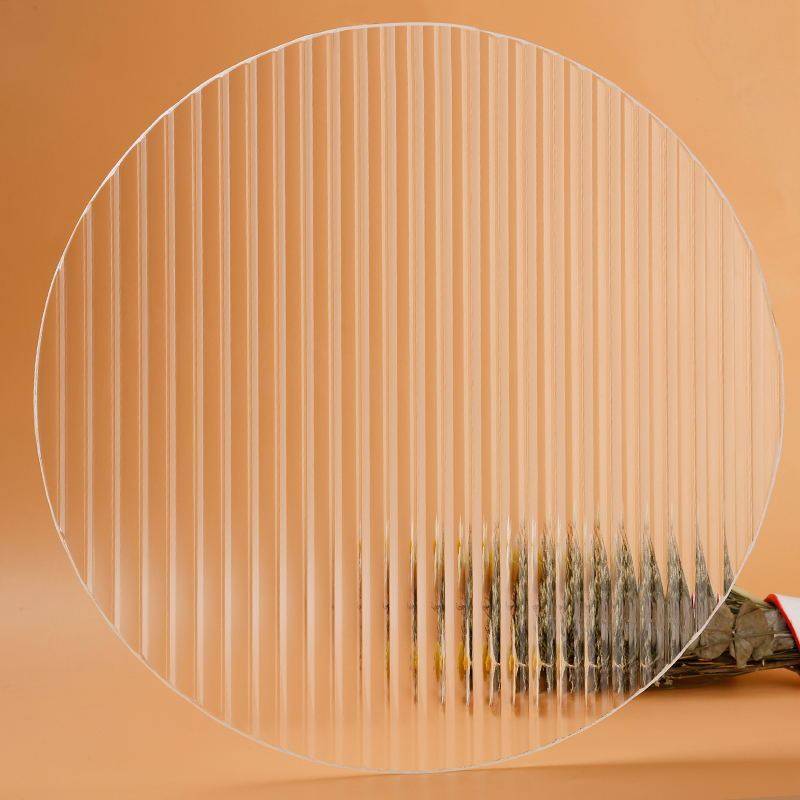
Fig 2: Close-up of Moru glass texture showing flute detail and light diffusion.
The unique attributes of the moru glass texture confer several distinct technical and functional advantages that make it a superior choice for various B2B projects:
These advantages underscore Moru glass as a high-performance material capable of addressing complex design and functional challenges in diverse commercial and industrial environments.
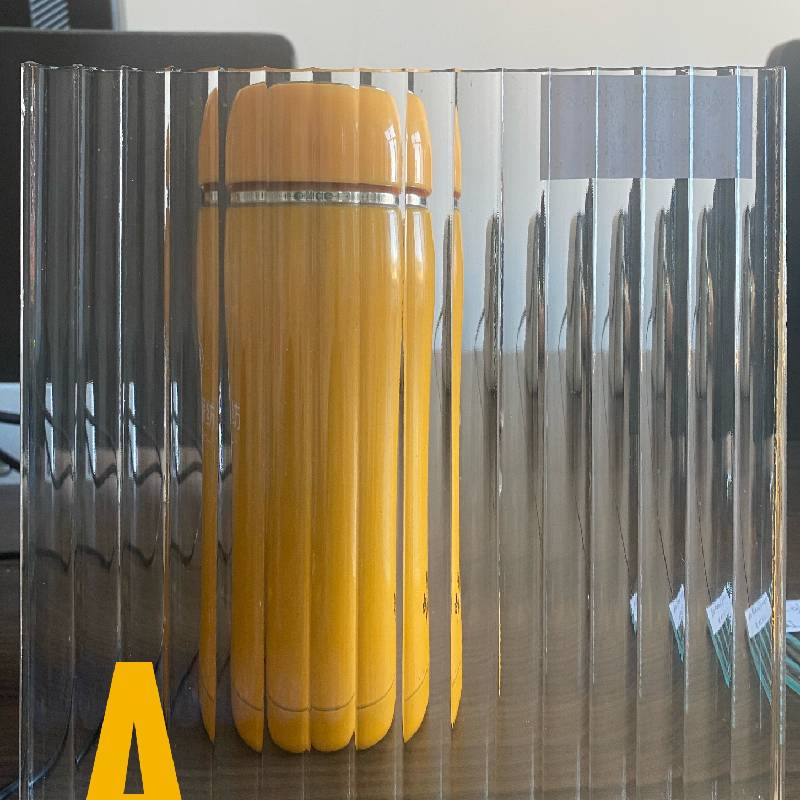
Fig 3: Moru glass used in an office partition, demonstrating privacy and light diffusion.
Moru glass's unique combination of aesthetics and functionality makes it highly adaptable across numerous B2B sectors. Its ability to sculpt light and create visual interest while maintaining practical benefits positions it as a preferred material for discerning designers and architects.
In a typical application scenario, consider a corporate office utilizing Moru glass for its executive meeting room partitions. The glass provides visual separation, allowing private discussions, yet still permits natural light to penetrate the inner office space, reducing the need for artificial lighting and fostering a sense of openness. This contributes to energy saving by leveraging daylighting and enhances employee well-being by connecting them with natural light.
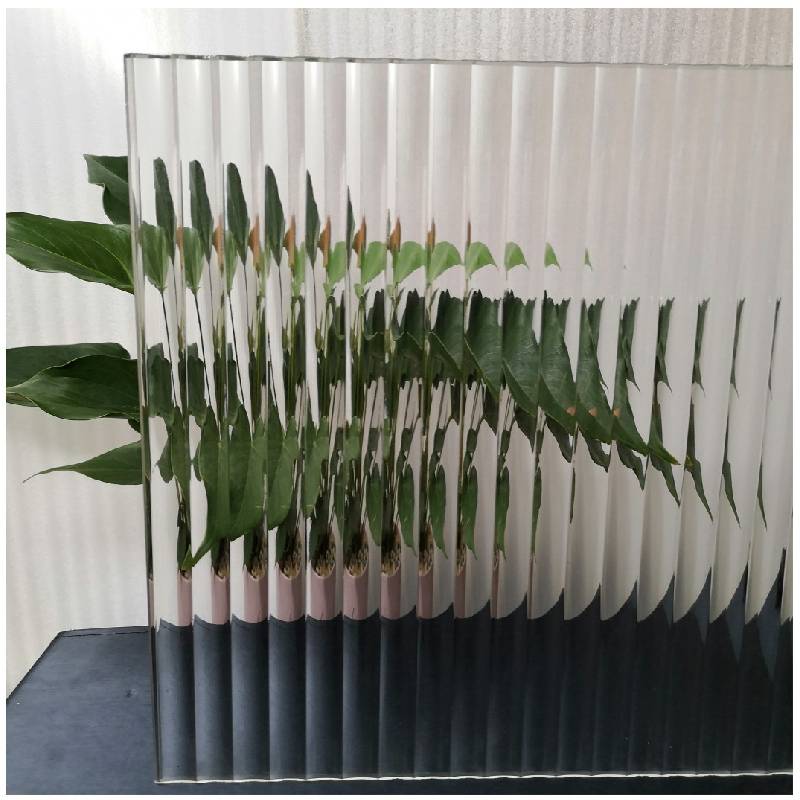
Fig 4: Moru glass integrated into a modern interior design for visual separation.
Choosing the right supplier for Moru glass is a critical decision for B2B procurement, impacting project timelines, budget, and long-term product performance. Key factors to consider include manufacturing capabilities, quality assurance, customization options, and after-sales support.
| Feature/Vendor | Vendor A (e.g., Shanghai ZhiRui Glass Co., Ltd.) | Vendor B (Competitor) | Vendor C (Specialized Boutique) |
|---|---|---|---|
| Certifications & Standards | ISO 9001, CE, ASTM, ANSI | ISO 9001, CE | Limited; Focus on design |
| Thickness Range | 3mm - 12mm | 4mm - 8mm | 6mm - 10mm |
| Customization Options | High (sizes, patterns, treatments, lamination) | Moderate (standard sizes, basic treatments) | High (bespoke patterns, specialized coatings) |
| Lead Time (Standard Orders) | 2-3 weeks | 3-4 weeks | 4-6 weeks |
| Project Support | Dedicated technical support, design consultation | Standard sales support | Design-focused consultation |
| Warranty Period | 10 years (product defects) | 5 years (product defects) | 2-5 years (design defects) |
Choosing a vendor with comprehensive certifications (ISO, ASTM, CE) ensures adherence to global quality and safety standards. Robust customization capabilities are crucial for meeting unique project demands, while competitive lead times and dedicated technical support facilitate smooth project execution. Vendors with a longer warranty period typically indicate higher confidence in their product's durability and performance, which is a key factor in B2B investments.
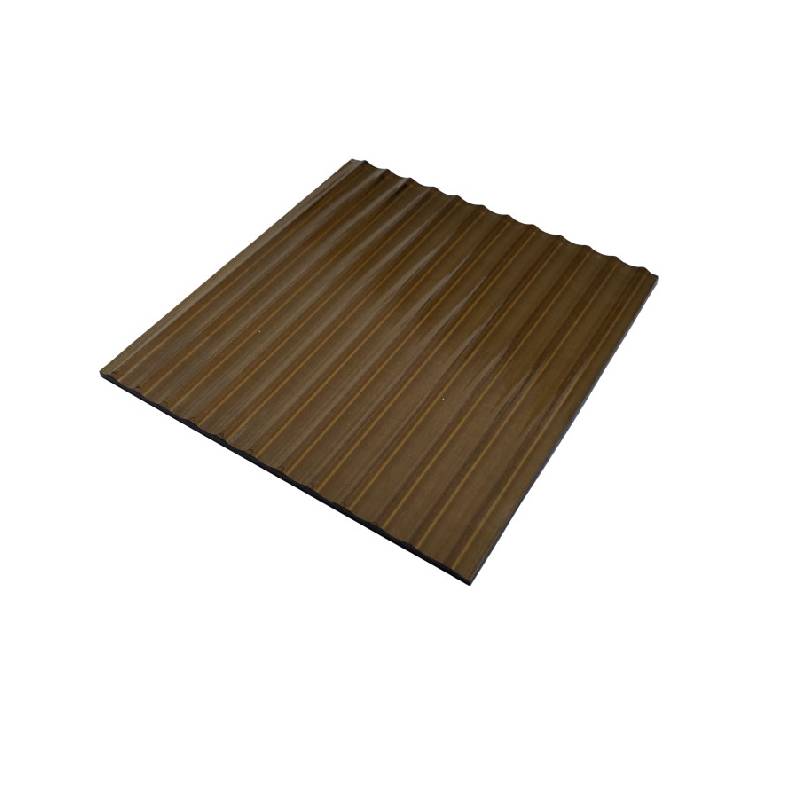
Fig 5: Vendor's quality control process for patterned glass.
While standard 4mm Moru pattern fluted glass offers significant advantages, many B2B projects require tailored solutions to perfectly align with specific design visions and functional demands. Leading manufacturers provide extensive customization options for Moru glass.
These customized solutions enable architects and designers to leverage the unique aesthetic of Moru glass while precisely meeting performance requirements such as specific U-values, sound transmission class (STC) ratings, or resistance to impact. Partnering with a manufacturer capable of extensive customization ensures that the final product integrates seamlessly into complex architectural visions.
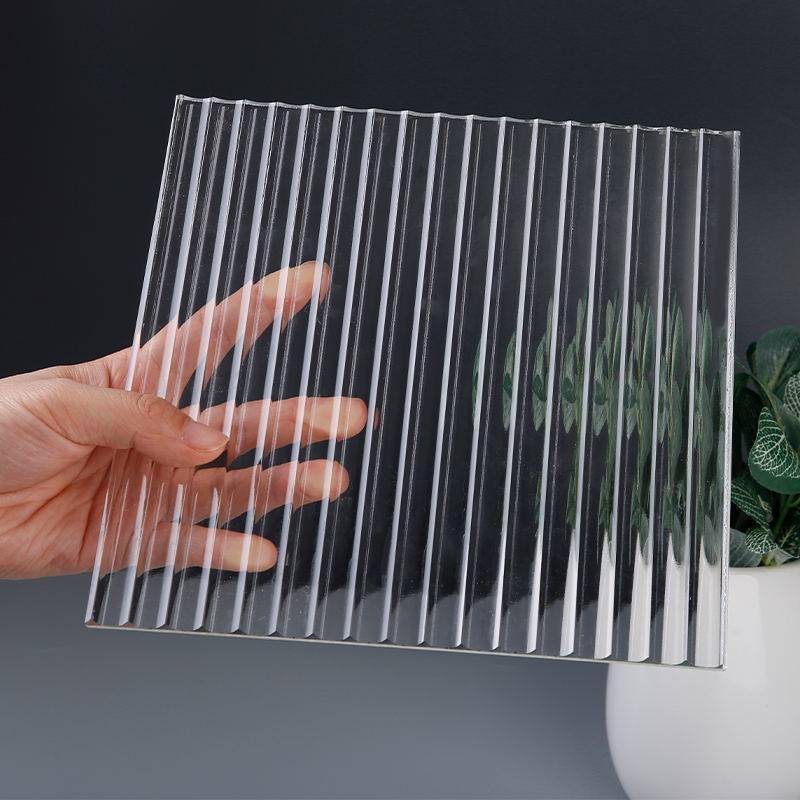
Fig 6: Customized Moru glass with polished edges and integrated hardware.
Real-world application demonstrates the transformative power of moru glass texture in various B2B environments, highlighting its practical and aesthetic value.
A leading tech firm sought to redesign its open-plan office into more defined work zones without sacrificing natural light or the feeling of spaciousness. The challenge was to create private meeting rooms and executive offices that offered visual separation without complete isolation.
A luxury boutique hotel required shower enclosures that offered guest privacy and a high-end, contemporary design aesthetic, moving away from traditional clear glass. Durability and ease of cleaning were also crucial.
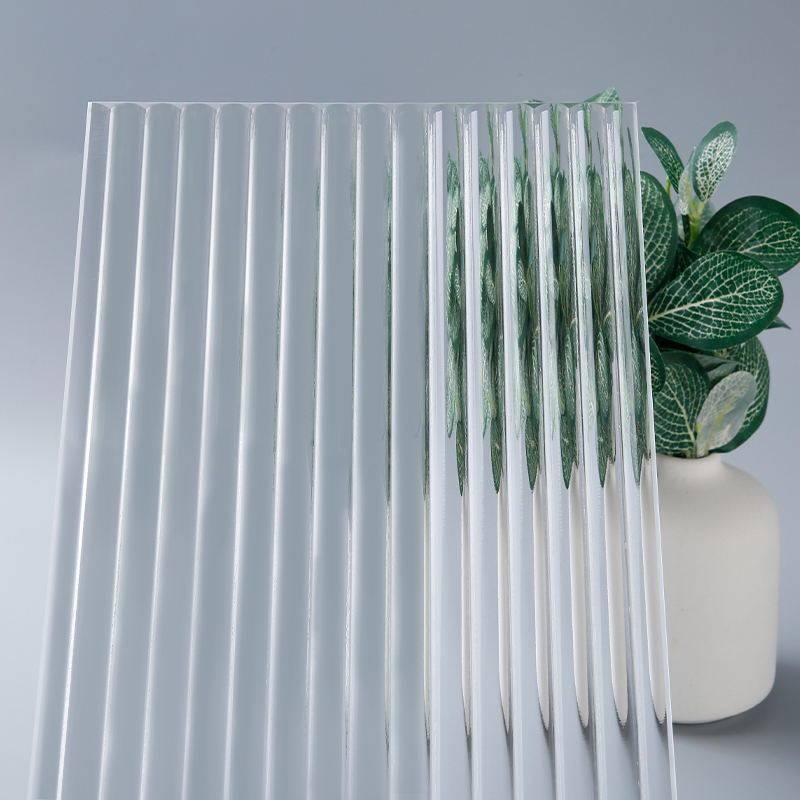
Fig 7: Moru glass utilized in a bathroom setting, showcasing privacy and design elegance.
Establishing trust is paramount in B2B partnerships. Manufacturers of moru glass texture are committed to transparency regarding product quality, delivery, and post-purchase support, underpinned by adherence to rigorous industry standards.
Standard orders for 4mm Moru pattern fluted glass typically have a lead time of 2-3 weeks from order confirmation to dispatch, depending on volume and specific customization requirements. Larger or highly customized orders, especially those involving tempering or lamination, may require 4-6 weeks. Expedited services are often available upon request, subject to production scheduling. Our logistics partners ensure secure and timely delivery to project sites globally, with strict adherence to packaging standards (e.g., wooden crates, interleaf paper) to prevent damage during transit.
We stand behind the quality of our Moru glass products with a comprehensive 10-year limited warranty against manufacturing defects, including issues such as delamination (for laminated glass), pattern inconsistencies, or permanent visual flaws that impede performance under normal use and proper installation as per industry standards (e.g., GANA, PPG). This warranty underscores our commitment to delivering reliable, high-quality glass solutions certified by ISO and meeting ASTM/ANSI performance criteria.
Our dedicated technical support team is available to assist B2B clients through every stage of their project, from initial specification and design consultation to post-installation inquiries. We provide expert guidance on product selection, performance characteristics, installation best practices, and troubleshooting. Clients can reach us via phone, email, or through our online portal for prompt and professional assistance. Partner clients benefit from direct access to project managers who ensure seamless communication and execution.
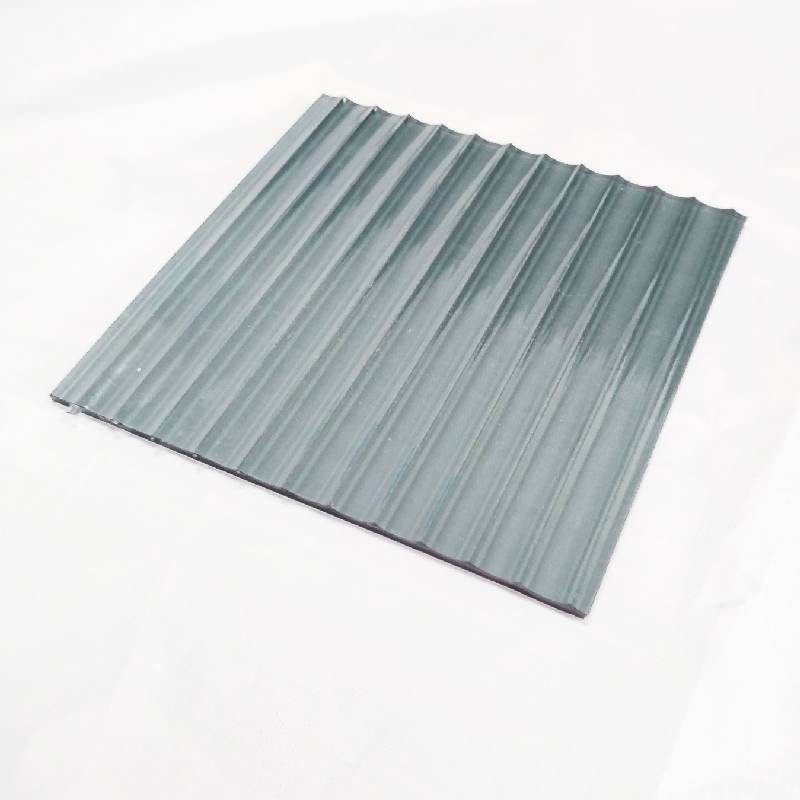
Fig 8: Packaging and logistics for secure delivery of Moru glass.
The moru glass texture stands as a testament to the intersection of aesthetic innovation and functional engineering in modern B2B material specification. Its ability to elegantly diffuse light, provide subtle privacy, and contribute to sophisticated design schemes makes it an indispensable asset for architects, interior designers, and construction professionals. From its meticulous manufacturing process ensuring quality and durability, through its diverse application scenarios, to the extensive customization options and robust vendor support, Moru glass offers a compelling value proposition. By integrating Moru glass into projects, businesses can achieve environments that are visually captivating, functionally optimized, and conducive to well-being and productivity, aligning with the highest standards of contemporary design and performance.
Premium Custom Bathroom Mirrors for Modern Home Interior Design
NewsApr.16,2026
Professional Mirror Glass Cut to Size for Modern Interior Design
NewsApr.09,2026
Discover the Benefits of Custom Size Mirrors for Your Home or Business
NewsApr.07,2026
Custom Cut Mirror Solutions for Perfectly Sized Reflections and Design
NewsApr.04,2026
Enhance Your Space with Beautifully Crafted Custom Mirrors by SHZR Glass
NewsMar.31,2026
Is Mirror Glass Expensive A Detailed Cost Guide and Considerations
NewsMar.28,2026