Introduction to Patterned Obscure Glass Technology
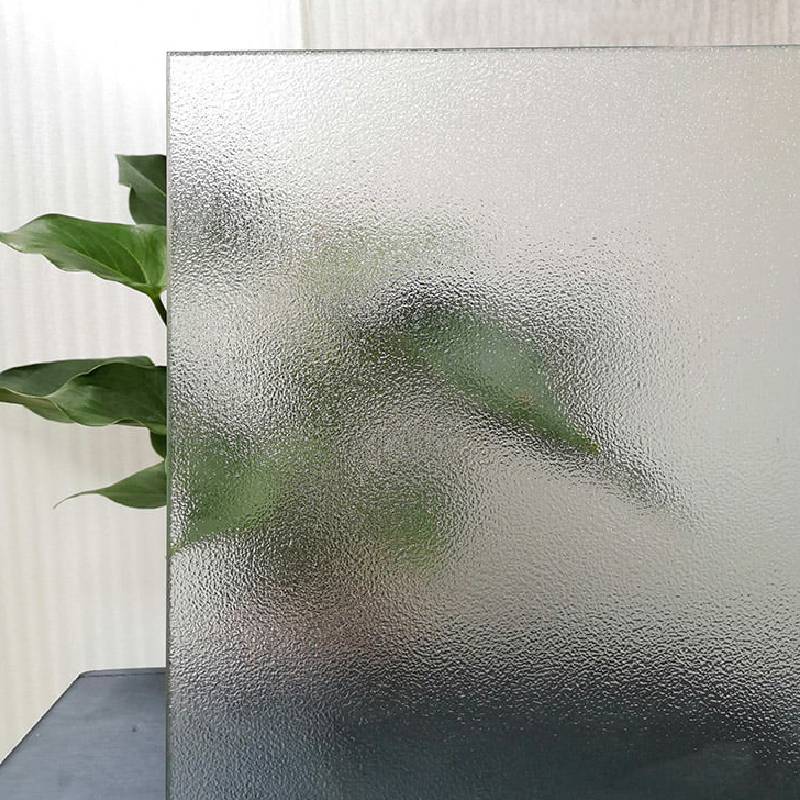
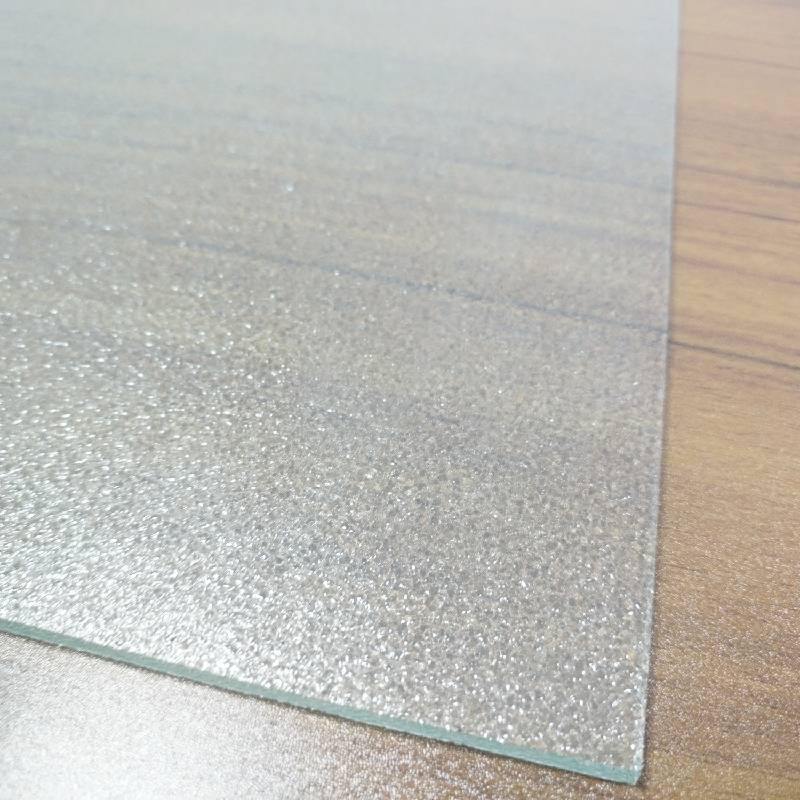
In contemporary architecture and interior design, the demand for materials that balance aesthetic appeal with practical functionality is paramount. 3mm 4mm Nashiji obscure pattern glass represents a sophisticated solution within this domain. Distinguished by its unique "pear skin" texture, Nashiji glass provides excellent light diffusion while ensuring a high degree of privacy, making it indispensable for a variety of B2B applications, from commercial fit-outs to specialized industrial uses. This product's precise manufacturing and distinct visual properties cater to projects requiring both elegance and practical discretion.
The Nashiji pattern, achieved through specialized rolling processes, effectively blurs direct visibility without significantly impeding natural light transmission. This characteristic is particularly valuable in environments where ambient illumination is desired alongside visual screening, addressing both design aesthetics and operational privacy requirements across diverse sectors.
Industry Trends in Patterned Glass Applications
The architectural glass market is experiencing significant evolution, driven by sustainability goals, advanced design paradigms, and increased demand for multifunctional building materials. Current industry trends highlight a growing preference for specialty glass types that offer more than just transparency. Key trends include:
- Enhanced Privacy Solutions: With urbanization and increasing density, there is a heightened demand for privacy in both commercial and residential structures. Obscure pattern glass, like 3mm 4mm Nashiji obscure pattern glass, addresses this by providing visual screening without sacrificing natural light, a crucial aspect for energy efficiency and occupant well-being.
- Aesthetic Versatility: Designers are increasingly utilizing patterned glass as a decorative element that can define spaces, add texture, and create unique visual effects. The distinct Nashiji pattern offers a subtle yet sophisticated aesthetic appeal.
- Biophilic Design Integration: Incorporating natural light and diffused views contributes to biophilic design principles, fostering a connection to nature. Patterned glass aids in this by softening harsh sunlight and creating a more tranquil indoor environment.
- Smart Glass Integration: While traditional patterned glass, future trends may see integration with smart glass technologies to offer dynamic privacy alongside static patterns, enhancing functionality.
- Sustainable Building Practices: The ability of obscure glass to diffuse natural light reduces reliance on artificial lighting, contributing to lower energy consumption and aligning with green building certifications like LEED.
These trends underscore the relevance and increasing adoption of specialized glass products like Nashiji pattern glass in modern construction and interior design projects globally.
Technical Specifications and Performance Parameters
Understanding the technical specifications of 3mm 4mm Nashiji obscure pattern glass is crucial for engineers and B2B decision-makers to ensure optimal application and performance. The unique surface texture, while providing obscurity, still maintains commendable optical properties. Our products adhere to international quality standards such as ISO 9001 for manufacturing quality management and typically meet relevant ASTM standards for float glass properties.
Product Specification Table: 3mm Nashiji Obscure Pattern Glass
| Parameter |
Value (3mm) |
Standard/Method |
| Nominal Thickness |
3.0 mm (±0.2mm) |
EN 572-2 / ASTM C1036 |
| Approx. Weight |
7.5 kg/m² |
Calculated (Density x Thickness) |
| Light Transmittance (Visible) |
~85-90% |
ISO 9050 |
| Haze Factor |
>95% (Obscurity Level) |
ASTM D1003 |
| Mohs Hardness |
5.5 - 6.0 |
General Glass Property |
| Thermal Expansion Coefficient |
~9 x 10⁻⁶ /°C |
ISO 7884-1 |
Product Specification Table: 4mm Nashiji Obscure Pattern Glass
| Parameter |
Value (4mm) |
Standard/Method |
| Nominal Thickness |
4.0 mm (±0.2mm) |
EN 572-2 / ASTM C1036 |
| Approx. Weight |
10.0 kg/m² |
Calculated (Density x Thickness) |
| Light Transmittance (Visible) |
~80-88% |
ISO 9050 |
| Haze Factor |
>95% (Obscurity Level) |
ASTM D1003 |
| Mohs Hardness |
5.5 - 6.0 |
General Glass Property |
| Thermal Expansion Coefficient |
~9 x 10⁻⁶ /°C |
ISO 7884-1 |
These parameters are critical for architects, contractors, and fabricators in calculating structural loads, energy performance, and aesthetic integration. The high haze factor ensures optimal privacy, making it suitable for sensitive applications while maintaining natural illumination.
Manufacturing Process Flow of Nashiji Obscure Pattern Glass
The production of 3mm 4mm Nashiji obscure pattern glass involves a highly controlled, multi-stage process designed to ensure consistent quality and the distinctive Nashiji texture. Our adherence to stringent quality control measures throughout the manufacturing lifecycle ensures a product that meets global standards for performance and durability. The target industries for this product include architectural, interior design, furniture manufacturing, and specialized industrial applications.
Detailed Process Steps:
-
Raw Material Preparation: High-purity silica sand (SiO₂), soda ash (Na₂CO₃), dolomite (CaMg(CO₃)₂), limestone (CaCO₃), and other minor additives are meticulously weighed and mixed. These materials are chosen for their specific chemical properties to achieve the desired glass composition, ensuring optical clarity and mechanical strength.
-
Melting: The batch mixture is fed into a high-temperature furnace, typically operating at temperatures ranging from 1500°C to 1600°C. Within this furnace, the raw materials melt into a homogeneous molten glass liquid, with impurities removed through skimming.
-
Casting and Patterning (Rolling): The molten glass is then precisely poured onto a casting table or fed into a roller mechanism. Here, the critical patterning step occurs. The glass passes between two rollers, one of which is engraved with the intricate Nashiji pattern. This process imprints the distinctive 'pear skin' texture onto one surface of the still-malleable glass, creating the obscure effect. This method ensures uniform pattern depth and consistency across the sheet.
-
Annealing: Following patterning, the glass sheet enters a controlled cooling chamber known as a lehr. Annealing is a crucial process where the glass is gradually cooled over an extended period, relieving internal stresses that develop during rapid cooling. This significantly enhances the glass's mechanical strength, making it less prone to thermal shock and breakage. Adherence to standards like ANSI Z97.1 for safety glass (if further processed into tempered or laminated glass) begins here.
-
Cutting and Finishing: Once annealed, the continuous glass ribbon is cut into standard sheet sizes or custom dimensions using automated cutting equipment. Edges can then be ground, polished, or beveled according to client specifications for improved aesthetics and safety.
-
Quality Control and Inspection: Each sheet undergoes rigorous quality checks. This includes visual inspection for defects, dimensional accuracy measurements, light transmission and haze factor testing (using spectrophotometers), and impact resistance tests. These tests ensure compliance with internal quality benchmarks and international standards, guaranteeing a service life comparable to standard float glass, typically 20-30 years in protected architectural applications.
Advantages in typical application scenarios include enhanced energy saving through optimized light diffusion and a resilient surface that contributes to corrosion resistance in certain environments due to its textured nature.
Versatile Application Scenarios
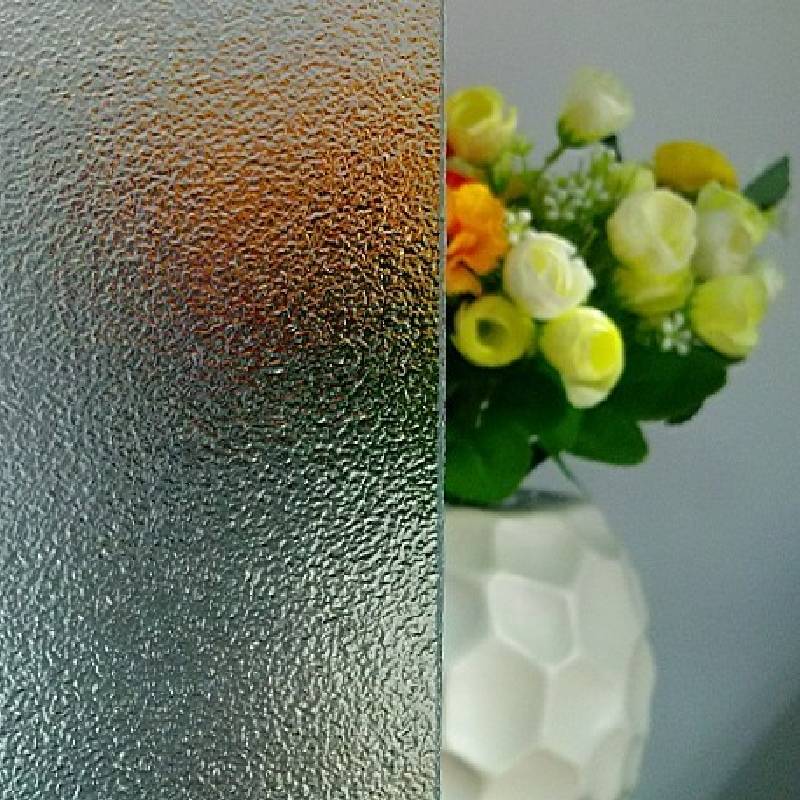
The distinctive properties of 3mm 4mm Nashiji obscure pattern glass make it highly adaptable across a multitude of B2B applications where privacy, diffused light, and aesthetic appeal are critical. Its ability to create unique visual barriers while maintaining an open feel makes it a preferred choice for architects, interior designers, and manufacturers.
- Office Partitions and Conference Rooms: Creating private workspaces or meeting areas that still benefit from natural light, reducing the 'closed-off' feeling often associated with solid walls.
- Bathroom Screens and Shower Doors: Offering privacy in wet areas, the textured surface helps obscure water spots and soap residue more effectively than clear glass.
- Cabinet Doors and Furniture Inserts: Adding a touch of elegance and obscuring cabinet contents, ideal for kitchen, office, or retail display units.
- Entryway Sidelights and Transoms: Enhancing the privacy of entrances without blocking natural light, contributing to both security and welcoming aesthetics.
- Architectural Facades and Balustrades: In exterior applications, where diffused light is desired and direct views need to be broken up, providing an attractive and functional element.
- Interior Doors and Windows: For rooms requiring natural light but also privacy, such as bedrooms, studies, or medical consulting rooms.
- Retail Display Elements: Creating intriguing backdrops or partitions that hint at products without full disclosure, adding an element of sophisticated mystery.
These diverse applications underscore the versatility and functional advantages of Nashiji glass in meeting complex design and privacy requirements across commercial, institutional, and high-end residential projects.
Key Technical Advantages
The selection of 3mm 4mm Nashiji obscure pattern glass offers several distinct technical advantages that contribute to its value proposition in B2B projects:
-
Optimal Privacy-to-Light Balance: Unlike fully opaque materials, Nashiji glass effectively obscures direct visibility (high haze factor >95%) while allowing substantial light transmission (80-90%). This minimizes the need for artificial lighting during daylight hours, contributing to energy efficiency and occupant comfort.
-
Superior Light Diffusion and Glare Reduction: The textured surface scatters incoming light, distributing it more evenly across a space. This reduces harsh glare and hot spots, creating a softer, more comfortable ambient light environment, which is beneficial in workspaces and educational settings.
-
Enhanced Aesthetic Appeal: The unique 'pear skin' pattern offers a sophisticated, subtle visual texture that elevates interior and exterior designs. It provides a tactile and visual interest that plain glass cannot match, making it a design element in itself.
-
Durability and Customization Potential: Manufactured from high-quality glass, it possesses inherent durability. It can be further processed through tempering or lamination to meet specific safety glass requirements (e.g., ANSI Z97.1, EN 12150), enhancing its resistance to impact and providing added safety in case of breakage.
-
Low Maintenance and Longevity: The textured surface is relatively easy to clean and maintain, resisting the immediate visibility of smudges and fingerprints compared to clear glass. Its inherent resistance to corrosion ensures a long service life, reducing replacement costs.
-
Thermal Performance: While not a primary insulator on its own, when incorporated into Insulated Glass Units (IGUs), Nashiji glass contributes to improved U-values and solar heat gain coefficients, aligning with modern building energy performance standards.
These advantages underscore its utility for projects demanding both high functional performance and refined aesthetics.
Vendor Comparison and Selection Criteria
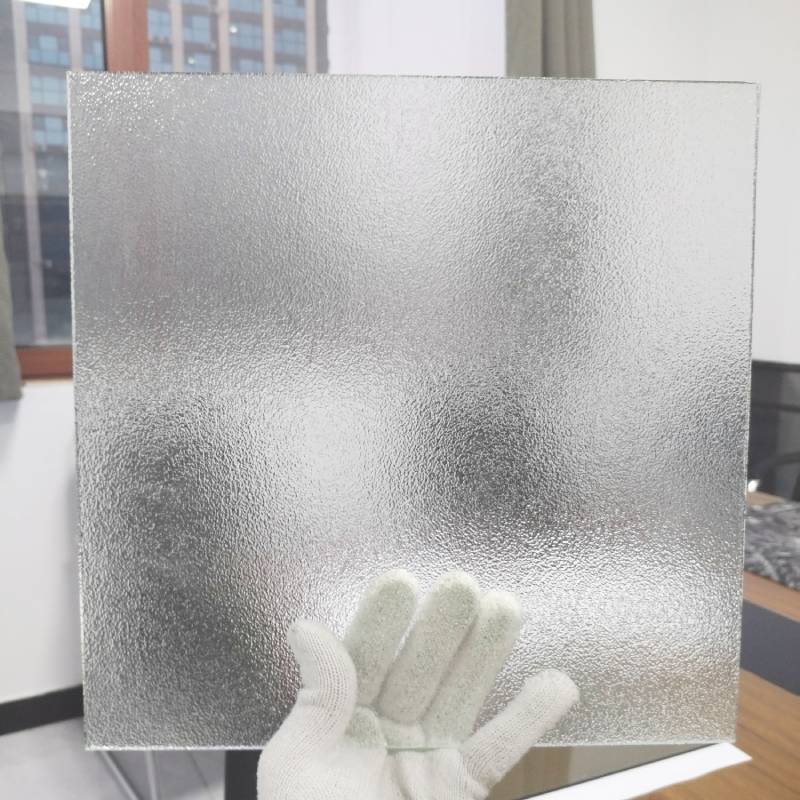
Selecting the right supplier for 3mm 4mm Nashiji obscure pattern glass is critical for ensuring project success, quality, and cost-effectiveness. A comprehensive vendor comparison should evaluate several key factors beyond initial pricing to ascertain long-term value and reliability.
Key Comparison Parameters for Patterned Glass Suppliers:
| Criterion |
Importance |
Considerations for Evaluation |
| Product Quality & Consistency |
High |
Uniformity of pattern, clarity, absence of defects, adherence to ISO 9001, light transmission/haze consistency. |
| Customization Capabilities |
Medium-High |
Ability to provide specific dimensions, edge work (polished, beveled), tempering, or lamination options. |
| Lead Time & Logistics |
High |
Reliable production and shipping schedules, efficient global logistics network, clear communication on delays. |
| Pricing & Value Proposition |
Medium |
Competitive pricing, but also considering the total cost of ownership, including quality, longevity, and post-sales support. |
| Customer Support & Technical Assistance |
High |
Responsive communication, technical expertise for installation queries, problem resolution, and warranty claims. |
| Certifications & Compliance |
High |
ISO, CE, and country-specific safety glass certifications (e.g., ANSI Z97.1, AS/NZS 2208). |
Our company is committed to excelling in all these areas, ensuring our partners receive not just a product, but a complete solution backed by expertise and reliability. We prioritize long-term partnerships and transparent communication, differentiating us in the competitive patterned glass market.
Customized Solutions and Project Integration
Understanding that every B2B project has unique requirements, we offer extensive customization options for our 3mm 4mm Nashiji obscure pattern glass. Our goal is to seamlessly integrate this versatile material into complex designs and functional specifications, providing tailored solutions that meet precise architectural and performance demands.
-
Dimensional Flexibility: We provide custom cutting services to meet exact length and width specifications, minimizing waste and ensuring a perfect fit for diverse applications, from large facade elements to small decorative inserts.
-
Edge Work Options: A range of edge finishes are available, including polished, ground, beveled, and chamfered edges. This not only enhances aesthetic appeal but also improves safety and facilitates easier handling and installation.
-
Further Processing for Safety and Performance:
- Tempering: For applications requiring enhanced safety and strength (e.g., shower doors, balustrades), our Nashiji glass can be fully tempered, making it up to five times stronger than annealed glass and ensuring it breaks into small, blunt fragments if fractured. This adheres to standards like EN 12150 or ANSI Z97.1.
- Lamination: Combining two or more Nashiji glass panes with an interlayer (PVB or SGP) creates laminated safety glass, offering superior impact resistance, sound insulation, and UV protection, ideal for overhead glazing or high-security areas.
- Insulated Glass Units (IGUs): Integrating Nashiji glass into IGUs significantly improves thermal performance, enhancing energy efficiency by reducing heat transfer, crucial for exterior windows and curtain walls.
-
Cut-outs and Notches: Precision CNC machining allows for complex cut-outs, notches, and drilled holes, accommodating hardware fittings, electrical outlets, or specific design features without compromising glass integrity.
-
Surface Treatments: While Nashiji provides inherent obscurity, further surface treatments or coatings (e.g., easy-clean hydrophobic coatings for bathrooms) can be applied to enhance specific functional attributes.
Our technical team collaborates closely with clients from conceptualization to installation, ensuring that every customized solution for 3mm 4mm Nashiji obscure pattern glass is optimized for performance, aesthetics, and project budget.
Application Case Studies
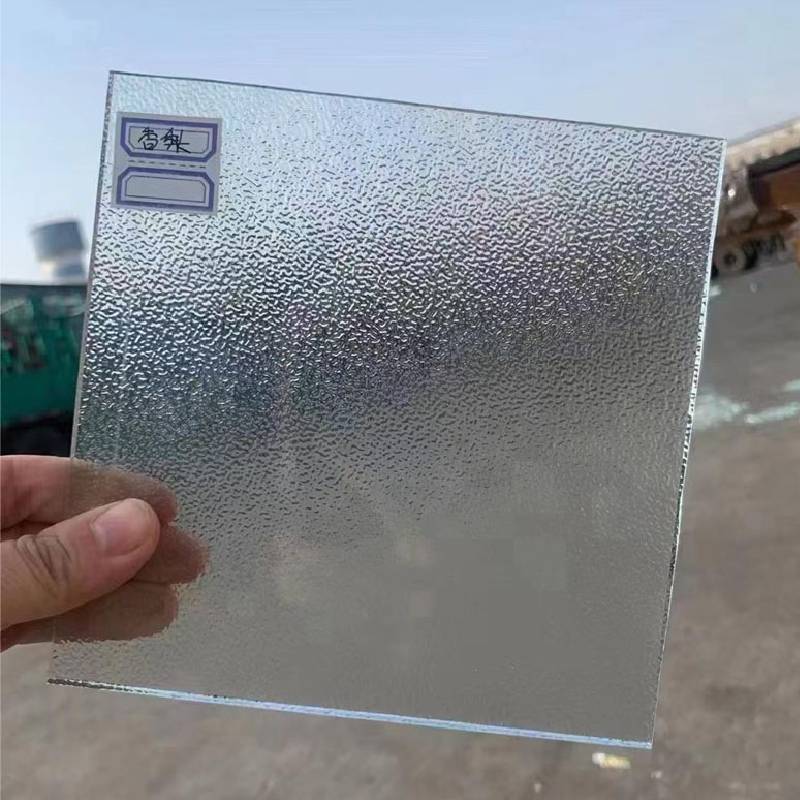
Real-world applications demonstrate the tangible benefits and versatility of 3mm 4mm Nashiji obscure pattern glass in diverse B2B environments. These case studies highlight how our product addresses specific challenges and contributes to enhanced functionality and aesthetic appeal.
Case Study 1: Corporate Headquarters Interior Fit-out
Client: Global Tech Solutions Inc., a leading software development firm.
Challenge: The client sought to create a modern, open-plan office environment that also provided adequate privacy for meeting rooms, executive offices, and collaborative spaces. Traditional frosted film proved to be temporary and lacked the desired high-end finish.
Solution: We supplied custom-cut 4mm Nashiji obscure pattern glass panels for all interior partitions. The glass was tempered for safety and edge-polished for a sophisticated finish. The Nashiji pattern effectively diffused light across the office floor, reducing reliance on artificial lighting while ensuring visual privacy for sensitive discussions.
Outcome: The project successfully achieved a balance of openness and privacy. Employee feedback highlighted the pleasant, diffused natural light and the aesthetically pleasing texture of the glass. The client praised the durability and low maintenance of the glass, a significant improvement over previous film applications. Our technical team provided on-site consultation, ensuring precise measurements and smooth integration.
Case Study 2: Boutique Hotel Bathroom Enclosures
Client: "The Urban Retreat," a luxury boutique hotel in a major metropolitan area.
Challenge: The hotel aimed to design luxurious en-suite bathrooms with walk-in showers that offered a sense of spaciousness yet guaranteed guest privacy. Clear glass was deemed too exposed, and heavily frosted glass felt too restrictive.
Solution: We provided 3mm Nashiji obscure pattern glass, fully tempered and with specific hinge cut-outs, for all shower enclosures and select bathroom partitions. The subtle pattern allowed for ample natural light to enter the bathroom while maintaining discreet privacy for guests.
Outcome: The Nashiji glass offered the perfect balance, enhancing the luxury aesthetic of the bathrooms. The guests frequently complimented the design, noting the privacy and the elegant light diffusion. The hotel management appreciated the glass's resilience to humidity and ease of cleaning, contributing to operational efficiency and guest satisfaction.
Frequently Asked Questions (FAQ)
What is Nashiji obscure pattern glass?
Nashiji glass is a type of patterned glass characterized by its distinctive "pear skin" texture. This texture provides excellent obscurity for privacy while effectively diffusing natural light, making it a popular choice for architectural and interior design applications.
Is 3mm 4mm Nashiji obscure pattern glass considered safety glass?
In its annealed state, it is not officially safety glass. However, it can be further processed into tempered (toughened) glass or laminated glass to meet specific safety standards (e.g., ANSI Z97.1, EN 12150) for applications like shower enclosures, balustrades, or doors.
How does Nashiji glass impact light transmission compared to clear glass?
While providing obscurity, Nashiji glass still allows a high percentage of visible light to pass through (typically 80-90% depending on thickness and pattern depth). It diffuses the light, spreading it more evenly and reducing direct glare, unlike clear glass which offers unfiltered light.
What thicknesses are available for Nashiji obscure pattern glass?
Our standard offerings include 3mm and 4mm thicknesses, which are ideal for a wide range of interior and some exterior applications. Other thicknesses may be available upon special request and project volume.
How do I clean and maintain Nashiji patterned glass?
Nashiji glass is relatively low maintenance. It can be cleaned using standard glass cleaners and a soft cloth or squeegee. The textured surface helps to obscure minor smudges, but regular cleaning is recommended to maintain optimal clarity and appearance.
Lead Time, Warranty, and Customer Support
We are committed to providing exceptional service and support for all our partners specifying 3mm 4mm Nashiji obscure pattern glass. Our operational framework is designed for efficiency, transparency, and client satisfaction.
Lead Time and Fulfillment:
- Standard Orders: For standard sizes and thicknesses of Nashiji glass, typical lead times range from 2-4 weeks, depending on order volume and current production schedules.
- Customized Orders: Projects requiring specific dimensions, advanced processing (tempering, lamination), or intricate cut-outs may have lead times of 4-6 weeks, subject to complexity and material availability.
- Expedited Services: We understand critical project timelines and offer expedited production and delivery options for urgent requirements. Please contact our sales team for feasibility and pricing.
- Logistics: We partner with reliable global freight carriers to ensure secure and timely delivery to your project site, with detailed tracking and proactive communication on shipping status.
Warranty Commitments:
We stand behind the quality of our 3mm 4mm Nashiji obscure pattern glass products with a comprehensive warranty. Our standard product warranty covers manufacturing defects for a period of [e.g., five (5)] years from the date of purchase, ensuring material integrity and pattern consistency under normal use conditions. Specific warranty details for advanced processed products (tempered, laminated, IGUs) are provided with the product documentation, typically aligning with industry-standard glass warranties.
Claims are handled efficiently through our dedicated support team, requiring proof of purchase and relevant project details. Our commitment is to ensure long-term satisfaction and performance of our glass solutions.
Customer Support and Technical Assistance:
Our expert customer support team is available to assist you at every stage of your project:
- Pre-Sales Consultation: Guidance on product selection, technical specifications, and feasibility for your specific application.
- Technical Support: Assistance with installation guidelines, processing advice, and troubleshooting.
- After-Sales Service: Prompt response to any post-delivery inquiries, warranty claims, or product performance questions.
For inquiries or support, please contact us via our website's contact form, email, or telephone. Our team of glass specialists is equipped to provide the expertise and responsiveness you expect from a trusted B2B partner.
Authoritative References
- International Organization for Standardization (ISO). ISO 9001:2015 Quality management systems – Requirements. (Referenced for manufacturing quality standards).
- ASTM International. ASTM C1036-16 Standard Specification for Flat Glass. (Referenced for general glass specifications).
- European Committee for Standardization (CEN). EN 572-2:2004 Glass in building — Basic soda-lime silicate glass products — Part 2: Float glass. (Referenced for European glass standards).
- American National Standards Institute (ANSI). ANSI Z97.1-2015 Safety Glazing Materials Used in Buildings – Safety Performance Specifications and Methods of Test. (Referenced for safety glass applications).
- National Renewable Energy Laboratory (NREL). Windows and Glazing: Advanced Technologies and Performance. (General reference for glass energy performance).