
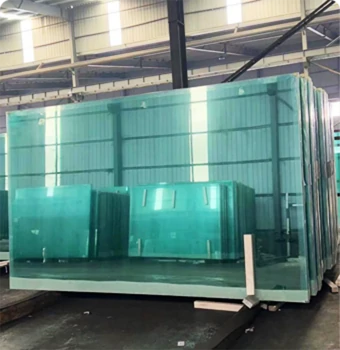

The construction landscape in Iraq is currently characterized by a massive push toward modernization and the restoration of civic infrastructure. In this environment, the demand for high-quality float glass has surged, as it serves as the essential base for various processed architectural products. Due to the intense solar radiation and high temperatures typical of the region, builders are increasingly seeking glass that can be further treated for thermal insulation and strength to ensure longevity in harsh desert conditions.
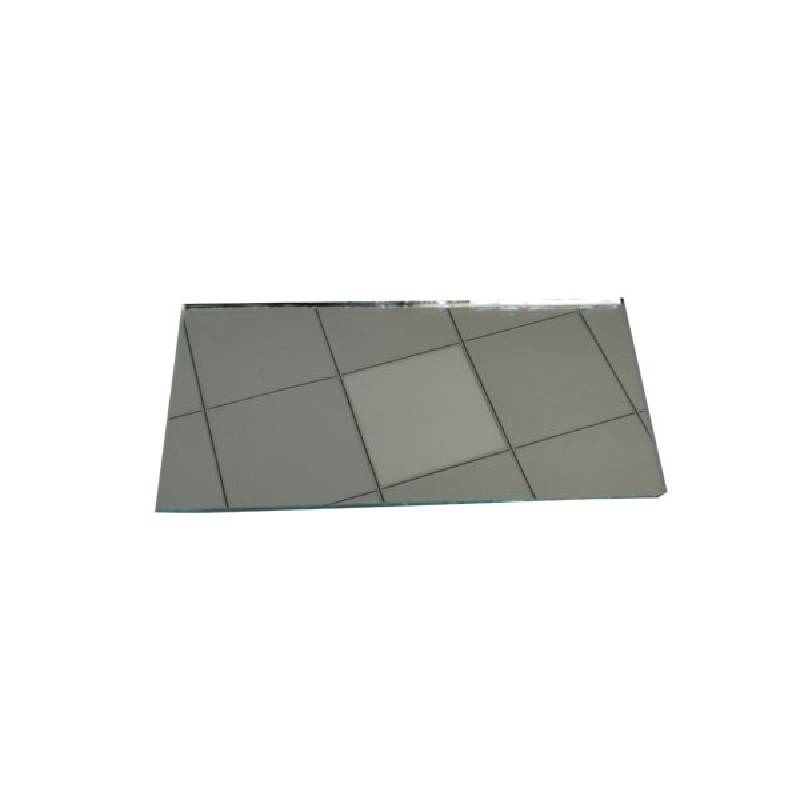
From a procurement perspective, there is a distinct shift toward specifying grey float glass for commercial facades. This preference is driven by the need to reduce glare and solar heat gain in large office complexes and shopping malls within urban centers. By utilizing tinted substrates, architects can maintain the aesthetic appeal of modern transparency while significantly lowering the energy load required for interior cooling systems, making it a strategic choice for sustainable development in the region.
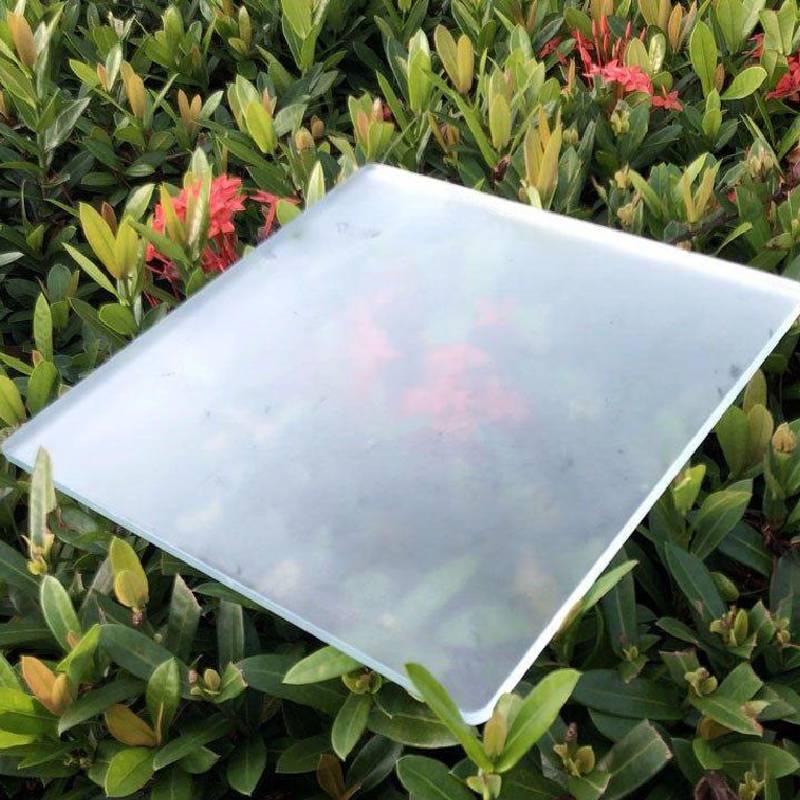
Furthermore, the industry is moving toward more stringent safety and quality benchmarks. The integration of clear glass that meets international certifications is no longer optional but a requirement for high-rise projects and government facilities. As Iraq continues to attract foreign investment and expertise, the local supply chain is evolving to prioritize reliability and precision, ensuring that the materials used in the building envelope can withstand both environmental stress and urban pollutants.