
The architectural landscape in Mali is undergoing a significant transition as urban centers expand. Due to the intense solar radiation and high temperature fluctuations characteristic of the Sahelian climate, there is a growing demand for specialized float glass that can maintain structural integrity while offering necessary thermal properties. Local construction projects increasingly prioritize materials that reduce heat absorption to lower cooling costs in commercial buildings.
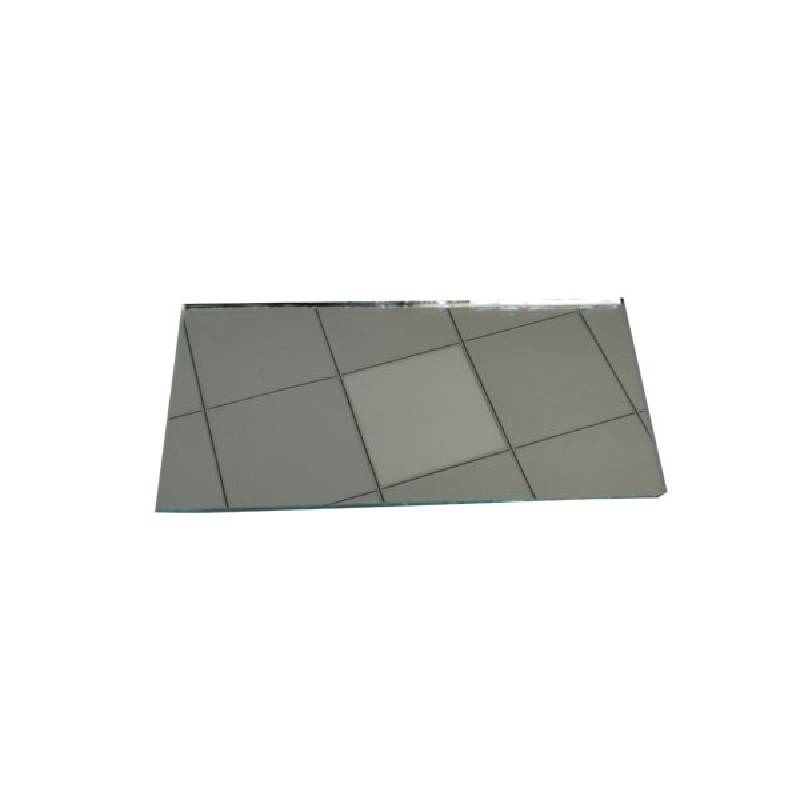
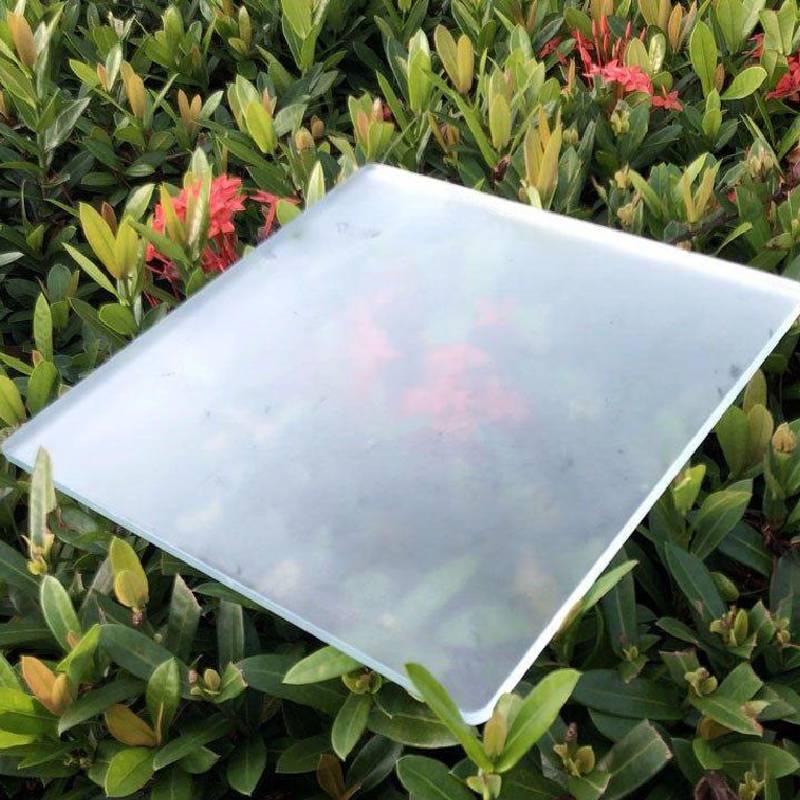
From a procurement perspective, the market is shifting toward versatility. Architects are frequently specifying grey float glass to manage glare and light transmission in office complexes and residential villas. The ability to source consistent, high-quality clear glass is essential for ensuring that natural light is maximized without compromising the energy efficiency of the building envelope.
Industry trends suggest a move toward integrated supply chains. As Mali improves its transportation infrastructure, the efficiency of importing large-format plain glass sheet has improved, allowing for more ambitious facade designs. For regional developers, selecting a partner with international certifications ensures that the materials meet safety standards required for large-scale public works and private investments.