

Oct . 02, 2025 11:20
If you’ve played a late-night ranked match and felt your cloth mat turn humid and sticky, you already know why this category exploded. The FPS Gaming tempered glass mouse pad coming out of Shahe City, Hebei—a region that’s practically the world’s glass capital—has been making the rounds in scrim rooms and studio desks alike. It’s smoother, quieter, and, to be honest, more consistent than most surfaces I’ve tested this year.
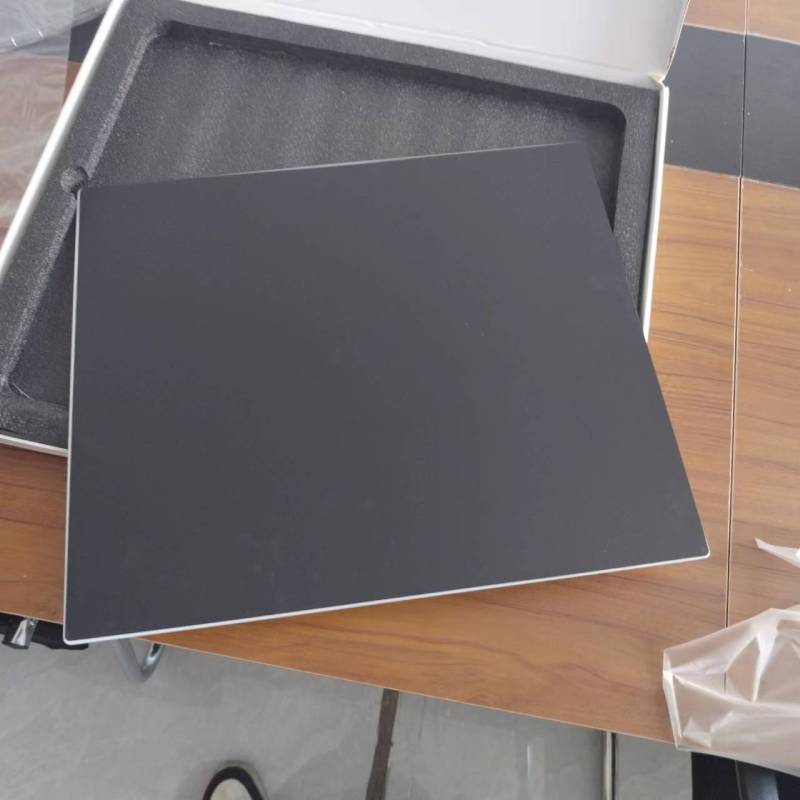
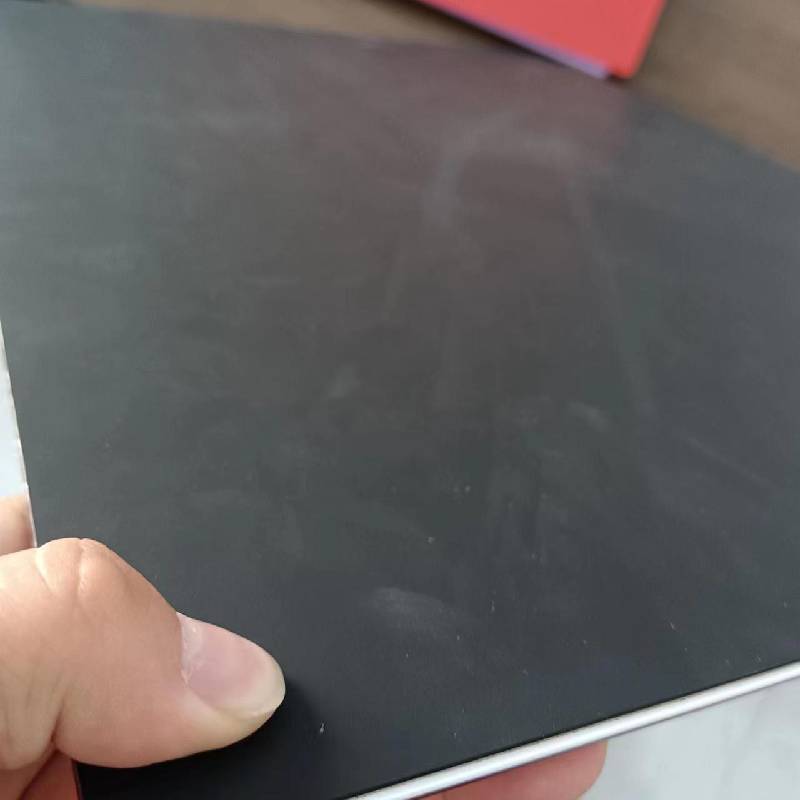
This pad uses a special tempered glass with “sapphire-level” hardness claims, a matte micro-etch finish, anti-fingerprint topcoat, and a full-sheet silicone base. Size is 400 × 500 mm, thickness 3 mm—roomy, yet desk-friendly. In real-world use, micro-control feels linear and predictable; flick shots stop where you intend rather than surf past the mark.
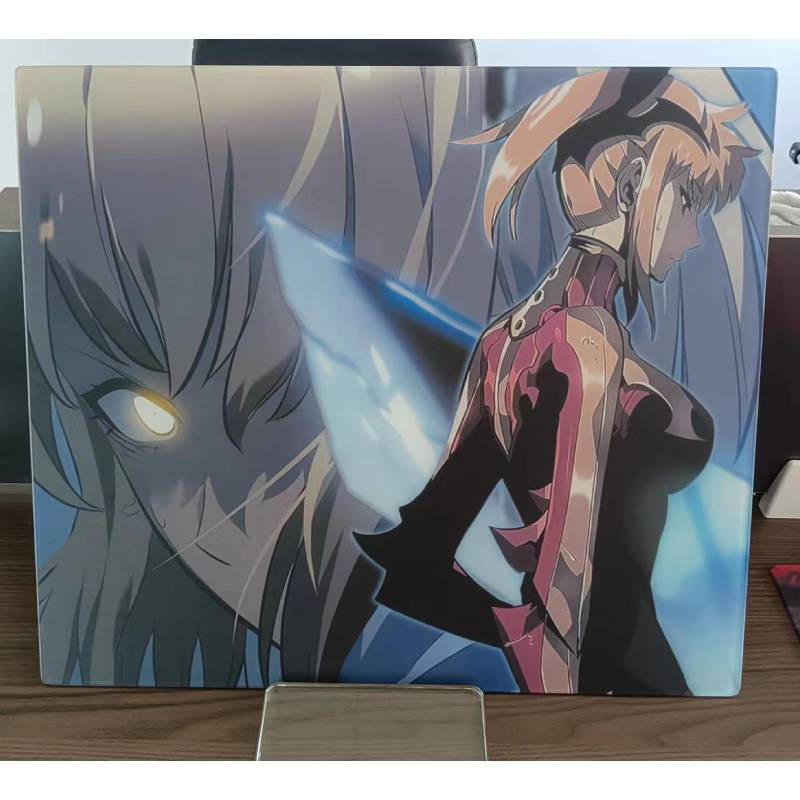
| Model | FPS Gaming tempered glass mouse pad |
| Dimensions | 400 × 500 × 3 mm |
| Surface | Matte micro-etch + low-friction coating |
| Base | Full-sheet silicone anti-slip |
| Coefficient of friction | ≈0.10–0.14 (PTFE skates, 20–24°C; real-world may vary) |
| Acoustic profile | Low thud; ~36–40 dBA at 0.5 m (room dependent) |
| Hardness | Pencil ≥9H (ISO 15184); vendor positions as sapphire-like |
| Weight | ≈1.5 kg |
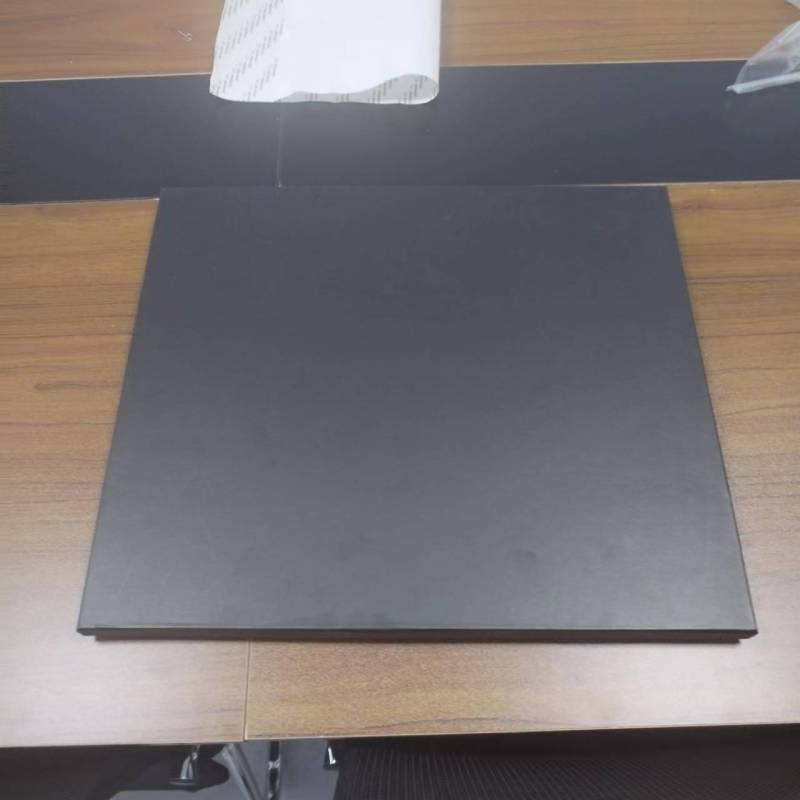
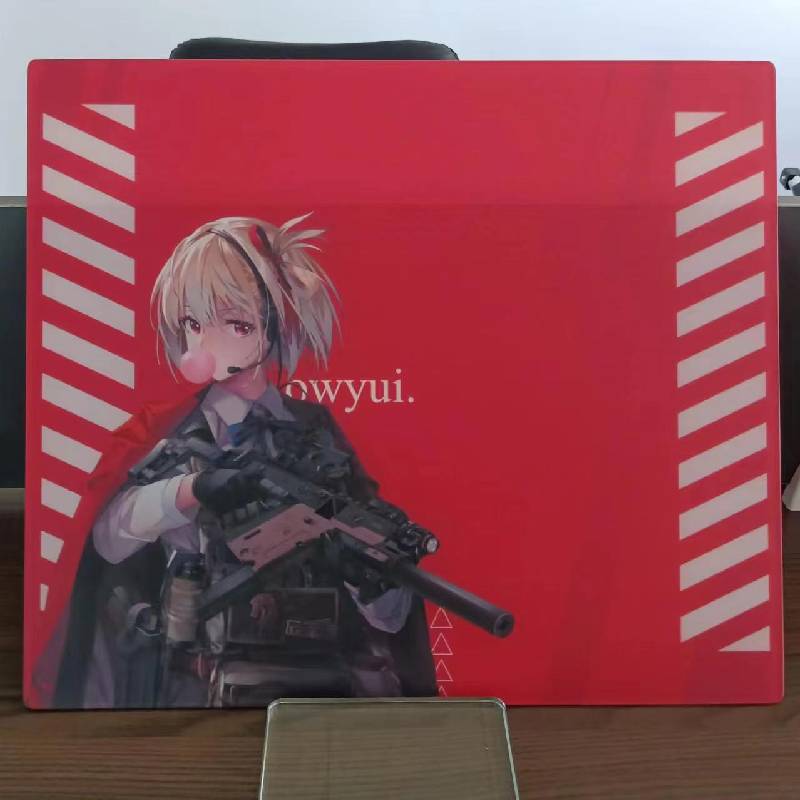
- FPS and tac-shooters needing micro-correction control. - Designers and editors craving consistent glide for 8-hour sessions. - Labs/cleanrooms where cloth collects dust. Many customers say wrist fatigue drops after a week, which tracks with the low, even friction. It’s also surprisingly quiet for glass.
| Vendor | Surface feel | Certs/Standards | Size options | MOQ (indicative) |
|---|---|---|---|---|
| SHZR (Hebei) | Fast start, controlled stop | EN 12150, ANSI Z97.1, RoHS/REACH (vendor-declared) | 400×500×3 mm; custom on request | ≈200–500 units |
| Brand A (glass/aluminum) | Colder, slightly louder | ANSI Z97.1 | Limited colors | ≈300 units |
| Brand B (hybrid) | Slower, cloth-like drag | RoHS | S/M/L | ≈100 units |
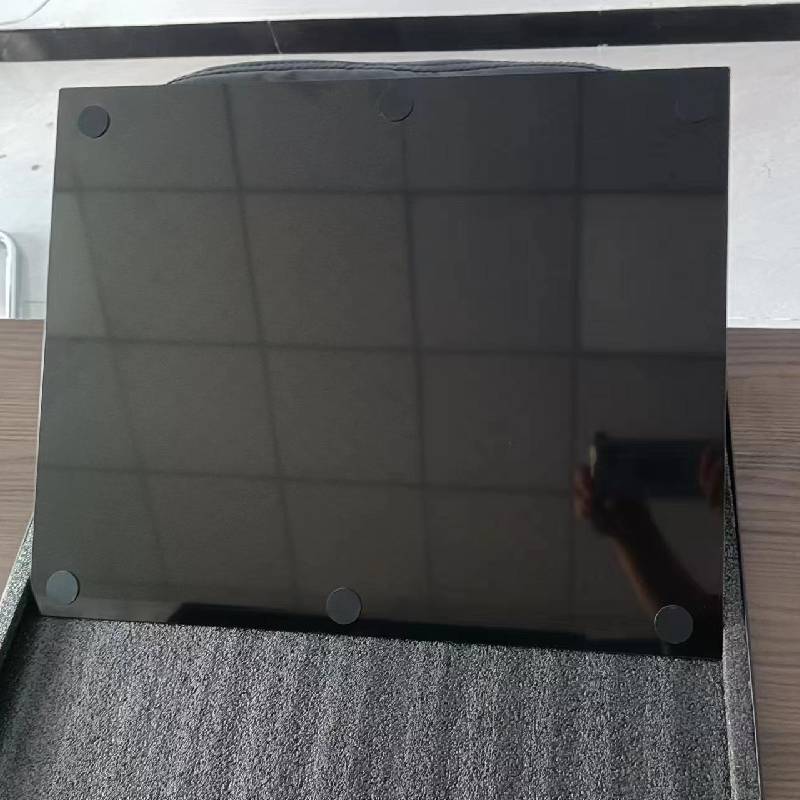
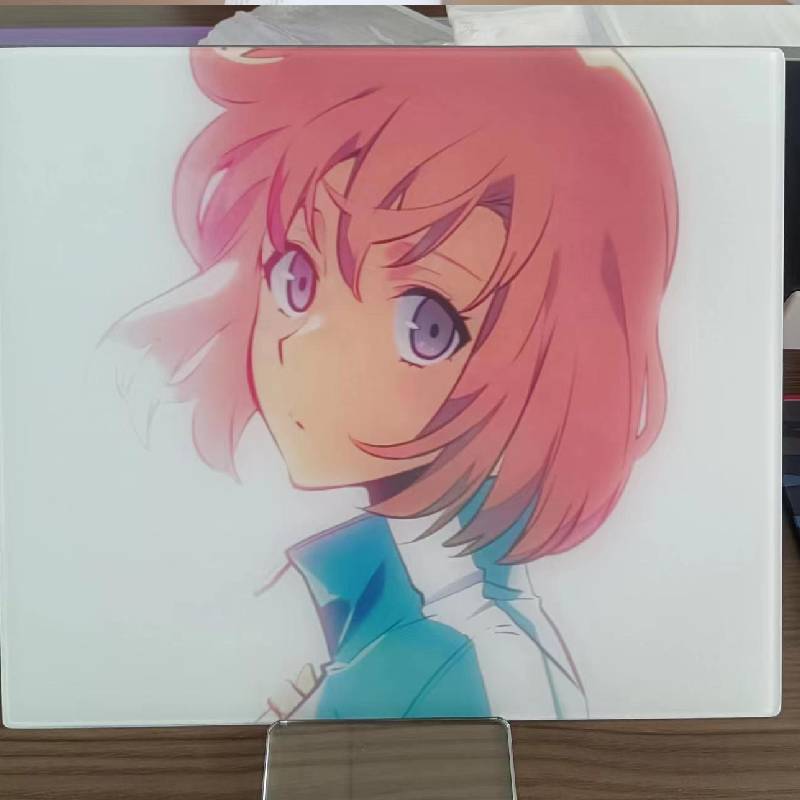
Brandable silkscreen or laser logo, radius corners, edge tint, and tuned friction (coating pass count). Packaging can be e-commerce safe with foam cradles. Typical lead: 3–5 weeks after sample sign-off; I guess complex coatings take a bit longer.
- Esports bootcamp: players reported steadier micro-adjustments after 2 days, fewer “overshoot” flicks. - VFX studio: less pad wear and easier cleanup reduced downtime. - Home office: one reader said it “finally killed the sweaty-cloth ick.” Dust? Wipe with microfiber; don’t use gritty cleaners.
For fast aimers or precision editors, a tempered glass mouse pad offers low-maintenance glide with pro-grade consistency. The SHZR build from Hebei nails the essentials—matte control, quiet base, and credible safety testing. Actually, it’s one of those upgrades you notice more after a week than on day one.
Premium Custom Bathroom Mirrors for Modern Home Interior Design
NewsApr.16,2026
Professional Mirror Glass Cut to Size for Modern Interior Design
NewsApr.09,2026
Discover the Benefits of Custom Size Mirrors for Your Home or Business
NewsApr.07,2026
Custom Cut Mirror Solutions for Perfectly Sized Reflections and Design
NewsApr.04,2026
Enhance Your Space with Beautifully Crafted Custom Mirrors by SHZR Glass
NewsMar.31,2026
Is Mirror Glass Expensive A Detailed Cost Guide and Considerations
NewsMar.28,2026