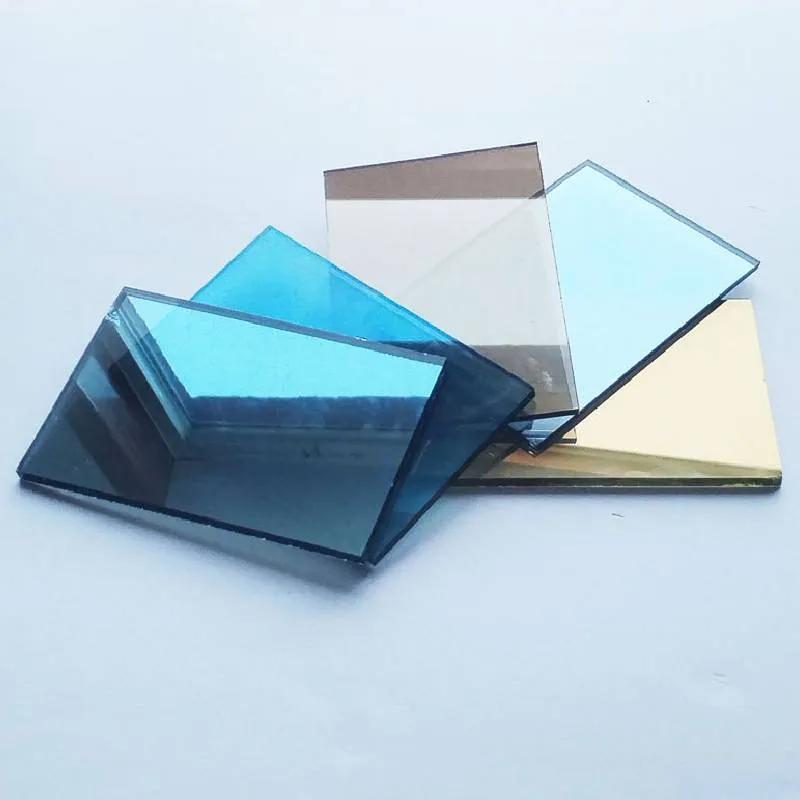
Read More About float bath glass
ਘਰ/ ਖ਼ਬਰਾਂ/ The Colorful World: The Mystery and Applications of Stained Glass

ਨਵੰ. . 01, 2025 13:21

The Colorful World: The Mystery and Applications of Stained Glass


  1. What is Stained Glass?

Stained glass is a colored material formed by adding metal oxides or compounds to ordinary glass raw materials and undergoing a high-temperature melting reaction. It retains the transparent properties of glass while displaying rich colors, representing an outstanding fusion of technology and art.


  1. Brief Overview of the Production Process


  1. Batching: Based on quartz sand, soda ash, and limestone, specific colorants (e.g., cobalt for blue, chromium for green, manganese for purple) are added.
  2. Melting: The mixture is melted at high temperatures of 14001500°C, allowing the colorants to disperse evenly and undergo chemical reactions.
  3. Forming: Shaped using blowing, pressing, or float glass processes.
  4. Annealing: Precisely controlled cooling eliminates internal stress and stabilizes color and performance.


III. Main Application Areas


  • Architectural Decoration: Curtain walls, energy-efficient glass, and skylights that combine aesthetics with temperature and light control.
  • Daily Use Items: Tableware, wine glasses, medicine bottlesenhancing both practicality and visual appeal.
  • Transportation: Automotive windows and signal lights ensuring safety and comfortable driving.
  • Artistic Creation: Glass sculptures and decorative lamps conveying cultural and aesthetic value.
  • High-Tech Products: Optical filters, smart tinting glass serving scientific research and innovative applications.


  1. Development and Future

From ancient handmade techniques to modern precision craftsmanship, stained glass continues to integrate material innovation and design concepts. With advancements in technologies such as electrochromic and thermosensitive materials, it is moving toward a new era of functional and intelligent applications, continually enriching humanitys experience of light and color.


ਨਵੰ. . 01, 2025 13:20

The Colorful World: The Mystery and Applications of Stained Glass


  1. What is Stained Glass?

Stained glass is a colored material formed by adding metal oxides or compounds to ordinary glass raw materials and undergoing a high-temperature melting reaction. It retains the transparent properties of glass while displaying rich colors, representing an outstanding fusion of technology and art.


  1. Brief Overview of the Production Process


  1. Batching: Based on quartz sand, soda ash, and limestone, specific colorants (e.g., cobalt for blue, chromium for green, manganese for purple) are added.
  2. Melting: The mixture is melted at high temperatures of 14001500°C, allowing the colorants to disperse evenly and undergo chemical reactions.
  3. Forming: Shaped using blowing, pressing, or float glass processes.
  4. Annealing: Precisely controlled cooling eliminates internal stress and stabilizes color and performance.


III. Main Application Areas


  • Architectural Decoration: Curtain walls, energy-efficient glass, and skylights that combine aesthetics with temperature and light control.
  • Daily Use Items: Tableware, wine glasses, medicine bottlesenhancing both practicality and visual appeal.
  • Transportation: Automotive windows and signal lights ensuring safety and comfortable driving.
  • Artistic Creation: Glass sculptures and decorative lamps conveying cultural and aesthetic value.
  • High-Tech Products: Optical filters, smart tinting glass serving scientific research and innovative applications.


  1. Development and Future

From ancient handmade techniques to modern precision craftsmanship, stained glass continues to integrate material innovation and design concepts. With advancements in technologies such as electrochromic and thermosensitive materials, it is moving toward a new era of functional and intelligent applications, continually enriching humanitys experience of light and color.


Next:

ਨਵੰ. . 01, 2025 13:20

The Colorful World: The Mystery and Applications of Stained Glass


  1. What is Stained Glass?

Stained glass is a colored material formed by adding metal oxides or compounds to ordinary glass raw materials and undergoing a high-temperature melting reaction. It retains the transparent properties of glass while displaying rich colors, representing an outstanding fusion of technology and art.


  1. Brief Overview of the Production Process


  1. Batching: Based on quartz sand, soda ash, and limestone, specific colorants (e.g., cobalt for blue, chromium for green, manganese for purple) are added.
  2. Melting: The mixture is melted at high temperatures of 14001500°C, allowing the colorants to disperse evenly and undergo chemical reactions.
  3. Forming: Shaped using blowing, pressing, or float glass processes.
  4. Annealing: Precisely controlled cooling eliminates internal stress and stabilizes color and performance.


III. Main Application Areas


  • Architectural Decoration: Curtain walls, energy-efficient glass, and skylights that combine aesthetics with temperature and light control.
  • Daily Use Items: Tableware, wine glasses, medicine bottlesenhancing both practicality and visual appeal.
  • Transportation: Automotive windows and signal lights ensuring safety and comfortable driving.
  • Artistic Creation: Glass sculptures and decorative lamps conveying cultural and aesthetic value.
  • High-Tech Products: Optical filters, smart tinting glass serving scientific research and innovative applications.


  1. Development and Future

From ancient handmade techniques to modern precision craftsmanship, stained glass continues to integrate material innovation and design concepts. With advancements in technologies such as electrochromic and thermosensitive materials, it is moving toward a new era of functional and intelligent applications, continually enriching humanitys experience of light and color.


Next:

ਨਵੰ. . 01, 2025 13:20

The Colorful World: The Mystery and Applications of Stained Glass


  1. What is Stained Glass?

Stained glass is a colored material formed by adding metal oxides or compounds to ordinary glass raw materials and undergoing a high-temperature melting reaction. It retains the transparent properties of glass while displaying rich colors, representing an outstanding fusion of technology and art.


  1. Brief Overview of the Production Process


  1. Batching: Based on quartz sand, soda ash, and limestone, specific colorants (e.g., cobalt for blue, chromium for green, manganese for purple) are added.
  2. Melting: The mixture is melted at high temperatures of 14001500°C, allowing the colorants to disperse evenly and undergo chemical reactions.
  3. Forming: Shaped using blowing, pressing, or float glass processes.
  4. Annealing: Precisely controlled cooling eliminates internal stress and stabilizes color and performance.


III. Main Application Areas


  • Architectural Decoration: Curtain walls, energy-efficient glass, and skylights that combine aesthetics with temperature and light control.
  • Daily Use Items: Tableware, wine glasses, medicine bottlesenhancing both practicality and visual appeal.
  • Transportation: Automotive windows and signal lights ensuring safety and comfortable driving.
  • Artistic Creation: Glass sculptures and decorative lamps conveying cultural and aesthetic value.
  • High-Tech Products: Optical filters, smart tinting glass serving scientific research and innovative applications.


  1. Development and Future

From ancient handmade techniques to modern precision craftsmanship, stained glass continues to integrate material innovation and design concepts. With advancements in technologies such as electrochromic and thermosensitive materials, it is moving toward a new era of functional and intelligent applications, continually enriching humanitys experience of light and color.


Next:

ਨਵੰ. . 01, 2025 13:19

The Colorful World: The Mystery and Applications of Stained Glass


  1. What is Stained Glass?

Stained glass is a colored material formed by adding metal oxides or compounds to ordinary glass raw materials and undergoing a high-temperature melting reaction. It retains the transparent properties of glass while displaying rich colors, representing an outstanding fusion of technology and art.


  1. Brief Overview of the Production Process


  1. Batching: Based on quartz sand, soda ash, and limestone, specific colorants (e.g., cobalt for blue, chromium for green, manganese for purple) are added.
  2. Melting: The mixture is melted at high temperatures of 14001500°C, allowing the colorants to disperse evenly and undergo chemical reactions.
  3. Forming: Shaped using blowing, pressing, or float glass processes.
  4. Annealing: Precisely controlled cooling eliminates internal stress and stabilizes color and performance.


III. Main Application Areas


  • Architectural Decoration: Curtain walls, energy-efficient glass, and skylights that combine aesthetics with temperature and light control.
  • Daily Use Items: Tableware, wine glasses, medicine bottlesenhancing both practicality and visual appeal.
  • Transportation: Automotive windows and signal lights ensuring safety and comfortable driving.
  • Artistic Creation: Glass sculptures and decorative lamps conveying cultural and aesthetic value.
  • High-Tech Products: Optical filters, smart tinting glass serving scientific research and innovative applications.


  1. Development and Future

From ancient handmade techniques to modern precision craftsmanship, stained glass continues to integrate material innovation and design concepts. With advancements in technologies such as electrochromic and thermosensitive materials, it is moving toward a new era of functional and intelligent applications, continually enriching humanitys experience of light and color.


Next:

Copyright © 2026 All Rights Reserved. Sitemap | Privacy Policy

ਜੇਕਰ ਤੁਸੀਂ ਸਾਡੇ ਉਤਪਾਦਾਂ ਵਿੱਚ ਦਿਲਚਸਪੀ ਰੱਖਦੇ ਹੋ, ਤਾਂ ਤੁਸੀਂ ਆਪਣੀ ਜਾਣਕਾਰੀ ਇੱਥੇ ਛੱਡਣ ਦੀ ਚੋਣ ਕਰ ਸਕਦੇ ਹੋ, ਅਤੇ ਅਸੀਂ ਜਲਦੀ ਹੀ ਤੁਹਾਡੇ ਨਾਲ ਸੰਪਰਕ ਵਿੱਚ ਰਹਾਂਗੇ।