

Feb . 11, 2026 01:55
Selecting the appropriate wall mirror glass is crucial for both aesthetic appeal and functional performance. From enhancing interior spaces to ensuring safety, the type of glass used significantly impacts the overall quality and longevity of your mirrors. This article will delve into the various options available, exploring their characteristics, applications, and key considerations for making the best choice. We will cover everything from standard float glass to specialized options like tempered and antique mirror glass, helping you understand which glass type best suits your needs.
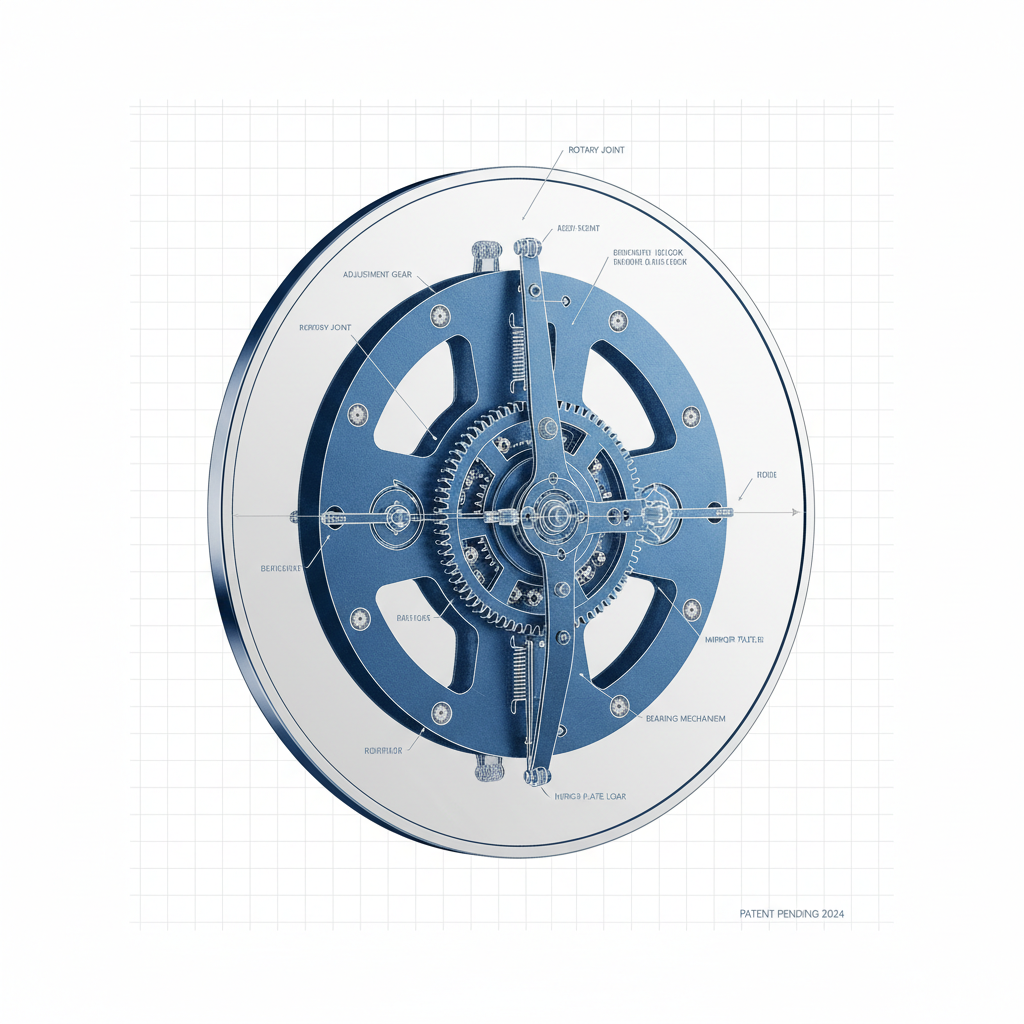
The world of wall mirror glass extends beyond a simple reflective surface. Different types of glass offer varying degrees of clarity, durability, and aesthetic appeal. Shzr Glass specializes in a range of options, each tailored for specific applications. Common types include float glass, tempered glass, antique mirror glass, and low-iron glass. Float glass is the standard option, providing a clear reflection. Tempered glass offers increased safety due to its shatter-resistant properties. Antique mirror glass adds a unique, vintage aesthetic, while low-iron glass delivers exceptional clarity and color accuracy. Understanding these distinctions is vital when selecting the right glass for your project.
Key Highlights: Shzr Glass offers a diverse range of wall mirror glass options, including float, tempered, antique, and low-iron glass, each with unique properties and applications.
For areas where safety is paramount, such as bathrooms, bedrooms, and high-traffic zones, tempered wall mirror glass is the ideal choice. Tempered glass undergoes a heat treatment process that increases its strength and resistance to breakage. If shattered, it breaks into small, relatively harmless pieces, reducing the risk of serious injury. This makes it particularly suitable for areas where accidental impacts are more likely. Choosing tempered glass isn't just about safety; it also offers peace of mind, knowing your mirror is built to withstand everyday wear and tear.
Benefits of Tempered Glass:
• Significantly stronger than standard float glass
• Shatters into small, safe pieces
• Ideal for high-traffic areas and bathrooms
• Increased resistance to thermal stress
Choosing between different types of wall mirror glass can be challenging. Consider the specific needs of your project and the desired aesthetic. The following table provides a comparison of common glass types to help you make an informed decision.
The optimal wall mirror glass choice depends significantly on the intended application. Bathrooms benefit from tempered glass due to moisture and potential impact. Living rooms and bedrooms can utilize float or antique glass for aesthetic purposes. High-end retail spaces or art galleries often opt for low-iron glass to showcase products with true color fidelity. Careful consideration of the environment and desired look will guide you to the perfect glass selection.
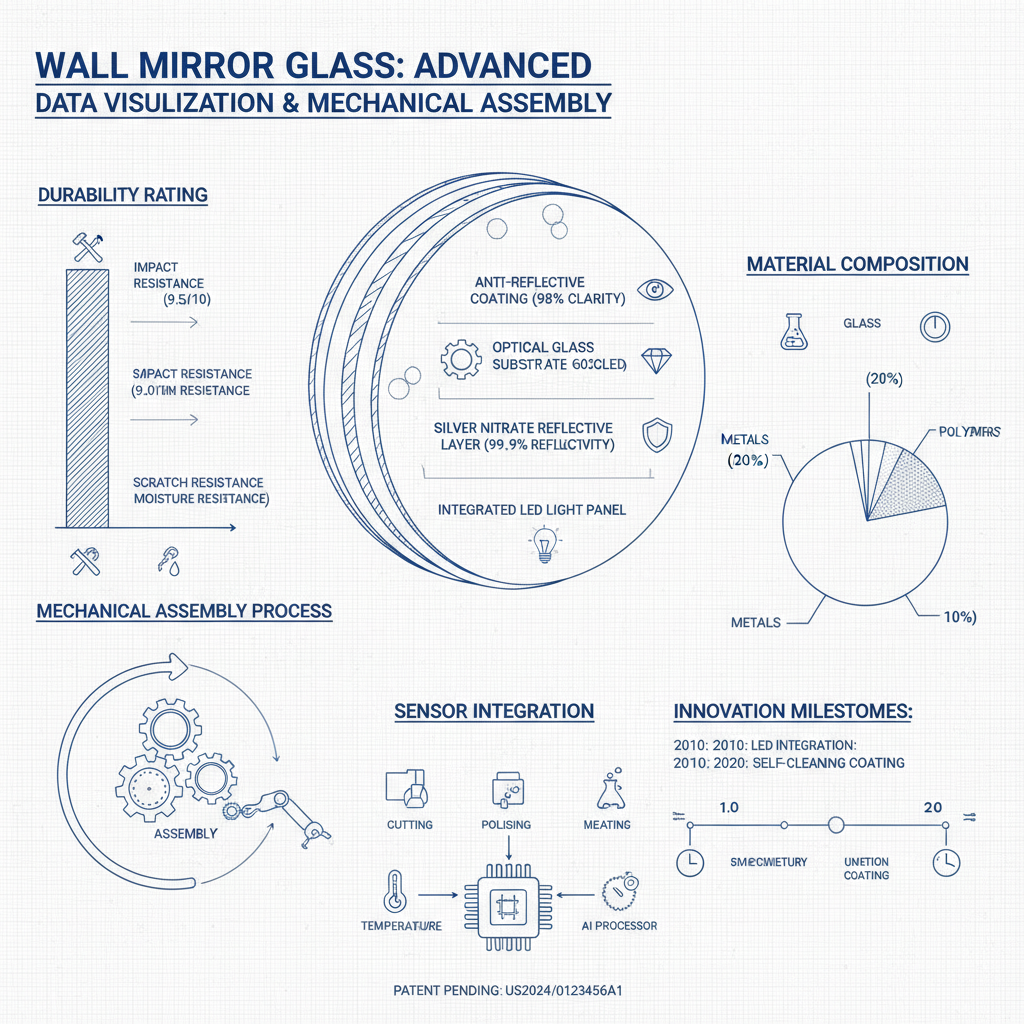
At Shzr Glass, we are committed to providing our customers with premium-quality wall mirror glass solutions. We offer a wide range of glass types, thicknesses, and sizes to meet diverse project requirements. Our experienced team can provide expert guidance and support to help you select the perfect glass for your needs. We prioritize quality, reliability, and customer satisfaction, ensuring a seamless experience from order to delivery.
Selecting the right wall mirror glass is a critical step in any project. Shzr Glass provides a comprehensive selection of high-quality glass options, expert guidance, and reliable service. Invest in quality and enhance your space with our superior mirror glass solutions.
Float glass is the standard type of glass used in most mirrors, containing a small amount of iron oxide that can create a slight greenish tint. Low-iron glass, on the other hand, is manufactured with significantly reduced iron content, resulting in exceptional clarity and true color reflection. This makes it ideal for applications where accurate color representation is crucial, such as art galleries, retail displays, and high-end interiors. The difference is subtle but noticeable when comparing side-by-side, with low-iron glass offering a brighter, more vibrant image.
While antique mirror glass adds a beautiful vintage aesthetic, it is generally not recommended for bathrooms or areas with high humidity. The aging effect is achieved through a chemical process that can make the glass more susceptible to corrosion and deterioration in damp environments. For bathrooms, tempered glass is the safer and more durable option. However, antique mirror glass can be used effectively in dry areas of the home where its unique appearance can be fully appreciated.
The appropriate thickness of wall mirror glass depends on the size of the mirror and the intended application. For mirrors under 48 inches, 1/4 inch (6mm) thickness is typically sufficient. For larger mirrors, 3/8 inch (10mm) or 1/2 inch (12mm) thickness is recommended to prevent bowing or distortion. It is always best to consult with a glass professional to determine the optimal thickness based on your specific requirements. Shzr Glass offers a range of thicknesses to suit all project needs.
Yes, Shzr Glass offers full customization options for wall mirror glass. We can cut glass to your exact specifications, including size, shape, and edge work. Whether you need a standard rectangular mirror or a custom-shaped mirror for a unique design, our experienced team can accommodate your needs. Contact us with your dimensions and requirements, and we will provide a tailored quote.
Premium Custom Bathroom Mirrors for Modern Home Interior Design
NewsApr.16,2026
Professional Mirror Glass Cut to Size for Modern Interior Design
NewsApr.09,2026
Discover the Benefits of Custom Size Mirrors for Your Home or Business
NewsApr.07,2026
Custom Cut Mirror Solutions for Perfectly Sized Reflections and Design
NewsApr.04,2026
Enhance Your Space with Beautifully Crafted Custom Mirrors by SHZR Glass
NewsMar.31,2026
Is Mirror Glass Expensive A Detailed Cost Guide and Considerations
NewsMar.28,2026